

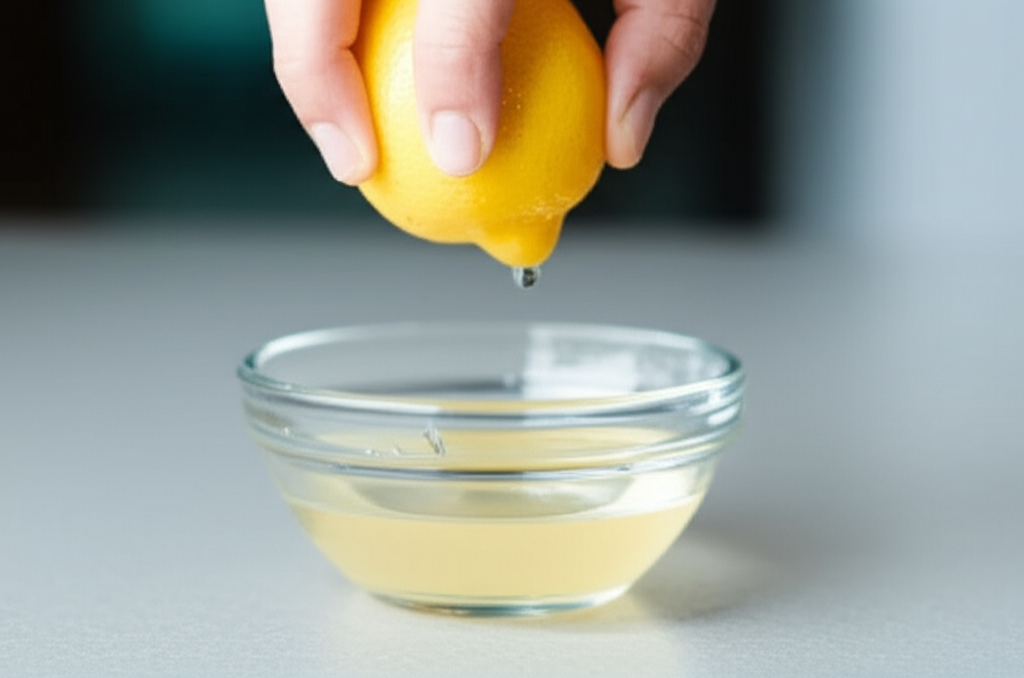
Yes, applying lemon juice directly to your skin can potentially cause breakouts and other skin issues for some individuals. While it’s a natural ingredient, its acidity can disrupt your skin’s natural barrier.
Key Takeaways
- Lemon juice’s acidity can irritate skin.
- It may cause photosensitivity, leading to burns.
- Direct application can disrupt your skin’s pH balance.
- Dilution and patch testing are crucial if you try it.
- Many gentler alternatives exist for skin concerns.
- Internal consumption is generally safe and beneficial.
Can Lemon Juice Break Your Face Out? The Shocking Truth!
You’ve probably heard that lemon juice is a miracle worker for skin. Maybe you’ve seen it online or heard from a friend that it can brighten dark spots or even clear up acne. It sounds so simple, right? Just a squeeze of fresh lemon, a dab on your face, and voilà! But hold on a second. Before you rush to your fruit bowl, let’s talk about what really happens when lemon juice meets your skin. Many people wonder, “Can lemon juice break your face out?” The answer might surprise you. We’re going to break down the facts, so you can make informed choices for your skin.
Understanding the Acidity of Lemon Juice
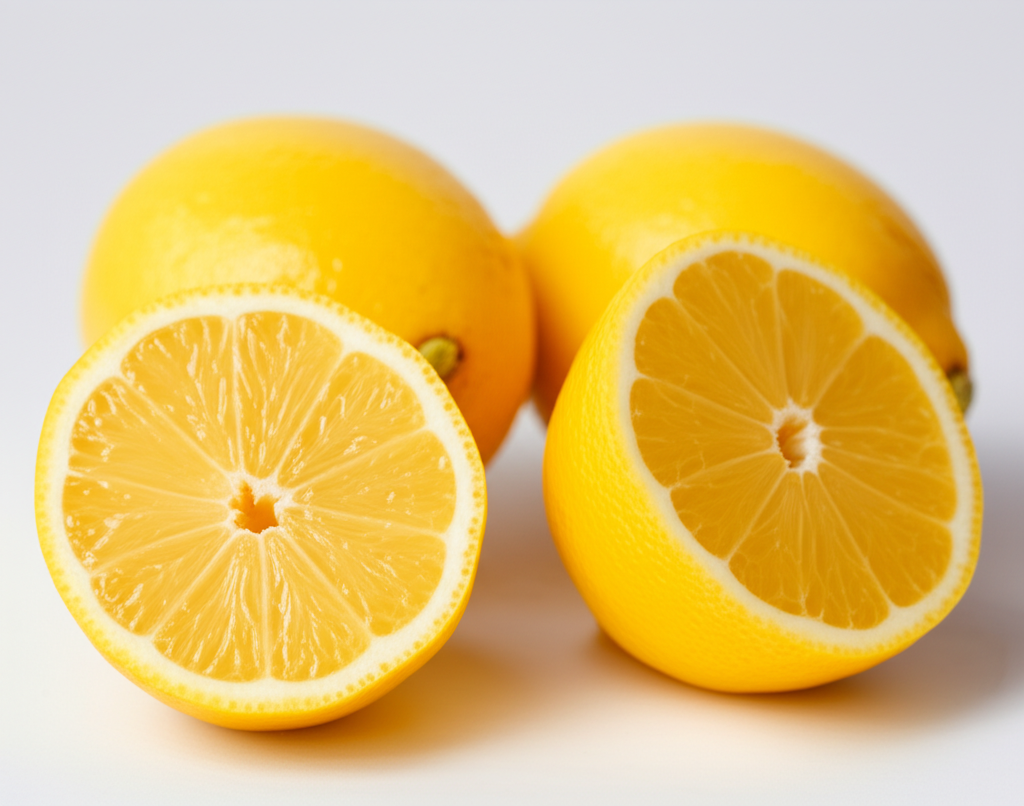
Lemons are famously tart, and that tartness comes from citric acid. This is a type of alpha-hydroxy acid (AHA), and AHAs are common ingredients in many skincare products designed to exfoliate and brighten. However, the concentration and form of citric acid in pure lemon juice are very different from what you find in a carefully formulated serum or lotion. Pure lemon juice is highly acidic, with a pH typically ranging from 2 to 3. For comparison, healthy skin has a pH of around 4.7 to 5.75. This significant difference is where potential problems can arise.
When you apply something so acidic to your skin, it can disrupt the delicate acid mantle, which is your skin’s natural protective barrier. This barrier is crucial for keeping moisture in and irritants out. Damaging it can lead to a host of issues, including increased sensitivity, dryness, redness, and yes, even breakouts.
The Link Between Lemon Juice and Acne
So, can lemon juice break your face out? For some people, the answer is a definite yes. Here’s why:
- Disruption of Skin Barrier: As mentioned, the high acidity can strip away natural oils and weaken the skin’s protective layer. When your skin barrier is compromised, it becomes more vulnerable to bacteria and inflammation, which are key contributors to acne.
- Inflammation: Applying an irritant like undiluted lemon juice can trigger an inflammatory response in your skin. Inflammation is a common underlying factor in all types of acne, from small pimples to larger, more painful cysts.
- Dryness and Overcompensation: When your skin becomes overly dry from harsh ingredients, it can sometimes overcompensate by producing more oil. This excess oil can then clog pores and lead to new breakouts. It’s a frustrating cycle!
It’s a bit of a paradox: while some might hope lemon juice will treat acne, it can actually cause or worsen it for many.
Photosensitivity: A Hidden Danger
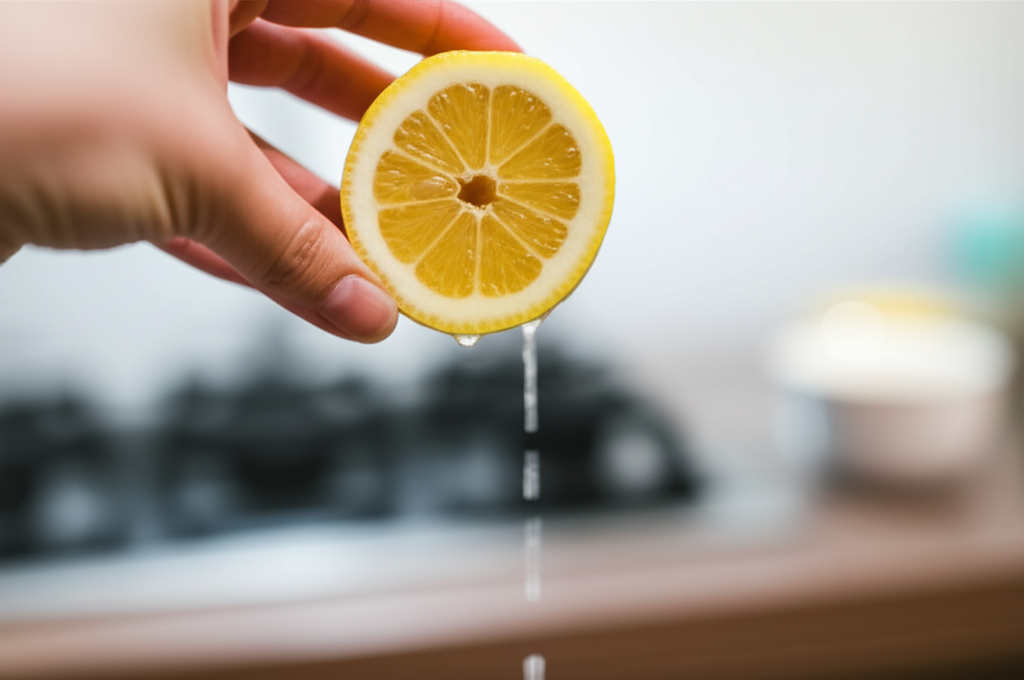
One of the most significant risks associated with applying lemon juice to your skin is photosensitivity. Citric acid, like other AHAs, can make your skin more sensitive to ultraviolet (UV) radiation from the sun. This is known as phytophotodermatitis.
What does this mean for you? If you apply lemon juice to your skin and then go out in the sun, even for a short period, you could experience:
- Sunburn: Your skin will be much more prone to burning, and it can happen faster and more intensely than usual.
- Redness and Irritation: You might notice significant redness, stinging, or a burning sensation.
- Hyperpigmentation (Dark Spots): In some cases, the sun exposure after applying lemon juice can lead to dark, blotchy patches on the skin. These can be difficult to treat and may last for a long time.
Even if you don’t go out in the sun immediately, trace amounts of the juice on your skin can still increase your sensitivity. This is a risk that many DIY skincare enthusiasts overlook, and it’s a crucial part of understanding why lemon juice might be doing more harm than good.
The pH Imbalance: Why It Matters
Your skin’s pH is vital for its health and function. A slightly acidic pH creates an environment that is unfavorable for the growth of harmful bacteria and fungi, while supporting the beneficial ones. It also helps maintain the skin’s moisture barrier.
When you apply lemon juice, you are drastically lowering the pH of your skin’s surface. This acidic shock can:
- Damage the Stratum Corneum: This is the outermost layer of your skin, and its integrity is key to preventing water loss and keeping out pathogens.
- Alter Enzyme Activity: Many enzymes in your skin that are responsible for exfoliation and barrier repair function optimally within a specific pH range. Drastic changes can disrupt these processes.
- Promote Irritation: A lower pH can directly irritate skin cells, leading to redness, stinging, and inflammation.
Think of it like this: your skin is a finely tuned ecosystem. Introducing a highly acidic substance without proper buffering or dilution is like introducing a foreign element that throws the whole system out of balance. This imbalance can manifest as various skin problems, including breakouts.
When is Lemon Juice Okay for Skin? (Hint: Rarely Undiluted)
It’s important to distinguish between applying pure lemon juice directly and using products that contain derivatives of citric acid in carefully controlled concentrations. Many effective skincare products use AHAs like glycolic acid and lactic acid, which are scientifically formulated for safety and efficacy.
If you’re determined to use lemon juice topically, extreme caution is advised. Here are some guidelines, though it’s generally safer to avoid direct application:
- Always Dilute: Never apply pure lemon juice to your face. Dilute it heavily with water (e.g., a few drops of lemon juice to a tablespoon or more of water).
- Patch Test: Before applying to your face, test a tiny amount on a small, inconspicuous area of your skin (like behind your ear or on your inner arm). Wait 24-48 hours to see if any reaction occurs.
- Use Sparingly and Infrequently: If you proceed, use it only on specific spots and very rarely.
- Avoid Sun Exposure: Absolutely do not go out in the sun after applying lemon juice to your skin. Wear sunscreen diligently.
- Listen to Your Skin: If you experience any stinging, burning, redness, or increased sensitivity, wash it off immediately and discontinue use.
Given these risks, many dermatologists and skincare experts advise against using pure lemon juice on the face altogether. There are simply too many potential downsides and far gentler, more effective alternatives available.
The Benefits of Consuming Lemon Juice (Internally!)
While topical application can be tricky, drinking lemon juice (diluted in water, of course!) is a different story and can be quite beneficial for your overall health, which can indirectly support your skin’s appearance. When consumed, the citric acid is processed differently by your body, and it doesn’t have the same direct, harsh effect on your skin’s pH or barrier.
Here are some ways drinking lemon water can be good for you:
- Hydration: It encourages you to drink more water, which is fundamental for healthy, clear skin.
- Vitamin C Boost: Lemons are a good source of Vitamin C, a powerful antioxidant that helps protect your cells from damage. Vitamin C is also essential for collagen production, which keeps skin firm and youthful.
- Digestive Aid: Some people find that drinking warm lemon water in the morning helps stimulate digestion and can contribute to a healthier gut. A healthy gut is often linked to clearer skin.
- Alkalizing Effect: Despite being acidic, lemons are considered alkalizing once metabolized by the body. This can help balance your body’s pH, which some believe contributes to overall wellness.
So, while you should be cautious about putting lemon juice on your face, incorporating it into your diet can be a refreshing and healthy habit.
Table: Lemon Juice vs. Skincare Acids
To better understand the difference, let’s look at how pure lemon juice compares to common skincare acids:
| Feature | Pure Lemon Juice (Topical) | Formulated AHAs (e.g., Glycolic, Lactic Acid) |
|---|---|---|
| Source | Natural fruit | Synthesized or derived from natural sources |
| Acidity (pH) | Very low (2-3) | Controlled and buffered (typically 3-4 in products) |
| Concentration | High and unregulated | Precisely measured for efficacy and safety |
| Potential for Irritation | High | Can occur, but managed by formulation |
| Photosensitivity Risk | High | Can occur, but often mitigated by product formulation and usage instructions |
| Effectiveness for Skin Concerns | Unpredictable, often problematic | Proven and targeted (exfoliation, brightening, acne treatment) |
| Ease of Use | Requires extreme caution, dilution, patch testing | Designed for straightforward application, often with clear instructions |
Alternatives for Brighter, Clearer Skin
If you’re looking to brighten your complexion, fade dark spots, or manage acne, there are many safer and more effective alternatives to using lemon juice directly on your skin. These options are formulated by skincare professionals to deliver results without the harsh side effects.
Gentle Exfoliants
Instead of harsh citric acid from lemons, consider these:
- Lactic Acid: A gentler AHA that also has hydrating properties. Found in many serums and cleansers.
- Glycolic Acid: A more potent AHA that effectively exfoliates and can improve skin texture and tone. Use with caution and always wear SPF.
- Salicylic Acid: A beta-hydroxy acid (BHA) that is oil-soluble, meaning it can penetrate pores to help clear congestion and reduce acne.
- Enzyme Exfoliants: Derived from fruits like papaya and pineapple, these offer a milder way to slough off dead skin cells.
You can find these ingredients in toners, serums, masks, and cleansers. For example, a Paula’s Choice 2% BHA Liquid Exfoliant uses salicylic acid to unclog pores and smooth skin. Always follow product instructions and use sunscreen daily.
Natural Brightening Ingredients
For brightening and fading hyperpigmentation:
- Vitamin C Serums: Stable forms of Vitamin C are excellent antioxidants that brighten skin, fade dark spots, and protect against environmental damage. Look for L-Ascorbic Acid or its derivatives.
- Niacinamide (Vitamin B3): This multi-tasking ingredient can help reduce redness, improve skin barrier function, and fade hyperpigmentation.
- Kojic Acid: Derived from fungi, it helps inhibit melanin production.
- Alpha Arbutin: A skin-lightening ingredient derived from bearberry extract.
Acne Treatments
For managing breakouts:
- Benzoyl Peroxide: Kills acne-causing bacteria.
- Sulfur: Helps dry out blemishes and unclog pores.
- Tea Tree Oil: A natural antiseptic that can help reduce inflammation and kill bacteria. Always dilute it before applying.
Always introduce new active ingredients one at a time and patch-test to ensure they work for your skin type. Consulting with a dermatologist can also provide personalized recommendations.
Pro Tips for Skin Health
Beyond topical treatments, remember that overall skin health is a holistic endeavor. Here are a few tips:
- Stay Hydrated: Drink plenty of water throughout the day.
- Balanced Diet: Focus on whole foods, fruits, and vegetables.
- Consistent Skincare Routine: Cleanse, treat, and moisturize daily.
- Sun Protection: Wear sunscreen with SPF 30 or higher every day, even when it’s cloudy.
- Manage Stress: Stress can trigger breakouts. Find healthy ways to cope.
Frequently Asked Questions (FAQ)
Q1: Can lemon juice cause sunburn?
Yes, applying lemon juice to your skin can make it much more sensitive to the sun, significantly increasing your risk of sunburn. This reaction is called phytophotodermatitis.
Q2: Is it safe to put lemon juice on acne?
It’s generally not recommended to put pure lemon juice directly on acne. Its high acidity can irritate your skin, disrupt its natural barrier, and potentially worsen inflammation or lead to new breakouts for many people.
Q3: How can I use lemon for skin brightening safely?
If you want to use lemon-derived benefits, opt for skincare products formulated with controlled concentrations of alpha-hydroxy acids (like citric acid derivatives) or Vitamin C. Always patch-test new products and wear sunscreen.
Q4: What happens if I leave lemon juice on my face overnight?
Leaving lemon juice on your face overnight is strongly discouraged. The prolonged contact with high acidity can cause severe irritation, burns, and hyperpigmentation, especially if exposed to sunlight afterward.
Q5: Can I drink lemon juice if I have acne?
Yes, drinking diluted lemon juice in water is generally safe and can be beneficial for overall health due to its Vitamin C content and hydration properties, which can indirectly support skin health. It does not have the same negative topical effects.
Q6: My friend uses lemon juice on her face and it works for her. Why?
Everyone’s skin is different! Some individuals may have a more resilient skin barrier or might not be exposing their skin to the sun afterward. However, even if it doesn’t cause an immediate breakout for them, it could still be damaging their skin barrier over time or making it more susceptible to future issues. It’s still a risky practice.
Q7: What are the best alternatives to lemon juice for dark spots?
Excellent alternatives include Vitamin C serums, niacinamide, alpha arbutin, kojic acid, and gently exfoliating AHAs or BHAs. These ingredients are formulated for effectiveness and safety.
Conclusion
So, can lemon juice break your face out? The evidence suggests that for many, especially when applied undiluted or without proper precautions, the answer is yes. While lemons contain beneficial compounds like Vitamin C, their high acidity and potential to cause photosensitivity make direct topical application a risky endeavor for your skin’s health. It can disrupt your skin’s natural pH balance, damage its protective barrier, and lead to irritation, dryness, and even more breakouts.
Instead of experimenting with potent natural acids that can have unpredictable results, focus on well-formulated skincare products that use proven ingredients like AHAs, BHAs, Vitamin C, and niacinamide. These are designed to be effective and safe when used as directed. Remember, healthy, glowing skin is best achieved through consistent, gentle care and informed choices. If you’re ever in doubt about a skincare ingredient or method, consulting a dermatologist is always the wisest step.
smartblander.com is a participant in the Amazon Services LLC Associates Program, an affiliate advertising program. As an Amazon Associate, we earn from qualifying purchases made through our links.
