

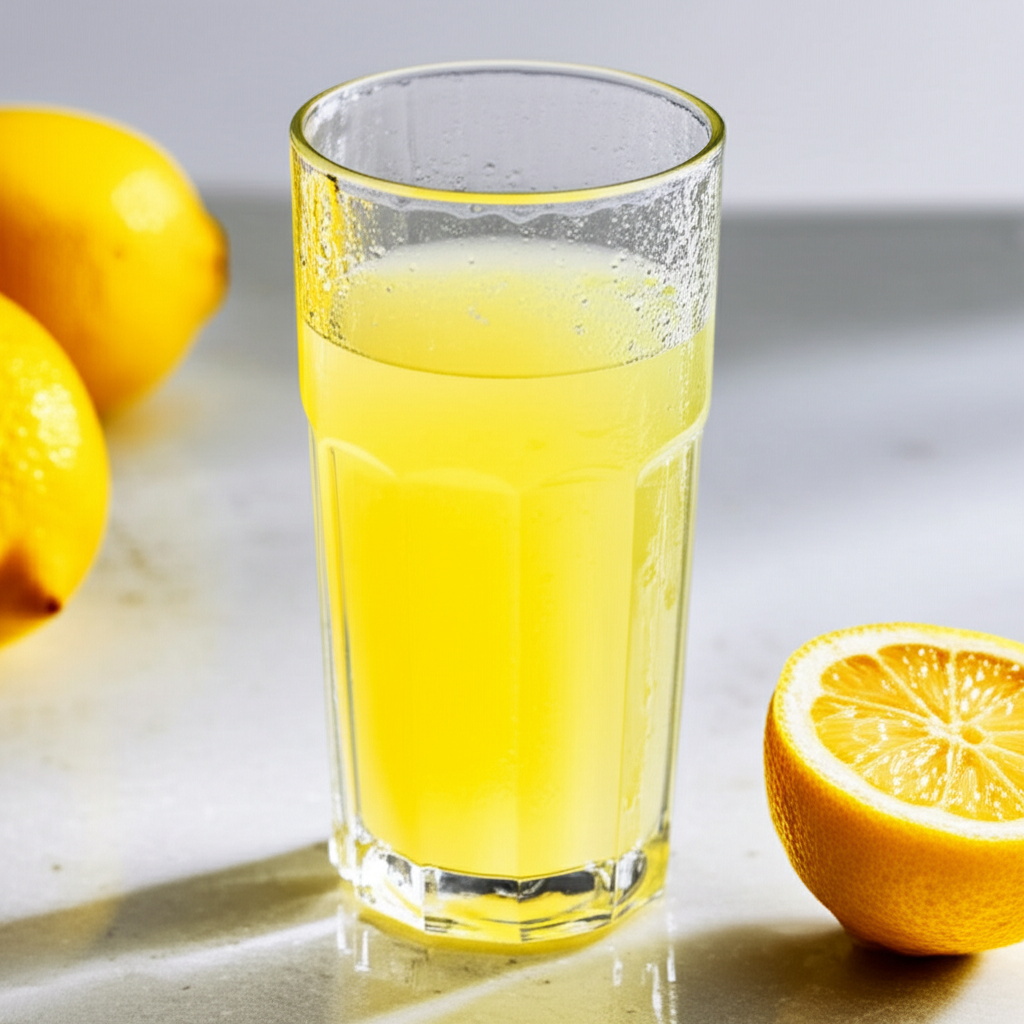
Yes, a small amount of plain lemon juice, when diluted in water, generally does not break a fast for most intermittent fasting protocols. However, the “shocking truth” is that the exact impact depends on the type of fast you’re doing and the quantity consumed. For beginners, understanding these nuances is key to successful fasting.
Key Takeaways
- Understand your fasting goals to assess lemon juice impact.
- Diluted lemon water is often acceptable during fasting periods.
- Pure lemon juice or large quantities can trigger an insulin response.
- Listen to your body and adjust based on personal experience.
- Consult a healthcare professional for personalized advice.
Can Lemon Juice Break A Fast? The Shocking Truth Revealed
You’ve heard about intermittent fasting, and maybe you’re even giving it a try. It’s a popular way to manage your eating schedule for health and wellness. But then, a common question pops up: what about that morning glass of lemon water? It feels so simple and pure, but does it derail all your fasting efforts? You’re not alone in wondering about this. Many people find this aspect of fasting a bit confusing. This article will clear things up. We’ll explore exactly what happens when you add lemon juice to your fasting routine, so you can feel confident about your choices. Let’s dive into the surprising details.
Understanding Intermittent Fasting Basics
Intermittent fasting (IF) isn’t about what you eat, but when you eat. It’s an eating pattern that cycles between periods of voluntary fasting and non-fasting. The most common methods include:
- 16/8 Method: Fast for 16 hours, and eat within an 8-hour window.
- 5:2 Diet: Eat normally for five days of the week, and restrict calories to about 500-600 on two non-consecutive days.
- Eat Stop Eat: Involves a 24-hour fast once or twice a week.
- Alternate-Day Fasting: Fast every other day.
The primary goal of fasting is to give your digestive system a break and allow your body to tap into stored energy. During a fast, your body shifts from using glucose (from food) for energy to using fat. This metabolic shift is often referred to as entering a “fasted state.”
What Constitutes “Breaking a Fast”?
The concept of “breaking a fast” is central to understanding whether lemon juice is permissible. In essence, breaking a fast means consuming anything that triggers a significant metabolic response in your body, particularly an insulin response. Insulin is a hormone that helps your cells absorb glucose from your bloodstream. When you eat or drink something with calories, your body releases insulin to process it. This can interrupt the metabolic processes associated with fasting, such as ketosis (burning fat for fuel) and autophagy (cellular cleanup).
The general rule of thumb is that consuming anything with calories will break your fast. However, the definition of “calories” can be a bit nuanced, especially with very small amounts of certain substances. This is where the debate around lemon juice, black coffee, and plain water comes into play.
The Lemon Juice Debate: Calories and Metabolic Response
So, can lemon juice break a fast? The answer is complex and depends on several factors:
1. Caloric Content of Lemon Juice
Pure lemon juice contains calories. A typical lemon (about 58 grams) contains roughly 17 calories, with about 5 grams of carbohydrates. However, most people don’t consume a whole lemon’s worth of juice in a glass of water while fasting. A common dilution is the juice of half a lemon or a quarter of a lemon in a large glass of water.
The juice from a quarter of a lemon might contain only 2-3 calories. For many intermittent fasting protocols, especially those focused on time-restricted eating (like the 16/8 method), a very small caloric intake like this is often considered negligible and unlikely to significantly disrupt the fasted state.
2. Insulin Response
The key factor is whether the lemon juice triggers an insulin response. Carbohydrates, especially simple sugars, stimulate insulin release. While lemon juice contains natural sugars, the amount in a diluted drink is usually very small. Some research suggests that consuming very few calories, particularly from sources that don’t cause a sharp spike in blood sugar, might not fully break a fast in the way that a meal would.
However, even a small amount of carbohydrate can theoretically stimulate some insulin release. For individuals who are very sensitive to insulin or are practicing a strict form of fasting for therapeutic reasons (like deep ketosis or autophagy), even these minimal calories might be considered problematic.
3. Autophagy and Ketosis
Autophagy: This is a cellular “clean-up” process where the body removes damaged cells and regenerates newer, healthier ones. Autophagy is strongly promoted by fasting. Some studies suggest that consuming calories, even a small amount, can inhibit autophagy. If your primary goal with fasting is to maximize autophagy, you might want to be more cautious with lemon juice.
Ketosis: This is a metabolic state where the body burns fat for energy instead of carbohydrates. When you consume carbohydrates, your body produces insulin, which can hinder the fat-burning process. For those in deep ketosis, even a few grams of carbohydrates can be enough to shift them out of this state.
The “Shocking Truth”: It’s About Your Goals and Quantity
The truly “shocking truth” isn’t that lemon juice definitively breaks a fast or doesn’t. It’s that the answer is highly contextual. For the average person practicing intermittent fasting for weight management or general health benefits, a small amount of diluted lemon juice in water is unlikely to significantly disrupt their fast.
However, if you are:
- Practicing a very strict fast for specific therapeutic benefits (e.g., extended fasting, medical fasting).
- Trying to achieve or maintain a deep state of ketosis.
- Focused on maximizing autophagy.
- Highly sensitive to even minor caloric intake.
Then, even diluted lemon juice might be something you want to avoid. The impact is not a black-and-white issue but rather a spectrum.
When is Lemon Juice Likely NOT Breaking Your Fast?
For most common IF protocols, particularly time-restricted eating (like 16:8), plain lemon water is generally accepted. Here’s why:
- Minimal Calories: As discussed, the caloric contribution from a few ounces of diluted lemon juice is very low.
- Low Impact on Blood Sugar: The natural sugars in lemon juice are accompanied by fiber and other compounds that tend to lead to a less dramatic blood sugar spike compared to processed sugars.
- Hydration and Electrolytes: Lemon water can aid hydration, which is crucial during fasting. It can also provide a small boost of Vitamin C and electrolytes, which can be beneficial.
- Flavor and Palatability: For many, plain water can be monotonous. Adding a splash of lemon can make staying hydrated easier and more enjoyable, helping them stick to their fasting window.
Think of it this way: your body is designed to handle small amounts of natural substances. The key is avoiding anything that sends a strong signal to your digestive system that a “feeding” event has occurred.
When Might Lemon Juice Break Your Fast?
Consider these scenarios where lemon juice could be problematic:
- Large Quantities: If you’re drinking the juice of multiple lemons, you’re consuming a significant amount of calories and carbohydrates that will likely break your fast.
- Sweetened Lemonade: Adding sugar, honey, or artificial sweeteners to your lemon water will definitely break your fast, as these introduce substantial calories or trigger an insulin response.
- Strict Therapeutic Fasting: If you are fasting under medical supervision or for very specific health goals where even minimal caloric intake is contraindicated, you should avoid lemon juice.
- Personal Sensitivity: Some individuals are more sensitive to food triggers than others. If you notice you feel “off” or experience hunger pangs after drinking lemon water during a fast, it’s best to avoid it.
Pro Tips for Fasting with Citrus
If you’re curious about incorporating citrus into your fasting routine, start small! Try the juice of just a quarter of a lemon in a large glass of water and see how you feel. Pay attention to your hunger levels, energy, and overall well-being. Remember, consistency is key in intermittent fasting, and finding what works for your body is paramount.
Alternatives to Lemon Juice During Your Fast
If you’re concerned about lemon juice or simply want other options to make your fasting window more palatable, consider these:
- Plain Water: The undisputed champion of fasting beverages.
- Sparkling Water: Adds a bit of fizz and can feel more satisfying.
- Herbal Teas (Unsweetened): Many herbal teas, like peppermint, chamomile, or ginger, are calorie-free and can be enjoyed hot or cold.
- Black Coffee (Unsweetened): Many intermittent fasters find black coffee acceptable. It can even boost metabolism and suppress appetite.
- Electrolyte Supplements (Zero-Calorie): For longer fasts, a zero-calorie electrolyte supplement can help maintain hydration and mineral balance. Ensure it contains no sugars or artificial sweeteners that might trigger a response.
It’s always wise to check the ingredients of any supplement or beverage you plan to consume during a fast to ensure it’s truly calorie-free and won’t disrupt your progress.
Nutritional Snapshot: Lemon Juice
While we’re discussing its impact on fasting, it’s worth noting the nutritional benefits of lemon juice when you’re not fasting:
| Nutrient | Amount (per 100g) | % Daily Value (approx.) |
|---|---|---|
| Calories | 29 | – |
| Carbohydrates | 9.2g | 3% |
| Sugar | 2.5g | – |
| Vitamin C | 53mg | 59% |
| Potassium | 138mg | 3% |
Source: USDA FoodData Central
As you can see, lemon juice is an excellent source of Vitamin C. When consumed outside of your fasting window, it can contribute to immune health and skin vitality.
The Science Behind It: Insulin and Glucagon
To truly understand the “shocking truth,” we need to touch on hormones. During fasting, your body primarily relies on glucagon, a hormone that signals the liver to release stored glucose (glycogen) and to begin breaking down fat for energy. When you consume calories, especially carbohydrates, your body releases insulin. Insulin’s job is to help your cells take up glucose, and it also signals the liver to stop releasing glucose and to stop breaking down fat. So, even a small amount of calories from lemon juice can theoretically lead to a slight rise in insulin, which can momentarily pause the fat-burning and autophagy processes.
However, the magnitude of this insulin response is key. The minimal carbohydrates in a diluted lemon juice drink are unlikely to cause a significant, prolonged insulin spike that would completely negate the benefits of a 16-hour fast for most people. It’s a subtle effect, not an immediate shutdown of all fasting benefits.
External Resources for Further Learning
For those who want to delve deeper into the science of fasting and its effects, consider these authoritative sources:
- National Institute on Aging (NIA): Provides information on aging and health, often touching on the benefits of lifestyle choices like diet and exercise. You can find research summaries and articles related to caloric restriction and its impact on cellular processes.
- PubMed: A vast database of biomedical literature where you can find peer-reviewed studies on intermittent fasting, autophagy, ketosis, and hormonal responses to food intake. Searching terms like “intermittent fasting lemon juice” or “caloric intake fasting” will yield relevant research papers.
- Reputable Health and Nutrition Websites: Look for sites associated with universities or well-known health organizations that cite scientific evidence for their claims.
Frequently Asked Questions (FAQ)
Q1: Can I drink lemon water with honey while fasting?
A: No, honey is a significant source of sugar and calories. It will definitely break your fast by triggering an insulin response and providing energy. Stick to plain water, unsweetened tea, or black coffee.
Q2: Will a squeeze of lemon in my water affect my weight loss?
A: For most people practicing time-restricted eating (like 16:8), a small squeeze of lemon in water is unlikely to significantly hinder weight loss. The minimal calories are usually not enough to offset the benefits of a prolonged fasting period. However, if your weight loss has stalled, you might consider removing it to see if it makes a difference.
Q3: Is it better to avoid lemon juice entirely when fasting?
A: It depends on your personal goals and sensitivity. If your goal is general health and weight management, a small amount of diluted lemon juice is likely fine. If you are pursuing therapeutic fasting, aiming for deep ketosis, or are very sensitive, it might be best to avoid it. Listen to your body!
Q4: What about lemon essential oil in water during a fast?
A: While some people use food-grade essential oils, it’s generally best to avoid them during fasting. The concentrated compounds could potentially trigger a metabolic response. Stick to simple, whole-food ingredients or calorie-free beverages.
Q5: Can lemon juice help with electrolyte balance during a fast?
A: Lemon juice contains small amounts of potassium, but it’s not a significant source of electrolytes. For proper electrolyte balance during longer fasts, consider a zero-calorie electrolyte supplement designed for fasting or include electrolyte-rich foods in your eating window.
Q6: Does the acidity of lemon juice harm my teeth during a fast?
A: The acidity in lemon juice can indeed affect tooth enamel. If you choose to drink lemon water during your fast, it’s a good idea to rinse your mouth with plain water afterward. Avoid brushing your teeth immediately after consuming acidic beverages, as this can further erode enamel.
Conclusion
So, can lemon juice break a fast? The shocking truth is that for most beginners practicing intermittent fasting for general wellness, a small amount of diluted lemon juice in water is generally considered acceptable and unlikely to sabotage your efforts. It can help with hydration and make fasting more enjoyable. However, the key lies in moderation and understanding your personal fasting goals. If you’re striving for deep ketosis, maximizing autophagy, or undertaking therapeutic fasting, it’s wiser to err on the side of caution and stick to plain water, black coffee, or unsweetened herbal teas. By paying attention to your body and knowing the principles behind fasting, you can make informed decisions that support your health journey.
smartblander.com is a participant in the Amazon Services LLC Associates Program, an affiliate advertising program. As an Amazon Associate, we earn from qualifying purchases made through our links.
