

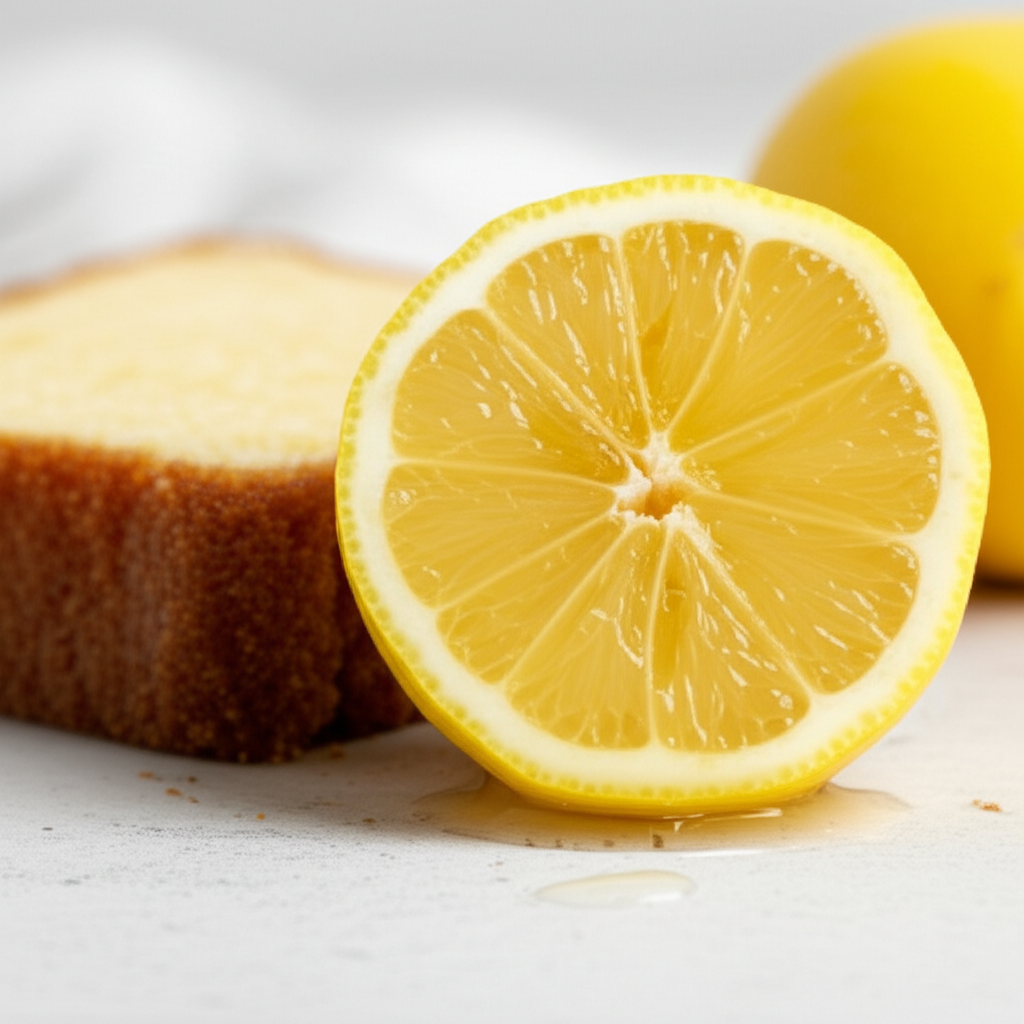
Yes, lemon juice can act as a mild preservative in cakes, primarily by slowing down oxidation and inhibiting microbial growth due to its acidity. While not a substitute for proper refrigeration, it can help maintain freshness and texture for a short period.
Key Takeaways
- Lemon juice adds flavor and brightness to cakes.
- Its acidity helps slow browning and spoilage.
- It can extend cake freshness for a few extra days.
- Lemon juice works best in certain cake types.
- Proper storage is still essential for cake safety.
- Use fresh lemon juice for best results.
Can Lemon Juice Be Used As Preservative In Cake? Astonish!
Have you ever wondered if a simple ingredient like lemon juice could do more than just add a delightful tang to your baked goods? Many home bakers are curious about natural ways to keep their cakes fresh. You might be surprised to learn that lemon juice can indeed play a role in preserving your delicious creations. It’s a common question, and the answer might just astonish you with its simplicity and effectiveness. Let’s dive in and discover how this zesty citrus can help keep your cakes tasting their best.
Understanding Cake Preservation: The Basics
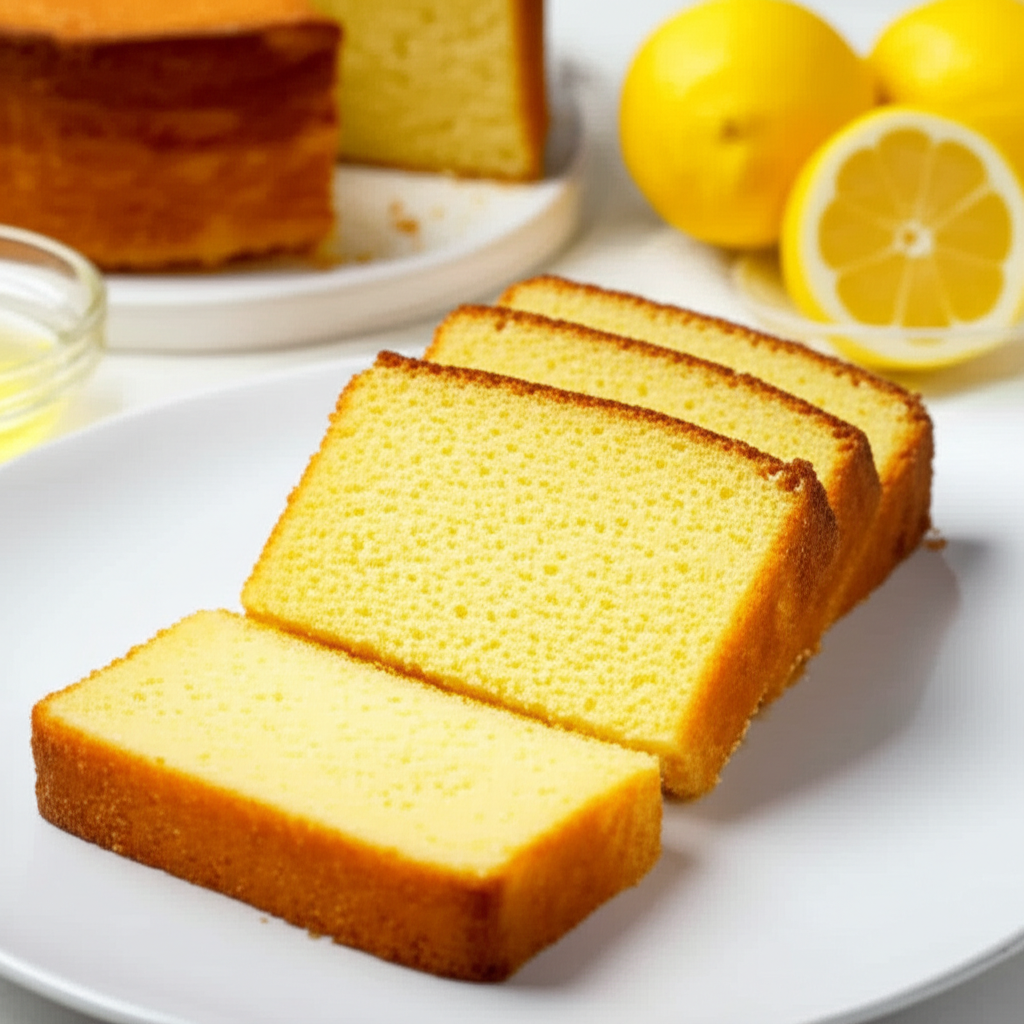
Before we explore the magic of lemon juice, it’s helpful to understand why cakes need preserving in the first place. Cakes, especially those made with fresh ingredients like dairy, eggs, and fruits, are susceptible to spoilage. This happens for a few key reasons:
- Microbial Growth: Bacteria, yeasts, and molds thrive in moist, nutrient-rich environments like cake. These microorganisms can cause the cake to go bad, affecting its taste, texture, and safety.
- Oxidation: Ingredients like fats and certain fruits can react with oxygen in the air. This process, known as oxidation, can lead to rancidity and changes in color and flavor.
- Moisture Loss: Cakes can dry out over time, leading to a stale and unappealing texture.
Traditional preservation methods often involve refrigeration, freezing, or using artificial preservatives. However, many people are looking for more natural alternatives that can be incorporated directly into their recipes. This is where ingredients like lemon juice come into play, offering a gentle, natural approach.
The Science Behind Lemon Juice as a Preservative
Lemon juice is more than just a flavor enhancer; it’s a powerhouse of natural compounds that can help slow down the spoilage process. The primary active component responsible for its preservative qualities is its acidity. Lemons contain citric acid, a strong organic acid.
Acidity and pH Levels
The high acidity of lemon juice, with a typical pH between 2 and 3, creates an environment that is hostile to many types of spoilage-causing microorganisms. Most bacteria and molds prefer a more neutral pH. By lowering the pH of the cake batter and the finished cake, lemon juice can:
- Inhibit Bacterial Growth: Many common foodborne pathogens cannot survive or multiply effectively in acidic conditions. This can help prevent the cake from spoiling quickly due to bacterial contamination.
- Discourage Mold and Yeast: Similar to bacteria, molds and yeasts also find it difficult to grow in an acidic environment. This is particularly helpful for cakes that might be left at room temperature for a short while.
The U.S. Department of Agriculture (USDA) highlights that acidity is a key factor in food preservation, working to extend the shelf life of various products by making them less hospitable to spoilage organisms.
Antioxidant Properties
Citric acid also acts as an antioxidant. This means it can help prevent or slow down oxidation reactions. In cakes, oxidation can affect:
- Fats: It can prevent fats from going rancid, which is a common cause of off-flavors and smells in baked goods.
- Color: In cakes containing fruits or other ingredients prone to browning (like apples or bananas), the acidity can help prevent enzymatic browning, keeping the cake looking fresher for longer.
While these effects are not as potent as those of dedicated commercial antioxidants, they contribute to the overall preservation of the cake’s quality.
How Lemon Juice Affects Cake Texture and Flavor
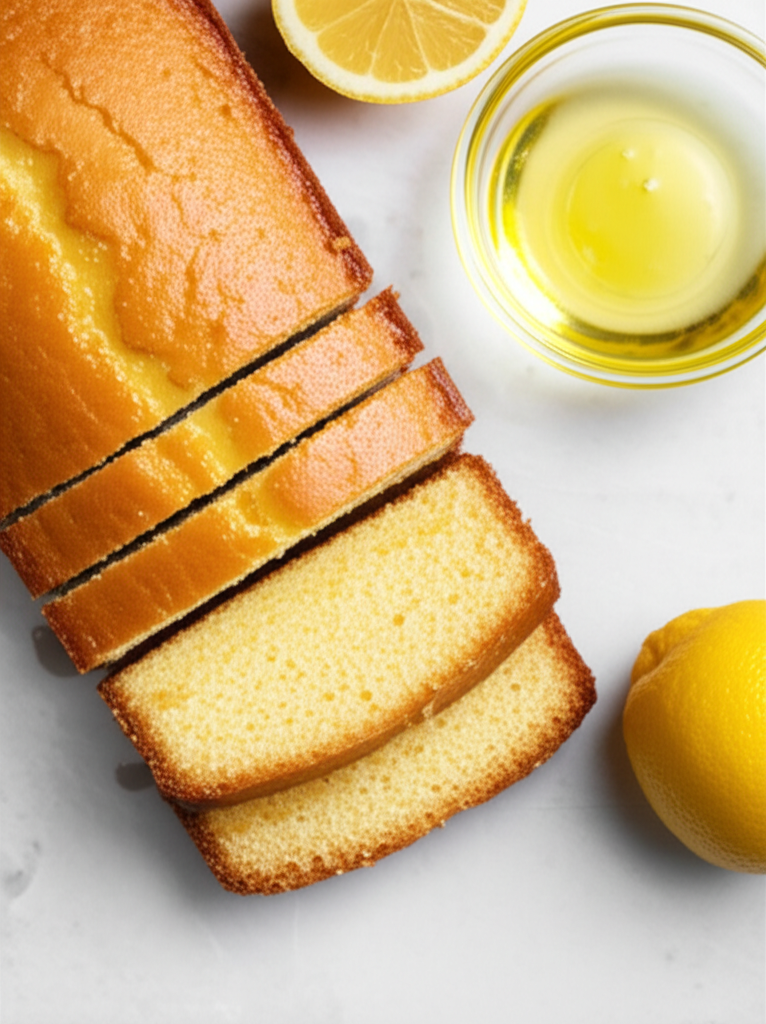
It’s important to understand that adding lemon juice isn’t just about preservation; it also impacts the cake’s sensory qualities. When used correctly, these impacts are often desirable.
Flavor Enhancement
Lemon juice adds a bright, zesty, and refreshing flavor to cakes. This is especially true for:
- Citrus Cakes: Lemon juice is a natural fit for lemon cakes, lemon poppy seed cakes, or cakes with other citrus flavors.
- Rich Cakes: The acidity can cut through the richness of chocolate or dense cakes, providing a balanced flavor profile.
- Fruit Cakes: It can complement the natural sweetness of fruits and add a layer of complexity.
The key is to use the right amount. Too little might not provide significant preservative benefits, while too much can make the cake overly tart or alter its texture.
Texture Modifications
Lemon juice can subtly affect cake texture. Its acidity can interact with ingredients like eggs and flour:
- Tenderizing Effect: The acid can help to tenderize the gluten in flour, potentially leading to a more delicate crumb.
- Moisture Retention: By slowing down moisture loss, it can help the cake stay moist for a bit longer.
However, if too much lemon juice is added, it can interfere with the leavening agents (like baking soda or baking powder), potentially leading to a denser or flatter cake. It can also react with dairy proteins, potentially affecting the structure.
When is Lemon Juice Most Effective as a Preservative?
Lemon juice isn’t a magic bullet for all cakes. Its effectiveness as a preservative is most pronounced in certain scenarios and cake types.
Best Applications
Lemon juice works best as a mild preservative in cakes that:
- Are Moist and Dense: Cakes like pound cakes, fruitcakes, or denser butter cakes benefit more from the added moisture retention and slower spoilage rate.
- Contain Fruits: Adding lemon juice to cakes with fresh or dried fruits can help prevent the fruits from oxidizing and browning, and also inhibit microbial growth on the fruit’s surface.
- Are Stored at Room Temperature for Short Periods: If you plan to consume the cake within 2-3 days and are keeping it at room temperature, a touch of lemon juice can offer a slight edge in freshness compared to a cake without it.
- Are Glazed or Iced: A lemon juice-based glaze or frosting can help seal the surface of the cake, further protecting it from drying out and limiting exposure to air.
Less Effective Applications
Lemon juice is less impactful as a preservative in:
- Very Light and Airy Cakes: Angel food cakes or chiffon cakes rely on delicate structures that could be negatively affected by the acidity or added moisture.
- Cakes Requiring Long-Term Storage: For cakes that need to be stored for more than a few days, or frozen, lemon juice alone is insufficient.
- Cakes with High Fat Content (if not balanced): While it can prevent fat rancidity, excessive acidity without proper balancing can still lead to undesirable flavor changes.
How to Use Lemon Juice in Your Cakes for Preservation
Incorporating lemon juice for its preservative qualities is straightforward. The key is to use it thoughtfully within your recipe.
Adding to the Batter
The most common way to use lemon juice for preservation is by adding it directly to the cake batter. Here’s how:
- Measure Carefully: Start with a small amount, typically 1-2 tablespoons for a standard 8 or 9-inch cake.
- Use Fresh Juice: Always opt for freshly squeezed lemon juice. Bottled juice can contain preservatives that alter the outcome, and it lacks the fresh flavor of the real thing.
- Adjust Other Liquids: If you’re adding lemon juice, you might need to slightly reduce other liquids in the recipe to maintain the correct batter consistency.
- Consider the Baking Soda Reaction: If your recipe already uses baking soda, the lemon juice (an acid) will react with it, contributing to leavening. If it only uses baking powder, the extra acidity might not significantly alter the rise.
Lemon Juice Glazes and Soaks
Another effective method is to use lemon juice in glazes or as a soak:
- Simple Glaze: Whisk together powdered sugar and fresh lemon juice until you reach a pourable consistency. Pouring this over a cooled cake creates a barrier that helps seal in moisture.
- Syrup Soak: For extra moisture and flavor, you can create a simple syrup by heating equal parts sugar and water with a splash of lemon juice. Once slightly cooled, brush or spoon this syrup over the warm cake layers. This not only adds flavor but also helps keep the cake moist.
The acidity in these applications helps inhibit surface mold and slow down drying.
Pro Tips for Maximizing Cake Freshness
Using lemon juice is just one part of keeping your cake fresh. Here are some additional tips:
Pro Tip: Always cool your cake completely before attempting to glaze or frost it. Applying glaze or frosting to a warm cake will cause it to melt and slide off, and it won’t seal the cake effectively.
Lemon Juice vs. Other Preservatives
It’s useful to compare lemon juice’s preservative abilities to other common methods and ingredients.
Comparison Table
Here’s a quick look at how lemon juice stacks up:
| Preservation Method/Ingredient | Pros | Cons | Effectiveness |
|---|---|---|---|
| Lemon Juice | Natural, adds flavor, mild antibacterial/antioxidant effects. | Can alter flavor/texture if overused, only mild effect. | Short-term, mild preservation. |
| Refrigeration | Significantly slows microbial growth, extends shelf life. | Can dry out cakes, alter texture, requires space. | Moderate to long-term preservation. |
| Freezing | Longest shelf life, preserves texture well if done properly. | Requires freezer space, can affect texture upon thawing if not wrapped well. | Very long-term preservation. |
| Commercial Preservatives | Highly effective, designed for specific spoilage prevention. | Artificial, can have health concerns for some, no added flavor benefit. | Can be very long-term depending on type. |
| Sugar (in high concentration) | Draws out moisture, inhibits microbial growth. | Significantly alters sweetness and texture. | Moderate to long-term preservation, especially in jams/candies. |
Natural Alternatives
Besides lemon juice, other natural ingredients can contribute to preservation:
- Vinegar: Similar to lemon juice, its acidity can inhibit microbial growth. However, it imparts a stronger flavor that is less desirable in most cakes.
- Honey: Honey is a natural humectant (attracts moisture) and has antimicrobial properties due to its low water activity and enzymatic activity. It can help keep cakes moist and extend their shelf life slightly.
- Spices: Some spices like cinnamon, cloves, and nutmeg have mild antimicrobial properties and can contribute to flavor, masking any slight off-notes from early spoilage.
When to Rely on Lemon Juice vs. Refrigeration
The decision to use lemon juice as a preservative largely depends on how quickly you plan to eat the cake and how you intend to store it.
- For Immediate Consumption (1-2 days): If you’re serving the cake within a day or two and keeping it at room temperature, a touch of lemon juice can provide a little extra insurance against staleness and minor spoilage.
- For Short-Term Room Temperature Storage: For cakes that might sit out for a bit longer (but still within 2-3 days), lemon juice in the batter or glaze can help maintain quality.
- When Refrigeration is Not Ideal: Some cakes, like certain butter cakes or pound cakes, can become quite hard when refrigerated. In these cases, if consuming within 2-3 days, lemon juice can help them stay a little more palatable at room temperature.
- When Refrigeration is Necessary: For any cake containing perishable ingredients like cream cheese frosting, fresh cream, or custard fillings, refrigeration is non-negotiable, regardless of whether lemon juice is used. Lemon juice is a supplement, not a substitute for safe food handling practices.
It’s crucial to remember that lemon juice’s preservative effect is mild. It will not make a cake safe to eat indefinitely or at room temperature if it otherwise wouldn’t be. Always err on the side of caution and refrigerate cakes with perishable components.
Common Beginner Mistakes to Avoid
As a beginner baker, it’s easy to make a few missteps when experimenting with ingredients like lemon juice. Here are some common pitfalls:
- Using Too Much Lemon Juice: This is the most common mistake. Adding excessive amounts can lead to a sour cake, a gummy texture, or a cake that doesn’t rise properly.
- Forgetting Other Storage Needs: Relying solely on lemon juice and neglecting proper storage (like covering the cake or refrigerating when necessary) can lead to spoilage.
- Using Bottled Lemon Juice: The flavor and preservation qualities are significantly diminished compared to fresh.
- Not Adjusting Other Liquids: Adding lemon juice without reducing other liquids can make the batter too wet, affecting the cake’s structure and baking time.
- Ignoring Recipe Balance: If a recipe is finely tuned, adding lemon juice might throw off the chemical reactions needed for a perfect bake. Start with small adjustments in recipes you are familiar with.
Frequently Asked Questions (FAQ)
Can I use lemon juice in a chocolate cake?
Yes, you can! Lemon juice can actually complement chocolate. A small amount (1-2 tablespoons) can add a subtle brightness that cuts through the richness of chocolate, and it will offer a mild preservative effect. Just be mindful not to overdo it, as too much can alter the chocolate flavor.
Will lemon juice make my cake taste sour?
If used in moderation (typically 1-2 tablespoons for a standard cake), the flavor of lemon juice will be subtle and often perceived as a refreshing brightness rather than outright sourness. If you use a large amount, it can certainly make the cake taste sour and may affect the texture.
How much lemon juice should I add to a cake recipe?
For a standard 8 or 9-inch cake, start with 1 to 2 tablespoons of fresh lemon juice. This is usually enough to provide a mild preservative effect and a hint of flavor without drastically altering the recipe.
Does lemon juice help preserve cake frosting?
Yes, especially in glazes or simple frostings made with powdered sugar and liquid. A lemon juice-based glaze can help seal the cake and prevent drying. However, if your frosting contains dairy or eggs and is meant for long-term storage, it will still require refrigeration.
Is lemon juice a safe preservative for cakes left at room temperature?
Lemon juice offers a mild preservative effect and can help slow down spoilage for a short period (1-2 days) for cakes without highly perishable ingredients. However, it is not a substitute for refrigeration for cakes that require it, such as those with cream cheese frosting or dairy fillings.
Can I use lemon extract instead of lemon juice for preservation?
Lemon extract is primarily for flavor and does not contain the acidic properties of juice that contribute to preservation. While it adds lemon flavor, it won’t offer the same mild preservative benefits.
What is the shelf life of a cake with lemon juice added?
A cake with lemon juice added and stored properly at room temperature might last an extra day or two compared to one without, typically reaching about 3-4 days in good condition if it doesn’t contain highly perishable ingredients. For cakes with frosting or fillings that need refrigeration, follow standard safe storage guidelines (usually 3-5 days in the fridge).
Conclusion
So, can lemon juice be used as a preservative in cake? Astonishingly, yes, in a mild and supportive way! Its natural acidity and antioxidant properties can indeed help slow down browning, inhibit some microbial growth, and contribute to a cake’s overall freshness for a short period. It’s a wonderful natural ingredient to consider, especially for home bakers looking for simple ways to enhance their cakes.
Remember, while lemon juice can be a helpful ally, it’s not a replacement for proper storage techniques like covering your cakes or refrigerating them when necessary. By understanding its capabilities and limitations, you can confidently use lemon juice to add a delightful zest and a touch of extra longevity to your delicious homemade cakes. Happy baking!
smartblander.com is a participant in the Amazon Services LLC Associates Program, an affiliate advertising program. As an Amazon Associate, we earn from qualifying purchases made through our links.
