

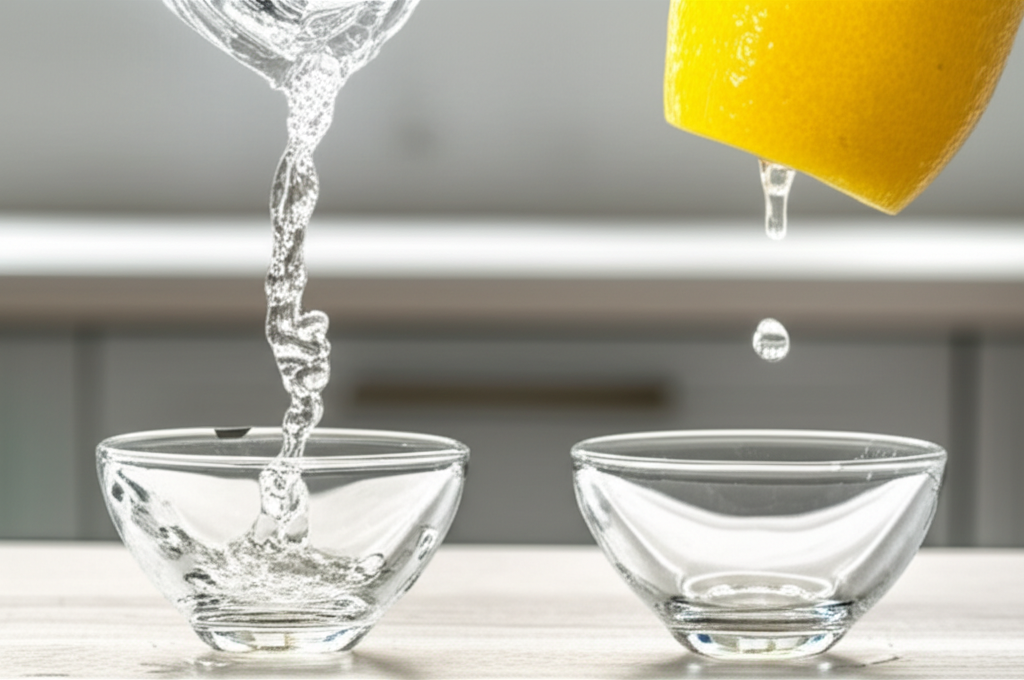
Yes, you can sometimes use vinegar instead of lemon juice in certain recipes, but the “shocking truth” is they are not interchangeable. While both are acidic, their flavors and applications differ significantly. Understanding these differences is key to successful cooking and baking.
Key Takeaways
- Vinegar and lemon juice are both acidic.
- Flavor profiles are very different: lemon is bright and citrusy, vinegar is sharp and tangy.
- Vinegar can replace lemon juice for tenderizing or as a preservative.
- Lemon juice is preferred for fresh, zesty flavors in dressings and marinades.
- Taste and experiment to find the best substitution.
- Consider the specific recipe’s needs before swapping.
Can I Use Vinegar Instead of Lemon Juice? The Shocking Truth Revealed!
Have you ever found yourself in the kitchen, mid-recipe, only to realize you’re out of lemon juice? It’s a common culinary predicament! Many recipes call for that bright, citrusy zing that lemon juice provides. So, the question naturally arises: Can I use vinegar instead of lemon juice? It’s a question many home cooks, especially beginners, ponder. The simple answer is… sometimes, but with important caveats. While both vinegar and lemon juice are acidic, their flavors and how they interact with other ingredients are quite distinct. This can lead to surprising results if you’re not careful. Don’t worry, though! This guide will walk you through the differences, when a swap might work, and when it’s best to find a fresh lemon. Let’s uncover the truth together and make your kitchen adventures smoother!
Understanding Acidity: The Common Ground
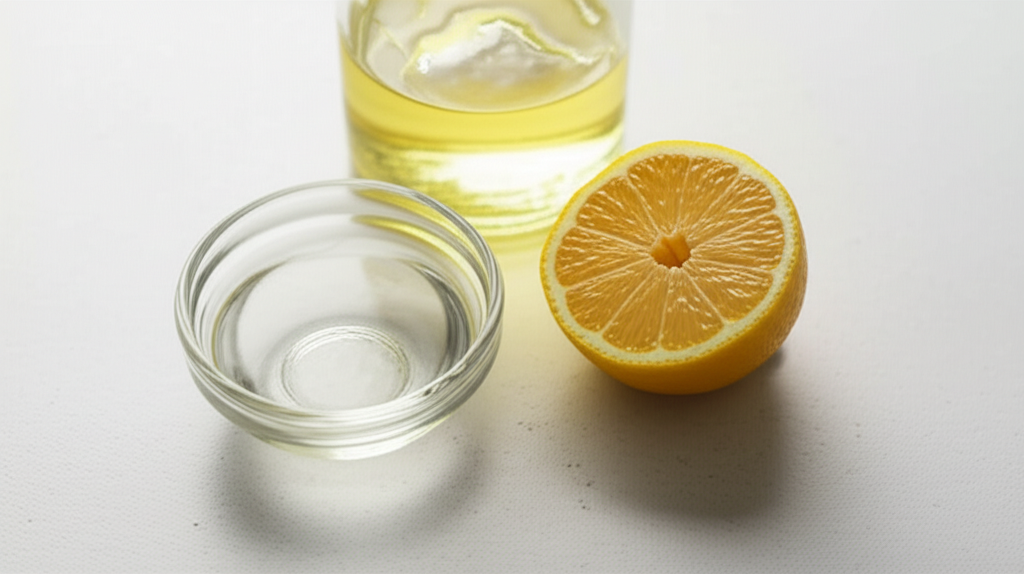
At their core, both vinegar and lemon juice are acidic liquids. This shared characteristic is why the substitution idea even comes to mind. Acidity plays a crucial role in cooking and baking. It can tenderize meats, help leavening agents like baking soda create lift in baked goods, preserve foods, and add a bright, palate-cleansing note to dishes. Lemon juice gets its acidity primarily from citric acid, while vinegar’s acidity comes mainly from acetic acid (in the case of distilled white vinegar) or other organic acids depending on the type of vinegar.
The pH level is a measure of acidity. Lemon juice typically has a pH between 2 and 3, making it quite acidic. Vinegars, depending on their type, can range from a pH of 2 to 3.5. This means they are in a similar ballpark acidity-wise, but the type of acid and its accompanying flavor compounds are where the real differences lie.
Flavor Differences: The Big Divide
This is where the “shocking truth” truly comes into play. While both are sour, their flavors are worlds apart:
- Lemon Juice: Offers a bright, fresh, zesty, and slightly sweet citrus flavor. It’s invigorating and pairs beautifully with a wide range of ingredients, from fish and poultry to desserts and beverages. Its aroma is also a significant part of its appeal.
- Vinegar: Tends to have a sharper, more pungent, and sometimes even harsh sourness. The flavor profile varies greatly depending on the type of vinegar. For example, balsamic vinegar is complex and slightly sweet, while distilled white vinegar is very sharp and neutral, and apple cider vinegar has a fruity tang.
Imagine a delicate lemon meringue pie versus a dish finished with a splash of red wine vinegar. The impact on the final taste is dramatically different. This flavor distinction is the most significant factor when considering a substitution.
When Can You Use Vinegar Instead of Lemon Juice?
There are specific situations where vinegar can successfully step in for lemon juice, particularly when the primary role of the lemon juice is not for its distinct citrus flavor, but for its acidic properties. Here are some prime examples:
1. Tenderizing Meats and Poultry
The acid in both lemon juice and vinegar helps to break down tough protein fibers in meat, making it more tender. If your recipe calls for a marinade to tenderize chicken, pork, or fish, vinegar can often be a suitable substitute. The key here is not to over-marinate, as the acid can also “cook” the exterior of the protein, making it mushy.
Example: In a chicken marinade, you might use 2 tablespoons of lemon juice. You could potentially substitute with 2 tablespoons of white wine vinegar or apple cider vinegar. However, be mindful of the flavor it imparts. A mild vinegar is usually preferred.
2. Preserving Foods (Pickling and Marinating)
Acidity is crucial for preservation. Both lemon juice and vinegar create an acidic environment that inhibits the growth of spoilage-causing microorganisms. If you’re pickling vegetables or creating a quick pickle, vinegar is often the primary acid used anyway, and it can certainly replace lemon juice if needed. For recipes where lemon juice is used for a subtle tang in a preserved item, vinegar can work.
Example: For a simple refrigerator pickle recipe that calls for lemon juice, you can often use an equal amount of white vinegar or apple cider vinegar. The pickling liquid for low-acid foods requires a specific pH, and both contribute to achieving this.
3. Baking (Leavening and Tenderizing)
In baking, acid reacts with baking soda to produce carbon dioxide gas, which helps baked goods rise. If a recipe calls for lemon juice and baking soda, and you’re out of lemon juice, vinegar can often be used as a substitute for the acid component. A teaspoon of vinegar can often replace a teaspoon of lemon juice in this context.
Example: Some vegan recipes use lemon juice to react with baking soda for leavening. White vinegar or apple cider vinegar can be used in a similar quantity. Be aware that a strong vinegar flavor might be noticeable in delicate baked goods.
4. Balancing Flavors (In Savory Dishes)
Sometimes, a recipe calls for a small amount of lemon juice to cut through richness or add a bright finish to a savory dish, like a sauce or soup. In these cases, a mild vinegar might work. You’ll want to use a vinegar that complements the other flavors and avoid anything too overpowering.
Example: A dash of lemon juice in a creamy sauce can brighten it. A small splash of white wine vinegar or champagne vinegar could achieve a similar effect, though the flavor profile will differ.
When to Avoid Using Vinegar Instead of Lemon Juice
Now, let’s look at the situations where substituting vinegar for lemon juice is generally a bad idea. These are usually when the unique flavor of lemon is a star ingredient or when a specific delicate balance is required.
1. Salad Dressings and Vinaigrettes
This is perhaps the most common area where lemon juice shines and vinegar is a poor substitute. The bright, fresh, citrusy notes of lemon are essential for many classic vinaigrettes. Using vinegar, especially a strong one, will fundamentally change the intended flavor of the dressing. While you can make a vinaigrette with vinegar, it won’t taste like a lemon vinaigrette.
Example: A lemon-herb vinaigrette relies on the distinct flavor of lemon. Swapping for balsamic or red wine vinegar would create a completely different dressing, not a lemon-flavored one.
2. Drinks and Beverages
Think lemonade, lemonades, cocktails, or even just water with a squeeze of lemon. The refreshing, distinct flavor of lemon is the whole point! Vinegar would make these beverages taste unpleasantly sharp and sour, rather than bright and thirst-quenching.
Example: A glass of water with lemon is meant to be refreshing. Adding vinegar would make it taste like a diluted cleaning solution.
3. Desserts Where Lemon Flavor is Key
Lemon bars, lemon cakes, lemon cookies, lemon curd – these desserts are defined by their lemon flavor. Substituting vinegar would not only alter the taste dramatically but could also affect the texture due to different flavor compounds. The delicate balance of sweet and tart is crucial, and vinegar’s sharpness can overpower the sweetness.
Example: Lemon meringue pie filling absolutely requires lemon juice for its signature flavor. Vinegar would ruin the intended taste.
4. Recipes with Delicate Flavors
In recipes where the flavors are subtle and nuanced, the strong, assertive taste of vinegar can easily overwhelm them. Lemon juice adds a gentle brightness that enhances, rather than dominates. Vinegar, especially in larger quantities, can easily dominate.
5. Certain Marinades Where Citrus Zest is Also Used
If a recipe calls for both lemon juice and lemon zest, the zest provides aromatic oils that contribute significantly to the flavor. While vinegar can provide acidity, it doesn’t bring those aromatic citrus notes. Substituting might lead to a dish that lacks the full complexity intended.
Types of Vinegar and Their Suitability for Substitution
Not all vinegars are created equal, and some are better suited for substitutions than others. The key is to choose a vinegar with a milder flavor profile when possible.
| Vinegar Type | Flavor Profile | Best For Substitutions (When Acidity is Key) | Cautions |
|---|---|---|---|
| Distilled White Vinegar | Sharp, neutral, pungent | Good for tenderizing, preserving, baking leavening reactions. | Can impart a strong, sometimes unpleasant flavor. Use sparingly. |
| Apple Cider Vinegar (ACV) | Fruity, tangy, slightly sweet | Good for marinades, some baking, and when a mild fruity tang is acceptable. | Can have a noticeable flavor. Unfiltered ACV has more “mother” and can be cloudier. |
| White Wine Vinegar | Mild, crisp, slightly fruity | Excellent for dressings (if lemon flavor isn’t crucial), marinades, and sauces. Closest to lemon’s brightness in some applications. | Still a distinct flavor from lemon. |
| Red Wine Vinegar | Robust, fruity, tangy | Better for hearty marinades or sauces where its flavor can be absorbed or complement other strong ingredients. | Strong flavor, not ideal for delicate dishes or where lemon is the primary brightener. |
| Balsamic Vinegar | Complex, sweet, slightly syrupy | Rarely a good substitute for lemon juice due to its distinct sweetness and richness. | Flavor profile is too different; best used on its own merits. |
| Rice Vinegar | Mild, slightly sweet, subtle | Good for Asian-inspired dishes or when a very mild acidity is needed. | Not a common pairing with typical lemon-forward recipes. |
| Champagne Vinegar | Delicate, floral, mild | A good option for dressings or sauces where a light, bright acidity is desired, though it lacks citrus notes. | Can be more expensive. |
The Taste Test: Your Best Kitchen Tool
When in doubt, the best approach is always to taste. If you’re considering a substitution, especially in a savory dish or marinade, dip a clean spoon into your mixture and taste it. Then, imagine what lemon juice would taste like there. Does the vinegar achieve a similar acidic balance without an off-putting flavor? If the recipe is for a drink or dessert, it’s usually best to stick to lemon juice.
Pro Tip: When substituting vinegar for lemon juice in a recipe where the flavor matters, start with a smaller amount of vinegar than the recipe calls for lemon juice. You can always add more, but you can’t take it away! For example, if the recipe calls for 2 tablespoons of lemon juice, start with 1.5 tablespoons of vinegar and taste.
How to Achieve Lemon-Like Brightness Without Lemons
If you’re out of lemons but still want that bright, zesty flavor profile, here are a few alternatives:
- Lime Juice: This is the closest cousin to lemon juice. It’s also acidic and citrusy, though it has a slightly different, more tropical flavor. For many recipes, lime juice can be a direct 1:1 substitute for lemon juice.
- Citric Acid (in moderation): Food-grade citric acid is the primary acid in lemon juice. You can buy it in powder form. A tiny pinch (seriously, start with 1/8 teaspoon and taste) can add tartness without adding liquid or its own distinct flavor. Be extremely careful, as too much can make things unpleasantly sour.
- Other Citrus Juices: Orange juice or grapefruit juice can provide some acidity and citrus flavor, but they are generally sweeter and less tart than lemon juice, so they won’t provide the same “zing.”
The Role of Zest
Remember that lemon zest also contributes significantly to the flavor and aroma of lemon. If a recipe calls for both lemon juice and zest, simply substituting vinegar won’t replicate the full lemon experience. Zest contains essential oils that provide a complex, fragrant citrus aroma and flavor that vinegar cannot mimic.
To learn more about the science behind citrus and cooking, resources like The Science of Cooking can offer deeper insights.
Frequently Asked Questions (FAQ)
Q1: Can I use vinegar in my smoothie instead of lemon juice?
A1: Generally, no, unless you are aiming for a very specific savory smoothie or a detox drink where a sharp tang is desired. Most smoothie recipes use lemon juice for a bright, refreshing citrus flavor that complements fruits. Vinegar’s strong flavor would likely overpower the smoothie and taste unpleasant.
Q2: Will vinegar make my chicken tough if I use it instead of lemon juice in a marinade?
A2: Vinegar is also an acid and will tenderize meat, just like lemon juice. However, be cautious not to marinate for too long, as strong acids can start to break down the protein too much, leading to a mushy texture. Stick to the marinating times recommended in your recipe.
Q3: What’s the best vinegar to use if I absolutely have to substitute for lemon juice in a savory sauce?
A3: For savory sauces, white wine vinegar or champagne vinegar are often the best choices for substitution. They have milder, brighter flavors that are less likely to overpower the dish compared to stronger vinegars like red wine vinegar or balsamic.
Q4: Can I use vinegar in place of lemon juice in a recipe for lemon bars?
A4: It is highly discouraged. Lemon bars rely heavily on the distinct flavor and aroma of lemon juice and zest. Substituting with vinegar would fundamentally change the taste and likely result in a less desirable dessert.
Q5: How much vinegar should I use if the recipe calls for lemon juice?
A5: As a general rule, start with a 1:1 substitution ratio by volume for acidity. However, because vinegar can be more pungent, it’s often wise to start with slightly less (e.g., 3/4 the amount) and taste. You can always add more. For example, if a recipe calls for 2 tablespoons of lemon juice, try using 1.5 to 2 tablespoons of vinegar, tasting as you go.
Q6: Does the type of vinegar matter when substituting for lemon juice?
A6: Absolutely. Milder vinegars like white wine vinegar or apple cider vinegar are generally better substitutes than sharp, strong vinegars like distilled white vinegar or intensely flavored ones like balsamic. The flavor of the vinegar will impact the final dish.
Conclusion: Choose Wisely, Taste Often
So, can you use vinegar instead of lemon juice? The “shocking truth” is that while they share acidity, they are not direct substitutes in every situation. When the goal is pure acidity for tenderizing, preserving, or leavening, vinegar can often step in. However, when the bright, fresh, zesty flavor of lemon is a key component – think dressings, drinks, and most desserts – reaching for actual lemons (or lime juice) is your best bet. Always consider the role lemon juice plays in your recipe and choose your substitute wisely. And remember, your taste buds are your most important kitchen tool. When in doubt, taste, adjust, and experiment to find what works best for your culinary creations!
smartblander.com is a participant in the Amazon Services LLC Associates Program, an affiliate advertising program. As an Amazon Associate, we earn from qualifying purchases made through our links.
