

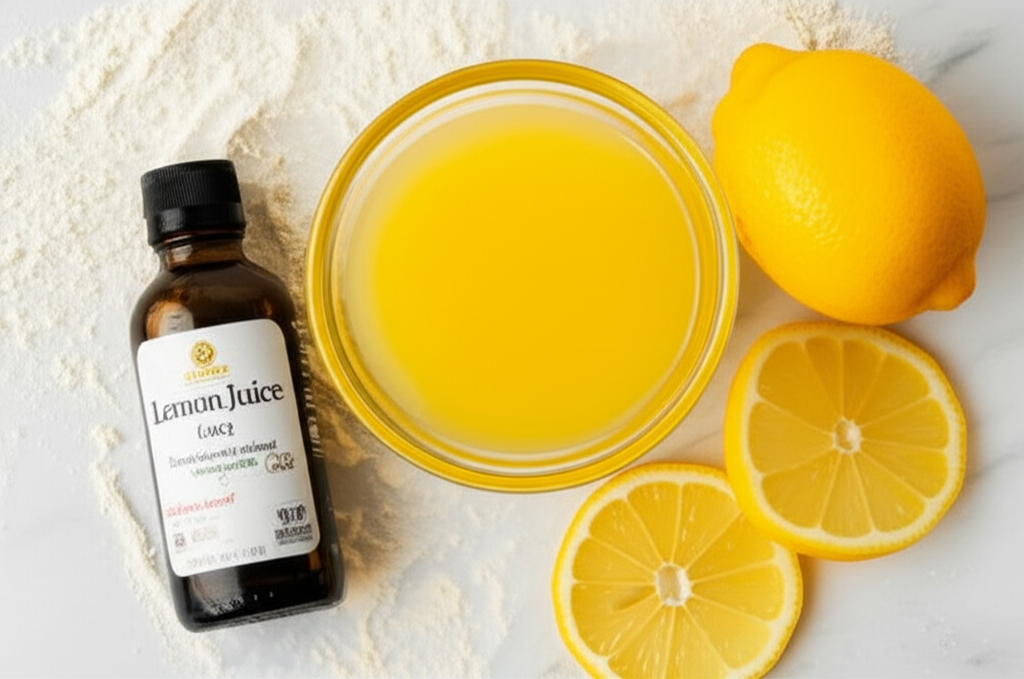
Yes, you can often use fresh lemon juice instead of lemon extract in recipes, but be prepared for a milder flavor and adjust accordingly. While they both offer lemon taste, extract is more concentrated.
Key Takeaways
- Substitute lemon juice for extract in a pinch.
- Expect a less intense lemon flavor.
- Adjust the amount for desired taste.
- Consider adding zest for extra aroma.
- Understand the differences in concentration.
- Lemon juice adds moisture, extract does not.
Can I Use Lemon Juice Instead of Lemon Extract? You Won’t Believe This!
Ever found yourself mid-recipe, reaching for that little bottle of lemon extract, only to discover it’s empty? It’s a common kitchen conundrum! Many home cooks wonder, “Can I use lemon juice instead of lemon extract?” The short answer is yes, but it’s not always a straightforward one-to-one swap. Understanding the differences between these two citrus powerhouses will help you achieve delicious results every time.
Lemon extract and fresh lemon juice both bring that bright, zesty flavor we love. However, they have distinct characteristics that affect how they perform in your cooking and baking. Let’s dive into what makes them different and how you can successfully make the switch.
Understanding Lemon Extract
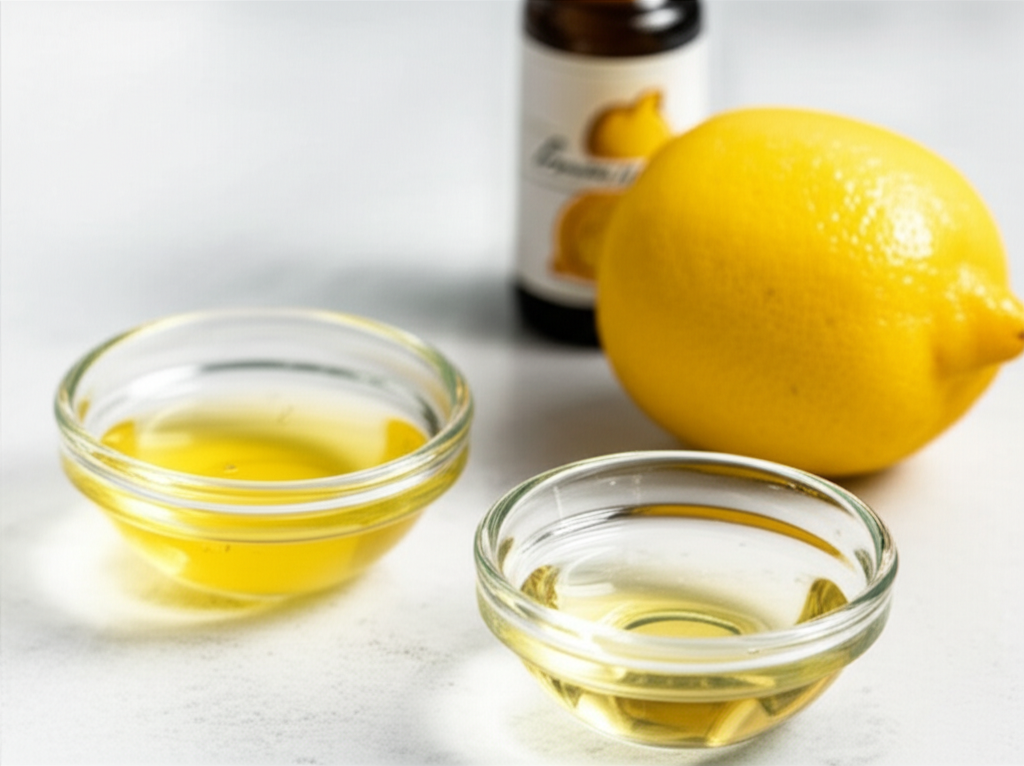
Lemon extract is a concentrated flavoring agent. It’s typically made by steeping lemon peel in alcohol or oil. This process pulls out the aromatic compounds, like limonene, which give lemon its distinct smell and taste. Because it’s concentrated, a little goes a long way.
The alcohol or oil base means that lemon extract doesn’t add any extra liquid to your recipe. This is particularly important in baking, where precise liquid measurements can affect the texture of your final product. Think of it as a flavor boost without altering the moisture content.
What Makes Lemon Extract So Potent?
The magic of lemon extract lies in its concentration. The volatile oils responsible for that vibrant lemon aroma are captured and intensified. This is why recipes often call for just a teaspoon or two of extract to flavor an entire batch of cookies or a cake.
The flavor profile of lemon extract is also generally more uniform and less acidic than fresh lemon juice. This can be beneficial when you want a consistent, bright lemon note without the tartness that can sometimes overpower other flavors.
Exploring Fresh Lemon Juice
Fresh lemon juice comes straight from the fruit. It’s packed with vitamin C and offers a complex flavor profile that includes tartness, a hint of sweetness, and those wonderful aromatic oils from the zest. Unlike extract, fresh lemon juice adds moisture and acidity to your dishes.
This added liquid and acidity can be a benefit in some recipes, like marinades or salad dressings, where they tenderize meat or emulsify ingredients. However, in delicate baked goods, too much extra liquid can lead to a gummy or dense texture.
The Nutritional Punch of Lemon Juice
Beyond flavor, fresh lemon juice is a fantastic source of Vitamin C, an antioxidant important for immune health. According to the National Institutes of Health Office of Dietary Supplements, Vitamin C plays a role in wound healing and helps the body absorb iron. While the amounts used in recipes might not drastically change your daily intake, it’s a nice bonus!
The acidity of lemon juice also plays a role in cooking. It can help tenderize proteins in marinades, brighten flavors in sauces, and even help prevent browning in fruits like apples and avocados.
Can You Substitute Lemon Juice for Lemon Extract?

The direct answer is: yes, but with important considerations. You can absolutely use fresh lemon juice when a recipe calls for lemon extract, but you’ll need to make some adjustments to get the best results.
The primary difference you’ll notice is the intensity of the lemon flavor. Lemon extract is much more concentrated than lemon juice. This means you’ll likely need to use more lemon juice to achieve a similar flavor impact. Also, remember that lemon juice will add liquid and acidity, which can affect your recipe’s outcome.
How to Make the Substitution Work
When substituting fresh lemon juice for lemon extract, follow these guidelines:
- Start with a Ratio: A common starting point is to use 1 tablespoon of fresh lemon juice for every 1/2 teaspoon of lemon extract called for. This is because lemon juice is much less concentrated.
- Consider the Zest: For an extra burst of lemon aroma that mimics extract, add some lemon zest. The zest contains the highly aromatic oils. About 1 teaspoon of finely grated lemon zest can add back some of that fragrant punch.
- Taste and Adjust: Always taste your batter or mixture (if safe to do so) and adjust the lemon juice and zest as needed. You might need more or less depending on the specific fruit and your preference.
- Account for Liquid: If you’re baking, be mindful of the extra liquid. If you’re adding a significant amount of lemon juice, you might consider slightly reducing other liquids in the recipe, like milk or water, by a teaspoon or two.
- Acidity Matters: Remember that lemon juice is acidic. This can be great for tenderizing or brightening, but in some sensitive recipes, it might affect how leavening agents like baking soda react.
When Lemon Juice is a Great Substitute (and When it’s Not)
Some recipes benefit more from the substitution than others. Let’s break it down:
Best Uses for Lemon Juice as a Substitute:
- Marinades: The acidity of lemon juice is perfect for tenderizing meats and poultry.
- Dressings and Sauces: It adds a fresh, bright flavor and helps emulsify ingredients.
- Beverages: For lemonades, iced teas, or smoothies, fresh juice is often preferred.
- Fruit Salads: It prevents browning and adds a refreshing tang.
- Recipes where moisture isn’t critical: If a recipe has plenty of other liquids, a little extra from lemon juice won’t hurt.
When to Be Cautious with Lemon Juice Substitution:
- Delicate Baked Goods: Cakes, meringues, and pastries where precise texture is key. The extra liquid and acidity can alter the crumb or structure.
- Frostings and Glazes: Unless you want a thinner consistency, too much liquid from lemon juice can make it runny.
- Recipes requiring intense, pure lemon flavor: If the recipe relies heavily on the concentrated punch of extract, fresh juice might not deliver the same intensity.
- When you need zero added liquid: If your recipe is already very wet, adding more liquid might be problematic.
Comparing Lemon Juice and Lemon Extract: A Quick Guide
To help visualize the differences, here’s a handy table:
| Feature | Lemon Extract | Fresh Lemon Juice |
|---|---|---|
| Source | Lemon peel steeped in alcohol/oil | Juice from the lemon fruit |
| Flavor Intensity | Very high (concentrated) | Moderate (less concentrated) |
| Added Liquid | None | Yes |
| Acidity | Low (primarily flavor oils) | High |
| Aroma | Strong, pure lemon oil aroma | Bright, fresh lemon aroma (includes zest oils) |
| Best For | Intense flavor boost, baking without added liquid | Marinades, dressings, beverages, fresh flavor |
| Substitution Ratio (approx.) | 1 tsp extract = 1 tbsp juice + zest | 1 tbsp juice + zest = 1 tsp extract |
Enhancing Lemon Flavor in Your Recipes
Whether you’re using fresh lemon juice or substituting, there are ways to maximize that wonderful citrusy taste:
Using Lemon Zest
Lemon zest is the colored outer layer of the lemon peel. It’s where many of the aromatic oils, including limonene, are concentrated. Grating just the yellow part (avoiding the bitter white pith) and adding it to your recipes can significantly boost the lemon flavor and aroma. This is especially helpful when using lemon juice as a substitute for extract, as it brings back that fragrant quality.
Pro Tip: Zest Before Juicing!
Always zest your lemon before you juice it. It’s much easier to zest a whole lemon than a squeezed one. You can zest several lemons at once and freeze the zest in a small airtight container for later use in smoothies, baked goods, or even to add to your water.
Creating a “Lemon Infusion”
If you need a more concentrated lemon flavor and have a bit of time, you can create a simple lemon infusion. Gently warm a small amount of lemon juice with some lemon zest. Let it steep for about 15-30 minutes, then strain out the zest. This will give you a more potent lemon liquid than plain juice.
Recipes Where This Substitution Shines
Let’s look at a couple of scenarios where you might make this swap:
Scenario 1: Lemon Blueberry Smoothie
You’re making a refreshing lemon blueberry smoothie and the recipe calls for 1/2 teaspoon of lemon extract. You only have fresh lemons.
Your Substitution:
- Juice half a lemon (you’ll likely get more than 1/2 teaspoon, which is fine).
- Zest about half a teaspoon of the lemon peel.
- Add the juice and zest to your blender with your blueberries, yogurt, and liquid.
The result will be a smoothie with a bright, fresh, and slightly less intense lemon flavor, which is often perfect for a morning drink!
Scenario 2: Lemon Drizzle Cake
A recipe for a classic lemon drizzle cake calls for 1 teaspoon of lemon extract in the cake batter and 1 tablespoon in the drizzle. You need to substitute.
Your Substitution:
- For the batter: Use about 1.5 teaspoons of fresh lemon juice and add about 1/4 teaspoon of finely grated lemon zest.
- For the drizzle: Use about 1.5 tablespoons of fresh lemon juice and add about 1/2 teaspoon of finely grated lemon zest.
For the drizzle, you might want to slightly reduce the amount of powdered sugar or other liquid to account for the extra liquid from the juice, ensuring a thick but pourable consistency.
FAQs About Using Lemon Juice Instead of Extract
Q1: How much fresh lemon juice should I use to replace lemon extract?
A1: As a general rule, use about 1 tablespoon of fresh lemon juice for every 1/2 teaspoon of lemon extract. You may also want to add lemon zest for extra aroma.
Q2: Will using lemon juice make my baked goods taste sour?
A2: Fresh lemon juice is acidic and will add tartness. However, when used in moderation and balanced with other flavors, it provides a pleasant brightness rather than an overwhelming sourness. The zest also helps balance the tartness with aromatic oils.
Q3: Can I use bottled lemon juice instead of fresh lemon juice if I don’t have extract?
A3: Yes, you can use bottled lemon juice as a substitute for extract, following the same ratio (1 tbsp bottled juice per 1/2 tsp extract). However, fresh lemon juice generally offers a brighter, more natural flavor than bottled versions.
Q4: What happens if I just use the same amount of lemon juice as extract?
A4: If you use the same amount, the lemon flavor will be much weaker, and you’ll be adding a significant amount of extra liquid and acidity to your recipe, which could negatively affect the texture, especially in baking.
Q5: Is lemon extract healthy?
A5: Lemon extract is used in very small quantities primarily for flavor. While it doesn’t offer significant nutritional benefits like fresh lemon juice (e.g., Vitamin C), it’s generally considered safe for consumption as a flavoring agent in typical amounts.
Q6: Can I use lemon extract in place of lemon juice in salad dressings?
A6: While you can add lemon extract for flavor, it won’t provide the acidity needed to help emulsify the dressing or tenderize ingredients like fresh lemon juice does. It’s best to use fresh or bottled lemon juice for dressings.
Conclusion
So, can you use lemon juice instead of lemon extract? Absolutely! It’s a practical solution for those times when your pantry is missing that concentrated flavor booster. Remember to adjust the quantities, add zest for aroma, and be mindful of the extra liquid and acidity. With these simple tips, you can confidently navigate recipe substitutions and continue creating delicious, citrus-infused dishes. Embrace the flexibility in your kitchen and enjoy the bright taste of lemon, no matter how you achieve it!
smartblander.com is a participant in the Amazon Services LLC Associates Program, an affiliate advertising program. As an Amazon Associate, we earn from qualifying purchases made through our links.
