

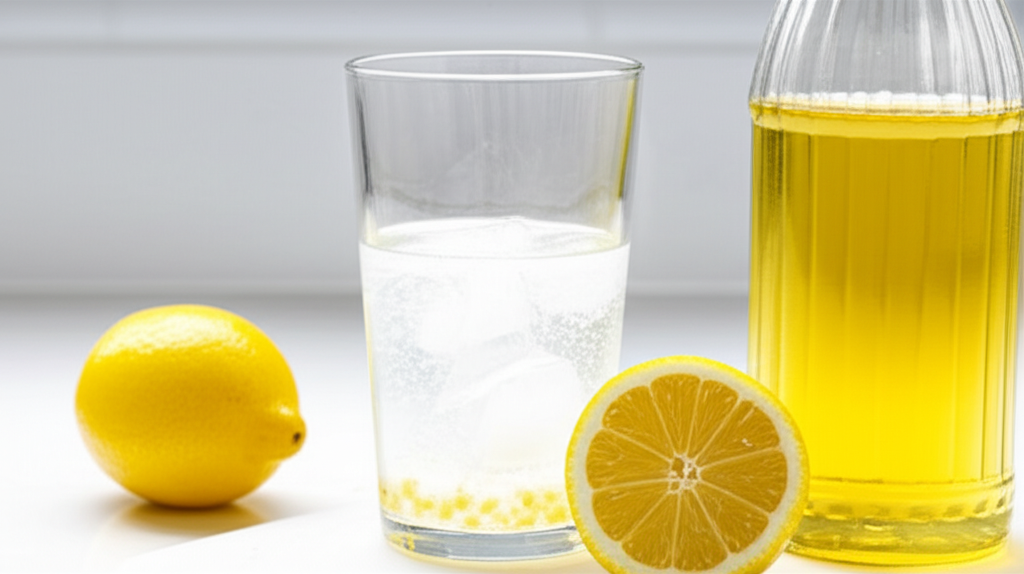
Yes, you can absolutely use bottled lemon juice to make lemon water. It’s a convenient and quick way to enjoy a refreshing drink. While fresh lemons offer the brightest flavor, bottled juice is a perfectly acceptable substitute for making simple lemon water, especially for beginners.
Key Takeaways
- Bottle lemon juice is a convenient substitute.
- Enjoy a quick glass of lemon water anytime.
- Taste may differ slightly from fresh lemons.
- Check for added ingredients in bottled juice.
- Lemon water offers hydration benefits.
- Experiment to find your preferred taste.
Making lemon water is one of the simplest ways to add a little zest to your daily hydration. You might be standing in your kitchen, craving that bright, refreshing taste, and wondering about the ingredients you have on hand. Specifically, the question often arises: can I use bottled lemon juice to make lemon water? It’s a common query for those new to simple kitchen hacks and healthy drink recipes. The good news is, you absolutely can! This guide will walk you through why it works, what to look for, and how to get the most out of it. Let’s dive in and demystify this easy hydration solution.
The Quick Answer: Bottled Lemon Juice for Lemon Water
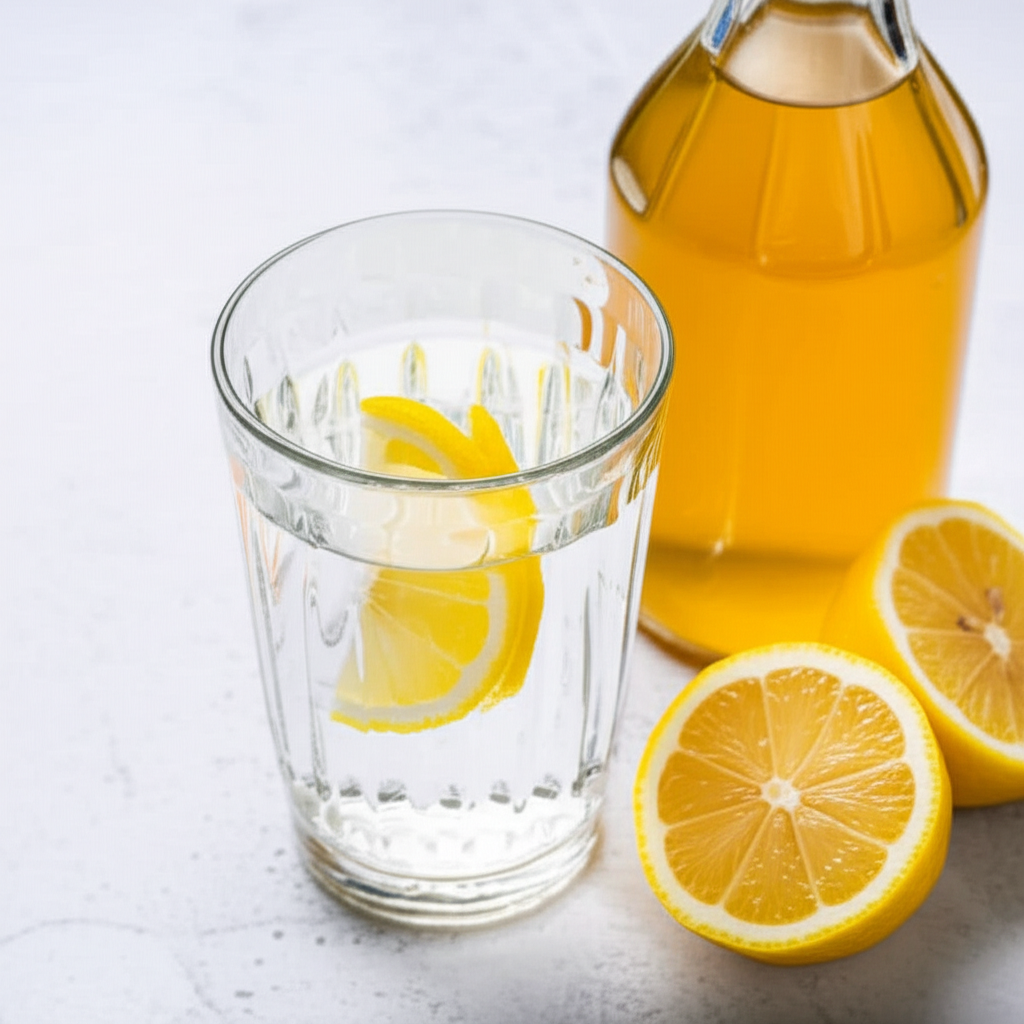
The short and sweet answer is a resounding yes! You can definitely use bottled lemon juice to make lemon water. It’s a fantastic shortcut when you don’t have fresh lemons readily available or when you need a quick and easy way to flavor your water. Bottled lemon juice is processed to retain much of the flavor and acidity of fresh lemons, making it a practical choice for this purpose.
Understanding Bottled Lemon Juice
Before you start pouring, it’s helpful to understand what bottled lemon juice is and how it’s made. Most commercial bottled lemon juices are made from concentrated lemon juice that has been rehydrated with water. This process helps to preserve the juice and extend its shelf life. While it might not have the exact same vibrant, fresh aroma and nuanced flavor profile as a freshly squeezed lemon, it still provides that essential tartness and citrusy punch that defines lemon water.
What to Look For in Bottled Lemon Juice
Not all bottled lemon juices are created equal. To get the best flavor and avoid unwanted additives, here’s what to keep an eye out for:
- 100% Lemon Juice: This is the most important factor. Look for labels that clearly state “100% Lemon Juice” or “Made from Concentrate.”
- No Added Sugars: Many people prefer their lemon water unsweetened. Avoid brands that list sugar or high-fructose corn syrup as an ingredient.
- No Artificial Colors or Flavors: For the purest taste and health benefits, opt for brands that are free from artificial additives.
- Preservatives: Some brands may use preservatives like sodium benzoate. While generally safe, if you’re aiming for the most natural option, you might want to find a brand without them or use it within a reasonable timeframe after opening.
A quick check of the ingredients list will tell you a lot. For instance, a typical pure bottled lemon juice might simply list “lemon juice from concentrate.” If you see a long list of unfamiliar chemical names, it might be best to choose a different brand or, if possible, opt for fresh lemons.
Comparing Bottled vs. Fresh Lemon Juice for Water
It’s natural to wonder how bottled stacks up against the real deal. Here’s a simple comparison:
| Feature | Fresh Lemon Juice | Bottled Lemon Juice |
|---|---|---|
| Flavor Profile | Bright, zesty, complex, with natural oils and fresh aroma. | Tart, predominantly acidic, less aromatic, can sometimes have a slightly metallic or “cooked” note. |
| Convenience | Requires squeezing; can be time-consuming if making large batches. | Ready to pour; extremely convenient for quick use. |
| Shelf Life | Short; best used within a few days. | Long shelf life in the pantry; shorter once opened and refrigerated. |
| Nutrient Content | Contains natural vitamin C, antioxidants, and beneficial plant compounds. | Nutrient content can be reduced during processing, though vitamin C is often added back. |
| Cost | Can be more expensive depending on the season and location. | Often more cost-effective per serving, especially when fresh lemons are pricey. |
| Versatility | Excellent for garnishes, zest, and recipes where fresh lemon flavor is paramount. | Ideal for drinks, dressings, marinades, and baking where concentrated flavor is needed. |
As you can see, both have their advantages. For simple lemon water, the convenience of bottled juice often outweighs the subtle differences in flavor for many people.
How to Make Lemon Water with Bottled Juice: A Simple Guide
Ready to make your first glass? It couldn’t be easier. This method is perfect for beginners and takes mere moments.
Step-by-Step: Quick Lemon Water
- Gather Your Ingredients: You’ll need a glass of water (cold or room temperature), and your chosen bottled lemon juice.
- Pour the Water: Fill your glass with the desired amount of water.
- Add Bottled Lemon Juice: Start with about 1-2 tablespoons of bottled lemon juice per 8 ounces (about 240 ml) of water.
- Stir: Mix the water and lemon juice thoroughly.
- Taste and Adjust: Take a sip. Is it tart enough? Too tart? Add more water or more lemon juice until it’s just right for your palate.
- Enjoy! Your refreshing lemon water is ready.
This basic recipe is your starting point. Feel free to adjust the ratio of lemon juice to water to suit your personal taste preferences. Some people like a subtle hint of lemon, while others prefer a more pronounced tartness.
Enhancing Your Bottled Lemon Water
While plain lemon water is wonderfully refreshing, there are many ways to elevate it using bottled lemon juice:
Adding Natural Sweeteners
If you find the tartness a bit too intense, or simply prefer a touch of sweetness, consider these natural options:
- Honey: A classic pairing. Stir in a teaspoon of honey until dissolved.
- Maple Syrup: Adds a different kind of sweetness and a subtle flavor note.
- Agave Nectar: A vegan-friendly sweetener that dissolves easily.
- Stevia or Monk Fruit: Natural zero-calorie sweeteners for those watching their sugar intake.
Remember to add sweeteners sparingly and taste as you go. The goal is to complement the lemon, not overpower it.
Incorporating Other Flavors
Bottled lemon juice is a versatile base for more complex beverages. Try these additions:
- Mint Leaves: Muddle a few fresh mint leaves at the bottom of your glass before adding water and lemon juice.
- Ginger: A thin slice of fresh ginger can add a warming kick.
- Cucumber: Slices of cucumber make for a spa-like, cooling drink.
- Berries: A few muddled berries (like raspberries or blueberries) can add color and a hint of fruity sweetness.
- Herbs: Experiment with sprigs of rosemary or basil for an unusual twist.
These additions can transform your simple lemon water into a gourmet beverage. For example, combining bottled lemon juice, water, muddled mint, and a touch of agave creates a quick and delicious mocktail.
Carbonation for Fizz
Want a sparkling treat? Simply substitute still water with sparkling water or club soda. The fizz adds an extra layer of refreshment that pairs beautifully with the tartness of lemon.
How to make Sparkling Lemon Water:
- Fill a glass with ice.
- Add 1-2 tablespoons of bottled lemon juice.
- Top with sparkling water or club soda.
- Stir gently to combine.
- Add any desired sweeteners or flavorings.
This is a fantastic alternative to sugary sodas and is incredibly easy to whip up.
Nutritional Considerations
Lemon water, whether made with fresh or bottled juice, is primarily a source of hydration. Lemons themselves are known for their vitamin C content, which is an important antioxidant. While some vitamin C may be lost in the processing of bottled juice, many brands fortify their products with added vitamin C. You can check the nutrition label for specifics.
According to the National Institutes of Health Office of Dietary Supplements, vitamin C plays a vital role in immune function, collagen synthesis, and wound healing. While a glass of lemon water won’t replace a balanced diet, it can contribute to your daily intake of this essential nutrient.
The primary benefit of lemon water is its ability to encourage increased fluid intake. Staying properly hydrated is crucial for overall health, impacting everything from energy levels and cognitive function to skin health and digestion.
Storage and Shelf Life of Bottled Lemon Juice
One of the major advantages of bottled lemon juice is its extended shelf life. Unopened bottles can typically be stored in a cool, dark pantry for several months, often past their printed expiration date if stored properly. Check the packaging for specific recommendations.
Once opened, however, the clock starts ticking. To maintain its quality and prevent spoilage, you should refrigerate bottled lemon juice immediately after opening. Most brands recommend consuming the opened juice within a certain period, usually ranging from 30 to 90 days. Always refer to the product label for the most accurate storage instructions.
Signs of Spoilage:
- Off smell: A sour, fermented, or unpleasant odor.
- Cloudiness or discoloration: If the juice becomes unusually cloudy or changes color significantly.
- Mold: Any visible signs of mold growth.
If you notice any of these signs, it’s best to discard the juice to avoid potential health risks.
Pro Tips for Using Bottled Lemon Juice
Here are a few extra tips to make your lemon water experience even better:
- Chill Your Water: Starting with cold water makes for a more instantly refreshing drink.
- Use a Reusable Bottle: Mix your lemon water in a reusable water bottle and take it with you on the go.
- Don’t Overdo It: While lemon water is healthy, excessive amounts of acid can potentially erode tooth enamel. It’s a good practice to drink it in moderation and consider rinsing your mouth with plain water afterward. You can learn more about protecting your teeth from acidic foods and drinks from resources like the American Dental Association.
- Experiment with Temperature: While most people prefer cold lemon water, warm lemon water can be soothing, especially in the morning.
Frequently Asked Questions (FAQ)
Can I use bottled lemon juice in recipes that call for fresh lemon juice?
Yes, in many cases, you can substitute bottled lemon juice for fresh. However, be aware that the flavor profile will be different. For recipes where the bright, fresh zest and aroma of lemon are crucial (like certain delicate desserts or marinades), fresh lemon juice is usually preferred. For simpler applications like dressings, marinades, or baked goods where the acidity is key, bottled juice often works just fine.
Does bottled lemon juice have the same health benefits as fresh lemon juice?
Bottled lemon juice retains some of the nutritional benefits, particularly acidity and flavor. However, the processing can reduce the natural vitamin C content. Many brands add vitamin C back into the juice. For the full spectrum of natural antioxidants and volatile oils found in fresh lemons, fresh juice is superior. But for general hydration and a dose of acidity, bottled is a good option.
How much bottled lemon juice should I use for lemon water?
A good starting point is 1 to 2 tablespoons of bottled lemon juice per 8 ounces (about 240 ml) of water. You can then adjust the amount to your personal taste. It’s always best to start with less and add more if needed.
Will bottled lemon juice make my lemon water taste artificial?
Some brands of bottled lemon juice can have a slightly less vibrant or more concentrated “processed” taste compared to fresh lemons. Choosing a high-quality brand that is 100% lemon juice with no added sugars or artificial flavors will minimize any artificial taste.
How long does opened bottled lemon juice last in the refrigerator?
Once opened, bottled lemon juice should be refrigerated and typically lasts for about 30 to 90 days. Always check the product label for specific recommendations, as this can vary by brand and any preservatives used.
Can I use bottled lemon juice if I’m trying to detox or cleanse?
While “detox” diets are often not scientifically supported, lemon water itself is a great way to increase hydration. Bottled lemon juice can be used for this purpose. However, for the most natural approach, many proponents of lemon water for cleansing prefer using fresh lemons.
Is there a difference in taste between brands of bottled lemon juice?
Yes, there can be a significant difference in taste between brands. Some are more concentrated, some have a stronger “cooked” flavor from the pasteurization process, and some may contain more preservatives. It might take trying a few different brands to find one you prefer for your lemon water.
Conclusion
So, to circle back to our initial question: can you use bottled lemon juice to make lemon water? The answer is a confident and enthusiastic yes! For busy individuals, beginners in the kitchen, or anyone seeking a quick and convenient way to add a citrusy twist to their water, bottled lemon juice is an excellent resource. While fresh lemons offer a unique vibrancy, bottled juice provides that essential tartness and flavor that makes lemon water so appealing. By choosing a quality product and adjusting to your taste, you can easily create a refreshing and hydrating beverage anytime, anywhere. Experiment with different ratios and additions, and enjoy the simple pleasure of your homemade lemon water!
smartblander.com is a participant in the Amazon Services LLC Associates Program, an affiliate advertising program. As an Amazon Associate, we earn from qualifying purchases made through our links.
