

Yes, you can sometimes use a mixer instead of a blender for certain tasks, but it’s not a direct swap. A stand mixer or hand mixer is best for whipping, creaming, and incorporating air, while a blender excels at liquefying, pureeing, and creating smooth textures. Understanding their differences is key to choosing the right tool for your recipe.
Key Takeaways
- Mixers excel at aeration and emulsification.
- Blenders are designed for liquefying and pureeing.
- Certain recipes can be adapted for mixers.
- Smoothies and pureed soups are best for blenders.
- Achieve whipped textures with a mixer.
- Consider the desired final consistency.
Can I Use A Mixer Instead Of A Blender: Surprising Truths for Your Kitchen
Have you ever stood in your kitchen, recipe in hand, only to realize your blender is in the dishwasher or, worse, you don’t own one? It’s a common kitchen dilemma! You might be wondering, “Can I use a mixer instead of a blender?” This question pops up when you’re dreaming of a silky smooth smoothie but only have a trusty stand mixer or a handy hand mixer available. It’s a valid question because both appliances involve rotating blades or beaters. However, their functions are quite different. Understanding these differences will help you avoid kitchen mishaps and achieve the results you desire, whether you’re whipping cream or trying to make a quick sauce. Let’s dive into the surprising truths about using a mixer when a blender is called for, and vice versa.
Understanding Your Kitchen Appliances: Mixer vs. Blender
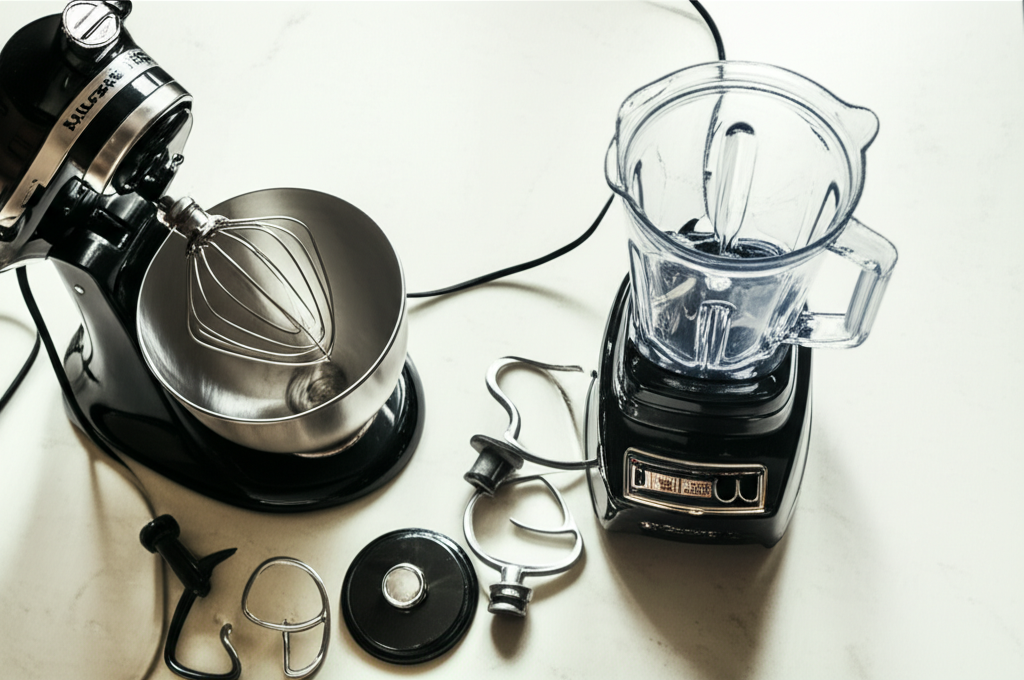
Before we explore substitutions, it’s crucial to understand what each appliance is designed to do. This will clarify why one can’t always replace the other and when a clever workaround might just save the day.
The Mighty Mixer: What It Does Best
Mixers, whether they are hand mixers or stand mixers, are primarily designed for incorporating air into ingredients and combining them thoroughly. Their attachments, like whisks and beaters, are engineered to:
- Whip: Think egg whites for meringues or heavy cream for whipped cream. The rapid movement introduces air, making the mixture light and fluffy.
- Cream: This involves beating butter and sugar together until light and airy, a crucial step in many cake and cookie recipes.
- Combine and Blend (Lightly): They can mix dry ingredients, wet ingredients, or lightly combine them. However, they don’t break down solid ingredients into a liquid.
- Emulsify: They can help create stable emulsions, like in mayonnaise, by slowly incorporating oil into other ingredients.
The key here is that mixers work with ingredients that are already relatively soft or liquid. They are not designed to pulverize ice, seeds, or tough fruits and vegetables.
The Powerful Blender: Its Core Functions
Blenders, on the other hand, are built for one main purpose: to liquefy and homogenize ingredients. Their sharp, fast-spinning blades create a vortex that pulls ingredients down to be chopped, blended, and pureed into a smooth consistency. Blenders excel at:
- Liquefying: Turning solid fruits and vegetables into smooth liquids for smoothies and juices.
- Pureeing: Creating smooth textures for soups, sauces, baby food, and dips like hummus.
- Crushing Ice: Many blenders can effectively crush ice for frozen drinks.
- Grinding (with specific settings/blades): Some high-powered blenders can grind nuts, seeds, or coffee beans.
The fundamental difference lies in the action: mixers incorporate and aerate, while blenders pulverize and liquefy. This distinction is vital when considering substitutions.
Can You Really Use a Mixer Instead of a Blender? The Short Answer
For tasks where you need a smooth, liquid consistency, like a classic fruit smoothie, a creamy soup, or a pureed sauce, the answer is generally no, you cannot effectively use a mixer instead of a blender. A mixer simply doesn’t have the power or the blade design to break down solid ingredients into a smooth liquid. You’ll end up with chunky, unappetizing results.
However, there are a few specific scenarios where a mixer might come close or can be used in conjunction with other methods:
- Making a very simple, soft fruit puree: If you’re using extremely soft fruits like ripe bananas or cooked apples, and you don’t mind a slightly textured result, a hand mixer might break them down somewhat. It won’t be as smooth as a blender, but it might be palatable for certain uses.
- Lightly mixing ingredients for a drink: If you’re making a simple cocktail or a protein shake with pre-dissolved powders and soft fruits, a hand mixer can help combine them. Again, don’t expect a perfectly smooth texture.
- Thickening sauces or gravies: While a blender can be used to make smooth sauces, a mixer is often used to incorporate thickeners like flour or cornstarch into hot liquids without creating lumps. This is a different goal than blending.
In essence, if your goal is to achieve a smooth, drinkable, or pourable consistency from solid ingredients, a blender is your best friend. A mixer will not achieve this.
When a Mixer Might Work (and What to Expect)
Let’s explore the edge cases where a mixer might be considered, with realistic expectations.
Soft Fruit “Mash” vs. Smoothie
Imagine you have a very ripe banana and a splash of milk. Can you use a hand mixer? You can certainly mash the banana and incorporate the milk. You’ll get a slightly textured, banana-flavored liquid. It will be drinkable, but it won’t have the velvety smoothness of a banana smoothie made in a blender. The banana fibers will remain, and you’ll likely have small lumps.
What to expect: A lumpy, textured, semi-liquid consistency. It’s more of a “fruit mash” than a smoothie. This might be acceptable for a very young child or if you don’t mind the texture, but it’s far from a blender’s result.
Simple Powdered Drinks
If you’re mixing a protein powder or instant coffee into water or milk, and you want to ensure no clumps, a hand mixer can be quite effective. The whisk attachment is particularly good at dissolving powders and creating a frothy texture. This is a case where a mixer performs a similar combining function to a blender, but without the need for liquefying solids.
What to expect: A well-combined, potentially frothy drink. This works well because you’re not trying to break down solid ingredients, just dissolve them.
Incorporating Ingredients into Batters
While not a direct blender substitute, mixers are essential for batters. If a recipe calls for blending some ingredients into a batter (like pureed fruit for muffins), you’d typically make the puree in a blender first, then add it to your mixer. Trying to “blend” the fruit with the mixer directly would likely result in uneven incorporation and chunks.
When a Blender is Essential (And a Mixer Fails)
Now, let’s look at the recipes where a mixer simply cannot replicate the blender’s performance.
Smoothies and Juices
This is the most obvious category. Blenders are designed to pulverize fruits, vegetables, ice, and seeds into a smooth, drinkable liquid. A mixer’s beaters will just push these ingredients around, potentially mashing them slightly but never breaking them down into the fine particles required for a smooth smoothie. You’ll end up with large chunks of fruit and pulp.
For example, a green smoothie typically contains leafy greens like spinach or kale, which need to be finely chopped and blended. A mixer cannot do this. Even a powerful stand mixer with a whisk attachment would struggle immensely and likely overheat before achieving any sort of smooth consistency. You can learn more about the science behind smoothies and how blenders work their magic on sites like Oregon State University Extension.
Pureed Soups and Sauces
Creamy tomato soup, smooth butternut squash soup, or a silky hollandaise sauce all rely on the blender’s ability to create a uniform, lump-free texture. A mixer might emulsify some sauces, but it won’t achieve the fine puree needed for soups. You’d end up with a chunky soup that requires significant chewing, not sipping.
Nut Butters and Dips
Making homemade nut butter or smooth hummus requires the sustained power of a blender to break down nuts or chickpeas into a paste. A mixer would likely just create a mess, pushing the ingredients up the sides of the bowl without ever achieving the desired creamy consistency.
Ice Crushing
Frozen cocktails and slushies often require crushed ice. Blenders, especially those with “ice crush” settings, are built for this. A mixer’s beaters are not designed to break solid ice and could be damaged.
Comparing Mixer and Blender Capabilities: A Table
To visualize the differences, let’s compare their primary functions and suitability for common kitchen tasks.
| Task | Best Tool | Can Mixer Substitute? | Why? |
|---|---|---|---|
| Making Smoothies | Blender | No | Blender pulverizes ingredients; mixer only combines/muddles. |
| Pureeing Soups | Blender | No | Blender creates smooth liquid; mixer leaves chunks. |
| Whipping Cream | Mixer (Hand or Stand) | No (for this task) | Mixer incorporates air; blender liquefies. |
| Creaming Butter & Sugar | Mixer (Hand or Stand) | No (for this task) | Mixer aerates; blender pulverizes. |
| Making Nut Butter | High-Powered Blender | No | Blender’s sustained power breaks down nuts; mixer cannot. |
| Mixing Cake Batter | Mixer (Hand or Stand) | No (for this task) | Mixer combines ingredients for texture; blender would over-process. |
| Dissolving Powders (e.g., protein shake) | Hand Mixer (whisk attachment) or Blender | Yes (for simple powders) | Both can effectively combine liquids and powders. |
| Making Hummus | Blender or Food Processor | No | Requires sustained power to create a smooth paste. |
Can I Use a Hand Mixer Instead of a Blender? Specific Scenarios
A hand mixer is a more portable option, but its limitations are similar to a stand mixer when it comes to replacing a blender. It’s designed for lighter tasks and often involves whisking or beating.
When a Hand Mixer Might Be a “Helper”
- Simple Fruit Drinks: As mentioned, for very ripe, soft fruits (like mashed berries or banana) mixed with liquid, a hand mixer can create a somewhat blended consistency. You’ll need to scrape down the sides frequently.
- Frothing Milk: If you have a whisk attachment, a hand mixer can froth milk for lattes or cappuccinos, a task a blender cannot do.
- Quick Sauces: For making a simple pan sauce and incorporating a slurry of cornstarch or flour, a hand mixer can help prevent lumps.
Limitations of a Hand Mixer
A hand mixer’s motor is less powerful than most blenders. Its beaters are not sharp and are designed to move ingredients around, not chop them. Therefore, it cannot:
- Crush ice.
- Puree fibrous vegetables like kale or celery.
- Create a smooth, lump-free soup.
- Make nut butter or hummus.
Using a hand mixer for tasks meant for a blender will likely result in a frustrating, chunky, and unappetizing outcome.
Can I Use a Stand Mixer Instead of a Blender?
A stand mixer is a powerhouse for baking and doughs, but its function is still primarily mixing, kneading, and whipping. The motor is more robust, but the attachments remain the same in principle: beaters, dough hooks, and whisks.
Stand Mixer’s Strengths (Not Blender Strengths)
- Kneading Dough: Essential for bread making.
- Whipping Large Batches: Perfect for meringue or large quantities of whipped cream.
- Mixing Heavy Batters: Ideal for cake batters and cookie dough.
Why a Stand Mixer Fails as a Blender
Even with its power, a stand mixer’s attachments are not designed to pulverize. The large beaters will simply push ingredients around the bowl. If you try to make a smoothie, you’ll end up with chunks of fruit and liquid sloshing around. The blades aren’t sharp enough to chop effectively, and the motor’s action isn’t designed to create the vortex needed for liquefaction.
Some advanced stand mixers offer attachments like pasta makers or grinders, but a dedicated blending attachment is not standard and wouldn’t function like a true blender.
Pro Tips for Kitchen Substitutions
When you find yourself in a pinch, remember these tips for making the best of your situation:
- Assess the Goal: What is the final texture you need? If it’s smooth and liquid, a mixer won’t work. If it’s just about combining, a mixer might be okay.
- Consider Ingredients: Are they soft and ripe, or hard and fibrous? Soft ingredients are more amenable to partial breakdown by a mixer.
- Embrace Texture: If you must use a mixer for a task requiring blending, accept that the result will be textured and chunky.
- Pre-chop Finely: If using a mixer for soft ingredients, chop them as finely as possible beforehand to give the mixer a head start.
- Use the Right Attachment: For simple liquid combining with powders, a whisk attachment on a hand mixer is often best.
- When in Doubt, Don’t: For critical recipes where smoothness is key (like a delicate sauce or a perfect smoothie), it’s often better to wait until you have the right tool.
Alternative Methods When You Don’t Have a Blender
If you’re craving a smoothie or puree but lack a blender, don’t despair! Here are a few manual and alternative methods:
- Food Processor: A food processor is often a good substitute for a blender, especially for thicker items like hummus or pesto. For smoother liquids, it might require more scraping and processing time.
- Immersion Blender (Stick Blender): These are excellent for pureeing soups directly in the pot or making small batches of sauces and dips. They are not ideal for crushing ice or making thick nut butters. You can find reliable information on their usage from sites like Food Network.
- Mortar and Pestle: For small amounts of herbs, spices, or making pastes, a mortar and pestle is a traditional and effective tool. It won’t create a liquid, but it can grind and mash.
- Mashing with a Fork or Potato Masher: For very soft fruits and vegetables, a fork or potato masher can create a coarse puree. This is best for baby food or rustic-style preparations where texture is welcome.
- Sieve/Strainer: After cooking soft fruits or vegetables, you can press them through a fine-mesh sieve to achieve a smoother consistency, though it’s labor-intensive.
Citrus-Forward Recipes You Can Make Without a Blender
As a fan of citrus, I know how versatile these bright ingredients are! Fortunately, many delicious citrus-based recipes don’t require a blender at all.
Lemon Curd
This rich, tangy custard is made on the stovetop. You’ll whisk eggs, sugar, lemon juice, and zest, then cook gently until thickened. A mixer can help with initial combining, but the cooking and thickening process is stovetop-based.
Orange Vinaigrette
Whisk together fresh orange juice, olive oil, vinegar, Dijon mustard, and seasonings. A hand mixer with a whisk attachment can help emulsify this beautifully, creating a light and fluffy dressing. A simple whisk works too!
Candied Orange Peel
This involves boiling, simmering, and coating orange peels in sugar. No blending required! It’s a wonderful way to use the entire citrus fruit.
Citrus Marinades
The juice from oranges, lemons, or limes is fantastic for tenderizing meats and adding flavor. Simply whisk the citrus juice with herbs, spices, and oil. A hand mixer can help create a more homogenous marinade if you’re using ingredients like mustard.
These recipes highlight how you can still create wonderful, fresh flavors and textures in the kitchen without relying on a blender.
Frequently Asked Questions
Q1: Can I make a smoothie with a hand mixer?
A1: You can make a very chunky, textured “fruit mash” with a hand mixer if you use very ripe, soft fruits like bananas. However, it will not achieve the smooth, drinkable consistency of a true smoothie. For smoothies, a blender is essential.
Q2: Will a stand mixer break down ice?
A2: No, a stand mixer is not designed to break down ice. Its attachments are for mixing, whipping, and kneading. Attempting to crush ice with a stand mixer could damage the motor or attachments.
Q3: What can I use if I don’t have a blender for a smooth soup?
A3: An immersion blender (stick blender) is an excellent alternative for pureeing soups directly in the pot. A food processor can also work, though it might require more processing time and scraping. For a very rustic texture, you could try mashing cooked vegetables thoroughly.
Q4: Can I use a mixer to make mayonnaise?
A4: Yes, a hand mixer or stand mixer with a whisk attachment is often used to make mayonnaise. The key is to slowly drizzle in the oil while the mixer is running on a low to medium speed. This helps create a stable emulsion.
Q5: My recipe calls for blending, but I only have a mixer. What should I do?
A5: Assess the ingredients. If they are very soft (like cooked apples or ripe bananas) and you don’t mind a textured result, a mixer might partially break them down. For most recipes requiring true blending (like smoothies, purees, or sauces), a mixer will not provide the desired smooth consistency. Consider using an alternative method like a food processor or an immersion blender if available.
Q6: Is it possible to make nut butter with a mixer?
A6: No, it is not possible to make nut butter with a standard mixer (hand or stand). Nut butter requires the sustained high-powered grinding and processing of a high-speed blender or a food processor to break down the nuts into a smooth paste.
Conclusion
So, can you use a mixer instead of a blender? The surprising truth is that while both are essential kitchen tools, they serve distinct purposes. A mixer is your go-to for incorporating air, creating fluffy textures, and combining ingredients for baking and batters. A blender, with its powerful blades, is designed to pulverize, liquefy, and create smooth, uniform consistencies for smoothies, soups, and sauces. While there might be a few niche situations where a mixer can assist with very soft ingredients, it simply cannot replicate the fine, smooth results a blender provides for tasks like making smoothies or pureeing. Understanding these differences will help you choose the right appliance for the job, ensuring your culinary creations turn out exactly as you envision them. Don’t let a missing appliance stop you; sometimes a little creativity with alternative methods can save the day!
smartblander.com is a participant in the Amazon Services LLC Associates Program, an affiliate advertising program. As an Amazon Associate, we earn from qualifying purchases made through our links.
