

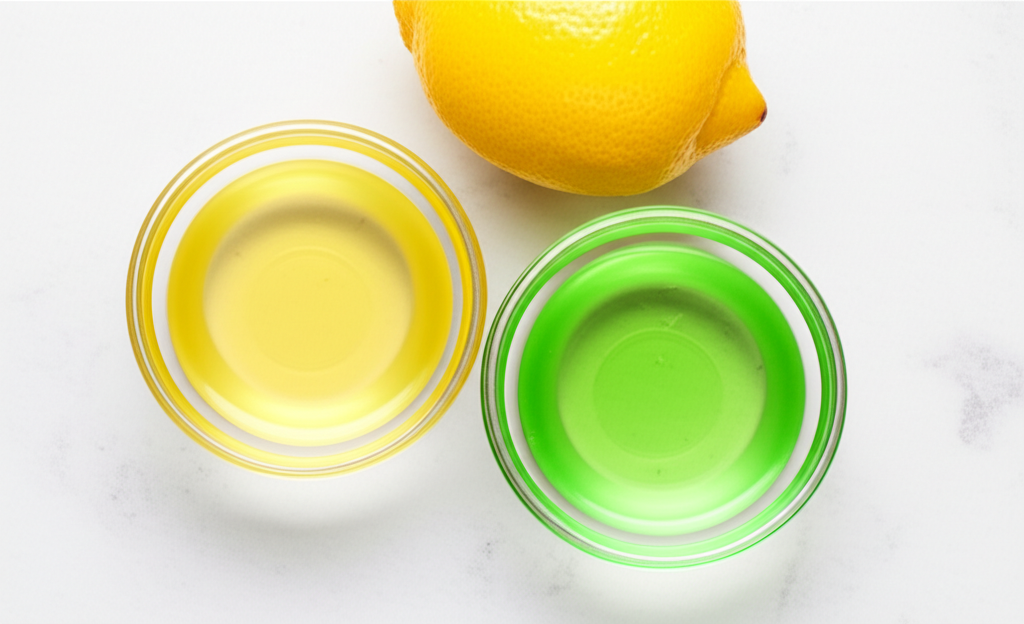
Yes, you can often substitute lemon juice for lime juice, but the taste will be noticeably different. Lemons are sweeter and less tart than limes, affecting the final flavor profile of your recipes. A taste test reveals subtle yet important distinctions.
Key Takeaways
- Lemon juice is sweeter; lime juice is more tart and complex.
- Substitutions change the overall flavor of dishes and drinks.
- Consider the acidity and flavor notes when swapping.
- Start with smaller amounts when substituting.
- Taste and adjust as you go for best results.
- Both are excellent sources of Vitamin C.
Can I Substitute Lemon Juice For Lime Juice: A Delicious Taste Test
Ever found yourself mid-recipe, reaching for that bright, zesty juice, only to discover you’re out of limes? It’s a common kitchen predicament! Many home cooks wonder, “Can I substitute lemon juice for lime juice?” The short answer is yes, but the longer, more flavorful answer involves understanding their unique tastes and how they impact your creations. This guide will walk you through a simple taste test and explain when and how to make the switch, ensuring your smoothies, dressings, and drinks remain delicious.
We’ll explore the subtle differences between these beloved citrus fruits and help you feel confident in your kitchen decisions. Get ready to discover which juice shines in different scenarios!
Understanding the Citrus Cousins: Lemon vs. Lime
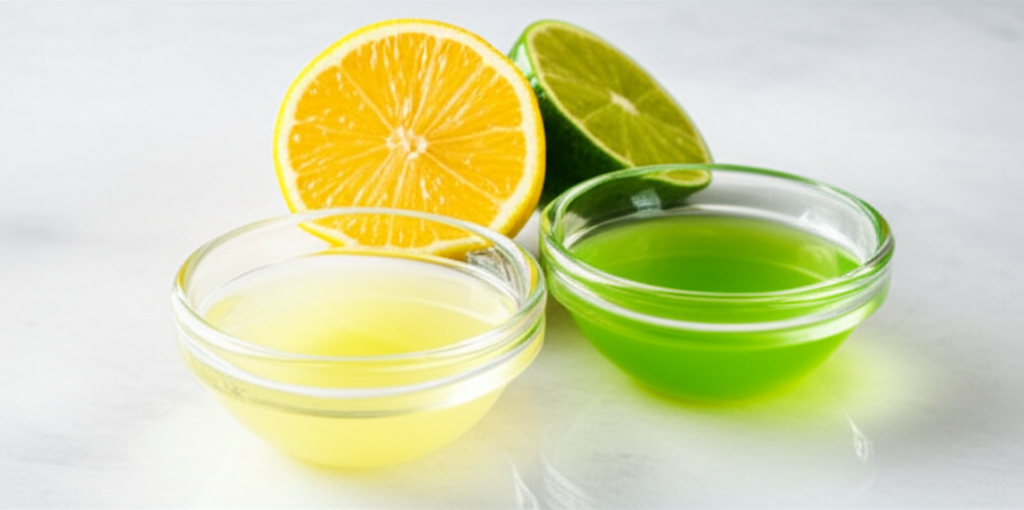
Lemons and limes are both fantastic sources of Vitamin C and add a bright, tangy punch to food and drinks. However, they are not interchangeable without consequence. Their distinct flavor profiles come from a different balance of acids and aromatic compounds.
Think of them as siblings: related, but with very different personalities. Lemons tend to be sweeter and have a more floral aroma, while limes are sharper, more bitter, and possess a more pungent, almost musky scent. This difference is crucial when you’re aiming for a specific taste in your culinary creations.
For instance, in a delicate fruit smoothie, the sweetness of lemon might be a welcome addition. But in a zesty guacamole or a classic margarita, the sharp, complex tang of lime is often essential to achieve the desired flavor profile. Understanding these nuances will help you make informed substitutions.
The Lemon vs. Lime Taste Test: What You’ll Need
To truly grasp the difference, a simple taste test is the best approach. It’s easy to do and will give you firsthand knowledge. Grab a few fresh fruits and let your taste buds do the work!
What You’ll Need:
- 1 fresh lemon
- 1 fresh lime
- A small knife
- A cutting board
- 2 small bowls or cups
- A spoon
- Water (for rinsing your palate)
How to Conduct the Taste Test:
- Prepare the Citrus: Wash both the lemon and the lime thoroughly. Cut each fruit in half.
- Juice Each Fruit: Squeeze the juice from one half of the lemon into one bowl. Squeeze the juice from one half of the lime into the other bowl. You don’t need a lot – about a tablespoon of each is perfect.
- Taste the Juices: Take a small sip of the lemon juice. Note its flavor. Is it bright? Sweet? Tangy? Then, rinse your mouth with a little water. Now, take a small sip of the lime juice. How does it compare? Is it more sour? Does it have a different kind of tang?
- Observe the Aroma: Before tasting, take a moment to smell each juice. Do you notice a difference in their fragrances?
This hands-on experiment will quickly highlight the core differences: lemon juice is generally perceived as more mellow and slightly sweeter, while lime juice is sharper, more acidic, and often has a more pronounced, complex zestiness.
Flavor Profile Breakdown: Lemon vs. Lime
Let’s break down the typical flavor profiles you’ll encounter. This will help you predict how a substitution might alter your favorite recipes.
Lemon Juice
- Primary Taste: Sour, with a noticeable sweetness.
- Aroma: Bright, floral, and clean.
- Acidity: High, but often perceived as less intense than lime.
- Common Uses: Lemonade, salad dressings, marinades (especially for fish and poultry), baked goods, tea, and as a flavor enhancer in many dishes.
Lime Juice
- Primary Taste: Tart, sour, with a distinct bitter undertone.
- Aroma: Pungent, zesty, slightly floral, and sometimes described as musky.
- Acidity: Very high, often perceived as more biting than lemon.
- Common Uses: Guacamole, marinades (especially for pork and chicken), cocktails (margaritas, mojitos), Thai and Mexican cuisine, curries, and desserts like key lime pie.
Notice the “bitter undertone” in lime juice? This is a key differentiator. While both are acidic, lime’s bitterness can add a layer of complexity that lemon’s sweetness doesn’t provide. This complexity is why lime is often preferred in certain savory dishes and beverages where a sharper, more intense citrus note is desired.
When Can You Substitute Lemon for Lime (and Vice Versa)?
The success of a substitution depends heavily on the recipe and your desired outcome. Here’s a guide to help you decide:
Good Substitutions (Lemon for Lime):
- When Sweetness is Welcome: In many fruit smoothies or fruit-forward desserts, lemon’s sweetness can complement the other flavors without being overpowering.
- In Baked Goods: If a recipe calls for lime zest and juice, lemon zest and juice can often work, especially if the recipe already contains sugar or other sweet elements. The final flavor will be less “limey” but still pleasantly citrusy.
- For General Brightness: If you just need a general acidic lift in a dish and the specific lime flavor isn’t critical, lemon juice can do the job. Think of adding a splash to cooked vegetables or a simple vinaigrette.
Good Substitutions (Lime for Lemon):
- When a Sharper Tang is Needed: In recipes where a bold, zesty kick is essential, like certain marinades or salad dressings, lime can provide that intensity.
- In Savory Dishes: Many Asian and Mexican cuisines lean on the unique tang of lime. If you want to replicate those vibrant flavors, lime is often the better choice.
- For Cocktails: Classic cocktails like margaritas and mojitos are defined by their lime flavor. While lemon can be used in a pinch, the taste will be significantly altered.
When to Be Cautious with Substitutions:
- Key Lime Pie: This dessert is named for a reason! The unique tartness and subtle bitterness of key limes are essential. Lemon juice will create a different, sweeter pie.
- Margaritas and Mojitos: The iconic flavor of these drinks relies heavily on lime. Substituting lemon will fundamentally change the drink.
- Guacamole: The bright acidity of lime cuts through the richness of avocado beautifully. Lemon can work, but it won’t provide the same sharp, refreshing contrast.
- Recipes with Minimal Other Flavors: If your recipe relies heavily on just one or two primary flavors, like a simple lemon chicken or a lime sorbet, substituting will have a more pronounced effect.
Remember, the ratio for substitution is typically 1:1, meaning you can use the same amount of lemon juice as lime juice, or vice versa. However, it’s always wise to start with a little less and add more to taste, especially when substituting lemon for lime, to avoid making your dish too sweet.
The Science Behind the Taste: Acidity and Aroma Compounds
The differences in taste are rooted in chemistry. Both lemons and limes are rich in citric acid, which gives them their sourness. However, the concentration and balance of other compounds contribute to their unique profiles.
Limes, particularly Key Limes, contain higher levels of malic acid and possess a different array of volatile organic compounds (VOCs) that contribute to their distinctive aroma and slightly more bitter flavor. These VOCs are what give lime its characteristic pungent and complex zestiness, which is different from the cleaner, brighter aroma of lemon.
For a deeper dive into citrus chemistry, you can explore resources like the USDA Agricultural Research Service, which studies the complex compounds found in fruits like citrus.
Comparing Juice Yield and Strength
Beyond taste, there are practical considerations like how much juice you get and its perceived strength.
Juice Yield
Generally, lemons and limes yield a similar amount of juice per fruit, though this can vary based on the specific variety, ripeness, and juicing method. A medium-sized lemon or lime will typically give you about 2-3 tablespoons of juice.
Juice Strength
As we’ve discussed, lime juice is often perceived as stronger or more intensely sour than lemon juice. This means you might need slightly more lemon juice to achieve the same level of tartness you’d get from lime juice, or conversely, use less lemon if you want to avoid overpowering a dish with sweetness.
This perceived strength is why recipes calling for “citrus juice” often benefit from clarification. If a recipe says “juice of 1 lemon,” and you’re substituting lime, you might find the flavor profile shifts significantly towards tartness. If the recipe is more forgiving, like a general marinade, the substitution is less critical.
Table: Lemon Juice vs. Lime Juice at a Glance
Here’s a quick comparison to help you remember the key differences:
| Feature | Lemon Juice | Lime Juice |
|---|---|---|
| Primary Taste | Sour with noticeable sweetness | Tart, sour, with a bitter undertone |
| Acidity Level | High | Very High (often perceived as more intense) |
| Aroma | Bright, floral, clean | Pungent, zesty, complex |
| Common Use Cases | Desserts, dressings, delicate marinades, drinks | Savory dishes, bold marinades, cocktails, tropical flavors |
| Substitution Impact | Can make dishes sweeter, less zesty | Can make dishes more tart, potentially bitter |
Pro Tips for Substituting Citrus Juices
To make your substitutions as seamless as possible, keep these tips in mind:
Pro Tip: When substituting, always start with a smaller amount than the recipe calls for. Taste your dish or drink, and gradually add more citrus juice until you achieve your desired flavor. This prevents over-correction and ensures a balanced taste.
Practical Applications: Smoothies, Dressings, and More
Let’s explore how these substitutions play out in common recipes.
Smoothies
In most fruit smoothies, substituting lemon for lime is usually a safe bet. If your smoothie is already sweet from fruits like bananas, mangoes, or berries, the added sweetness of lemon juice can be a welcome enhancement. It adds brightness without making the smoothie too sharp. If you’re using a recipe that specifically calls for lime to cut through richness (like an avocado smoothie), lemon can still work, but the final flavor will be softer.
Example: A strawberry-banana smoothie might benefit from lemon’s mild sweetness. A green smoothie with kale and pineapple might also work well with lemon, adding a pleasant tang. If you’re aiming for a tropical flavor profile like a piña colada smoothie, lime is usually preferred for its authentic zest.
Salad Dressings and Marinades
This is where the distinction can be more noticeable. For a light, lemony vinaigrette, using lime juice will result in a tangier, potentially more bitter dressing. For a zesty lime-based marinade for chicken or fish, lemon juice can provide acidity but will lack the characteristic punch.
Tip: If substituting lemon for lime in a savory context, consider adding a tiny pinch of sugar or a touch more salt to balance the sweetness and mimic the complexity of lime. Conversely, if using lime instead of lemon in a sweet dressing, you might need a bit more sweetener.
Cocktails and Beverages
This is perhaps the most sensitive area for substitution. A margarita is fundamentally a lime-based drink. While you can make a “lemon-rita,” it won’t taste the same. Similarly, a mojito relies on the specific bright, sharp flavor of lime. Lemonade is, by definition, lemon-based.
If you’re making a general mixed drink and just need a splash of citrus for balance, either will work. But for classic cocktails, sticking to the intended citrus is key for authenticity.
Nutritional Benefits: Vitamin C Powerhouses
Both lemons and limes are excellent sources of Vitamin C, an essential nutrient known for its antioxidant properties and role in immune function. While the exact amounts can vary, they are nutritionally similar in their contribution of this vital vitamin.
According to the USDA FoodData Central, one whole lemon (about 58g) contains around 30mg of Vitamin C, while one whole lime (about 67g) contains around 20mg. When considering juice alone, 1 tablespoon of lemon juice has about 6mg of Vitamin C, and 1 tablespoon of lime juice has about 5mg. So, while there’s a slight difference, both are fantastic ways to boost your intake.
Choosing between them for health benefits alone is less important than simply incorporating them into your diet. Their real value lies in their ability to enhance flavor and encourage consumption of other healthy ingredients, like in fresh juices and smoothies.
Frequently Asked Questions (FAQ)
Q1: Can I use bottled lemon or lime juice instead of fresh?
A1: Bottled juices can work in a pinch, but they often lack the vibrant flavor and aroma of fresh juice. They can also have a slightly metallic or “cooked” taste. Fresh is always recommended for the best flavor, especially in delicate recipes or cocktails.
Q2: How much lemon juice should I use if I’m substituting for lime juice in a recipe that calls for 2 tablespoons of lime juice?
A2: Start with 2 tablespoons of lemon juice. Taste the recipe. If it needs more tartness, add another teaspoon of lemon juice. If you find it too sweet, you can try adding a tiny pinch of salt or a bit more zest from a lemon.
Q3: Will substituting lemon for lime make my food taste sour?
A3: Both are sour, but lemon has a milder, sweeter sourness compared to the sharper, more tart and sometimes bitter sourness of lime. Your food will still be acidic, but the specific flavor note will change from “limey” to “lemony.”
Q4: Are there any recipes where lemon and lime can be used together?
A4: Absolutely! For a complex citrus flavor, combining both lemon and lime juice or zest can be wonderful. This is common in some marinades, dressings, and baked goods where you want a layered citrus profile.
Q5: How can I store fresh lemon and lime juice?
A5: Freshly squeezed juice can be stored in an airtight container in the refrigerator for about 3-5 days. For longer storage, you can freeze the juice in ice cube trays and then transfer the frozen cubes to a freezer bag. This is a great way to have citrus juice on hand whenever you need it!
Q6: My recipe calls for lime zest. Can I use lemon zest instead?
A6: Yes, you can substitute lemon zest for lime zest. The flavor will be different – more floral and less pungent – but it will still provide a citrus aroma and flavor. Remember to only use the colored outer peel, avoiding the bitter white pith.
Conclusion: Your Citrus Confidence Boost
So, can you substitute lemon juice for lime juice? Yes, you absolutely can, and the world of cooking and smoothies won’t end! Understanding the subtle yet significant differences in their taste profiles – lemon’s gentle sweetness versus lime’s sharp tang and hint of bitterness – empowers you to make informed decisions. By conducting a simple taste test, you can train your palate to recognize these nuances.
Whether you’re whipping up a refreshing smoothie, a vibrant salad dressing, or a zesty marinade, a little knowledge about these citrus cousins goes a long way. Don’t be afraid to experiment, taste as you go, and adjust your recipes. With this guide, you’re well-equipped to confidently navigate the world of citrus substitutions, ensuring your culinary creations are always bursting with delicious flavor.
smartblander.com is a participant in the Amazon Services LLC Associates Program, an affiliate advertising program. As an Amazon Associate, we earn from qualifying purchases made through our links.
