

Yes, you absolutely can make delicious jam without lemon juice! While lemon juice is a common ingredient for jam-making, it’s not strictly essential. You can achieve fantastic results by understanding jam’s key components and using smart alternatives for pectin and acidity.
Key Takeaways
- Understand jam’s core science: fruit, sugar, and pectin.
- Substitute lemon juice with other acidic ingredients.
- Use pectin-rich fruits or commercial pectin boosters.
- Adjust sugar for sweetness and preservation.
- Proper cooking ensures the right jam consistency.
- Sterilize jars for safe, long-lasting homemade jam.
Can I Make Jam Without Lemon Juice? The Shocking Truth!
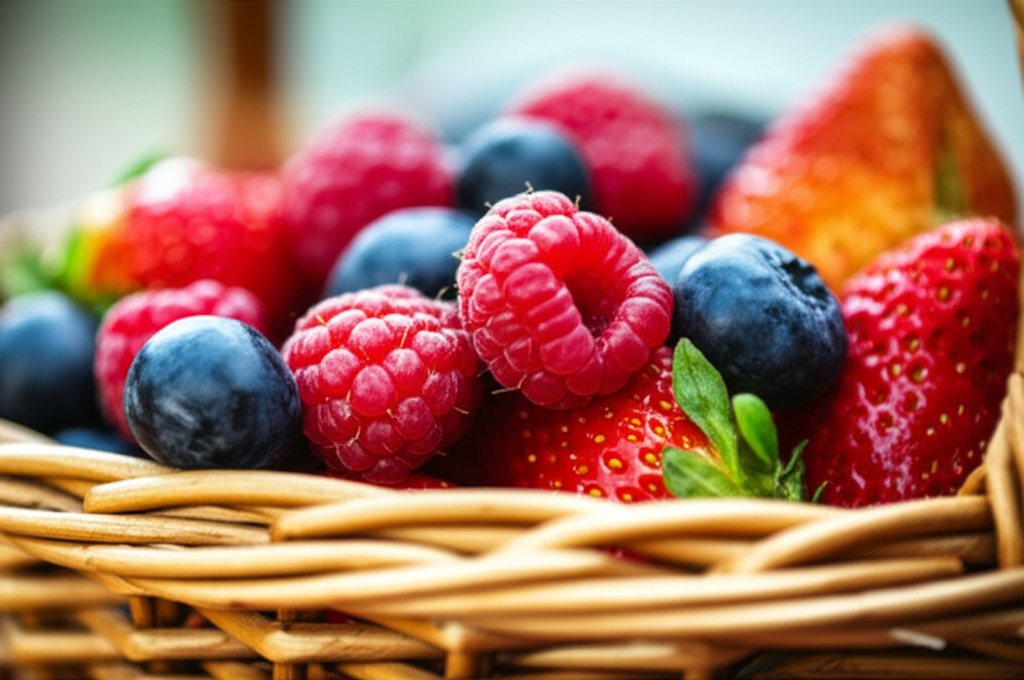
You’ve got a basket full of ripe, juicy berries. Your kitchen is ready for some sweet, homemade magic. But then you look at your recipe, and it calls for lemon juice. You open your fridge – no lemons! Before you panic or abandon your jam-making dreams, let’s clear something up: can I make jam without lemon juice? The answer is a resounding yes! It might seem like a crucial ingredient, but it’s not always a deal-breaker. We’ll dive into why lemon juice is often used and explore simple, effective ways to make amazing jam even without it.
Understanding the Science Behind Jam
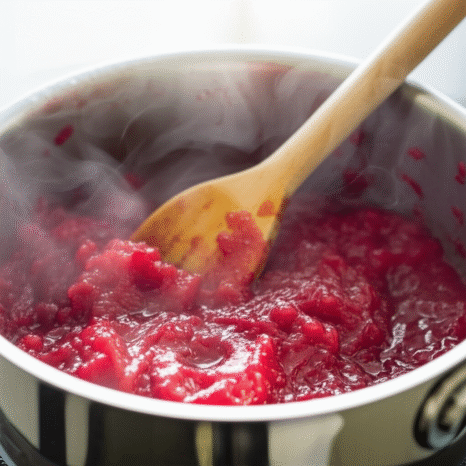
Making jam is a delightful culinary adventure, but it relies on a bit of food science to get that perfect spreadable consistency. At its heart, jam is a combination of fruit, sugar, and pectin, cooked to a point where it sets. Each of these components plays a vital role.
The Role of Fruit
The fruit provides the flavor, color, and natural sugars for your jam. Different fruits have varying levels of natural pectin and acidity, which are key to the setting process. Berries, stone fruits, and citrus fruits are all popular choices for jam making.
The Importance of Sugar
Sugar is more than just a sweetener; it’s a preservative. Sugar draws moisture out of the fruit and helps inhibit the growth of mold and bacteria. It also contributes to the jam’s texture and helps it set by interacting with pectin. The amount of sugar needed can vary depending on the fruit’s natural sweetness and your personal preference.
What is Pectin?
Pectin is a natural carbohydrate found in fruits. It acts like a gelling agent. When fruit is cooked with sugar and acid, pectin molecules form a network that traps the liquid, creating that lovely, firm jam consistency. Some fruits, like apples and citrus peels, are naturally high in pectin, while others, like strawberries and peaches, are lower.
The Purpose of Acidity
This is where lemon juice often comes in. Acidity is crucial for several reasons:
- Activates Pectin: Pectin needs an acidic environment to gel properly. Without enough acid, your jam might be runny.
- Enhances Flavor: A touch of acidity brightens the fruit’s natural flavor, preventing the jam from tasting overly sweet or flat.
- Aids Preservation: Acidity helps preserve the jam and maintain its vibrant color.
Why is Lemon Juice So Popular in Jam Recipes?
Lemon juice is the go-to acidic ingredient for many jam recipes because it’s readily available, easy to measure, and has a clean, bright flavor that complements most fruits without overpowering them. It’s a reliable source of citric acid, which is highly effective at activating pectin and enhancing flavor. Many home cooks have it on hand, making it a convenient choice.
Can You Really Make Jam Without Lemon Juice?
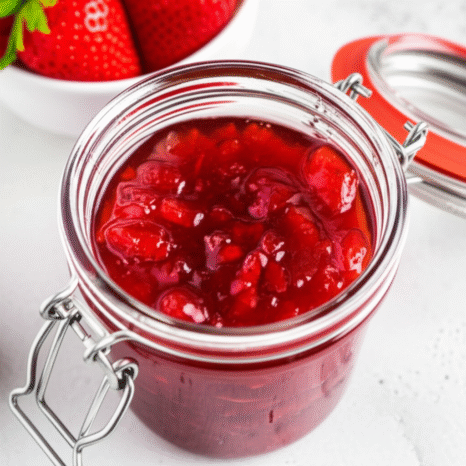
Absolutely! The “shocking truth” is that you can achieve jam success without a single drop of lemon juice. It just requires a little understanding and potentially a few simple substitutions. The key is to ensure your jam has sufficient acidity and pectin for it to set correctly.
Alternatives to Lemon Juice for Acidity
If you don’t have lemons, don’t worry! Several other ingredients can provide the necessary acidity for your jam.
1. Other Citrus Juices
Lime Juice: A fantastic substitute for lemon juice. Lime juice has a similar acidity level and a bright, zesty flavor that pairs wonderfully with many fruits, especially berries and tropical fruits. You can often use it in a 1:1 ratio with lemon juice.
Orange Juice: While less acidic than lemon or lime, orange juice can still contribute some acidity and a lovely flavor. For fruits that are already quite tart, orange juice might be enough. For less tart fruits, you might need to combine it with another acidic element or a commercial pectin.
Grapefruit Juice: Offers a slightly more bitter note than lemon, which can be appealing in certain jams, like those made with berries or stone fruits. Use it in a similar quantity to lemon juice.
2. Vinegar (Use with Caution!)
Certain vinegars can provide acidity, but they are less common in sweet jam recipes because of their distinct flavor. White wine vinegar or apple cider vinegar can be used in very small amounts for tartness, but be mindful that they can impart a noticeable flavor. This is generally a last resort for jam and might be better suited for chutneys or relishes.
3. Naturally Acidic Fruits
Some fruits are naturally high in acid and pectin. If you’re making jam from these fruits, you might not need any added acid at all. Examples include:
- Apples (especially tart varieties)
- Gooseberries
- Cranberries
- Rhubarb
- Some Plums
If your chosen fruit is low in acid, you’ll definitely need to add an acidic element or use a pectin with added acid.
Boosting Pectin Without Lemon Juice
Sometimes, the issue isn’t just acidity but also the lack of natural pectin in your fruit. If your fruit is low in pectin, your jam might not set even with added acid. Here’s how to tackle that:
1. Choose Pectin-Rich Fruits
When making jam, select fruits that are naturally high in pectin. These include:
- Apples (especially Granny Smith)
- Citrus peels (from lemons, limes, oranges – even without the juice!)
- Gooseberries
- Cranberries
- Currants
- Plums
Unripe fruit also tends to have more pectin than ripe fruit. You can sometimes use a mix of ripe and slightly underripe fruit to balance flavor and pectin content.
2. Add Commercial Pectin
This is a straightforward solution. Commercial pectin is a powdered or liquid extract of pectin that guarantees a set. There are different types of commercial pectin, and they usually come with detailed instructions. Some pectins are designed to be used with a specific amount of sugar, while others are “low-sugar” or “no-sugar-needed” options. Follow the package directions carefully, as they often include the necessary acid or specify what to add.
According to the USDA Food Safety and Inspection Service, proper canning procedures, including the correct use of ingredients like pectin and acid, are essential for safe food preservation at home.
3. Cook Pectin-Rich Fruit Additions
If you’re making jam from low-pectin fruit like strawberries or peaches, you can add a small amount of high-pectin fruit to the mix. Simmering apple peels and cores (strained out later) or a chopped tart apple with your main fruit can boost the pectin content naturally.
Practical Jam-Making Without Lemon Juice: A Step-by-Step Guide
Let’s walk through making a simple berry jam without lemon juice, focusing on alternatives and key steps.
Step 1: Choose Your Fruit and Acidity Source
For this example, let’s use strawberries, which are delicious but naturally low in pectin and acid. Instead of lemon juice, we’ll use lime juice. You’ll need about 2 tablespoons of fresh lime juice for every 4 cups of prepared fruit.
Step 2: Prepare Your Fruit and Sugar
Wash and hull 4 cups of fresh strawberries. You can halve or quarter them depending on your desired jam texture. In a separate bowl, combine the prepared strawberries with 3 cups of granulated sugar. Let them sit for about 20-30 minutes. This allows the sugar to draw out juices from the fruit, which helps with the cooking process and dissolves some of the sugar.
Step 3: Add Your Acidic Alternative
After the fruit and sugar have rested, stir in your 2 tablespoons of fresh lime juice.
Step 4: Cook the Jam
Transfer the fruit mixture to a large, heavy-bottomed pot. Bring the mixture to a boil over medium-high heat, stirring constantly to dissolve the sugar and prevent sticking. Once boiling, reduce the heat slightly and continue to simmer, stirring frequently.
Step 5: Test for Set
This is a crucial step. You want to cook the jam until it reaches the “gel stage.” There are a few ways to test this:
- The Cold Plate Test: Place a few small plates in your freezer before you start cooking. When you think the jam is ready, spoon a small amount onto a cold plate. Let it sit for about 30 seconds, then push it gently with your finger. If the surface wrinkles, it’s ready.
- The Spoon Test: Dip a cool metal spoon into the boiling jam. Lift it out and let the jam drip back into the pot. If the jam forms thick, slow-moving drips that eventually sheet off the spoon, it’s likely ready.
Cooking time can vary, but it usually takes 20-40 minutes. Skim off any foam that rises to the surface during cooking.
Step 6: Prepare Your Jars
While the jam is cooking, sterilize your jars and lids. You can do this by washing them thoroughly in hot, soapy water and then placing them in a boiling water bath for at least 10 minutes. Keep them hot until you’re ready to fill them.
Step 7: Fill and Seal
Carefully ladle the hot jam into the sterilized jars, leaving about ¼ inch of headspace at the top. Wipe the rims clean with a damp cloth to ensure a good seal. Place the lids on the jars and screw on the bands fingertip-tight. For shelf-stable jam, you’ll typically process the filled jars in a boiling water bath for about 10 minutes (adjusting for altitude if necessary). Follow reputable canning guidelines for precise processing times.
Jam Ingredient Substitution Table
Here’s a quick reference for common substitutions when you can’t use lemon juice:
| Original Ingredient (for Acidity) | Substitutions | Notes |
|---|---|---|
| Lemon Juice (1 tbsp) | Lime Juice (1 tbsp) | Excellent flavor match, similar acidity. |
| Lemon Juice (1 tbsp) | Orange Juice (1-2 tbsp) | Less acidic, adds sweetness. May need extra pectin or cooking time. |
| Lemon Juice (1 tbsp) | Grapefruit Juice (1 tbsp) | Slightly bitter, works well with berries. |
| Lemon Juice (1 tbsp) | Apple Cider Vinegar (1 tsp) | Use sparingly, can impart flavor. |
| Lemon Juice (1 tbsp) | No Acid Needed | If using naturally high-acid/pectin fruits like gooseberries or rhubarb. |
| Commercial Pectin | Natural Pectin from Fruit | Use pectin-rich fruits or cook down peels/cores. |
Can I Make Jam Without Sugar?
This is a related question many beginners ask! Making jam without sugar is possible, but it presents challenges. Sugar plays a vital role in preservation, texture, and flavor. Sugar-free jams often require:
- Artificial Sweeteners: These don’t contribute to texture or preservation like sugar does.
- Commercial No-Sugar-Needed Pectin: These are formulated to help jam set without relying on sugar for gelling.
- Shorter Shelf Life: Jams without sufficient sugar or proper canning are more prone to spoilage and must be refrigerated.
- Different Texture: They may not achieve the same thick, glossy texture as traditional jam.
For beginners, it’s generally recommended to start with traditional jam recipes that include sugar to ensure safety and success.
Pro Tip: The Importance of Sterilization
When making jam at home, especially if you plan to store it on the shelf, proper jar sterilization is non-negotiable. Even a tiny bit of contamination can lead to mold or spoilage. Make sure your jars, lids, and any utensils that touch the jam are thoroughly cleaned and sterilized. A boiling water bath is the most common and effective method for sterilizing canning jars.
When Might You Need Lemon Juice (or its Equivalent)?
While you can skip lemon juice, there are situations where you absolutely need some form of acidity:
- Low-Acid Fruits: If your fruit is naturally low in acid (like very ripe strawberries, peaches, or cherries), adding an acid source is essential for both flavor and setting.
- Low-Pectin Fruits: If your fruit is also low in pectin, the acid helps the limited pectin available to do its job.
- Commercial Pectin: Many commercial pectins require added acid to work effectively, as specified on the product packaging.
- Color and Flavor: Even if your jam can set without added acid, a little bit will often brighten the color and enhance the fruit’s natural taste.
Common Jam-Making Mistakes (and How to Avoid Them)
Even experienced cooks can encounter issues. Here are common pitfalls and how to avoid them, especially when experimenting with substitutions:
1. Jam Won’t Set
Cause: Insufficient pectin, insufficient acid, or undercooking.
Solution: Ensure you’re using pectin-rich fruits, adding an acid source (like lime or commercial pectin), or cooking the jam a bit longer. For future batches, try adding commercial pectin or a high-pectin fruit like apple. You can also re-boil slightly runny jam with a little extra sugar and pectin/acid, but this can alter the flavor and texture.
2. Jam is Too Hard
Cause: Overcooking or too much pectin/sugar.
Solution: This is harder to fix once cooled. For future batches, cook for less time and rely on the cold plate test. Using a candy thermometer can also help, aiming for around 220°F (104°C) for traditional jam.
3. Jam is Crystallized
Cause: Sugar crystallizing during cooking or storage.
Solution: Ensure all sugar is dissolved before boiling. Stirring gently during the initial cooking phase helps. Adding a small amount of corn syrup or glucose can also prevent crystallization. Avoid boiling the jam too vigorously.
4. Jam Spoils Quickly
Cause: Improper sterilization of jars, insufficient sugar, or inadequate processing.
Solution: Always sterilize jars and lids properly. Ensure you’re using enough sugar for preservation (unless using a specific low-sugar recipe with tested methods). Follow recommended water bath canning times precisely for shelf-stable jam.
Frequently Asked Questions About Jam Without Lemon Juice
Q1: Can I use apple cider vinegar instead of lemon juice for jam?
A: Yes, but use it sparingly. Apple cider vinegar can work, but it has a stronger flavor than lemon juice. Start with about half the amount called for lemon juice and taste as you go. It’s best for jams where a slight tang is acceptable.
Q2: What fruits have enough pectin and acid so I don’t need lemon juice?
A: Fruits like tart apples, gooseberries, cranberries, currants, and underripe plums are naturally high in both pectin and acid. You can often make jam from these without any added lemon juice or commercial pectin.
Q3: My jam is still runny after cooking. What went wrong?
A: This usually means there wasn’t enough pectin, acid, or sugar, or it wasn’t cooked long enough. Try cooking it a little longer, or for future batches, use a pectin-rich fruit, add commercial pectin, or a bit more acid (like lime juice).
Q4: Can I make jam with just fruit and sugar, no lemon juice or pectin?
A: It depends on the fruit. If you use a high-pectin and high-acid fruit (like tart apples), it’s possible. For most other fruits, like berries, you’ll likely end up with a runny fruit syrup rather than jam without added pectin or acid.
Q5: Does using lime juice instead of lemon juice change the flavor of the jam?
A: Yes, slightly. Lime juice has a distinct citrus flavor that is a bit more floral and less sharp than lemon. It pairs wonderfully with many fruits, especially berries and tropical flavors. The change is usually subtle and often welcome!
Q6: How much sugar should I use if I’m not using lemon juice?
A: The amount of sugar generally remains the same, as it’s crucial for preservation and texture, not just sweetness. The acidity primarily affects the setting process and flavor balance. Stick to your recipe’s sugar recommendations unless you’re specifically making a low-sugar jam.
Conclusion
So, to answer the burning question: can I make jam without lemon juice? Absolutely! The world of jam making is forgiving and adaptable. By understanding the roles of pectin and acidity, and by knowing your alternative acidic ingredients like lime juice, you can create delicious, perfectly set jams every time. Don’t let a missing lemon stop your culinary creativity. Whether you’re a seasoned canner or a beginner just starting, these tips will empower you to confidently whip up jars of homemade goodness. Happy jamming!
smartblander.com is a participant in the Amazon Services LLC Associates Program, an affiliate advertising program. As an Amazon Associate, we earn from qualifying purchases made through our links.
