

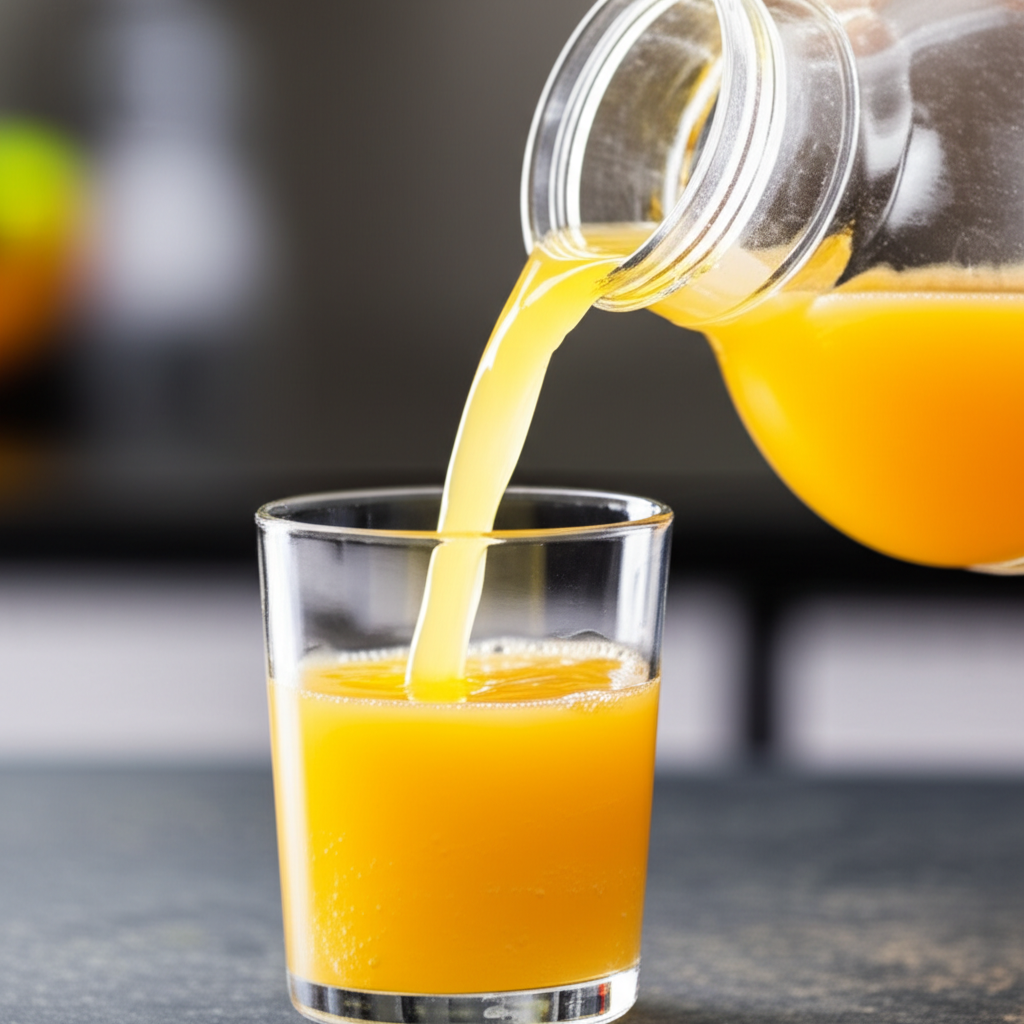
No, expired orange juice is highly unlikely to kill you, but it can make you sick. The shocking truth is that while food spoilage can be concerning, a carton of old orange juice typically won’t lead to a fatal outcome for healthy individuals. Instead, you’ll likely experience unpleasant digestive issues. This article breaks down what really happens when you drink expired orange juice and how to stay safe.
Key Takeaways
- Identify spoiled juice by smell and appearance.
- Drinking expired juice causes mild to moderate stomach upset.
- Fatalities from expired orange juice are extremely rare.
- Proper storage extends juice shelf life.
- Always check the “best by” date for guidance.
- When in doubt, throw it out.
Can Expired Orange Juice Kill You? The Shocking Truth Unveiled
You’ve reached for that carton of orange juice, ready for a refreshing sip, only to notice the date has long passed. A little voice of concern whispers, “Can expired orange juice kill you?” It’s a common worry, fueled by stories of foodborne illnesses. But let’s settle this fear right now. While drinking expired orange juice isn’t recommended and can certainly lead to an upset stomach, the idea of it being deadly for most people is a significant exaggeration. This guide will demystify the risks, explain what actually happens, and empower you to make and enjoy fresh, safe juice with confidence.
Understanding Expiration Dates on Juice
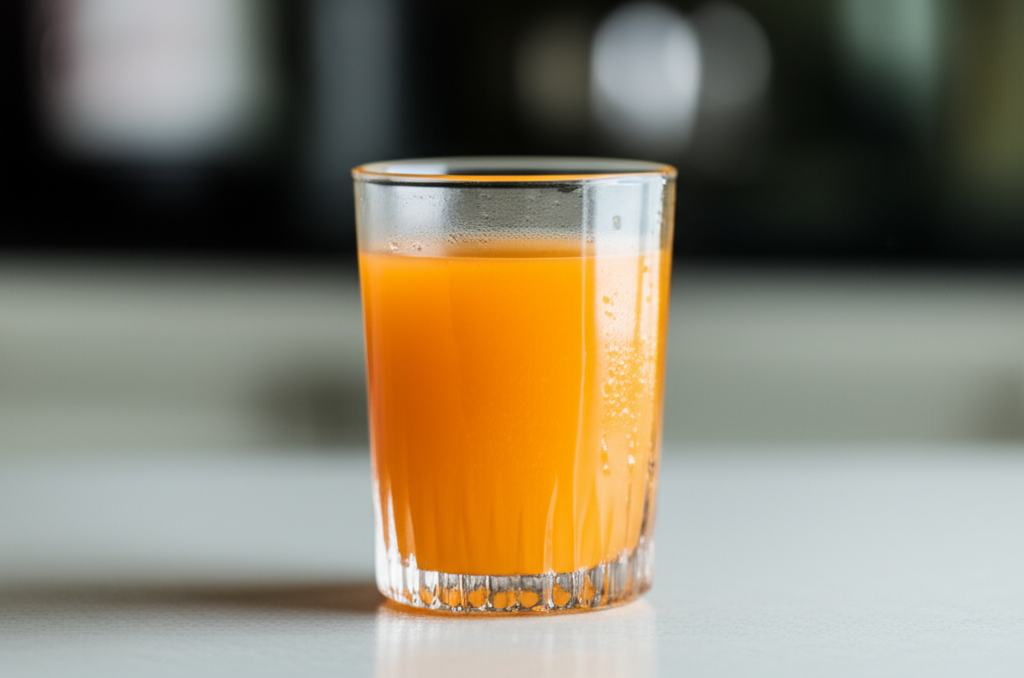
The dates printed on juice cartons aren’t always strict “expiration” dates in the sense of being unsafe after that day. They are usually “best by” or “sell by” dates. These dates are more about peak quality and flavor than safety. Orange juice, especially pasteurized varieties, has a relatively long shelf life. However, over time, its quality degrades, and the risk of microbial growth increases.
“Best By” vs. “Use By” Dates
It’s crucial to understand the difference between these date labels. A “best by” date indicates when the product will have the best flavor and quality. It’s still generally safe to consume after this date, though the taste might be slightly off. A “use by” date, however, is more critical and refers to the last date recommended for peak quality. For highly perishable items, it can be a safety indicator, but for pasteurized juice, it’s still primarily about quality.
The Role of Pasteurization
Most commercially sold orange juice is pasteurized. This process heats the juice to a specific temperature for a set amount of time to kill harmful bacteria like Salmonella, E. coli, and Listeria. Pasteurization significantly extends the shelf life of the juice and makes it much safer for consumption. Unpasteurized or “fresh-squeezed” juices, especially those bought from a deli or farmer’s market, have a shorter shelf life and a higher risk of containing harmful microbes if not handled properly.
What Happens When You Drink Expired Orange Juice?
So, what’s the actual consequence of sipping on juice that’s past its prime? It’s rarely catastrophic. Instead, expect a bout of digestive discomfort.
Common Symptoms of Spoiled Juice Consumption
The primary culprits behind illness from spoiled food are bacteria and mold. When orange juice begins to spoil, these microorganisms multiply. If you consume juice with a significant amount of these microbes, your body will try to expel them. This often results in:
- Nausea
- Vomiting
- Diarrhea
- Stomach cramps
- Bloating
These symptoms are your body’s way of dealing with the unwanted guests. They are generally temporary and resolve on their own within a day or two. Severe illness or hospitalization is extremely uncommon unless the juice was contaminated with a potent pathogen or the person consuming it has a severely compromised immune system.
The Role of Mold and Fermentation
As orange juice ages, especially if exposed to air or improperly sealed, mold can start to grow. Mold can produce mycotoxins, which are harmful substances. Even if you scoop out the visible mold, the toxins can spread throughout the liquid. Fermentation is another process that can occur. Yeast and bacteria can convert sugars in the juice into alcohol and carbon dioxide, leading to a fizzy texture and a sour, alcoholic taste. While the alcohol produced is usually not enough to be intoxicating, it indicates spoilage and can contribute to digestive upset.
Identifying Spoiled Orange Juice: A Visual and Olfactory Guide
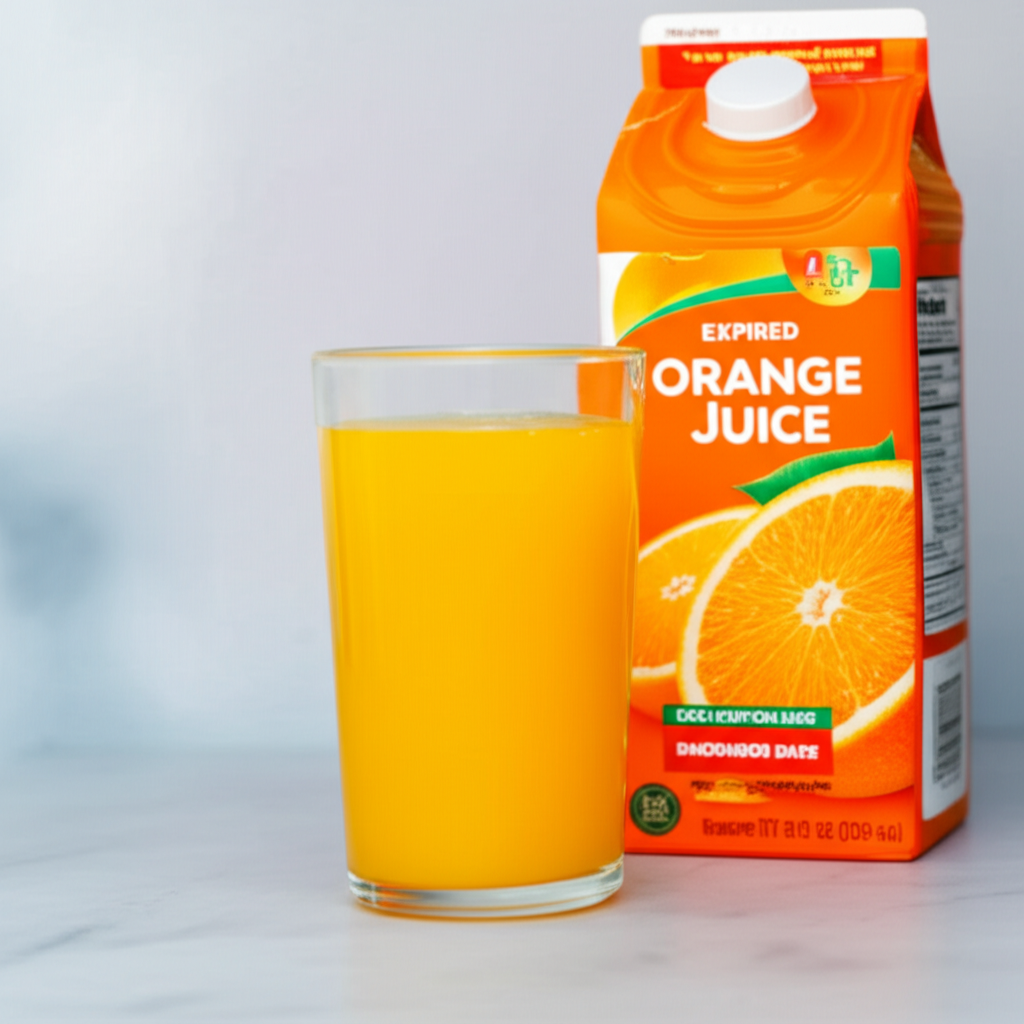
Your senses are your best defense against consuming spoiled food. Before you take a sip, always perform a quick check.
Visual Cues
Look for any obvious changes in the juice’s appearance. These signs suggest spoilage:
- Cloudiness: Fresh juice, especially if not from concentrate, should be relatively clear or have a consistent pulp suspension. Excessive cloudiness or sediment that wasn’t there before is a red flag.
- Mold Growth: This is the most obvious sign. You might see fuzzy patches of various colors (white, green, black, blue) on the surface or clinging to the sides of the container.
- Discoloration: While not always a definitive sign, significant changes in color might indicate oxidation or microbial activity.
- Separation: Some separation of pulp is normal, but if you see distinct layers or an oily sheen, it could be a sign of spoilage.
Olfactory Clues (Smell)
The smell of spoiled orange juice is often a dead giveaway. Trust your nose:
- Sour or Fermented Aroma: It might smell like vinegar, alcohol, or just generally “off” and sour.
- Fruity but Off: Sometimes, it can smell intensely fruity, but with an unpleasant, almost rotten undertone.
- Musty or Moldy Smell: A distinct moldy or damp smell is a clear indication that the juice is no longer good.
Taste Test (Proceed with Extreme Caution!)
If visual and olfactory checks are inconclusive, a tiny sip might be the final test. However, this should be your last resort, and only if the other indicators are not alarming. If the taste is sour, fizzy, bitter, or simply unpleasant, spit it out immediately and discard the juice. Do not swallow if it tastes off.
The Science Behind Juice Spoilage
Microbial growth is the primary reason juice spoils. Several factors influence how quickly this happens and what types of microbes are involved.
Bacteria and Yeast
Common spoilage organisms in fruit juices include various types of bacteria and yeasts. These microbes are naturally present in the environment and on the fruit itself. Even with pasteurization, some hardy spores can survive, or contamination can occur after processing if the seal is broken or the packaging is compromised.
Yeasts, for instance, are responsible for fermentation. They consume the sugars in the juice and produce ethanol (alcohol) and carbon dioxide. This is why fermented juice might taste fizzy and smell like alcohol. Bacteria can cause a wider range of spoilage, from off-flavors to the production of toxins.
pH Levels and Microbial Growth
Orange juice is naturally acidic, with a pH typically between 3.3 and 4.2. This acidity acts as a natural preservative, inhibiting the growth of many types of bacteria. However, some acid-tolerant bacteria and yeasts can still thrive, especially at room temperature or if the juice is diluted.
For a deeper understanding of food safety and pH, you can refer to resources from the U.S. Food and Drug Administration (FDA), which provides extensive information on food preservation and microbial control.
Factors Affecting Juice Shelf Life
Several elements play a role in how long your orange juice remains safe and enjoyable.
Storage Conditions
This is arguably the most critical factor after pasteurization. Refrigeration is key.
- Temperature: Keeping juice consistently cold (below 40°F or 4°C) significantly slows down microbial growth. Warmer temperatures accelerate spoilage.
- Sealed vs. Opened: An unopened, properly sealed carton of pasteurized juice will last much longer than an opened one. Once opened, it’s exposed to air and potential contaminants, and its shelf life drastically reduces.
- Light Exposure: While less of a concern for spoilage, prolonged exposure to light can degrade some nutrients in juice.
Type of Orange Juice
The way juice is processed impacts its shelf life.
- Pasteurized Juice: Typically has a shelf life of 9-12 months unopened when refrigerated, and about 7-10 days once opened.
- Not-From-Concentrate (NFC) Juice: Often pasteurized, but its shelf life might be slightly shorter than concentrated juice if it undergoes less heat treatment.
- Fresh-Squeezed/Unpasteurized Juice: This is the most perishable. It should be consumed within 24-48 hours of making and kept strictly refrigerated. It poses a higher risk if not handled with impeccable hygiene.
Container Material
While not a primary driver of spoilage, the container can influence preservation. Cartons with good seals are designed to protect the juice. If a carton is dented, leaking, or has a damaged seal, it compromises the product’s integrity and shortens its safe consumption period.
When to Worry: Rare but Possible Risks
While a fatal outcome from expired orange juice is highly improbable for a healthy adult, there are situations where the risk is elevated.
Vulnerable Populations
Certain groups are more susceptible to foodborne illnesses and may experience more severe reactions, even from less potent contaminants:
- Infants and Young Children: Their immune systems are still developing.
- Elderly Individuals: Their immune systems may be weaker.
- Pregnant Women: They are at higher risk for certain infections like Listeriosis, which can harm the fetus.
- Individuals with Compromised Immune Systems: This includes people with HIV/AIDS, cancer patients undergoing treatment, organ transplant recipients, and those with autoimmune diseases.
For these individuals, even mild spoilage can lead to more serious health complications. It is always best for these groups to err on the side of caution and avoid any food or drink that is past its prime.
Contamination with Pathogens
In very rare instances, commercial juice can become contaminated with dangerous pathogens like Salmonella or E. coli during production or packaging, even before the “best by” date. These are typically recalled by the manufacturer. However, if a batch is missed, consuming contaminated juice could lead to severe illness, regardless of the date. This is why reporting any suspected issues to the manufacturer or regulatory bodies is important.
Making and Storing Fresh Orange Juice Safely
For those who love the vibrant taste of freshly squeezed juice, making it at home is a rewarding experience. Here’s how to do it safely and deliciously.
Essential Tools for Fresh Juice
You don’t need a professional setup to make great orange juice. Here are a few helpful tools:
| Tool | Description | Why It’s Useful |
|---|---|---|
| Citrus Juicer (Manual) | A simple handheld reamer or a press. | Easy to use for small batches, no electricity needed. |
| Electric Citrus Juicer | Motorized device that spins a reamer. | Faster and more efficient for larger quantities. |
| Blender/Food Processor | Can be used to blend whole oranges (peeled) and then strain. | Versatile if you also want to make smoothies; requires straining. |
| Fine-Mesh Sieve | For straining pulp and seeds. | Ensures a smoother juice consistency. |
| Airtight Containers | Glass jars or BPA-free plastic containers. | Crucial for storing fresh juice properly. |
Step-by-Step Guide to Fresh Orange Juice
- Select Ripe Oranges: Choose fresh, firm oranges with smooth skin. Valencia and Navel oranges are excellent for juicing.
- Wash Oranges Thoroughly: Rinse the oranges under cool running water and gently scrub the skins to remove any dirt or residue.
- Prepare Oranges: Cut the oranges in half crosswise.
- Juice the Oranges:
- With a Citrus Juicer: Press each half onto the reamer and twist to extract the juice.
- With a Blender: Peel the oranges, remove any large seeds, and roughly chop them. Blend until smooth. Strain the pulp through a fine-mesh sieve.
- Strain (Optional): If you prefer pulp-free juice, pour the extracted juice through a fine-mesh sieve.
- Serve Immediately or Store: For the best flavor and nutrient content, drink fresh juice right away.
Proper Storage of Freshly Squeezed Juice
Freshly squeezed orange juice doesn’t contain preservatives, so it needs careful handling:
- Refrigerate Promptly: Pour the juice into clean, airtight containers.
- Use Within 24-48 Hours: The vitamin C content degrades quickly, and microbial growth can begin.
- Avoid Leaving at Room Temperature: Never leave fresh juice out for more than two hours (or one hour if the ambient temperature is above 90°F/32°C).
For more detailed information on safe food handling practices, the USDA’s Food Safety and Inspection Service offers valuable resources on HACCP principles, which are foundational to food safety.
Pro Tips for Maximizing Juice Freshness and Safety
Want to ensure your homemade juice is always top-notch? Follow these expert tips:
Pro Tip: For the freshest taste and maximum vitamin C, juice your oranges just before you plan to drink them. If you must store it, use a glass container with as little air space as possible. Consider adding a small squeeze of lime juice, as its acidity can help preserve the vitamin C slightly longer.
Comparing Store-Bought vs. Homemade Orange Juice
Both options have their advantages and disadvantages. Understanding these can help you make the best choice for your needs.
Store-Bought Orange Juice
Pros:
- Longer shelf life (especially unopened).
- Convenient and readily available.
- Pasteurization ensures a high level of safety against common pathogens.
- Often fortified with calcium and vitamin D.
Cons:
- May contain added sugars or preservatives (check labels).
- Nutrient content, especially vitamin C, can degrade over time and with processing.
- Less vibrant, fresh flavor compared to homemade.
- Packaging contributes to waste.
Homemade Orange Juice
Pros:
- Incredibly fresh flavor and aroma.
- Highest vitamin C content.
- No added sugars or preservatives (unless you add them).
- You control the ingredients and pulp level.
- Environmentally friendly (less packaging waste).
Cons:
- Very short shelf life (24-48 hours).
- Requires effort and time to prepare.
- Higher risk of spoilage if not handled and stored properly.
- Can be more expensive per serving depending on orange prices.
When in Doubt, Throw It Out!
This is the golden rule of food safety. If you have any lingering doubts about the freshness or safety of your orange juice, whether it’s store-bought or homemade, it’s always best to discard it. The cost of replacing a carton of juice is far less than the potential cost of dealing with food poisoning.
Frequently Asked Questions (FAQ)
Q1: Can drinking a tiny bit of expired orange juice hurt me?
A1: Probably not. A small sip of juice that is only slightly past its “best by” date is unlikely to cause significant harm to a healthy individual. Your body can usually handle minor microbial loads. However, if it tastes or smells bad, avoid it.
Q2: How long is orange juice good for after opening?
A2: For pasteurized, store-bought orange juice, it’s generally recommended to consume it within 7 to 10 days of opening, provided it has been continuously refrigerated. Always check the product label for specific guidelines.
Q3: What are the signs that orange juice has gone bad?
A3: Look for visible mold, a sour or fermented smell, a fizzy texture, unusual cloudiness, or a bitter taste. If you notice any of these, the juice has likely gone bad.
Q4: Does freezing extend the life of expired orange juice?
A4: Freezing can preserve juice, but it doesn’t make expired juice safe. If the juice was already spoiled before freezing, it will remain spoiled when thawed. Freezing is best for preserving juice that is still fresh.
Q5: Is it safe to drink orange juice that has been left out overnight?
A5: No, it is not safe. Bacteria multiply rapidly at room temperature. Juice left out overnight, especially after being opened, should be discarded to avoid the risk of foodborne illness.
Q6: Can I get botulism from expired orange juice?
A6: Botulism is caused by the toxin produced by the bacterium Clostridium botulinum. While this bacterium can grow in low-acid, anaerobic environments, it is extremely unlikely to thrive in acidic conditions like orange juice, especially when refrigerated. Botulism from fruit juice is exceptionally rare.
Q7: What is the difference between “best by” and “use by” for orange juice?
A7: “Best by” refers to peak quality and flavor. The juice is typically safe to drink after this date, though quality may decline. “Use by” dates are generally more strict and indicate the last day the manufacturer guarantees the product’s quality. For pasteurized juices, both are primarily quality indicators rather than strict safety cutoffs unless specific spoilage signs are present.
Conclusion
While the thought of expired orange juice can be unsettling, the reality is that it’s highly improbable it could kill you. The most common outcome is an unpleasant, though usually temporary, digestive upset. By understanding how to identify spoiled juice through sight and smell, practicing proper storage techniques, and being aware of the differences between date labels, you can confidently navigate the world of orange juice. Whether you opt for store-bought convenience or the vibrant taste of homemade, always trust your senses. If something seems off, it’s best to play it safe and discard it. Enjoy your juice knowing you’re equipped with the knowledge to keep it fresh, flavorful, and safe!
smartblander.com is a participant in the Amazon Services LLC Associates Program, an affiliate advertising program. As an Amazon Associate, we earn from qualifying purchases made through our links.
