

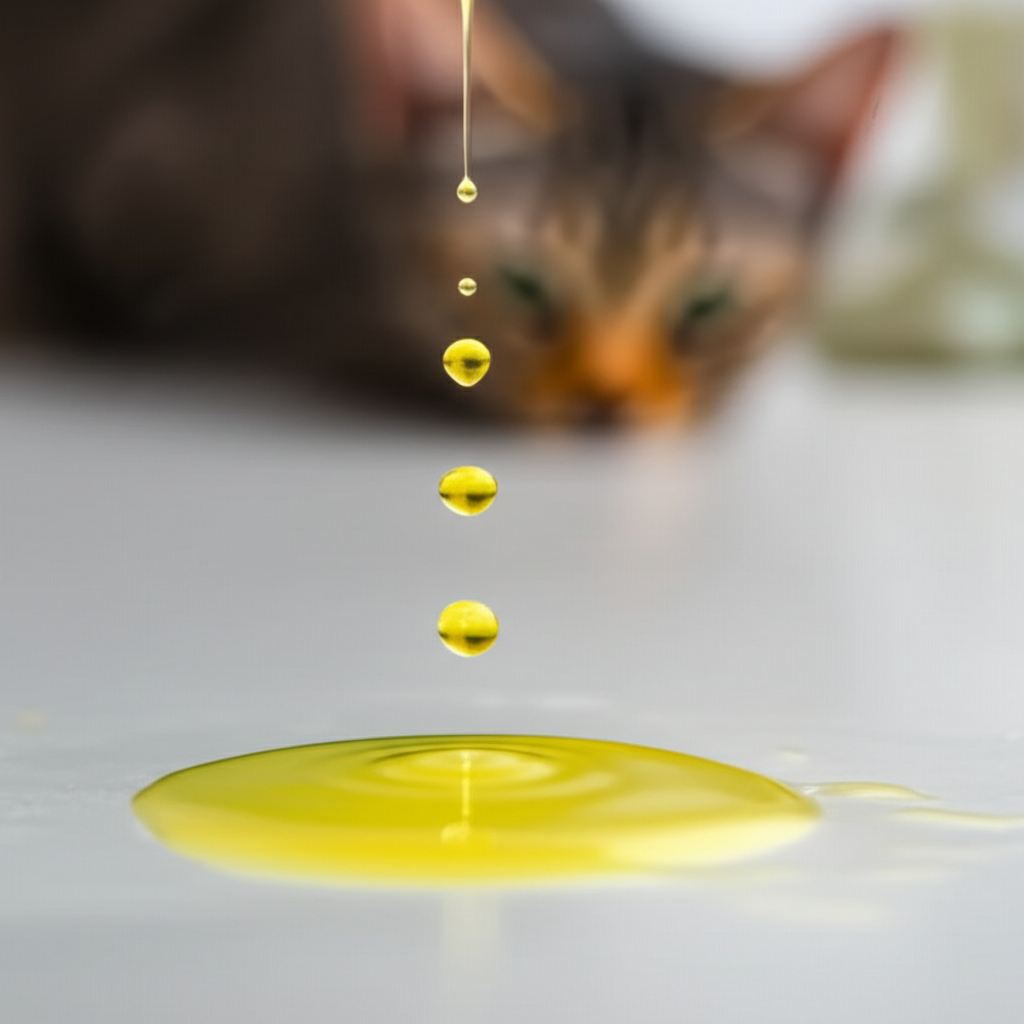
No, cats cannot safely eat lemon juice. It is toxic and can cause serious health issues for them.
Key Takeaways
- Avoid giving cats lemon juice.
- Lemon juice is toxic to felines.
- Citrus oils can harm your cat.
- Seek vet help if ingestion occurs.
- Offer safe cat treats instead.
- Protect your cat from citrus.
Can Cats Eat Lemon Juice? The Urgent Truth for Pet Owners
As a home cook who loves exploring natural ingredients, you might wonder about the safety of various foods for your furry friends. You may have heard whispers or seen tempting recipes featuring lemon juice. But when it comes to our beloved cats, a crucial question arises: can cats eat lemon juice? It’s a common query, and the answer is vital for your pet’s well-being. Many people are unsure, leading to potential harm. This guide will provide clear, step-by-step information to help you understand why lemon juice is a definite no-go for your feline companion. Let’s dive into the urgent truth about cats and lemon juice.
Understanding Feline Digestion and Citrus
Cats are obligate carnivores. This means their digestive systems are specifically designed to process meat. Unlike humans or dogs, they lack certain enzymes needed to break down and metabolize plant-based compounds effectively. This fundamental difference is key to understanding why certain foods are safe for us but dangerous for them.
Why Citrus is Problematic for Cats
Lemons, and by extension lemon juice, contain compounds called limonene and linalool. These are essential oils found in the peel and pulp of citrus fruits. While these oils can offer some benefits in natural cleaning products or aromatherapy for humans, they are highly toxic to cats. When ingested, these oils can cause a range of adverse reactions.
The primary concern is the effect these compounds have on a cat’s liver. Cats lack the necessary enzymes (specifically glucuronosyltransferases) to properly metabolize limonene and linalool. This means these substances can accumulate in their system, leading to liver damage or failure over time. Even small amounts can be problematic, and repeated exposure can be devastating.
Furthermore, the acidity of lemon juice itself can be harsh on a cat’s delicate digestive tract. It can lead to irritation, vomiting, and diarrhea. Their bodies are not equipped to handle such acidic substances, making even a small sip a potential health hazard.
The Dangers of Lemon Juice for Cats
When we talk about the dangers, it’s important to be specific. The risks associated with cats ingesting lemon juice are significant and can manifest in several ways. These range from immediate discomfort to severe, life-threatening conditions.
Toxic Compounds in Lemons
As mentioned, limonene and linalool are the primary culprits. These compounds are found in the highest concentrations in the peel and oils of citrus fruits. Lemon juice, especially if it contains pulp or small pieces of peel, can easily introduce these toxins into a cat’s system.
Symptoms of Lemon Juice Poisoning in Cats
If your cat has ingested lemon juice, it’s crucial to watch for specific symptoms. These can appear within a few hours of exposure. Recognizing these signs can help you seek veterinary care promptly, which is essential for a positive outcome.
- Vomiting: This is often one of the first signs. The acidity and toxins can upset their stomach.
- Diarrhea: Similar to vomiting, the digestive system reacts negatively to the irritants.
- Lethargy/Weakness: Your cat may become unusually tired and listless.
- Drooling: Excessive salivation can occur due to irritation or nausea.
- Skin Irritation: If lemon juice gets on their fur and they lick it off, it can cause dermatitis.
- Tremors or Muscle Weakness: In more severe cases, neurological signs can appear.
- Depression: A general lack of interest in their surroundings.
- Loss of Coordination: Difficulty moving or appearing unsteady.
- Hypothermia: A dangerous drop in body temperature.
- Liver or Kidney Damage: This is a more serious, long-term risk with significant exposure.
Acidity and Digestive Upset
Beyond the specific toxins, the sheer acidity of lemon juice is a problem. A cat’s stomach pH is typically more acidic than a human’s, but it’s still designed for a meat-based diet. Introducing a highly acidic substance like lemon juice can disrupt this delicate balance, leading to discomfort, pain, and gastrointestinal distress.
Imagine drinking a glass of pure lemon juice; it’s jarring and unpleasant. For a cat, whose system is even more sensitive to such things, the effect can be far more severe. This can result in gastritis, where the stomach lining becomes inflamed.
Alternatives: What Can Cats Safely Eat?
Since lemon juice is off the table, you might be wondering what safe and healthy treats you can offer your cat. The good news is there are plenty of options that align with their dietary needs and will have them purring with delight.
Safe Fruits and Vegetables (in Moderation)
While cats are carnivores, a tiny amount of certain fruits and vegetables can be a safe occasional treat. Always introduce new foods slowly and in very small quantities, observing for any adverse reactions. It’s best to consult your veterinarian before adding any new food to your cat’s diet.
Here are a few examples of fruits and vegetables that are generally considered safe for cats:
- Apples: Remove the core and seeds, as they contain cyanide. Offer small, cooked pieces.
- Bananas: High in potassium and vitamins, but also high in sugar. Offer tiny slices.
- Blueberries: Packed with antioxidants and vitamins. A few berries are a good treat.
- Cantaloupe: A good source of vitamins A and C. Remove rind and seeds.
- Strawberries: Contain vitamin C and fiber. Offer small, diced pieces.
- Watermelon: Hydrating and a good source of vitamins. Remove seeds and rind.
- Carrots: Cooked carrots are safe and can be a good source of fiber.
- Pumpkin: Plain, cooked pumpkin (not pie filling) is excellent for digestion.
It’s crucial to remember that these should be given as occasional treats, not as a replacement for their balanced cat food. The bulk of their diet should be high-quality, meat-based cat food.
Commercial Cat Treats
The safest and most convenient way to treat your cat is with commercially produced cat treats. These are formulated to be nutritionally balanced and safe for feline consumption. Look for treats that are:
- Species-appropriate: Made for cats.
- High in protein: Primarily meat-based.
- Low in artificial additives: Free from excessive dyes, preservatives, and flavorings.
- Recommended by veterinarians: Many brands have veterinary endorsements.
Always follow the feeding guidelines on the treat packaging to avoid overfeeding, which can lead to obesity and other health problems.
Hydration is Key
While lemon juice is dangerous, ensuring your cat stays hydrated is vital. Cats are notorious for not drinking enough water. If your cat enjoys flavored water, consider adding a tiny bit of tuna juice (from water-packed tuna, not oil or brine) to their water bowl, or invest in a cat water fountain, which can encourage them to drink more.
What to Do If Your Cat Ingests Lemon Juice
Accidents happen. If you suspect your cat has ingested lemon juice, whether it was a spill, a lick from your drink, or an attempt to “help” with your cooking, prompt action is necessary.
Immediate Steps to Take
- Remove the Source: Ensure your cat cannot access any more lemon juice or lemon products.
- Observe Your Cat: Watch closely for any of the symptoms listed earlier. Pay attention to their behavior, energy levels, and digestive signs.
- Contact Your Veterinarian Immediately: This is the most crucial step. Do not wait for symptoms to appear or worsen. Your vet can provide specific advice based on the amount ingested and your cat’s individual health.
- Do Not Induce Vomiting Unless Advised: Inducing vomiting can sometimes cause more harm than good, especially if the substance is acidic. Let your vet guide you on this.
- Provide Fresh Water: If your cat is willing, offer them fresh water.
Information to Provide Your Vet
When you call your vet, be prepared to provide as much information as possible. This will help them assess the situation accurately:
- What was ingested: Lemon juice (fresh, from concentrate, in a drink, etc.).
- How much was ingested: Estimate the quantity as best as you can.
- When was it ingested: The approximate time of exposure.
- Your cat’s current symptoms: Describe any changes you’ve observed.
- Your cat’s general health: Mention any pre-existing conditions.
Your veterinarian may advise you to bring your cat in for examination and treatment. Treatment can range from supportive care, such as IV fluids to combat dehydration and help flush the system, to medications to manage nausea or protect the stomach lining. In severe cases, hospitalization might be necessary.
Lemon Juice vs. Other Citrus Products
It’s important to understand that lemon juice is not the only citrus-related danger for cats. All parts of the lemon and other citrus fruits can pose a risk.
Other Citrus Dangers for Cats
- Lemon Peels: Contain very high concentrations of limonene and linalool.
- Lemon Seeds: Can be a choking hazard and may contain small amounts of toxins.
- Lemon Essential Oils: Extremely concentrated and highly toxic.
- Other Citrus Fruits: Oranges, grapefruits, limes, and mandarins also contain toxic compounds, though the concentration might vary. The acidity is also a concern for all citrus.
- Lemon-Scented Products: Many household cleaners, air fresheners, and even some cat shampoos contain lemon or citrus scents. These can be harmful if ingested or even inhaled by your cat. Always ensure your home environment is safe and free from these products.
It’s always best to err on the side of caution and keep all citrus fruits and products containing citrus extracts away from your cats.
Can Cats Smell Lemon and Avoid It?
Cats have a far more developed sense of smell than humans. While many cats instinctively dislike the smell of citrus and will avoid it, this is not a foolproof defense. Some cats might be curious and investigate, while others might be less sensitive to the odor. Relying on their sense of smell alone is not a safe strategy.
Even if your cat recoils from the smell of a whole lemon, they might still ingest small amounts if it’s present in something they do want to eat or drink, or if they accidentally lick it off their paws after walking through a spill. Therefore, proactive prevention is key.
Preventing Accidental Lemon Juice Ingestion
The best approach is always prevention. By taking simple precautions, you can significantly reduce the risk of your cat being exposed to lemon juice or other harmful citrus products.
Tips for a Cat-Safe Kitchen
- Store Citrus Safely: Keep lemons, limes, oranges, and their juices in sealed containers in the refrigerator. Ensure fruit bowls are out of reach of curious paws.
- Clean Up Spills Immediately: If you spill lemon juice or use it for cleaning, wipe it up thoroughly and ensure the area is dry before your cat has access to it.
- Be Mindful of Your Drinks: If you enjoy lemon water or lemonade, keep your glass on a high surface or covered. Don’t let your cat lick residue from the glass.
- Read Labels Carefully: Be aware of citrus ingredients in foods you might share (even accidentally) and in cleaning products.
- Educate Household Members: Ensure everyone in your home understands the dangers of lemon juice for cats.
- Avoid Citrus-Aromatherapy: Diffusing lemon essential oils or using lemon-scented candles can release compounds into the air that cats can inhale and potentially ingest if they groom themselves afterward.
Creating a safe environment for your cat means being vigilant about the products and foods you bring into your home. It’s about making informed choices that prioritize their health and well-being.
Pro Tips for Citrus Safety
When preparing citrus-based recipes, always do so in an area your cat cannot access. If you use lemon for cleaning, rinse surfaces thoroughly with plain water afterward and ensure they are completely dry before your cat roams the area. Consider using pet-safe cleaning alternatives for surfaces your cat frequently interacts with.
Frequently Asked Questions (FAQ)
Q1: Can a small lick of lemon juice harm my cat?
Even a small lick can cause digestive upset like vomiting or diarrhea due to the acidity and toxins. While a single, tiny lick might not be fatal, it’s best to avoid it entirely to prevent any discomfort or potential health issues.
Q2: What if my cat licked lemon juice off my hand?
Wash your hands thoroughly with plain soap and water immediately. Then, observe your cat closely for any signs of distress or illness. If you notice anything unusual, contact your veterinarian.
Q3: Are all citrus fruits toxic to cats?
Yes, all citrus fruits, including oranges, limes, grapefruits, and mandarins, contain limonene and linalool, which are toxic to cats. The acidity also poses a risk to their digestive system.
Q4: Can I use lemon essential oil around my cat?
No, absolutely not. Lemon essential oil is highly concentrated and extremely toxic to cats. Avoid diffusing it or using it in any home products your cat might come into contact with.
Q5: My cat seems to like the smell of lemons. Is it okay to let them sniff?
While many cats dislike the smell, if yours is curious, it’s still best to prevent direct contact. Their curiosity could lead to them licking or trying to eat parts of the fruit, which is dangerous. Keep lemons out of reach.
Q6: What are the long-term effects of cats eating lemon juice?
Repeated or significant exposure can lead to chronic issues, including liver damage, kidney problems, and persistent gastrointestinal distress. It’s crucial to prevent any ingestion to safeguard your cat’s long-term health.
Conclusion
The urgent truth is clear: cats cannot safely eat lemon juice. As loving pet owners, our priority is to protect our feline companions from harm. Understanding the dangers of citrus, particularly the toxic compounds like limonene and linalool, is essential. By keeping lemon juice and other citrus products far away from your cat and opting for species-appropriate treats and a balanced diet, you can ensure their health and happiness. Always consult your veterinarian if you have any concerns about your cat’s diet or have accidentally exposed them to potentially harmful substances. Your vigilance makes all the difference in keeping your furry friend safe and sound.
smartblander.com is a participant in the Amazon Services LLC Associates Program, an affiliate advertising program. As an Amazon Associate, we earn from qualifying purchases made through our links.
