

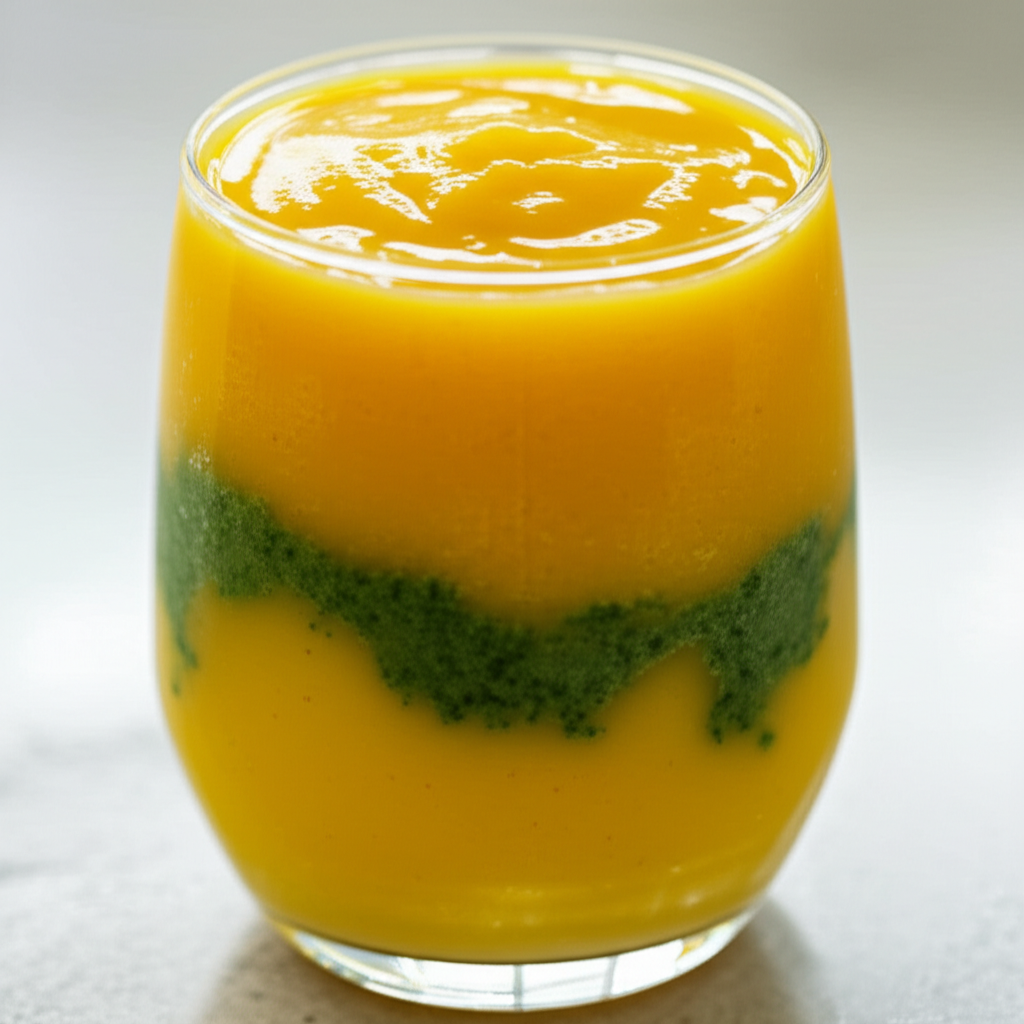
Yes, tropical smoothies can be incredibly healthy! The “shocking truth” is that their healthiness depends entirely on what goes in them. Packed with fruits, they offer vitamins and hydration, but added sugars can turn them into dessert. Learn how to craft delicious, nutrient-rich tropical blends right at home.
Key Takeaways
- Embrace whole fruits for natural sweetness.
- Watch out for added sugars in store-bought mixes.
- Boost nutrition with leafy greens and healthy fats.
- Hydrate with water or unsweetened plant milk.
- Balance fruit intake to manage natural sugar levels.
- Customize your tropical smoothie for maximum health benefits.
Are Tropical Smoothies Healthy? The Shocking Truth Revealed!
You’ve seen them everywhere – vibrant, refreshing tropical smoothies promising a taste of paradise. They look so healthy, packed with colorful fruits. But are tropical smoothies truly a guilt-free indulgence, or is there a hidden downside? It’s a question many beginners ask when they first dive into the world of blended beverages. Many people worry about the sugar content, while others are unsure if they’re getting enough actual nutrients. Don’t worry, we’re here to clear up the confusion! We’ll explore what makes a tropical smoothie healthy, how to avoid common pitfalls, and how you can create your own delicious, nourishing concoctions right in your kitchen. Get ready to blend your way to a healthier you!
What Makes a Tropical Smoothie “Tropical”?
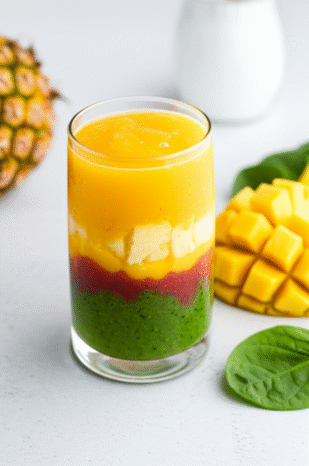
The term “tropical” usually conjures images of sun-drenched beaches and exotic fruits. When we talk about tropical smoothies, we’re generally referring to blends that feature fruits native to warm, humid climates. Think mangoes, pineapples, papayas, bananas, coconuts, and passion fruit. These fruits often bring a vibrant sweetness and a distinct flavor profile that’s hard to replicate. Their natural sugars are part of what makes them so appealing, providing a quick energy boost.
These fruits are often rich in vitamins, minerals, and antioxidants. For instance, mangoes are a great source of Vitamin C and Vitamin A, while pineapples contain bromelain, an enzyme known for its digestive benefits. Coconuts add healthy fats and a creamy texture. When combined, these ingredients can create a truly delightful and potentially very nutritious drink.
The Health Halo: Are They Always Good For You?
This is where the “shocking truth” often comes into play. While the fruits themselves are packed with goodness, the way smoothies are prepared can drastically change their health profile. Many commercially prepared tropical smoothies, or even recipes made at home with certain additions, can become sugar bombs. This happens for a few reasons:
- Excessive Fruit: While fruit is healthy, consuming multiple servings in one go can lead to a high sugar intake.
- Added Sweeteners: Many recipes call for honey, agave nectar, maple syrup, or even refined sugar to enhance sweetness.
- Sweetened Bases: Using sweetened yogurts, juices, or flavored milk alternatives adds even more sugar.
- Concentrated Juices: Some smoothies use fruit juices as a liquid base, which strips away fiber and concentrates sugars.
A smoothie that’s loaded with added sugars and very little fiber can lead to rapid blood sugar spikes, followed by energy crashes. This is the opposite of what we aim for with a healthy drink. It’s important to remember that even natural sugars from fruit should be consumed in moderation as part of a balanced diet. According to the American Heart Association, adults should consume no more than 24 grams (about 6 teaspoons) of added sugar per day.
The Nutritional Powerhouse: What Makes a Truly Healthy Tropical Smoothie
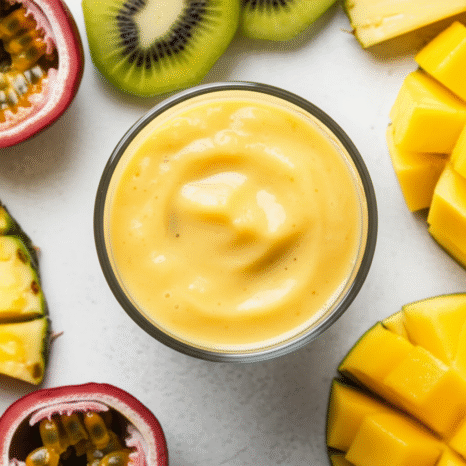
So, how do you ensure your tropical smoothie is a health-conscious choice? It’s all about smart ingredient selection and balance. A truly healthy tropical smoothie is one that nourishes your body, provides sustained energy, and keeps you feeling satisfied.
Here are the key components of a healthy tropical blend:
1. The Fruit Foundation: Choosing Wisely
Stick to whole, fresh, or frozen fruits. Frozen fruits are fantastic because they eliminate the need for ice, which can water down the flavor, and they make your smoothie thick and creamy. Aim for a balanced mix. While bananas are great for creaminess, consider pairing them with lower-sugar fruits or balancing their sweetness with other ingredients.
Good Tropical Fruit Choices:
- Mango
- Pineapple
- Papaya
- Banana (in moderation)
- Passion Fruit
- Guava
- Berries (like strawberries or raspberries, which are lower in sugar)
2. The Liquid Base: Hydration Without the Hype
The liquid you choose sets the stage for your smoothie’s texture and nutritional profile. Opt for unsweetened bases to control sugar intake.
- Water: The simplest, most calorie-free option.
- Unsweetened Coconut Water: Adds electrolytes and a subtle tropical flavor.
- Unsweetened Plant Milks: Almond, cashew, oat, or soy milk provide creaminess without dairy.
- Coconut Milk (light, unsweetened): Adds richness and healthy fats.
Avoid fruit juices, as they are high in sugar and lack fiber. If you crave a juice flavor, try adding a small splash of 100% pure juice and balancing it with water.
3. The Nutrient Boosters: Beyond the Fruit
This is where you can really elevate your tropical smoothie from a simple treat to a nutritional powerhouse. Don’t be afraid to add these elements:
- Leafy Greens: Spinach is virtually tasteless in a smoothie and adds a huge dose of vitamins and minerals. Kale is another option, though it has a stronger flavor.
- Healthy Fats: A tablespoon of chia seeds, flax seeds, hemp seeds, or a quarter of an avocado can add healthy fats, fiber, and creaminess, promoting satiety.
- Protein: A scoop of unflavored or vanilla protein powder (whey, pea, or soy), Greek yogurt, or silken tofu can make your smoothie more filling and aid muscle recovery.
- Spices: A pinch of cinnamon, ginger, or turmeric can add flavor and anti-inflammatory benefits.
4. Sweeteners: Use Sparingly, If At All
Ideally, the natural sweetness of the fruits should be enough. If you absolutely need a little extra sweetness, choose natural options and use them sparingly:
- A date or two
- A tiny drizzle of pure maple syrup or honey
- A few drops of stevia
Taste your smoothie before adding any extra sweetener. You might be surprised by how sweet it already is!
The Benefits of a Well-Made Tropical Smoothie
When prepared with the right ingredients, tropical smoothies offer a wealth of benefits:
- Nutrient-Dense: Packed with vitamins, minerals, antioxidants, and fiber.
- Hydrating: The liquid base and water content of fruits contribute to hydration.
- Energy Boost: Provides natural sugars for quick energy, balanced with fiber for sustained release.
- Digestive Health: Fiber from fruits and added seeds supports a healthy gut.
- Convenient: Quick to make, especially for busy mornings or post-workout recovery.
- Customizable: Easily adaptable to dietary needs and preferences.
Common Tropical Smoothie Pitfalls to Avoid
Let’s dive a little deeper into the traps beginners often fall into. Recognizing these will help you create consistently healthy smoothies.
1. The “All Fruit, All the Time” Trap
While fruit is good, too much of a good thing can be problematic. A smoothie made with 3-4 large pieces of fruit (like a whole mango, banana, and pineapple) can easily contain over 50 grams of sugar. This is a lot for one sitting. Balance is key. Mix sweet fruits with lower-sugar options like berries or incorporate vegetables.
2. The Dairy Dilemma
Not all dairy is created equal for smoothies. Full-fat, plain Greek yogurt is a great source of protein and probiotics. However, sweetened yogurts, ice cream, or sherbet will significantly increase the sugar and calorie count, turning your healthy drink into a dessert.
3. The “Juice is Healthy” Myth
This is a big one! Many people think adding orange juice or pineapple juice to their smoothie is a healthy way to boost flavor and vitamin C. However, fruit juice is essentially fruit sugar without the beneficial fiber. The fiber in whole fruit slows down sugar absorption. When you drink juice, that sugar hits your bloodstream much faster, leading to those energy spikes and crashes we want to avoid. If you love the taste of juice, try adding just a small splash (a couple of tablespoons) and using water or unsweetened plant milk as your primary liquid.
4. The Over-Reliance on Sweeteners
It’s easy to get into the habit of adding a spoonful of honey or agave “just to make it taste better.” Over time, your palate can become accustomed to this higher level of sweetness, making less sweet, naturally nutritious foods seem bland. Try gradually reducing the amount of added sweetener you use, or eliminate it altogether, allowing the natural flavors of the fruits and other ingredients to shine.
A Beginner’s Guide to Making Tropical Smoothies
Ready to get blending? It’s simpler than you think. Here’s a basic formula to get you started, along with a step-by-step process.
The Basic Healthy Tropical Smoothie Formula:
This is a flexible guideline. Feel free to adjust based on your preferences and what you have on hand.
- 1 cup Liquid Base: Unsweetened water, coconut water, or plant milk.
- 1 cup Fruit: A mix of sweet and less-sweet options (e.g., ½ cup mango, ½ cup pineapple, ¼ cup berries). Frozen fruit is best for texture.
- ½ cup Veggies (Optional but Recommended): Fresh spinach or kale.
- 1-2 tablespoons Healthy Fats/Fiber: Chia seeds, flax seeds, hemp seeds, or ¼ avocado.
- Protein Source (Optional): ½ scoop protein powder, ¼ cup Greek yogurt, or silken tofu.
- Flavor Boosters (Optional): Pinch of ginger, cinnamon, lime juice.
Step-by-Step Smoothie Creation:
- Gather Your Ingredients: Select your chosen fruit, liquid, boosters, and any optional additions.
- Add Liquids First: Pour your liquid base into the blender. This helps the blades move freely.
- Add Greens (If Using): Place leafy greens on top of the liquid.
- Add Fruits and Other Ingredients: Add your fruits, seeds, protein powder, etc.
- Blend Until Smooth: Start on a low speed and gradually increase to high. Blend until all ingredients are fully incorporated and the smoothie is creamy. This usually takes 30-60 seconds depending on your blender.
- Taste and Adjust: Give it a taste. If it’s too thick, add a splash more liquid. If it needs a touch more sweetness, add half a date or a tiny bit of natural sweetener. If it needs brightness, a squeeze of lime juice works wonders.
- Serve Immediately: Pour into a glass and enjoy your healthy tropical creation!
Pro Tip: For an extra creamy smoothie without added fat, freeze chunks of banana or avocado. When ready to blend, add them directly from the freezer. This also helps keep your smoothie cold.
Tropical Smoothie Ingredient Spotlight: The Power of Oranges
As a fan of orange-based recipes, I have to highlight the incredible versatility and health benefits of oranges in smoothies! While not strictly “tropical” in the same vein as mango or pineapple, oranges thrive in warm climates and bring a unique citrusy zest that complements many tropical flavors beautifully.
Why Oranges?
- Vitamin C Powerhouse: Oranges are famously rich in Vitamin C, a potent antioxidant that supports your immune system and skin health.
- Natural Sweetness & Acidity: They provide a delightful balance of sweetness and tartness that can cut through the richness of other fruits.
- Hydration: Oranges are about 87% water, contributing to your smoothie’s liquid content.
- Fiber (When Whole): Using the whole orange (peeled, of course!) adds valuable fiber, unlike orange juice.
How to Use Oranges in Tropical Smoothies:
- Peeled Whole Orange: Remove the peel and pith, then add segments to your blender. This is the healthiest way to include them.
- Orange Juice (in moderation): If you prefer juice, use a small amount of 100% pure orange juice (about ¼ cup) and balance with water or unsweetened milk.
- Orange Zest: A tiny bit of orange zest can add a wonderfully aromatic citrus note without extra sugar.
An orange can be a fantastic addition to a mango-pineapple smoothie, providing a bright, refreshing counterpoint. It can also pair well with coconut milk and a touch of ginger for a creamy, zesty treat.
Nutritional Comparison: Healthy vs. Unhealthy Tropical Smoothies
To truly grasp the difference, let’s look at a side-by-side comparison of two hypothetical tropical smoothies. Note that these are approximations, and actual values can vary widely based on specific ingredients and portion sizes.
| Component | Healthy Tropical Smoothie (Example) | Unhealthy Tropical Smoothie (Example) |
|---|---|---|
| Liquid Base | 1 cup Unsweetened Almond Milk | 1 cup Orange Juice |
| Fruits | ½ cup Frozen Mango, ½ cup Frozen Pineapple, ¼ cup Strawberries | 1 cup Mango Chunks, 1 Frozen Banana |
| Greens | 1 cup Spinach | None |
| Fats/Fiber | 1 tbsp Chia Seeds | None |
| Protein | ½ scoop Vanilla Protein Powder (unsweetened) | ½ cup Vanilla Ice Cream |
| Sweetener | None | 1 tbsp Honey |
| Approx. Calories | ~250-300 kcal | ~500-600 kcal |
| Approx. Sugar | ~30-40g (mostly natural) | ~60-80g (significant added sugar) |
| Approx. Fiber | ~8-10g | ~4-5g |
| Key Nutrients | Vitamins A, C, K, Iron, Calcium, Healthy Fats, Protein | High in Sugar, Lower in Fiber, Lower in overall micronutrients per calorie |
As you can see, the “unhealthy” version is essentially a dessert in a glass. The “healthy” version, while still containing natural sugars from fruit, is balanced with fiber, protein, healthy fats, and micronutrients, making it a much more satisfying and nourishing choice.
Smoothie Tools for Beginners
You don’t need the most expensive blender to make great smoothies, but having the right tools makes the process much easier and more enjoyable.
- Blender: This is your primary tool.
- Personal Blenders (e.g., NutriBullet, Magic Bullet): Great for single servings, compact, and easy to clean. You blend directly in the cup you drink from.
- Countertop Blenders (e.g., Ninja, Vitamix, Blendtec): More powerful, can handle tougher ingredients like ice and frozen fruit with ease, and often have larger capacities.
- Measuring Cups and Spoons: Essential for getting your ingredient ratios right, especially when you’re starting out.
- Cutting Board and Knife: For prepping fresh fruits and vegetables.
- Spatula: To scrape down the sides of the blender jar if needed.
- Straws (Optional): Some people prefer to drink their smoothies with a straw.
Don’t feel pressured to buy the fanciest equipment. A basic blender that can handle frozen fruit will get you started on your healthy smoothie journey.
Frequently Asked Questions About Tropical Smoothies
Q1: Are all store-bought tropical smoothies unhealthy?
Not necessarily, but you need to read labels carefully. Many chains add significant amounts of sugar, syrups, or fruit juices. Look for options with minimal added sugar, and ideally, ask for modifications like “no added sweetener” or “extra greens.” Always check the nutrition information if available.
Q2: Can I use canned tropical fruit in my smoothie?
It’s best to avoid canned fruit packed in syrup. The syrup adds a lot of unnecessary sugar. If you must use canned fruit, opt for varieties packed in their own juice or water, and drain them well before adding to your smoothie.
Q3: How can I make my tropical smoothie thicker?
Use frozen fruits (especially banana or mango), add a small amount of avocado, a tablespoon of chia seeds or oats, or reduce the amount of liquid you use. Adding ice cubes can also thicken it, but it might dilute the flavor.
Q4: Can I make tropical smoothies ahead of time?
You can prepare smoothie packs by portioning your fruits, greens, and seeds into freezer bags. When you’re ready to blend, just dump the contents into the blender, add your liquid, and blend. Blending the entire smoothie and storing it for more than a few hours isn’t ideal, as it can separate and lose nutrients and texture.
Q5: What are some good tropical smoothie flavor combinations?
Try Mango-Pineapple-Coconut, Banana-Papaya-Lime, Guava-Strawberry-Orange, or Pineapple-Spinach-Ginger.
Q6: Is it okay to add ice to my tropical smoothie?
Yes, you can add ice if you are using fresh, unfrozen fruit and want to achieve a colder, thicker consistency. However, using frozen fruit is often preferred as it chills and thickens the smoothie without watering down the flavor.
Conclusion: Blend Smart, Live Healthy
So, are tropical smoothies healthy? The answer, as you’ve learned, is a resounding “it depends.” They possess incredible potential to be a vibrant, nutrient-rich part of your diet. By understanding the ingredients and making conscious choices – prioritizing whole fruits, unsweetened liquids, and nutrient-boosting additions while being mindful of added sugars – you can transform a potentially dessert-like drink into a health elixir. Armed with this knowledge, you can confidently create delicious, energizing tropical smoothies that support your wellness goals, one refreshing sip at a time. Happy blending!
smartblander.com is a participant in the Amazon Services LLC Associates Program, an affiliate advertising program. As an Amazon Associate, we earn from qualifying purchases made through our links.
