

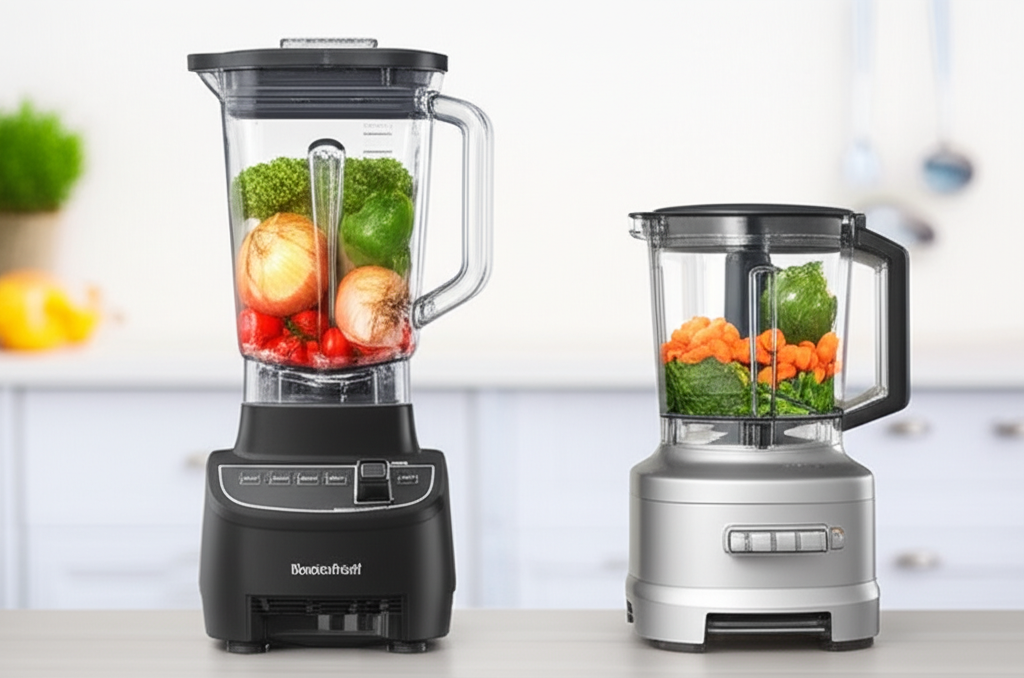
Yes, you can often use a blender instead of a food processor for many tasks, especially for smoothies and purees. However, a blender excels at liquids, while a food processor is better for chopping, slicing, and dough. Understanding their differences helps you choose the right tool for your recipe.
Key Takeaways
- Blend for liquids and smooth textures.
- Chop and process solids in a food processor.
- Consider blade design and motor power.
- Start with softer ingredients for blender-based chopping.
- Clean both appliances thoroughly after use.
- Experiment cautiously to find what works best.
Can I Use Blender Instead of Food Processor? The Shocking Truth!
You’re in the kitchen, ready to whip up a delicious recipe, and you reach for your food processor… only to realize it’s not there, or perhaps you don’t even own one! A common question pops into your mind: “Can I use a blender instead of a food processor?” It’s a valid question, especially for beginners navigating the world of kitchen gadgets. While both appliances have spinning blades and a motor, they are designed for slightly different jobs. But don’t worry! This guide will demystify the differences and show you how you can often use your blender as a stand-in, especially for those vibrant smoothies and citrus-forward creations you love. Let’s uncover the shocking truth and empower you to make the best choice for your culinary adventures.
Understanding Your Kitchen Appliances: Blender vs. Food Processor
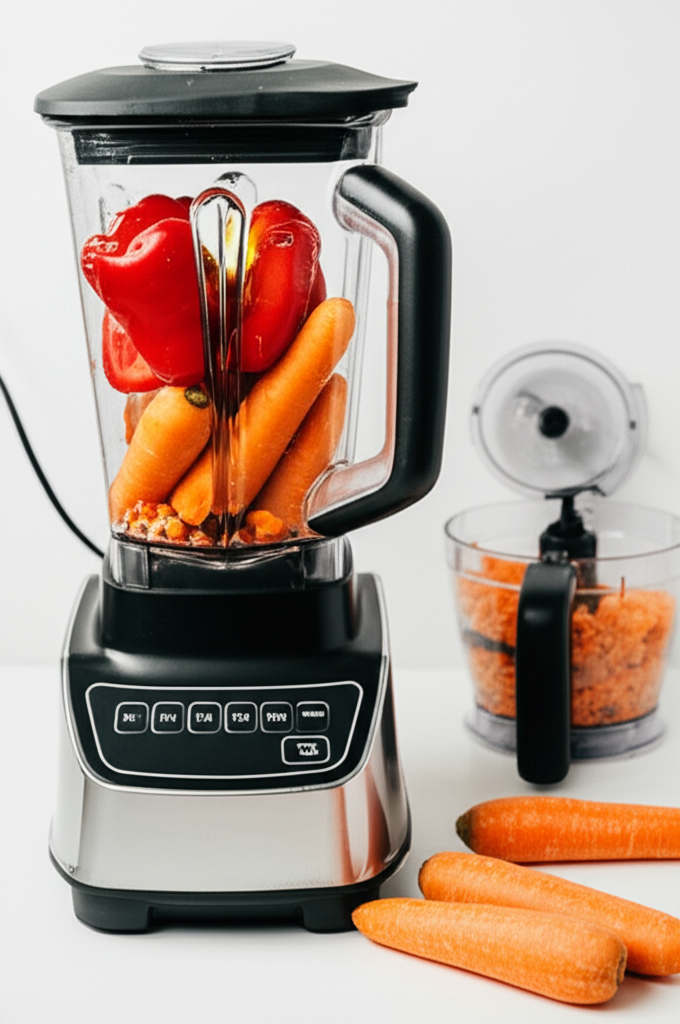
It’s easy to confuse a blender and a food processor. Both have sharp blades that spin rapidly to break down ingredients. However, their design and intended use are quite distinct. Think of it this way: a blender is like a liquid artist, while a food processor is a versatile chopping and mixing maestro.
The Blender’s Domain: Liquids and Smoothness
Blenders are primarily built for creating smooth, often liquid-based mixtures. Their tall, narrow jars and blade design are optimized for drawing ingredients down towards the blades, ensuring a vortex effect that pulverizes everything into a consistent texture. This makes them perfect for:
- Smoothies: This is where blenders truly shine. From your morning citrus blast to a creamy berry blend, they handle fruits, vegetables, ice, and liquids beautifully.
- Soups: Pureeing cooked vegetables into a silky smooth soup is a blender’s forte.
- Sauces and Dressings: Emulsifying ingredients for creamy dressings or smooth sauces is easily achieved.
- Purees: Baby food, fruit purees for desserts, or even pureed cooked grains are simple tasks for a blender.
The tall jar shape of a blender is crucial. It helps contain the ingredients, forcing them into a circular motion that ensures everything gets blended thoroughly and smoothly. The blades are typically smaller and positioned lower in the jar, designed to liquefy rather than chop.
The Food Processor’s Realm: Chopping, Slicing, and Dough
Food processors, on the other hand, are designed for a wider range of tasks, particularly those involving drier or chunkier ingredients. Their wider, shallower bowls and S-shaped blades are excellent for:
- Chopping: Vegetables for salsas, mirepoix (onions, carrots, celery), nuts, or herbs.
- Slicing and Shredding: Many food processors come with interchangeable discs for uniform slicing and shredding of fruits and vegetables.
- Grinding: Making breadcrumbs from stale bread or grinding tougher ingredients.
- Dough Making: Kneading bread or pastry dough.
- Pestos and Dips: Creating chunkier textures like pesto or hummus, where you might not want a completely smooth consistency.
The broad bowl allows ingredients to spread out, making it easier for the blades to chop them evenly without becoming mushy. The S-shaped blade design is effective for a cutting and mixing action. Some food processors also come with specialized attachments, like dough hooks or slicing discs, further expanding their versatility.
Can You Really Use a Blender as a Food Processor?
The short answer is: sometimes, and with caveats. For many common tasks, especially those you might encounter when making smoothies or simple purees, your blender can absolutely step in. However, it won’t perform identically, and it’s important to know its limitations.
When a Blender Can Substitute for a Food Processor
If your goal is to achieve a smooth or semi-smooth consistency, a blender can often do the job of a food processor. This is particularly true for recipes that are already quite wet or soft.
- Making Smooth Dips and Spreads: For hummus or a creamy bean dip, if you’re willing to scrape down the sides a few times, a blender can work. You might need to add a little extra liquid to help it blend.
- Pureeing Cooked Vegetables: For soups or pureed side dishes, a blender is often superior to a food processor anyway, giving you that silky-smooth finish.
- Making Sauces: Many simple sauces benefit from the smooth texture a blender provides.
- Chopping Softer Ingredients (with caution): If you need to finely chop ingredients like cooked vegetables, soft fruits, or even some herbs, a blender can work. Pulse it carefully to avoid turning it into a puree.
When a Blender Falls Short (and a Food Processor is Better)
There are several situations where using a blender instead of a food processor will lead to frustration or suboptimal results.
- Dry Chopping: Trying to chop nuts or seeds in a blender can quickly turn them into butter or paste due to the high speed and liquid-drawing action. A food processor offers more control for pulsed, drier chopping.
- Slicing and Shredding: Blenders do not have the ability to slice or shred ingredients. This is a task exclusively for a food processor with its specialized discs.
- Kneading Dough: The blades in a blender are not designed for kneading dough. This can overload the motor and damage the blender. Food processors with dough blades are specifically built for this.
- Large Batches of Dry Ingredients: If you need to chop a large quantity of vegetables for a stir-fry or salad, the small capacity and design of most blender jars make it impractical. A food processor’s wider bowl is more efficient.
- Achieving Chunky Textures: Blenders are designed to liquefy. If you want a chunky salsa or a textured pesto, a blender will likely over-process it into a mush.
Blender vs. Food Processor: A Quick Comparison Table
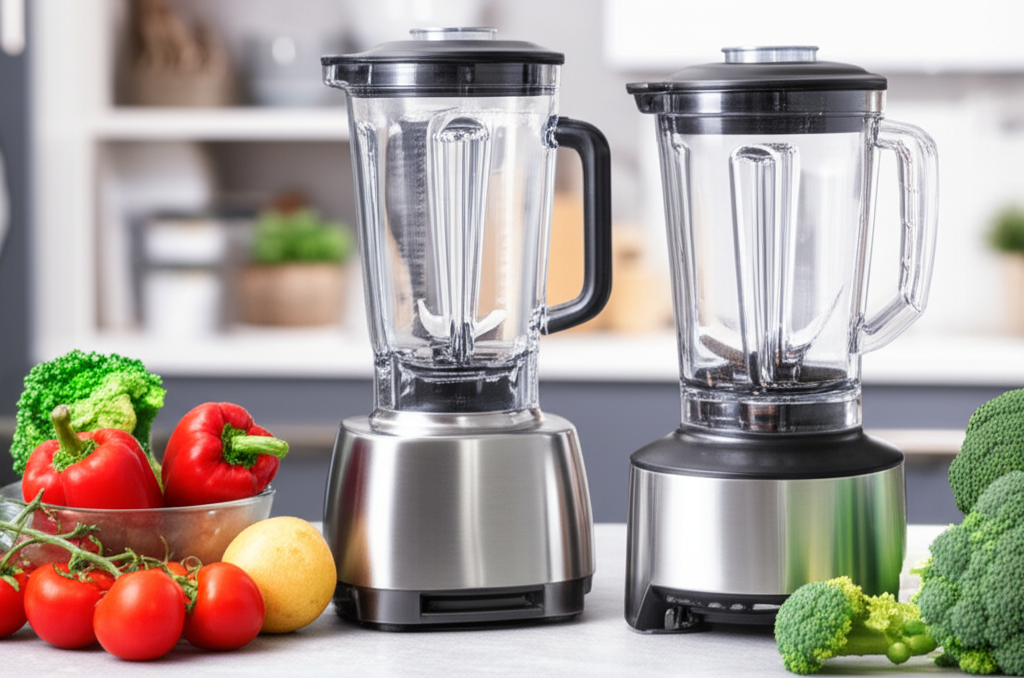
To help solidify the differences, here’s a handy table summarizing their primary functions and strengths.
| Feature | Blender | Food Processor |
|---|---|---|
| Primary Function | Liquefying, Pureeing, Emulsifying | Chopping, Slicing, Shredding, Mixing, Kneading |
| Best For | Smoothies, Soups, Sauces, Smooth purees | Diced vegetables, Pestos, Dips, Dough, Salsas |
| Blade Design | Smaller, fixed blades optimized for vortex | Larger, interchangeable S-shaped blades |
| Container Shape | Tall, narrow jar | Wide, shallow bowl |
| Liquid Requirement | Often requires liquid to blend effectively | Can process dry ingredients effectively |
| Control Over Texture | Less control for chunky textures; excels at smooth | More control for varied textures (chopped to pureed) |
How to Use a Blender When You Need a Food Processor
If you’re determined to use your blender for a food processor task, especially chopping, here’s how to approach it smartly. Remember, patience and careful pulsing are key!
Step-by-Step: Chopping with a Blender
This method works best for softer ingredients that you want to chop finely, not for slicing or shredding.
- Choose the Right Blender: A more powerful blender with a “pulse” function will give you better control. If your blender only has speed settings, you’ll need to be extra careful.
- Prepare Your Ingredients: Cut your ingredients into smaller, uniform pieces (about 1-inch cubes). This helps them blend more evenly. Ensure they are not too hard, like raw carrots or dense nuts.
- Add Ingredients to the Jar: Place the chopped ingredients into the blender jar. Do not overfill it; you want to process in smaller batches for better results.
- Use the Pulse Function: This is crucial! Instead of letting the blender run continuously, use the pulse button. Give it short, quick bursts. For example, pulse 5-10 times, then check the consistency.
- Scrape Down the Sides: After a few pulses, stop the blender and use a spatula to scrape down any ingredients stuck to the sides or clinging to the blades. Redistribute the ingredients in the jar.
- Repeat Pulsing: Continue pulsing and scraping as needed until you reach your desired consistency. Be vigilant! It’s very easy to go from chopped to pureed in a blender.
- For Slightly Coarser Chops: If you want a slightly coarser chop, consider adding a tablespoon or two of water or oil. This can help the ingredients tumble rather than get pulverized.
Pro Tips for Blender-Based Chopping
Pro Tip: For best results when using a blender for chopping, work in small batches. Overcrowding the jar is the quickest way to turn chopped ingredients into a mushy mess. It’s better to do two or three small batches than one large, unsuccessful one.
Best Blender Alternatives for Food Processor Tasks
While a blender can substitute in a pinch, sometimes another tool might be a better fit, or you might decide it’s time to invest in a food processor. Here are a few thoughts:
- Immersion Blender (Hand Blender): Excellent for pureeing soups directly in the pot or making small batches of sauces and dips. It’s not good for chopping or dry ingredients.
- Manual Food Choppers: Small, handheld choppers with pull cords can be effective for dicing onions, herbs, or nuts for smaller quantities. They offer good control but require manual effort.
- A Sharp Knife: For many tasks, especially dicing vegetables for salads or stir-fries, a good chef’s knife and some knife skills are the most efficient and versatile tools.
- A Full-Sized Food Processor: If you find yourself frequently needing to chop, slice, shred, or make dough, investing in a dedicated food processor will save you time and effort and yield superior results. Brands like Cuisinart and Breville offer excellent options.
Nutritional Benefits of Freshly Prepared Foods
Whether you’re using a blender for a vibrant green smoothie or a food processor for homemade salsa, preparing your own food offers significant nutritional advantages. You control the ingredients, ensuring you’re getting fresh, whole foods without added sugars, preservatives, or excessive sodium often found in pre-packaged options.
For instance, a smoothie made in your blender with fresh citrus fruits, spinach, and a touch of ginger is packed with Vitamin C, antioxidants, and fiber. According to the National Institutes of Health (NIH), Vitamin C is essential for immune function and skin health. Similarly, a salsa prepared in a food processor with fresh tomatoes, onions, cilantro, and lime juice provides lycopene, vitamin A, and vitamin K, all vital nutrients.
By using these appliances to create healthy meals and snacks, you’re making a conscious choice to fuel your body with the best nature has to offer. This aligns perfectly with a wellness-focused lifestyle, making healthy eating both accessible and enjoyable.
Frequently Asked Questions (FAQ)
Can I make nut butter in a blender?
Yes, you can make nut butter in a high-powered blender. However, it requires patience and often the addition of a little oil to help the process. You’ll need to stop and scrape down the sides frequently. A food processor is generally better for making nut butter with less effort and a more controlled texture.
Will a blender damage my herbs if I try to chop them?
If you use the pulse function carefully and in short bursts, a blender can finely chop herbs. However, it’s very easy to over-process them into a paste or a stringy mush. For finely minced herbs, a sharp knife is often best, or a food processor on a quick pulse setting.
Is it okay to put ice in a blender?
Most modern blenders are designed to handle ice, especially for making smoothies or frozen drinks. Always check your blender’s manual. If you have an older or less powerful blender, it’s best to use crushed ice or add ice cubes gradually.
What is the difference in motor power between blenders and food processors?
Motor power can vary greatly in both appliances. High-end blenders often have very powerful motors (1000+ watts) designed for intense blending. Food processors also come with powerful motors, but their design is optimized for the torque needed for chopping, kneading, and processing thicker mixtures.
Can I use a blender for making pesto?
You can make pesto in a blender, but it will likely result in a smoother, more emulsified pesto than what you’d get from a food processor. A food processor allows for more control to achieve a slightly chunkier, traditional pesto texture.
What if my blender doesn’t have a pulse function?
If your blender lacks a pulse function, you’ll need to manually control the blending by turning the motor on and off very quickly. It requires constant attention to avoid over-processing. Start with very short bursts (1-2 seconds) and check the consistency frequently.
How do I clean my blender or food processor?
Most blenders and food processors can be cleaned by filling the jar/bowl with warm water, adding a drop of dish soap, and blending for 30-60 seconds. Rinse thoroughly. For tougher residue, use a soft brush. Always unplug the appliance before disassembling or hand-washing parts, and ensure they are completely dry before reassembling.
Conclusion: Your Kitchen Tool Toolkit
So, can you use a blender instead of a food processor? The answer is a nuanced yes, but with a clear understanding of their individual strengths. For liquefying, pureeing, and creating smooth concoctions like your favorite citrus smoothies, your blender is king. When it comes to chopping, slicing, shredding, or tackling dough, a food processor is the undisputed champion.
By knowing these differences, you can confidently choose the right tool for the job. If you’re just starting out, your blender can certainly handle many tasks that might otherwise require a food processor, especially if you employ careful pulsing and work in small batches. However, as your culinary skills grow and your recipe repertoire expands, you might find that a dedicated food processor becomes an invaluable addition to your kitchen toolkit, opening up a whole new world of culinary possibilities.
smartblander.com is a participant in the Amazon Services LLC Associates Program, an affiliate advertising program. As an Amazon Associate, we earn from qualifying purchases made through our links.
