

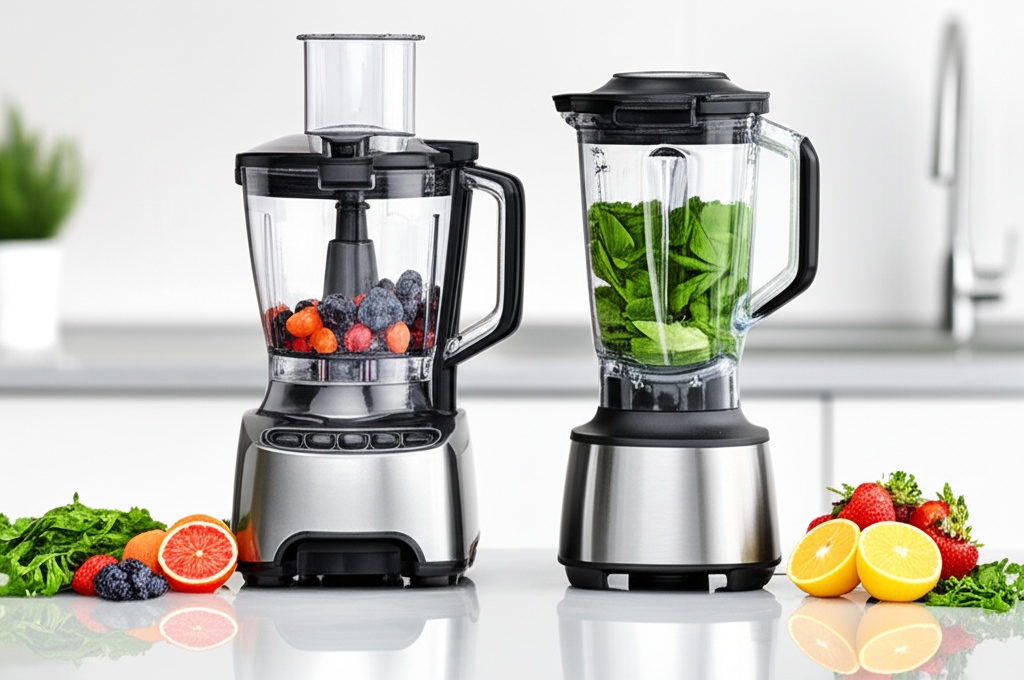
Can You Use A Food Processor As A Blender: Shocking Truth!
Yes, you can often use a food processor as a blender for certain tasks, but with significant limitations. While both appliances have blades and a motor, their design and intended use differ, impacting their effectiveness for blending versus chopping. Understanding these differences will help you decide if your food processor is up to the task.
Key Takeaways
- Processors excel at chopping, slicing, and shredding.
- Blenders are designed for liquefying and pureeing.
- Smoothies are challenging for most food processors.
- Use caution with liquids in food processors.
- Consider a blender for consistent, smooth results.
- Food processors can make chunky dips or sauces.
Have you ever stood in your kitchen, smoothie ingredients ready to go, only to realize your blender is… somewhere? Or perhaps you’re eyeing your trusty food processor and wondering, “Can I use this instead?” It’s a common kitchen conundrum! While both appliances seem similar with their spinning blades, they are built for different jobs. This can lead to confusion, especially for beginners or those looking to maximize their kitchen tools. But don’t worry! We’re going to break down exactly what your food processor can and cannot do when it comes to blending. Get ready to discover the shocking truth and learn how to get the best results, no matter which tool you reach for.
Understanding the Core Differences: Food Processor vs. Blender
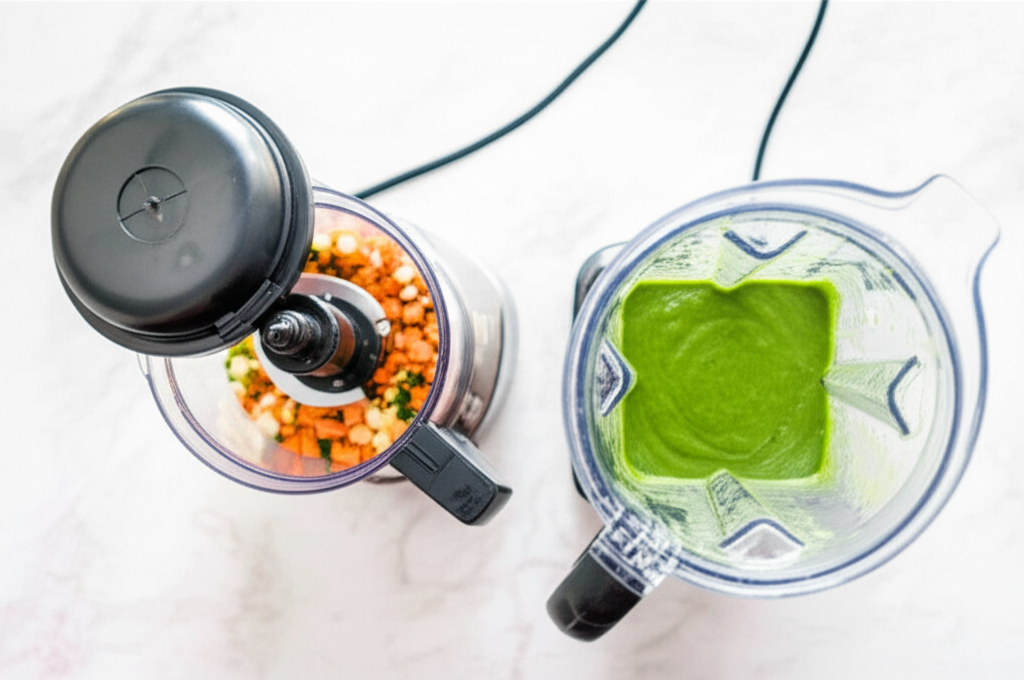
At first glance, a food processor and a blender might seem like interchangeable kitchen workhorses. Both have powerful motors and sharp blades designed to break down food. However, their fundamental design principles and intended functions are quite distinct. This is the crucial point that determines whether one can truly substitute for the other. Think of it like comparing a sports car to a truck; both are vehicles, but they’re built for very different purposes and excel in different scenarios.
Blade Design and Functionality
The most significant difference lies in the blades. A food processor typically comes with a large, S-shaped blade that sits very close to the bottom of the bowl. This blade is designed for chopping, dicing, mincing, and shredding ingredients by keeping them in close contact with the blade’s sharp edges. The bowl itself is usually wide and shallow. This design is fantastic for creating uniform cuts or quickly processing dry ingredients. For example, you can pulse nuts into a coarse meal or shred cheese in seconds.
On the other hand, a blender features smaller, often multi-tiered blades that are positioned lower in a tall, narrow jar. This configuration is specifically engineered to create a vortex when the motor is running. This vortex pulls ingredients down towards the blades, allowing them to be thoroughly pulverized and mixed with liquids. This is essential for achieving smooth textures. The tall jar also helps to contain the liquid and prevent splashing, which is a common issue when trying to blend with a food processor.
Motor Power and Speed
While both appliances have motors, their power and speed profiles often differ. Blenders, especially those designed for smoothies, typically have higher wattage motors and operate at much higher speeds. This high speed is critical for breaking down tough ingredients like ice, frozen fruit, or fibrous vegetables into a silky smooth consistency. The rapid rotation creates the necessary friction and force to liquefy ingredients effectively.
Food processors, while powerful, are generally designed for lower speeds and more controlled chopping actions. Their motors are optimized for tasks like making dough, pureeing cooked vegetables for soup, or creating a coarse chop for salsa. Attempting to reach the high speeds needed for a perfectly smooth smoothie with a food processor is often not possible, leading to chunkier results or an overworked motor.
Container Shape and Purpose
The shape of the container—the bowl for a food processor and the jar for a blender—is another key differentiator. Food processor bowls are wide and relatively shallow. This shape is ideal for processing solid ingredients that need to be cut or grated. It allows ingredients to spread out, ensuring even contact with the blade for chopping.
Blender jars are typically tall and narrow. This design is crucial for the vortex action needed to blend liquids and solids smoothly. The shape helps to funnel ingredients towards the blades, ensuring everything gets incorporated and liquefied. It also minimizes the risk of liquid escaping, which can be a significant problem when using a food processor for tasks that involve a lot of liquid.
Can You Use a Food Processor as a Blender? The Short Answer
Yes, but with caveats. A food processor can technically blend some ingredients, especially if you’re aiming for a less smooth, more rustic texture. However, it will struggle with tasks that require true liquefaction, like making a silky-smooth green smoothie or a creamy milkshake. For these, a dedicated blender is far superior.
When a Food Processor Might Work (and When It Won’t)
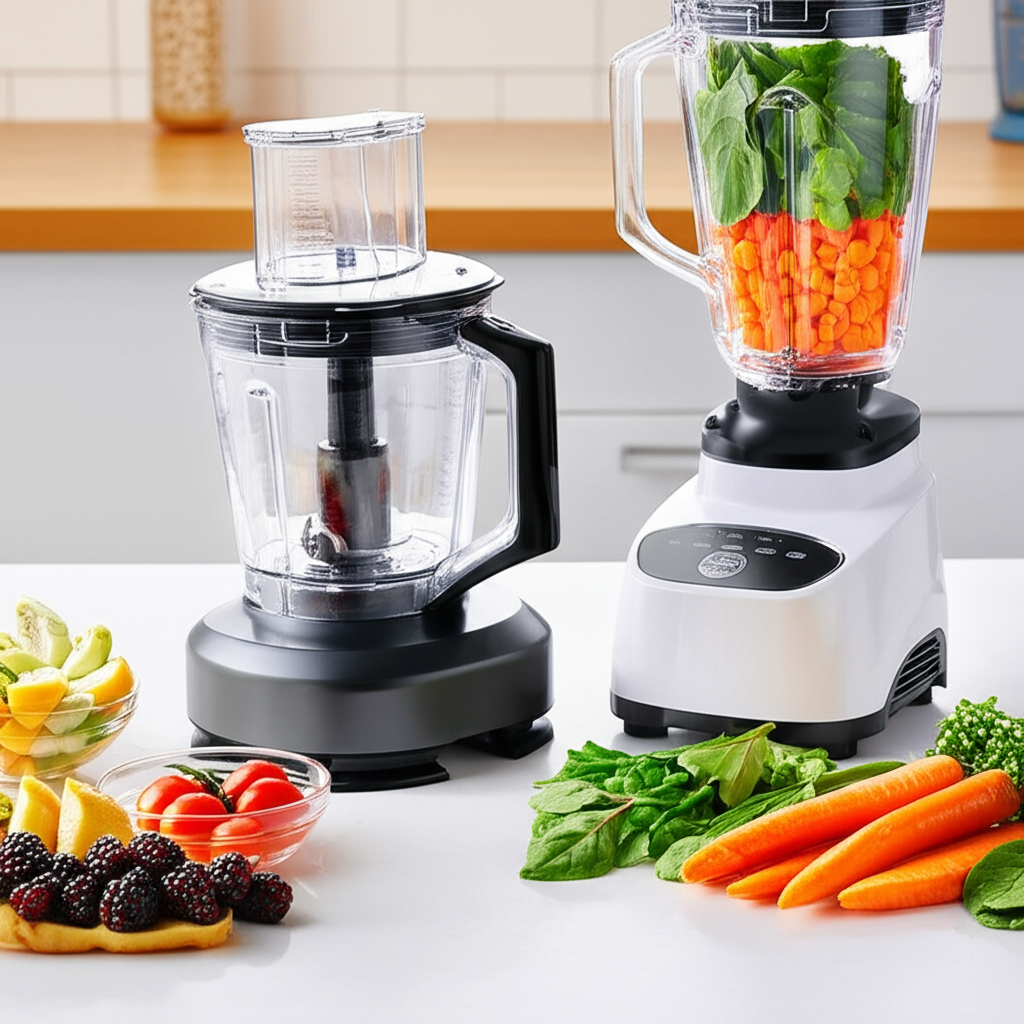
The success of using a food processor as a blender heavily depends on the desired outcome and the ingredients you’re working with. Let’s break down specific scenarios.
What Food Processors Can Handle (with limitations):
- Chunky Dips and Sauces: For things like pesto, hummus, or a rough salsa, a food processor can do a decent job. You can pulse ingredients until they reach your desired consistency, which might be slightly chunkier than what a blender would produce.
- Pureeing Cooked Foods: If you’re making a smooth sweet potato mash or pureeing cooked vegetables for a soup base, a food processor can often achieve a good result, especially if you add some liquid.
- Nut Butters (Coarse): While you won’t get the ultra-smooth, creamy texture of store-bought nut butter, a food processor can process nuts into a somewhat spreadable paste. It will likely be more granular.
- Thick Batters: For certain pancake or muffin batters, especially those with minimal liquid, a food processor can mix the ingredients without overworking them.
What Food Processors Struggle With:
- Smoothies: This is where the biggest difference lies. Achieving a truly smooth, drinkable smoothie with no chunks of fruit or ice is very difficult in a food processor. The blades aren’t designed to create the vortex needed to emulsify everything, and you’ll likely end up with a gritty or chunky beverage.
- Milkshakes and Frappuccinos: Similar to smoothies, these require a high degree of liquefaction and emulsification to achieve their signature creamy texture. A food processor will likely leave ice chunks or an uneven consistency.
- Iced Drinks: Crushing ice effectively for drinks like margaritas or daiquiris is not a food processor’s strong suit. It’s more likely to just bash the ice into smaller, irregular pieces rather than pulverize it into a fine snow.
- Very Thin Liquids: While you can add liquid to a food processor, it’s not designed to handle large volumes of thin liquids for extended periods without potential leakage or uneven processing.
Step-by-Step: How to Attempt Blending in a Food Processor
If you’re in a pinch and need to try blending with your food processor, follow these steps to maximize your chances of success and minimize potential issues.
- Assess Your Ingredients: Are you trying to make something very smooth like a smoothie, or is a slightly textured result acceptable, like a chunky salsa? If you need smoothness, proceed with caution.
- Add Liquids First: Pour any liquids (water, milk, juice) into the food processor bowl first. This helps to create a base and makes it easier for the blades to start moving the solid ingredients.
- Add Softer Ingredients Next: Follow with softer fruits, yogurts, or cooked vegetables.
- Add Harder Ingredients Last: If using ice or frozen fruit, add it on top. Be aware that the processor may struggle significantly with these.
- Secure the Lid Tightly: Ensure the lid is properly sealed to prevent splattering, especially if you’re using a fair amount of liquid.
- Start with Short Pulses: Begin by pulsing the ingredients a few times to break them down.
- Blend on Low Speed: If your food processor has speed settings, start on the lowest setting. High speeds are usually not effective for blending in a processor and can strain the motor.
- Use the “Push Down” Method: If your processor has a feed tube, you might need to use the pusher to help guide ingredients down towards the blades. This mimics the vortex action of a blender to some extent.
- Scrape Down the Sides: You will likely need to stop the processor frequently, scrape down the sides of the bowl with a spatula, and redistribute the ingredients to ensure even processing.
- Be Patient and Monitor Consistency: This process can take longer than using a blender. Stop and check the consistency regularly.
- Don’t Overfill: Avoid filling the food processor bowl more than halfway, especially with liquids, to prevent overflow and motor strain.
- Listen to Your Machine: If the motor sounds like it’s struggling or overheating, stop immediately.
Pro Tip: If you’re trying to make a smoothie, consider adding a bit more liquid than you normally would. This can help the ingredients move more freely and give the food processor blades a better chance to work. Also, chop any large frozen fruits into smaller pieces before adding them.
Food Processor vs. Blender: A Quick Comparison Table
To further clarify the differences and help you decide which appliance to use, here’s a handy comparison table:
| Feature | Food Processor | Blender |
|---|---|---|
| Primary Function | Chopping, slicing, shredding, mixing, kneading | Liquefying, pureeing, emulsifying, crushing ice |
| Blade Design | Large, S-shaped, sits high | Smaller, multi-tiered, sits low |
| Container Shape | Wide, shallow bowl | Tall, narrow jar |
| Ideal for Smoothies | Poor to Fair (chunky results) | Excellent |
| Ideal for Chopping Veggies | Excellent | Fair (can be inconsistent) |
| Ideal for Nut Butters | Fair (results are often granular) | Good to Excellent (especially high-powered models) |
| Handling Liquids | Can be messy, potential for leakage | Designed for liquids, minimizes splashing |
| Ice Crushing | Poor | Good to Excellent (depending on model) |
| Motor Speed | Generally lower, optimized for chopping | Generally higher, optimized for liquefying |
Liquid Considerations: The Leakage Risk
One of the most significant risks when trying to use a food processor as a blender is leakage. Food processor bowls are designed to hold ingredients, but they are not typically sealed in the same way a blender jar is. The lid on a food processor usually has a central opening for adding ingredients and a rim that sits on top of the bowl. While this is fine for dry chopping or thicker mixtures, it’s not ideal for blending large amounts of thin liquids.
When you blend, especially at higher speeds or with vigorous agitation, liquids can easily find their way through the lid’s central opening or even seep around the edges of the bowl and lid if the seal isn’t perfect. This can create a significant mess on your countertop and potentially damage your appliance. Blender jars, conversely, have a tightly sealed lid with a small, often removable, cap for adding ingredients, and the jar itself is designed to be watertight.
For this reason, it’s generally recommended to use a food processor for blending only when the liquid content is minimal or the mixture is very thick. If you must blend with a food processor and liquids are involved, proceed with extreme caution, keep the liquid level low, and be prepared for potential cleanup.
When to Invest in a Dedicated Blender
While it’s useful to know the limitations and potential workarounds of using a food processor for blending, there are times when investing in a dedicated blender is the best course of action. If your primary goal is to make smoothies, milkshakes, frozen cocktails, or other pureed beverages, a blender will consistently provide superior results and a much more enjoyable user experience.
High-powered blenders, like those from Vitamix or Blendtec, are designed to pulverize ingredients with incredible efficiency. They can handle ice, frozen fruits, and fibrous greens with ease, creating ultra-smooth textures that a food processor simply cannot replicate. Even more affordable personal blenders are often better suited for single-serving smoothies than a food processor.
Consider the types of recipes you make most often. If blending is a regular part of your culinary routine, a good blender will be a valuable addition to your kitchen arsenal. You can learn more about the different types of blenders available and their capabilities from resources like Food Network, which can help you make an informed decision.
Food Processor vs. Blender for Specific Citrus Recipes
As someone who loves citrus-based recipes, I know how crucial texture and consistency can be. Let’s look at how these appliances fare with some citrus favorites.
Orange Juice
Food Processor: Absolutely not. A food processor cannot extract juice from oranges. Its blades are designed to chop and shred, not to squeeze. You’ll end up with pulpy, fibrous orange mush. For fresh orange juice, you need a juicer (either centrifugal or masticating) or even a simple citrus reamer.
Blender: While you can put peeled orange segments in a blender with some water, it won’t produce pure juice. You’ll get an orange-flavored drink that’s more like a smoothie or a very pulpy juice. It’s a far cry from the clean, clear juice you get from a juicer. For a smoothie base, a blender is great, but for juice, it’s not the right tool.
Lemon or Lime Zest/Juice for Recipes
Food Processor: For zesting, you would typically use a microplane or a zester attachment on your food processor if it has one. The standard S-blade will pulverize the zest into a paste rather than fine strands. For juicing, it’s completely ineffective.
Blender: A blender is not suitable for zesting. For juicing lemons or limes for recipes, you would use a citrus juicer. If you wanted to incorporate whole, peeled segments into a recipe where texture isn’t paramount (like a marinade), a blender could work, but it’s not ideal.
Citrus Smoothies
Food Processor: This is where you might see some limited success, but with significant texture compromises. If you add peeled orange segments, yogurt, a splash of liquid, and maybe some soft berries, a food processor can break them down. However, expect a thicker, potentially grainier consistency than a blender would achieve. It won’t be the smooth, emulsified texture of a typical smoothie.
Blender: A blender is the ideal tool for citrus smoothies. It can easily incorporate ice, frozen fruit, greens, and liquids, creating a perfectly smooth, creamy, and refreshing drink. The vortex action ensures all ingredients are fully blended and emulsified.
FAQ: Your Food Processor Blending Questions Answered
Here are some common questions beginners have about using a food processor as a blender.
Q1: Will my food processor break if I try to make a smoothie?
A: It’s unlikely to break, but you risk overheating the motor if you run it for too long or try to blend very hard ingredients like large chunks of frozen fruit or ice without enough liquid. Listen for signs of strain.
Q2: Can I blend ice in a food processor?
A: You can, but the results will likely be poor. Instead of finely crushed ice, you’ll get irregularly shaped ice chunks. It’s much harder on the motor than liquid ingredients and won’t produce the smooth texture needed for frozen drinks.
Q3: How much liquid can I safely put in a food processor for blending?
A: It’s best to keep the liquid level below the top of the S-blade and well below the maximum fill line indicated on your bowl. For most processors, this means aiming for no more than 1-2 cups of liquid, depending on the bowl size. Always ensure the lid is secure.
Q4: My food processor made my smoothie chunky. What did I do wrong?
A: This is expected! Food processors aren’t designed to create the vortex needed for smooth blending. You likely need more liquid, smaller ingredient pieces, and more patience. However, even with perfect technique, a truly smooth texture is difficult to achieve.
Q5: Can I use my food processor for making baby food purees?
A: Yes, for baby food purees, a food processor can work quite well, especially for cooked vegetables and fruits. Since these ingredients are already soft, the processor can break them down effectively. You can add liquid to achieve the desired consistency, and the result is often sufficiently smooth for babies.
Q6: Is it better to use a blender or a food processor for making pesto?
A: Both can work, but they produce different results. A food processor is excellent for a traditional, slightly coarser pesto. A blender can create a smoother, more emulsified pesto. If you prefer the rustic texture, your food processor is perfect. If you want it ultra-smooth, a blender might be better.
Conclusion: Know Your Kitchen Tools!
So, can you use a food processor as a blender? The shocking truth is that while it can perform some blending tasks, it’s not a true substitute. Food processors are designed for chopping, slicing, and shredding, while blenders are built for liquefying and pureeing. For silky-smooth smoothies, creamy milkshakes, or finely crushed ice, a dedicated blender will always outperform a food processor. However, for chunkier dips, rustic sauces, or pureeing cooked foods, your food processor can certainly step up to the plate. By understanding the strengths and limitations of each appliance, you can make the best choice for your recipe and achieve delicious results every time. Happy cooking!
smartblander.com is a participant in the Amazon Services LLC Associates Program, an affiliate advertising program. As an Amazon Associate, we earn from qualifying purchases made through our links.
