


Orange juice left out of the fridge spoils much faster than you might think. Unrefrigerated orange juice typically lasts only 1-2 hours before becoming unsafe to drink due to bacterial growth. This guide reveals the surprising truth and how to keep your fresh juice safe.
Key Takeaways
- Consume fresh orange juice within 1-2 hours when unrefrigerated.
- Refrigeration dramatically extends orange juice shelf life.
- Pasteurized juice has a longer shelf life than fresh-squeezed.
- Look for signs of spoilage before drinking.
- Proper storage is crucial for juice safety.
How Long Does Orange Juice Last Unrefrigerated? The Shocking Truth Revealed!
You’ve just squeezed a pitcher of vibrant, fresh orange juice. It smells amazing and tastes even better! But what if you can’t get it into the refrigerator right away? This is a common situation, especially if you’re entertaining or making juice on the go. Many people wonder, “how long does orange juice last unrefrigerated?” The answer might surprise you, and it’s crucial for your health. Freshly squeezed orange juice, full of natural sugars and water, is a perfect breeding ground for bacteria once it’s at room temperature. Let’s dive into the science and practical tips to keep your delicious juice safe and enjoyable. We’ll break down exactly what you need to know to avoid any unwelcome surprises.
Understanding the Risks of Unrefrigerated Orange Juice
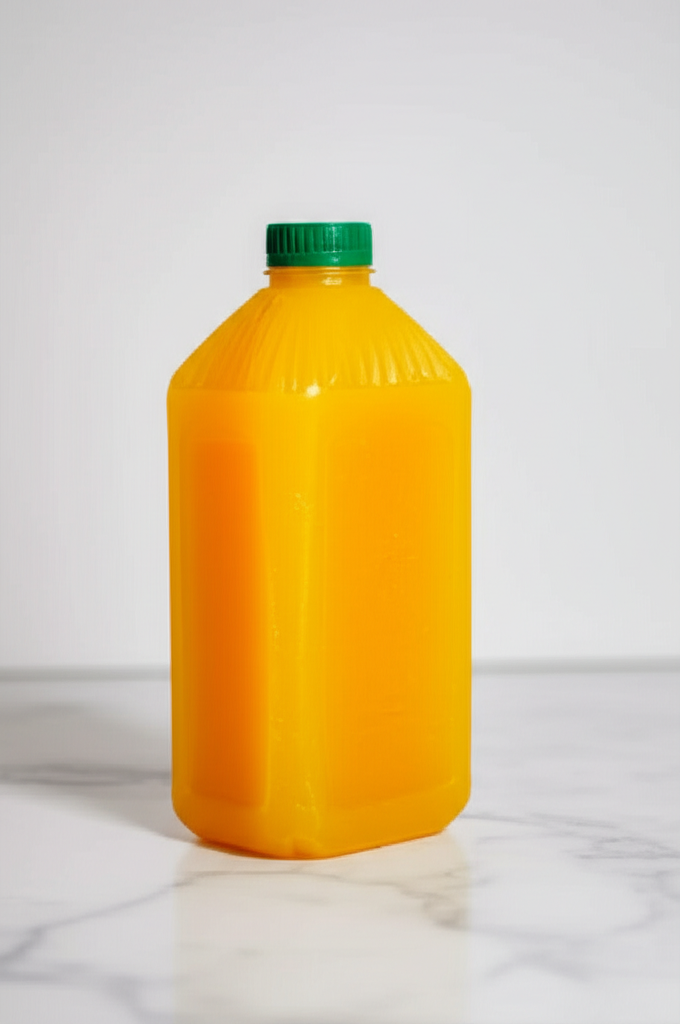
Orange juice, whether store-bought or freshly squeezed, is a delightful and vitamin-rich beverage. However, its composition makes it susceptible to rapid spoilage when not kept cold. The high sugar content and natural acidity, while beneficial in moderation, also create an environment where microorganisms can thrive if given the chance. Think of it like leaving a ripe fruit on the counter – it’s delicious for a while, but eventually, it will start to break down.
When orange juice is left at room temperature, or “unrefrigerated,” a chain reaction begins. Bacteria, yeasts, and molds naturally present in the air, on surfaces, or even in the oranges themselves, start to multiply. This process is called fermentation or spoilage. While some initial bacterial growth might not immediately make the juice taste bad, it can quickly reach levels that are harmful to consume. These microorganisms can produce toxins or cause foodborne illnesses.
The U.S. Food and Drug Administration (FDA) provides guidelines on food safety, emphasizing that perishable foods, including juices, should not be left in the “danger zone” – temperatures between 40°F (4°C) and 140°F (60°C) – for more than two hours. This is because bacteria multiply rapidly in this temperature range. For freshly squeezed, unpasteurized juice, this timeframe is even shorter because it lacks the heat treatment that kills off many harmful microbes.
Freshly Squeezed vs. Store-Bought: A Crucial Distinction
It’s vital to understand the difference between the orange juice you make at home and the juice you buy in cartons or bottles from the grocery store. This distinction significantly impacts how long the juice can safely sit out.
Freshly Squeezed Orange Juice
When you squeeze oranges at home, you’re getting pure, unadulterated juice. This means it contains all the natural sugars, vitamins, minerals, and enzymes from the fruit. However, it also contains any microorganisms that were present on the surface of the oranges or introduced during the juicing process. Because this juice is typically unpasteurized (meaning it hasn’t been heated to kill bacteria), it’s highly perishable.
How long does fresh orange juice last unrefrigerated? For freshly squeezed juice, the clock starts ticking the moment it’s out of the orange. It’s best to consume it immediately or refrigerate it within one hour. If left at room temperature for more than two hours, the risk of bacterial growth increases dramatically. Some sources even suggest a limit of one hour for optimal safety and quality, especially in warmer environments.
Store-Bought Orange Juice
Store-bought orange juice comes in two main forms: pasteurized and unpasteurized (often labeled as “raw” or “not from concentrate”).
- Pasteurized Orange Juice: This is the most common type found in supermarkets. It has undergone a heating process (pasteurization) to kill harmful bacteria and extend its shelf life. Because of this treatment, pasteurized orange juice is more stable. An unopened carton of pasteurized orange juice can last for several weeks or even months at room temperature, as indicated by its “best by” date. However, once opened, it becomes perishable and should be refrigerated and consumed within 7-10 days. If an unopened carton is left unrefrigerated for an extended period (more than a couple of hours), it’s wise to check for any signs of spoilage, as the protective seal might have been compromised or the heat treatment wasn’t fully effective.
- Unpasteurized (Raw) Orange Juice: This type is less common and aims to retain more of the natural enzymes and nutrients. It’s essentially treated like fresh-squeezed juice in terms of perishability. While it might have a slightly longer shelf life than homemade juice due to potential additives or controlled processing, it should still be treated with extreme caution when unrefrigerated. If you buy it, keep it refrigerated at all times.
The Science Behind Orange Juice Spoilage
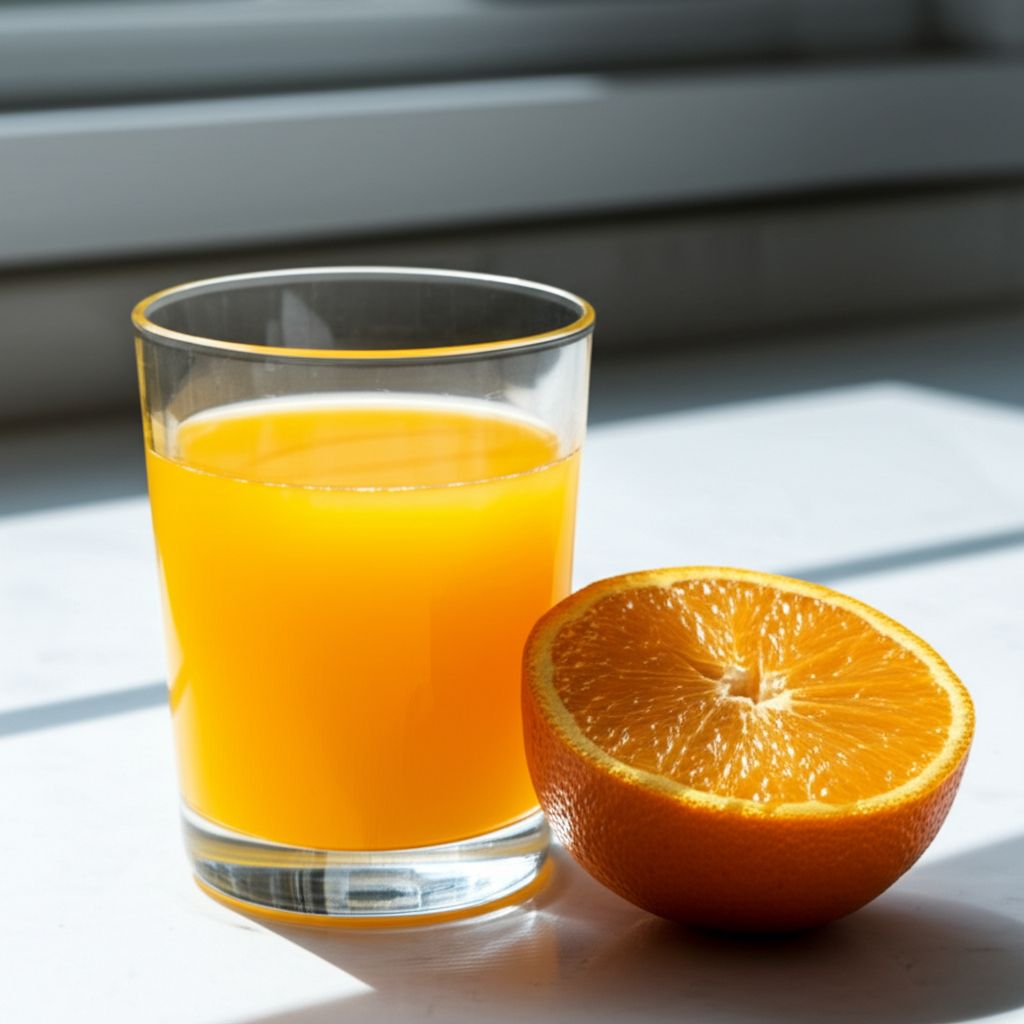
The rapid spoilage of orange juice left unrefrigerated is a fascinating, albeit unappetizing, scientific process. It boils down to the perfect storm of ingredients and environmental conditions.
Key Factors Influencing Spoilage:
- Sugar Content: Orange juice is naturally high in sugars (fructose, glucose, sucrose). Sugars are a primary food source for many types of bacteria, yeasts, and molds.
- Water Activity: Juice has a high water content, providing the moisture necessary for microbial growth.
- pH Level: While the acidity of orange juice (low pH) can inhibit some bacteria, many spoilage organisms, particularly yeasts and molds, can still thrive in this environment.
- Nutrient Availability: Beyond sugars, juice contains vitamins and minerals that further support microbial life.
- Temperature: The “danger zone” for bacterial growth is between 40°F (4°C) and 140°F (60°C). Room temperature typically falls squarely within this zone, allowing microbes to multiply exponentially.
- Oxygen Exposure: For some spoilage processes, oxygen is required. Exposure to air can accelerate certain types of degradation.
When these factors align, microorganisms can double in number every 20 minutes under ideal conditions. This rapid proliferation leads to changes in the juice’s taste, smell, texture, and safety. The initial multiplication might be imperceptible, but within a few hours, the bacterial count can reach levels that cause illness.
For a deeper understanding of food safety guidelines, you can refer to resources from the USDA Food Safety and Inspection Service, which offers comprehensive information on preventing foodborne illnesses.
How Long Can Orange Juice Really Last Unrefrigerated?
Let’s get straight to the point, addressing the core question: “How long does orange juice last unrefrigerated?”
Freshly Squeezed/Unpasteurized Orange Juice:
- Ideal Consumption Window: Within 1-2 hours.
- Maximum Safe Time (at room temperature, below 70°F/21°C): Up to 2 hours.
- Risky Period: After 2 hours.
- Definitely Unsafe: After 4 hours (or sooner in warmer conditions).
Opened Pasteurized Orange Juice:
- At Room Temperature: This is tricky. While pasteurized, once opened, the protective seal is broken, and it’s exposed to contaminants. It’s safest to treat it like fresh juice and consume within 1-2 hours if it cannot be immediately refrigerated.
- Unopened Pasteurized Orange Juice: Can remain unrefrigerated for extended periods until its “best by” date, provided it’s stored in a cool, dark place and the packaging is intact.
It’s crucial to remember that these are general guidelines. Factors like ambient temperature, how the juice was handled, and the initial microbial load can all influence actual spoilage time. When in doubt, always err on the side of caution.
Signs Your Orange Juice Has Gone Bad
Your senses are your best defense against drinking spoiled orange juice. Before you take a sip, do a quick visual and olfactory check. Here are the common signs that your juice is no longer safe or palatable:
Sensory Clues:
- Smell: Fresh orange juice has a bright, citrusy aroma. If it smells sour, fermented, yeasty, or just “off,” it’s a clear warning sign.
- Taste: A small sip can tell you a lot. If it tastes sour, bitter, fizzy (when it shouldn’t be), or simply unpleasant, discard it. Remember, tasting a tiny amount is usually safe, but don’t consume a large quantity if you suspect spoilage.
- Appearance:
- Cloudiness: While some fresh juices are naturally cloudy, a sudden increase in cloudiness or a change in the color of the sediment can indicate bacterial growth.
- Mold: Visible fuzzy or discolored patches on the surface are a definite sign of mold and that the juice is spoiled.
- Bubbles or Foam: Excessive bubbling or foam on the surface, especially in juice that is supposed to be still, suggests active fermentation by yeast.
- Texture: The juice might become unusually thick or slimy.
If you notice any of these signs, do not drink the orange juice. Dispose of it immediately to prevent potential illness.
How to Properly Store Orange Juice for Maximum Freshness
Proper storage is the key to enjoying your orange juice for as long as possible and keeping it safe. The golden rule is refrigeration.
Refrigeration is Key:
As soon as you’re done juicing, or when you bring home store-bought juice, get it into the refrigerator. The cold temperature significantly slows down the growth of bacteria and other microorganisms. Aim for a refrigerator temperature of 40°F (4°C) or below.
Storage Containers:
Use clean, airtight containers for storing your fresh orange juice. Glass jars with tight-fitting lids or BPA-free plastic containers work well. This prevents contamination from other foods in the fridge and minimizes oxidation, which can degrade flavor and nutrients.
Storage Duration:
- Freshly Squeezed Orange Juice: Once refrigerated, it’s best consumed within 2-3 days. The flavor and nutrient content will start to diminish after that.
- Opened Pasteurized Orange Juice: Typically lasts for 7-10 days in the refrigerator. Always check the “use by” date on the carton.
- Unopened Pasteurized Orange Juice: Follow the “best by” date on the packaging.
Freezing Orange Juice:
If you have a large batch of fresh orange juice and can’t drink it within a few days, consider freezing it. Pour the juice into freezer-safe containers, leaving some headspace for expansion, or use ice cube trays. Frozen orange juice can last for several months. Thaw it in the refrigerator overnight before consuming. Note that freezing may slightly alter the texture, making it less smooth.
Practical Tips for Handling Fresh Orange Juice
Making and enjoying fresh orange juice is a rewarding experience. Here are some practical tips to ensure you do it safely and deliciously:
Pro Tips:
- Wash Oranges Thoroughly: Always wash the exterior of your oranges before cutting and juicing them to remove any dirt, pesticides, or bacteria.
- Clean Your Juicer: Ensure your juicer is sparkling clean before and after each use. Residue can harbor bacteria.
- Use Fresh, Ripe Oranges: The quality of your oranges directly impacts the taste and shelf life of your juice.
- Consider Adding Lemon/Lime: A splash of lemon or lime juice can act as a natural preservative and add a zesty flavor. Its acidity helps to slightly inhibit microbial growth.
- Drink Promptly: The best way to enjoy the full benefits of fresh orange juice is to drink it as soon as possible after juicing.
- Invest in a Good Juicer: A high-quality juicer can make the process easier and more efficient. For beginners, a simple citrus press or a centrifugal juicer can be a great starting point.
- Portion Control: If you’re juicing for one or two people, make smaller batches to minimize waste and the amount of juice left sitting out.
Common Mistakes to Avoid with Orange Juice
Even with the best intentions, beginners can make mistakes that compromise their orange juice. Be aware of these pitfalls:
Mistakes to Sidestep:
- Assuming Store-Bought Juice is Shelf-Stable After Opening: Once a carton of pasteurized juice is opened, it needs refrigeration like any other perishable food.
- Leaving Juice on the Counter “Just for a Little While”: Even 30 minutes can be enough for bacteria to start multiplying, especially in a warm kitchen.
- Not Washing Oranges: This is a common oversight that can transfer contaminants from the peel to your juice.
- Using Dirty Equipment: Any bacteria on your juicer, knife, or container can quickly contaminate the juice.
- Ignoring Signs of Spoilage: Thinking “it might be okay” can lead to an unpleasant and potentially harmful experience.
- Over-Juicing: Making more juice than you can realistically consume or store properly.
By being mindful of these common errors, you can significantly improve the safety and enjoyment of your homemade orange juice.
Nutritional Benefits of Fresh Orange Juice
Beyond the question of shelf life, let’s not forget why we love orange juice in the first place! It’s packed with essential nutrients.
Vitamins and Minerals Galore:
- Vitamin C: This is the star nutrient in orange juice, renowned for its immune-boosting properties and as a powerful antioxidant. A single glass can provide well over the daily recommended intake.
- Potassium: Important for maintaining healthy blood pressure and fluid balance.
- Folate (Vitamin B9): Crucial for cell growth and function.
- Flavonoids: These plant compounds act as antioxidants and have anti-inflammatory benefits.
It’s important to note that while fresh orange juice is nutritious, it is also high in natural sugars and calories. Moderation is key, and it’s often recommended to consume juice in smaller portions or dilute it with water. Some prefer to eat whole oranges to get the added benefit of dietary fiber, which is lost during juicing. For more on the nutritional aspects of Vitamin C, you can consult resources from the National Institutes of Health (NIH) Office of Dietary Supplements.
FAQ: Your Orange Juice Questions Answered
Here are some frequently asked questions about orange juice and its shelf life.
Q1: Can I leave freshly squeezed orange juice out overnight?
Absolutely not. Leaving freshly squeezed orange juice out overnight, or even for more than a few hours, is highly risky. Bacteria will multiply rapidly, making it unsafe to consume.
Q2: What happens if I drink spoiled orange juice?
Drinking spoiled orange juice can lead to foodborne illness, with symptoms like nausea, vomiting, diarrhea, and stomach cramps. It’s best to avoid it entirely.
Q3: Is bottled orange juice safe to drink if left out for a day?
Unopened bottled (pasteurized) orange juice is usually safe if left out for a day, provided it wasn’t already past its expiration date and the packaging is intact. However, opened bottled juice should never be left out for that long. Treat it like fresh juice once opened.
Q4: Does the type of orange matter for how long the juice lasts unrefrigerated?
While different orange varieties have slightly different sugar and acid content, the primary factor for spoilage when unrefrigerated is the presence of microorganisms and temperature. So, while a sweeter orange might spoil slightly differently, the general rule of 1-2 hours for fresh juice still applies.
Q5: Can I reheat spoiled orange juice to make it safe again?
No, you cannot make spoiled orange juice safe by reheating it. The toxins produced by bacteria may not be destroyed by heat, and the quality will be significantly degraded.
Q6: How can I tell if my refrigerator isn’t cold enough for juice storage?
You can use a refrigerator thermometer. If the temperature is consistently above 40°F (4°C), it’s not cold enough, and perishable items like fresh juice will spoil faster. Adjust your refrigerator settings accordingly.
Q7: Does adding ice to orange juice keep it safe unrefrigerated for longer?
Ice will keep the juice cold, but once the ice melts, the juice will be at room temperature and will start to spoil. If you’re using ice in a cooler, it can keep the juice safe for a few hours, but it’s still best to consume it within the 1-2 hour window once it’s no longer actively chilled.
Conclusion
So, how long does orange juice last unrefrigerated? The short, and frankly, shocking truth is that freshly squeezed or unpasteurized orange juice is only safe to consume for a brief window of 1-2 hours at room temperature. After that, the risk of harmful bacterial growth skyrockets, making it a potential health hazard. Pasteurized, unopened juice is more forgiving, but once opened, it too becomes perishable. By understanding the science behind spoilage, recognizing the signs of a bad batch, and always prioritizing proper refrigeration and clean handling, you can confidently enjoy the bright, refreshing taste and health benefits of orange juice without any unwelcome surprises. Always remember: when in doubt, throw it out!
smartblander.com is a participant in the Amazon Services LLC Associates Program, an affiliate advertising program. As an Amazon Associate, we earn from qualifying purchases made through our links.
