

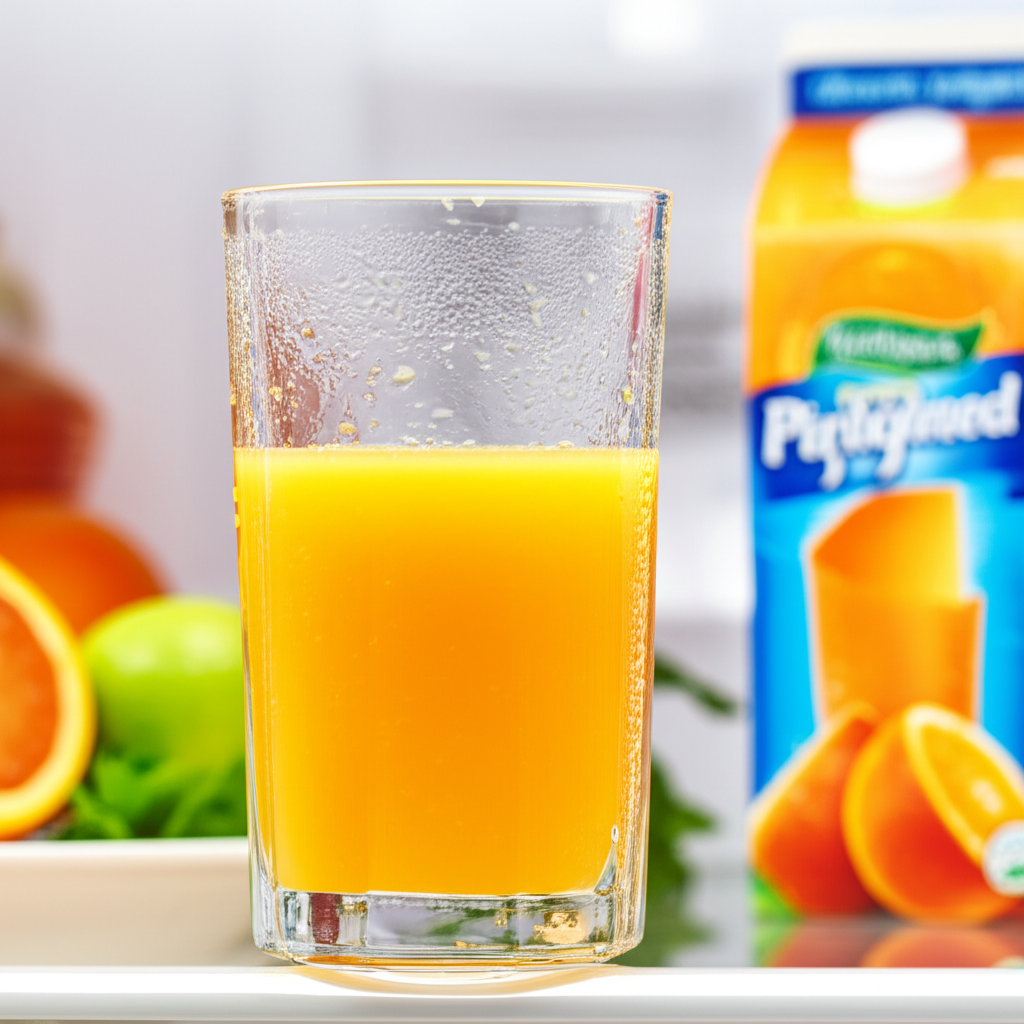
Does Orange Juice Have To Be Refrigerated? You Must Know
Yes, orange juice almost always needs to be refrigerated after opening to stay fresh and safe. Unrefrigerated orange juice can quickly spoil, leading to a less delicious taste and potential health risks. This guide will explain why and how to properly store your favorite citrus drink.
Key Takeaways
- Refrigerate opened orange juice promptly.
- Unopened juice may be shelf-stable if pasteurized.
- Cold temperatures slow bacterial growth.
- Proper storage preserves flavor and nutrients.
- Check expiration dates for best quality.
- Freshly squeezed juice needs immediate chilling.
Have you ever wondered about the best way to keep your orange juice tasting its best? It’s a common question, especially for those who love starting their day with a refreshing glass of citrus goodness. The confusion often arises because some orange juice cartons sit on grocery store shelves for a while, while others are kept chilled. This can make it tricky to know what to do once you get that delicious juice home. Don’t worry, understanding how to store orange juice is simple! We’ll break down everything you need to know, from what happens to juice when it’s not chilled to the best practices for keeping it fresh. Get ready to confidently store your orange juice!
Understanding Orange Juice Types and Storage
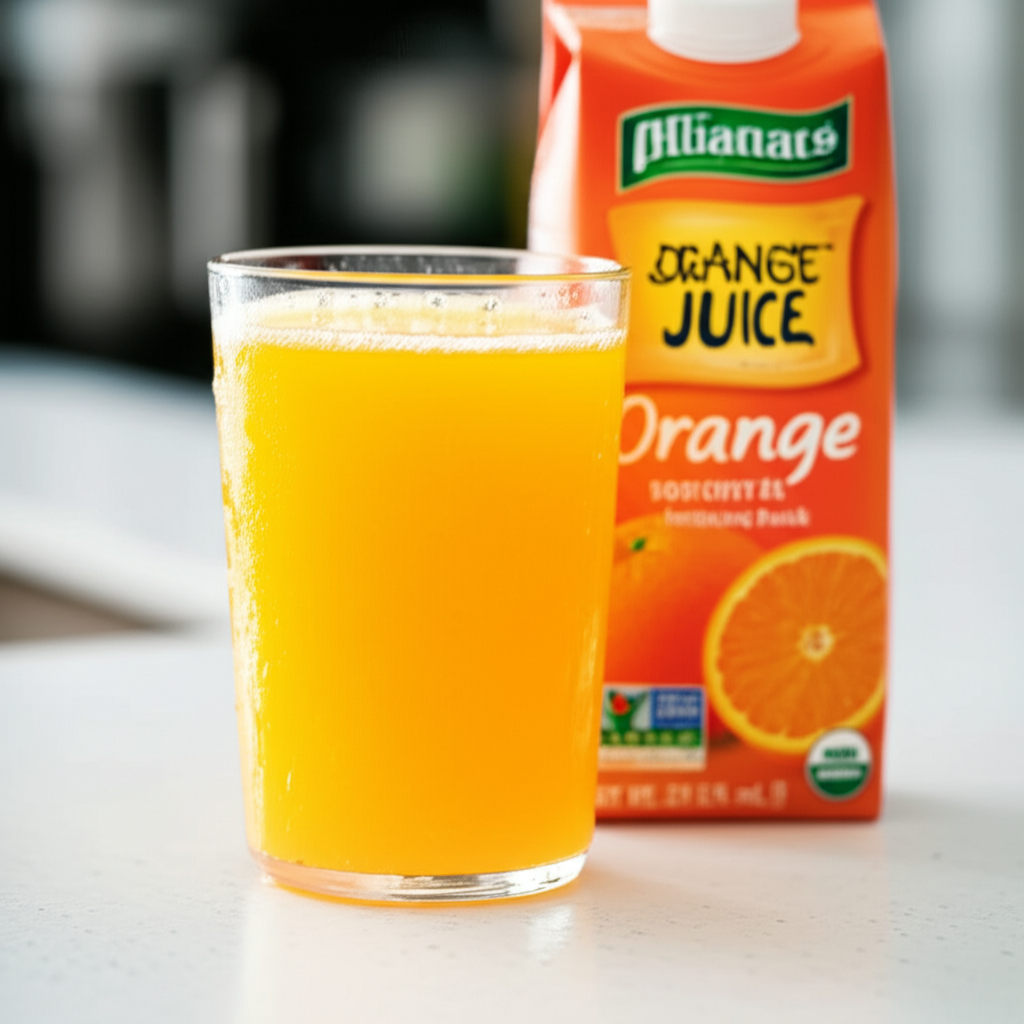
The simple answer to whether orange juice needs refrigeration often depends on how it’s made and packaged. There are two main categories of orange juice you’ll find: pasteurized and not pasteurized. Each has different storage requirements, especially after you’ve opened the container.
Pasteurized Orange Juice: Shelf-Stable Before Opening
Most of the orange juice you buy in cartons or bottles at the supermarket has undergone pasteurization. This is a process where the juice is heated to a specific temperature for a set amount of time. The main goal of pasteurization is to kill harmful bacteria and other microorganisms. This process extends the shelf life of the juice significantly, allowing it to be stored at room temperature before it’s opened. Think of it like milk or other beverages that don’t need to be refrigerated in the store.
During pasteurization, common spoilage bacteria like molds and yeasts are largely eliminated. This is crucial for food safety and also helps maintain the quality and taste of the juice for longer periods. The U.S. Food and Drug Administration (FDA) sets standards for pasteurization to ensure products are safe for consumers. You can learn more about food processing guidelines on the FDA’s website.
Key Characteristics of Pasteurized Juice:
- Treated with heat to kill microbes.
- Can be stored at room temperature before opening.
- Longer shelf life in its unopened state.
- Still requires refrigeration once opened.
Unpasteurized (Freshly Squeezed) Orange Juice: Always Needs Refrigeration
On the other hand, freshly squeezed orange juice, often found in the refrigerated section of grocery stores or made at home, has not been pasteurized. This means it retains more of its natural enzymes, vitamins, and fresh flavor. However, it also means that any naturally occurring bacteria or those introduced during the juicing process are still active.
Because it hasn’t been treated to kill these microbes, freshly squeezed orange juice is highly perishable. It needs to be kept cold from the moment it’s made or purchased. Refrigeration is essential to slow down the growth of bacteria, yeasts, and molds that can cause spoilage. If left at room temperature, these microorganisms can multiply rapidly, leading to off-flavors, a sour smell, and potentially making you sick.
Freshly squeezed juice is a favorite for its vibrant taste and higher nutrient content, but this comes with the responsibility of proper cold storage. It’s a trade-off for that pure, unadulterated citrus experience.
Why Refrigeration is Crucial for Opened Orange Juice
Once you break the seal on a carton or bottle of orange juice, even pasteurized varieties, the clock starts ticking on its freshness and safety. This is where refrigeration becomes non-negotiable.
Slowing Down Bacterial Growth
Even pasteurized juice can become contaminated after opening. Air exposure, utensils, or even the pouring process can introduce new bacteria. Refrigeration works by significantly slowing down the rate at which these bacteria can multiply. Most spoilage-causing bacteria and pathogens thrive in warmer temperatures, typically between 40°F (4°C) and 140°F (60°C) – the “danger zone.” By keeping your opened orange juice below 40°F (4°C) in the refrigerator, you create an environment where their growth is inhibited.
According to the USDA, perishable foods like juices should not be left at room temperature for more than two hours (or one hour if the temperature is above 90°F). This is a critical food safety guideline that applies directly to opened orange juice. Keeping it consistently cold is the best way to prevent spoilage and ensure it remains safe to drink.
Preserving Flavor and Nutrients
Refrigeration doesn’t just keep your juice safe; it also helps maintain its quality. Orange juice is rich in vitamins, especially Vitamin C, and delicate flavor compounds. Exposure to heat and air can cause these components to degrade over time. Vitamin C, in particular, is sensitive to light and heat and can be lost more rapidly at warmer temperatures.
When you refrigerate your juice, you help to preserve its bright, zesty flavor and its nutritional value. This means that every glass you pour will taste as fresh and be as beneficial as possible. Cold temperatures help to lock in those desirable qualities for longer.
Preventing Spoilage and Off-Flavors
Spoilage in orange juice can manifest in several ways: a sour or fermented smell, a change in color, or an unpleasant, fizzy texture. These are all signs that unwanted microorganisms have been actively growing in the juice. Refrigeration is your primary defense against this. By keeping the juice cold, you drastically reduce the activity of yeasts and molds that cause these undesirable changes, ensuring your juice remains palatable.
How to Store Orange Juice Properly

Storing your orange juice correctly is straightforward and essential for enjoying its best taste and ensuring its safety. Here’s what you need to do.
For Unopened Containers
Pasteurized Juice:
- Check the Label: Most shelf-stable pasteurized orange juice can be stored in a cool, dark pantry or cupboard until its expiration date.
- Avoid Extreme Temperatures: Do not store it in direct sunlight or near heat sources like ovens or radiators.
- Expiration Date: Always check the “best by” or expiration date on the packaging. While it might be safe to drink past this date if stored properly and showing no signs of spoilage, the quality (flavor and vitamin content) will likely have diminished.
Unpasteurized Juice:
- Immediate Refrigeration: If you purchase unpasteurized juice from a refrigerated section, it must be refrigerated immediately. Do not leave it at room temperature.
- Check for Cold Chain: Ensure the store’s refrigeration units are working properly.
For Opened Containers
This is where refrigeration is absolutely mandatory.
- Seal Tightly: After pouring, immediately reseal the container. If it’s a carton, fold down the top securely. If it’s a bottle, screw the cap on tightly. This minimizes air exposure, which can lead to oxidation and contamination.
- Store in the Refrigerator: Place the opened juice back into the refrigerator as soon as possible. The ideal temperature for your refrigerator is 40°F (4°C) or below.
- Placement Matters: While any part of the fridge is better than room temperature, some areas are better than others. Avoid storing juice in the door, as the temperature fluctuates the most there. The back of the refrigerator, where the temperature is most consistent, is ideal.
- Use Within Recommended Timeframe: Once opened, most pasteurized orange juices are best consumed within 7 to 10 days. Freshly squeezed or unpasteurized juice should ideally be consumed within 2 to 3 days. Always refer to the packaging for specific recommendations.
Pro Tip: To further extend the life of opened juice and prevent accidental spills, consider transferring it to a clean, airtight glass bottle or jar. This can also help maintain its freshness and prevent it from absorbing odors from other foods in your refrigerator.
Signs Your Orange Juice Has Gone Bad
Even with proper storage, all food products have a limited lifespan. It’s important to know the signs that your orange juice is no longer safe or pleasant to drink. Trusting your senses is key!
Visual Cues
- Mold Growth: Look for any fuzzy or discolored spots on the surface of the juice or inside the container. This is a clear indicator of mold, and the juice should be discarded immediately.
- Cloudiness or Sediment: While some pulp is normal, an unusual cloudiness or a thick layer of sediment that wasn’t there before can be a sign of spoilage, especially if it’s accompanied by other off-smells.
- Color Change: A noticeable darkening or a shift in the natural orange hue can sometimes indicate oxidation or spoilage.
Olfactory Clues (Smell)
- Sour or Fermented Odor: The most common sign of spoilage is a sour, vinegary, or alcoholic smell. Fresh orange juice should smell bright and citrusy.
- Unpleasant Sweetness: An overly sweet or sickly smell can also indicate bacterial activity.
Gustatory Clues (Taste)
Caution: If you notice any visual or olfactory signs of spoilage, do not taste the juice. However, if the juice looks and smells fine, a small sip can confirm its quality.
- Sourness or Bitterness: A taste that is unusually sour, bitter, or “off” is a clear sign the juice has spoiled.
- Fizziness: A slight fizziness in juice that shouldn’t have it can indicate fermentation.
If any of these signs are present, the safest course of action is to discard the juice. It’s not worth the risk of getting sick.
Freshly Squeezed vs. Store-Bought: A Storage Showdown
The way orange juice is prepared and processed greatly impacts its storage needs, especially after opening. Let’s compare the two main types.
Freshly Squeezed Orange Juice
Pros:
- Vibrant, fresh flavor.
- Higher levels of Vitamin C and enzymes.
- No added preservatives or sugars.
Cons:
- Highly perishable.
- Must be refrigerated immediately.
- Short shelf life (2-3 days maximum).
- Higher risk of spoilage if not handled properly.
Storage Needs: Always store freshly squeezed orange juice in an airtight container in the coldest part of your refrigerator. Consume it as quickly as possible to enjoy its peak flavor and nutritional benefits.
Store-Bought Pasteurized Orange Juice
Pros:
- Longer shelf life before opening.
- Can be stored at room temperature until opened.
- Safer due to the elimination of harmful bacteria.
- Convenient and widely available.
Cons:
- May have slightly lower nutrient levels than fresh.
- Flavor can be less vibrant compared to freshly squeezed.
- Still requires refrigeration after opening.
Storage Needs: Unopened, store in a cool, dark place. Once opened, it must be refrigerated and typically lasts for 7-10 days, though always check the packaging for specific guidelines.
Here’s a quick comparison table:
| Juice Type | Storage Before Opening | Storage After Opening | Typical Shelf Life (Opened) |
|---|---|---|---|
| Freshly Squeezed (Unpasteurized) | Refrigerated Only | Refrigerated Only | 2-3 Days |
| Store-Bought Pasteurized | Room Temperature (Cool, Dark Place) | Refrigerated Only | 7-10 Days |
Tips for Making and Storing Homemade Orange Juice
Making your own orange juice is a rewarding experience that allows you to control exactly what goes into your drink. Here are some tips to help you get the most out of your homemade batches.
Choosing the Right Oranges
Not all oranges are created equal when it comes to juicing. For the best flavor and yield, opt for varieties known for their juiciness and sweetness.
- Navel Oranges: These are excellent for juicing due to their abundant juice and sweet, seedless flesh.
- Valencia Oranges: Another popular choice, Valencias are known for their high juice content and balanced sweet-tart flavor.
- Blood Oranges: While beautiful and offering a unique berry-like flavor, they can sometimes be less juicy and have a slightly tarter profile.
Look for oranges that feel heavy for their size, indicating they are full of juice. Avoid any with soft spots or signs of mold.
The Juicing Process
Whether you’re using a manual juicer, an electric citrus juicer, or a powerful centrifugal or masticating juicer, cleanliness is key.
- Wash Oranges Thoroughly: Always wash your oranges under running water before cutting them.
- Cut Uniformly: Cut oranges into halves or quarters that fit your juicer’s mechanism.
- Juice Immediately: Juice the oranges right before you plan to store or consume them to maximize freshness and nutrient retention.
Storage Best Practices for Homemade Juice
As we’ve emphasized, homemade juice is unpasteurized and requires careful handling.
- Airtight Containers: Use clean, airtight glass jars or bottles. Glass is non-reactive and won’t impart flavors into your juice.
- Fill to the Top: Fill your containers as close to the brim as possible to minimize air space. Less air means slower oxidation.
- Label and Date: Always label your containers with the date you made the juice. This helps you track its freshness.
- Refrigerate Promptly: Place the filled containers in the coldest part of your refrigerator immediately after juicing.
- Consume Quickly: Aim to drink your homemade orange juice within 2 to 3 days for the best quality and safety.
The Role of Temperature in Orange Juice Quality
Temperature plays a significant role in how orange juice behaves. From the moment the oranges are picked to when you pour the final glass, temperature management is crucial.
Impact of Heat
Heat is the enemy of fresh orange juice. High temperatures accelerate the degradation of:
- Vitamin C: This essential antioxidant is sensitive to heat and light, and its levels can drop significantly when juice is exposed to warm conditions.
- Flavor Compounds: The delicate aromatic compounds that give orange juice its characteristic fresh taste are volatile and can break down or evaporate at higher temperatures.
- Enzymes: Natural enzymes in the juice can become more active at warmer temperatures, potentially leading to undesirable changes in texture and flavor.
This is why pasteurization, which involves controlled heating, is used to extend shelf life but also slightly alters the fresh characteristics. For freshly squeezed juice, avoiding heat is paramount.
Benefits of Cold Storage
Cold temperatures, specifically refrigeration, offer several benefits for orange juice:
- Slowing Down Microbes: As discussed, cold significantly inhibits the growth of bacteria, yeasts, and molds that cause spoilage.
- Preserving Nutrients: Keeping juice cold helps to retain its vitamin content, especially Vitamin C, for longer.
- Maintaining Flavor: Cold temperatures help to lock in the volatile flavor compounds, ensuring a fresher taste.
- Preventing Oxidation: While not as effective as airtight sealing, cold temperatures can slightly slow down the oxidation process that leads to staleness.
Freezing Orange Juice
Can you freeze orange juice? Yes, you can! Freezing is an excellent way to preserve orange juice for much longer periods, typically several months. However, it’s important to note that freezing can alter the texture of the juice. When thawed, it might separate more, and the pulp might become more prominent. The flavor remains largely intact, but the texture might be slightly different from fresh juice.
To freeze orange juice:
- Pour juice into freezer-safe containers, leaving some headspace as liquids expand when frozen.
- Consider using ice cube trays for smaller, pre-portioned servings.
- Label and date the containers.
- Store in the freezer.
Thaw frozen juice in the refrigerator overnight. Shake well before serving.
Frequently Asked Questions About Storing Orange Juice
Q1: Can I leave unopened orange juice on the counter?
A1: If the orange juice is pasteurized and the container is sealed, it can typically be stored at room temperature in a cool, dark place until its expiration date. However, once opened, it must be refrigerated.
Q2: How long does opened orange juice last in the refrigerator?
A2: Opened pasteurized orange juice generally lasts for 7 to 10 days when properly refrigerated. Freshly squeezed or unpasteurized juice should be consumed within 2 to 3 days.
Q3: What happens if I drink spoiled orange juice?
A3: Drinking spoiled orange juice can lead to foodborne illness, with symptoms like nausea, vomiting, diarrhea, and stomach cramps. It’s always best to discard juice that shows signs of spoilage.
Q4: Does the type of container affect how long orange juice stays fresh?
A4: Yes. While cartons are common, glass or high-quality plastic containers with airtight seals are often better for maintaining freshness once opened, as they minimize air exposure and can prevent flavor absorption from other foods.
Q5: Is it okay to leave orange juice out overnight?
A5: No, it is not recommended to leave opened orange juice out overnight. According to food safety guidelines, perishable items should not be left at room temperature for more than two hours. Refrigeration is essential to prevent bacterial growth.
Q6: Can I add preservatives to homemade orange juice to make it last longer?
A6: It’s generally not recommended or necessary to add preservatives to homemade orange juice. The best way to ensure its quality and safety is to consume it fresh within a few days and store it properly in the refrigerator.
Q7: Will the Vitamin C in orange juice degrade if it’s not refrigerated properly?
A7: Yes, Vitamin C is sensitive to heat and light. Improper refrigeration, especially leaving juice at room temperature, will accelerate the degradation of Vitamin C, reducing its nutritional value.
Conclusion
So, does orange juice have to be refrigerated? For opened juice, the answer is a resounding yes! Whether it’s pasteurized juice from the store or vibrant, freshly squeezed juice made in your own kitchen, refrigeration is key. Keeping your juice cold below 40°F (4°C) is the most effective way to slow down bacterial growth, preserve its delicious flavor, and maintain its valuable nutrients. By understanding the differences between pasteurized and unpasteurized varieties and following simple storage guidelines, you can confidently enjoy your orange juice, glass after refreshing glass. Trust your senses, check those expiration dates, and always err on the side of caution when it comes to food safety. Happy juicing!
smartblander.com is a participant in the Amazon Services LLC Associates Program, an affiliate advertising program. As an Amazon Associate, we earn from qualifying purchases made through our links.
