

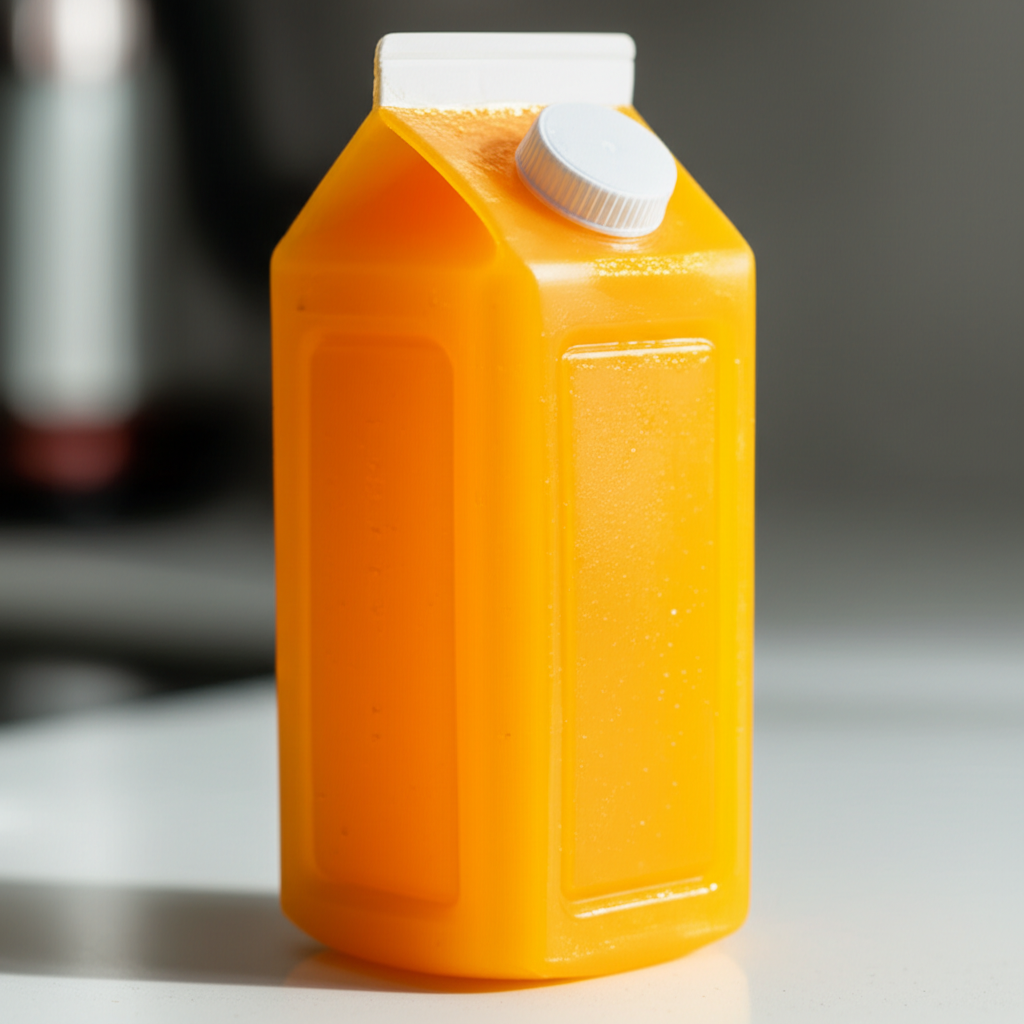
Yes, orange juice absolutely goes bad if left out, and it happens much faster than you might think! Keep your juice chilled to preserve its fresh taste and prevent harmful bacteria from growing.
Key Takeaways
- Refrigerate fresh orange juice promptly.
- Room temperature speeds up spoilage significantly.
- Discard juice left out for over two hours.
- Look for signs like mold or off-smells.
- Pasteurized juice lasts longer but still spoils.
- Proper storage is key for safety and flavor.
Does Orange Juice Go Bad If Left Out? The Shocking Truth!
You’ve just squeezed a pitcher of vibrant, fresh orange juice. It smells amazing, bursting with citrusy goodness! But then, life happens. You get caught up, and that pitcher of sunshine sits on the counter. Suddenly, a question pops into your mind: “Does orange juice go bad if left out?” It’s a common question, and the answer might surprise you. Freshly squeezed juice is a delicate thing, and leaving it at room temperature can quickly turn that healthy treat into a potential health hazard. But don’t worry! This guide will break down exactly what happens to orange juice left out, how to tell if it’s spoiled, and how to keep your delicious creations fresh and safe. Let’s dive into the science and the simple steps to ensure you’re always enjoying the best quality juice.
The Science Behind Orange Juice Spoilage
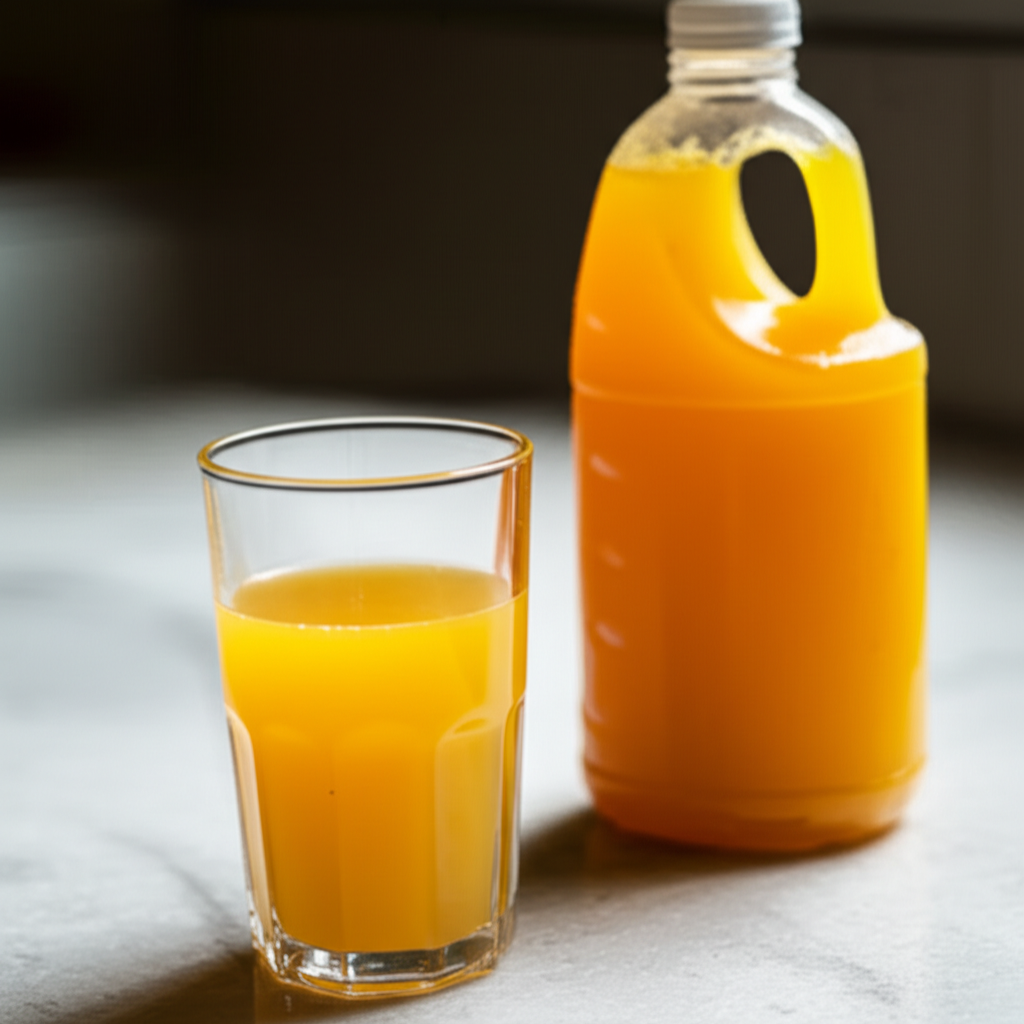
Understanding why orange juice spoils is key to keeping it fresh. It all comes down to a few factors: temperature, bacteria, and time. Freshly squeezed orange juice is a nutrient-rich environment, perfect for microorganisms to thrive. When juice is left at room temperature, it enters the “danger zone” for bacterial growth.
Temperature and Bacterial Growth
The U.S. Department of Agriculture (USDA) defines the temperature danger zone as between 40°F (4°C) and 140°F (60°C). At room temperature, which is typically around 68-77°F (20-25°C), bacteria can multiply rapidly. These bacteria can come from various sources, including the oranges themselves, your hands, or utensils used during juicing.
In a refrigerator, temperatures are kept below 40°F (4°C), which significantly slows down bacterial growth. This is why proper refrigeration is so crucial for food safety. When juice is left out, this protective cold barrier is removed, giving bacteria a free pass to multiply.
Types of Microorganisms in Juice
Several types of microorganisms can affect orange juice:
- Bacteria: Common culprits include E. coli, Salmonella, and Listeria, which can cause foodborne illnesses. Other bacteria can lead to spoilage, causing off-flavors and odors.
- Yeast: Yeasts are responsible for fermentation. You might notice a fizzy texture or a fermented, alcoholic smell if yeast is present.
- Mold: Molds can appear as fuzzy spots on the surface of the juice, indicating spoilage and potential production of toxins.
The presence of these microorganisms is what causes the juice to “go bad.” It’s not just about taste; it’s about safety.
Oxidation and Nutrient Degradation
Beyond microbial growth, exposure to air and light can also degrade the quality of orange juice. This process is called oxidation. Oxidation can:
- Reduce the vitamin C content.
- Alter the flavor, making it taste stale or bitter.
- Change the color of the juice.
Freshly squeezed juice is particularly vulnerable because it hasn’t undergone the pasteurization process that extends the shelf life of commercially bottled juices.
How Long Can Orange Juice Sit Out?
This is the crucial question for anyone wondering about the safety of their juice. The general rule of thumb for perishable foods applies here.
The Two-Hour Rule
According to food safety guidelines, perishable foods, including fresh juice, should not be left at room temperature for more than two hours. If the ambient temperature is above 90°F (32°C), this time limit is reduced to just one hour.
Why two hours? This is the estimated time it takes for harmful bacteria to multiply to dangerous levels in the “danger zone.” After two hours at room temperature, the risk of consuming contaminated juice increases significantly.
Fresh vs. Store-Bought Juice
It’s important to distinguish between freshly squeezed juice and store-bought, pasteurized juice.
- Freshly Squeezed Juice: This juice is raw and contains natural enzymes and microorganisms. It is highly perishable. Once squeezed, it should be refrigerated immediately and consumed within 24-48 hours. If left out, it will spoil much faster than its processed counterpart.
- Store-Bought Juice (Pasteurized): Pasteurization is a heat treatment that kills most harmful bacteria and yeasts, extending the shelf life. An unopened carton of pasteurized orange juice can typically last for several weeks or months when stored properly at room temperature. However, once opened, it becomes perishable and should be refrigerated. An opened carton of pasteurized juice left out for two hours is also unsafe.
So, even if you’re using store-bought juice, once it’s opened and left out, the same two-hour rule applies.
Signs That Your Orange Juice Has Gone Bad
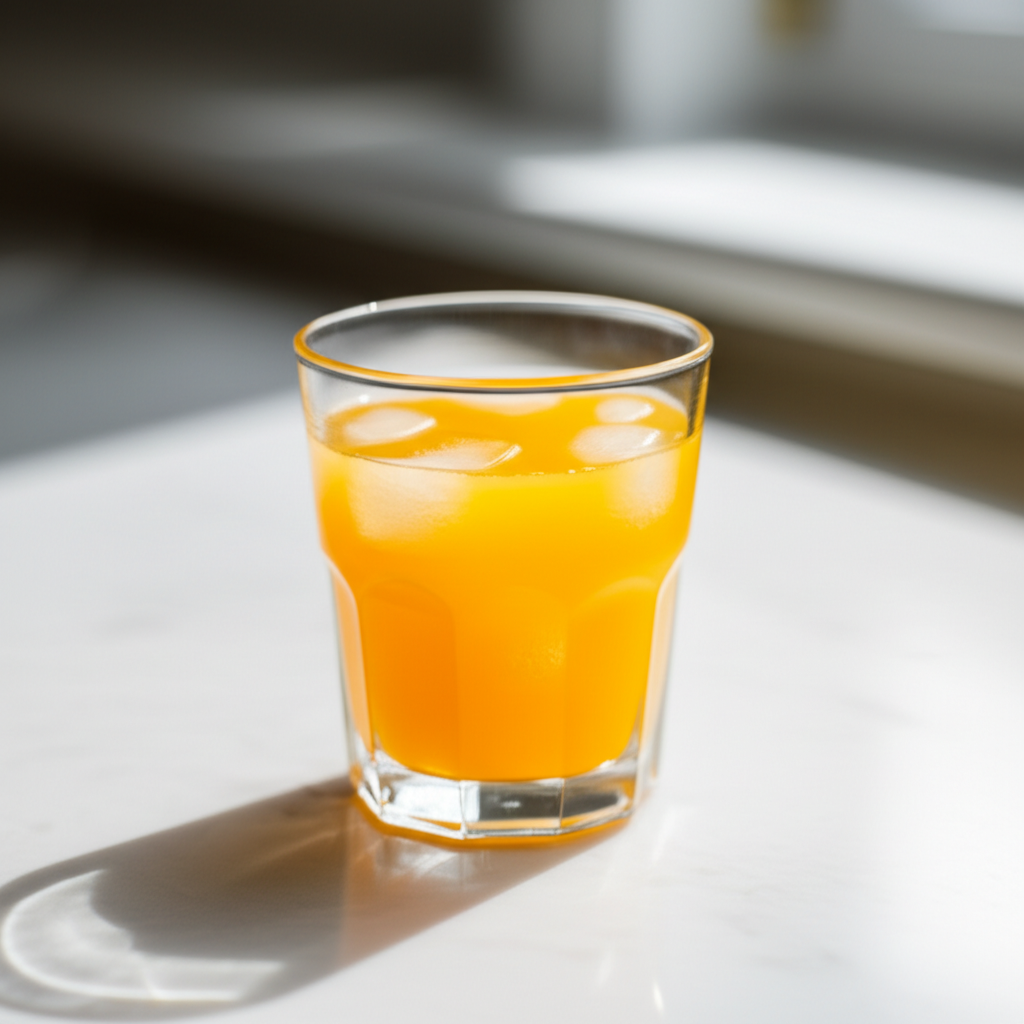
Your senses are your first line of defense against spoiled food. Learning to recognize the signs of spoilage can save you from an unpleasant or even harmful experience.
Visual Cues
What should you look for?
- Mold: This is the most obvious sign. If you see any fuzzy patches, discoloration (green, blue, black), or a slimy film on the surface or sides of the container, discard the juice immediately.
- Cloudiness or Sediment: While some pulp is normal, a sudden increase in cloudiness or the presence of an unusual amount of sediment at the bottom might indicate bacterial growth or fermentation.
- Color Change: The vibrant orange color might start to dull or turn brownish, especially if the juice has been exposed to light and air for too long.
Olfactory Clues (Smell)
Your nose knows! If the juice smells off, trust it.
- Fermented or Alcoholic Scent: A yeasty or slightly alcoholic smell is a strong indicator of fermentation.
- Sour or Acrid Odor: Fresh orange juice has a sweet, citrusy aroma. If it smells sour, vinegary, or generally unpleasant, it has likely spoiled.
- Unusual Sweetness: Sometimes, over-fermentation can lead to an unusually strong, sickly sweet smell.
Gustatory Clues (Taste)
If you’re unsure, a tiny sip can sometimes confirm spoilage, but this is risky. If the smell or appearance is questionable, it’s best to avoid tasting it altogether.
- Sourness: A distinctly sour or tart taste, beyond the natural acidity of oranges, is a clear sign of spoilage.
- Bitter or Off-Flavor: The juice might taste bitter, metallic, or just “wrong.”
Important Note: Some harmful bacteria, like Listeria or E. coli, do not always produce noticeable changes in smell, taste, or appearance. This is why adhering to safe handling times (like the two-hour rule) is paramount, even if the juice looks and smells fine.
How to Properly Store Fresh Orange Juice
Proper storage is the best way to prevent spoilage and enjoy your homemade orange juice at its best. It’s simple and makes a big difference.
Immediate Refrigeration
As soon as you finish juicing, transfer the juice to an airtight container and place it in the refrigerator. The colder, the better – aim for below 40°F (4°C).
Airtight Containers are Key
Exposure to air accelerates oxidation and allows airborne contaminants to enter. Use glass jars, bottles, or food-grade plastic containers with tight-fitting lids. Fill the container as much as possible to minimize the headspace (air) inside.
Keep it Away from Light
Light can also degrade the quality and vitamin content of orange juice. Store your juice in the back of the refrigerator, away from the door where light exposure is more frequent.
Storage Time for Fresh Juice
Even when stored correctly, freshly squeezed orange juice is best consumed within 24 to 48 hours. The flavor and nutrient content will start to decline after this period. If you want to store it longer, consider freezing it in ice cube trays or freezer-safe containers.
What About Commercial Juice?
Once a carton of pasteurized orange juice is opened, it should be refrigerated immediately and typically lasts about 5-7 days in the refrigerator. Always check the packaging for specific storage instructions and “use-by” dates.
Tools for Juicing and Storage
Having the right tools makes the process of making and storing fresh juice much easier and safer.
Juicers
There are several types of juicers suitable for oranges:
- Citrus Juicers (Manual or Electric): These are specifically designed for citrus fruits and are very efficient for making orange juice.
- Centrifugal Juicers: These are fast and can handle a variety of fruits and vegetables, including oranges.
- Masticating Juicers (Slow Juicers): These extract more juice and nutrients by crushing the fruit, producing less heat and oxidation, which can extend shelf life slightly.
Storage Containers
Invest in good quality storage containers:
- Glass Jars: Reusable, non-reactive, and easy to clean. Look for ones with tight-fitting lids.
- Glass Bottles: Similar benefits to jars, often with screw-top or stopper lids.
- BPA-Free Plastic Containers: If you prefer plastic, ensure it’s food-grade and BPA-free.
Consider containers that can be filled close to the brim to minimize air exposure.
Nutritional Benefits of Fresh Orange Juice
Despite the spoilage concerns, fresh orange juice is packed with goodness when consumed fresh!
Vitamin C Powerhouse
Oranges are famously rich in Vitamin C, a powerful antioxidant that supports the immune system and skin health. A single serving of fresh orange juice can provide a significant portion of your daily recommended intake. For instance, according to the National Institutes of Health (NIH) Office of Dietary Supplements, the recommended daily allowance (RDA) for Vitamin C for adults is around 75-90 mg.
Other Essential Nutrients
Beyond Vitamin C, fresh orange juice contains:
- Potassium: Important for heart health and blood pressure regulation.
- Folate (Vitamin B9): Crucial for cell growth and function.
- Flavonoids: These antioxidants may have anti-inflammatory and heart-protective benefits.
Enjoying fresh juice soon after making it ensures you get the maximum nutritional bang for your buck. Over time, especially if exposed to air and light, these nutrients degrade.
Frequently Asked Questions (FAQ)
Q1: Can I tell if orange juice is bad just by looking at it?
Often, yes. Look for mold, a slimy texture, unusual cloudiness, or a change in color. However, some harmful bacteria don’t change the appearance, so don’t rely solely on looks.
Q2: What happens if I drink spoiled orange juice?
Drinking spoiled orange juice can lead to foodborne illness, with symptoms like nausea, vomiting, diarrhea, and stomach cramps. The severity depends on the type and amount of contaminants present.
Q3: Is store-bought orange juice safe to drink if left out for a few hours?
An unopened carton of pasteurized orange juice can usually withstand being left out for a short period without immediate spoilage. However, once opened, it becomes perishable. If an opened carton of pasteurized juice is left out for more than two hours (or one hour if the temperature is above 90°F), it should be discarded.
Q4: How long does freshly squeezed orange juice last in the refrigerator?
Freshly squeezed orange juice is best consumed within 24 to 48 hours when stored in an airtight container in the refrigerator. Its quality and nutritional value decrease over time.
Q5: Can I freeze fresh orange juice?
Yes, you can freeze fresh orange juice. Pour it into airtight, freezer-safe containers or ice cube trays. It can last for several months in the freezer. Note that freezing can sometimes alter the texture slightly upon thawing.
Q6: Does adding sugar or other ingredients affect how long orange juice lasts?
Adding sugar can slightly inhibit the growth of some bacteria due to osmotic pressure, but it does not make the juice shelf-stable. Other ingredients, like milk or pulp, can introduce more microorganisms, potentially speeding up spoilage. It’s best to treat any homemade juice blend as highly perishable.
Q7: What’s the best way to store orange juice for maximum freshness?
Store fresh orange juice immediately after juicing in a clean, airtight glass or BPA-free plastic container. Fill the container as close to the top as possible to minimize air exposure. Keep it refrigerated at or below 40°F (4°C) and consume within 24-48 hours.
Pro Tips for Orange Juice Lovers
Juice in Small Batches: To ensure you’re always drinking the freshest juice and to minimize waste, try juicing only what you plan to consume within 24 hours. This way, you always have vibrant, nutrient-rich juice on hand without worrying about spoilage.
Conclusion
So, does orange juice go bad if left out? The answer is a resounding yes, especially for the freshly squeezed kind. While it might seem tempting to leave that pitcher out for a bit, the risks of bacterial growth and spoilage are significant. Adhering to the two-hour rule and ensuring proper refrigeration are simple yet vital steps in enjoying your homemade orange juice safely and deliciously. By understanding the science behind spoilage and following best practices for storage, you can confidently create and savor the vibrant, healthy goodness of fresh orange juice every time.
smartblander.com is a participant in the Amazon Services LLC Associates Program, an affiliate advertising program. As an Amazon Associate, we earn from qualifying purchases made through our links.
