

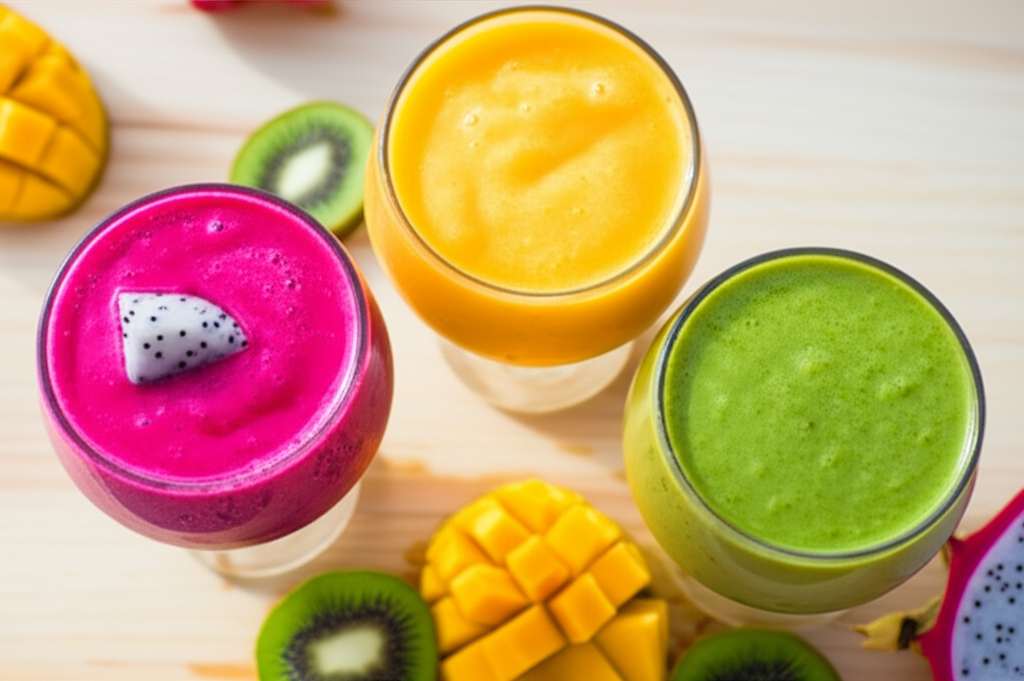
The shocking truth about how many calories in a tropical smoothie is that it varies wildly! While often perceived as a healthy treat, a single serving can range from under 200 to over 600 calories, depending on ingredients. We’ll break down the factors so you can make smarter, delicious choices.
Key Takeaways
- Understand calorie ranges for common tropical fruits.
- Identify high-calorie smoothie additions to watch out for.
- Learn to balance fruit, liquid, and boosts for healthier options.
- Discover strategies to lower tropical smoothie calories.
- Enjoy delicious, guilt-free tropical blends.
How Many Calories in a Tropical Smoothie? The Shocking Truth Revealed!
You’ve probably enjoyed a refreshing tropical smoothie on a warm day. They taste amazing, bursting with sunshine and fruity goodness. But have you ever stopped to wonder, “How many calories in a tropical smoothie?” It’s a question many beginners ask, and the answer isn’t as simple as you might think. Many store-bought or restaurant smoothies can sneak in a surprising amount of sugar and fat, quickly turning a healthy-looking drink into a calorie bomb. But don’t worry! With a little know-how, you can whip up incredibly delicious and satisfying tropical smoothies at home that fit your wellness goals. We’re going to explore the calorie landscape of these vibrant drinks and equip you with the knowledge to make informed choices.
Understanding Tropical Fruits: The Calorie Foundation
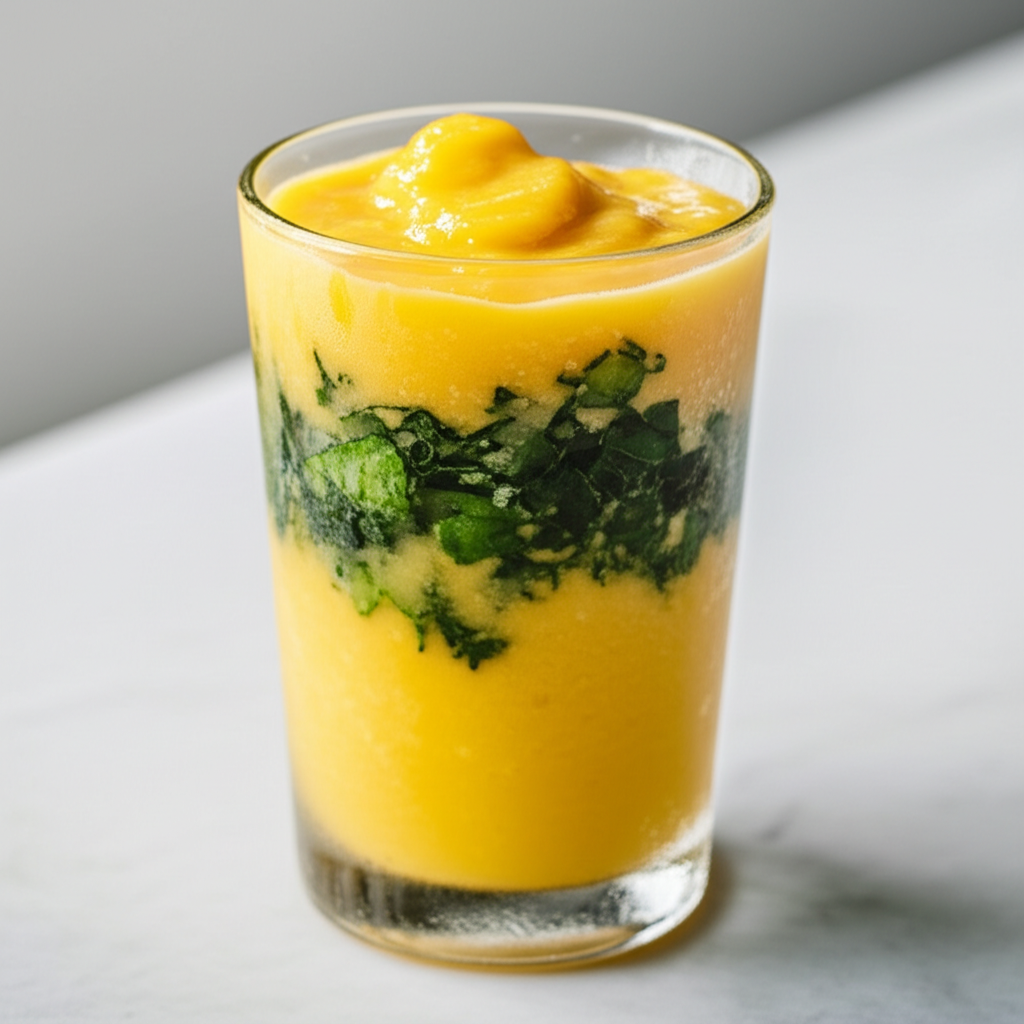
The heart of any tropical smoothie is its fruit. Different fruits bring different flavors, textures, and, yes, calorie counts. Knowing the basics about common tropical fruits will help you build a healthier blend from the ground up. We’ll focus on those that give that quintessential tropical vibe.
Key Tropical Fruits and Their Calorie Contributions
Let’s look at some popular tropical fruits and their approximate calorie content per cup (about 150-200g, depending on the fruit and how it’s measured – e.g., whole or cubed):
| Fruit | Approximate Calories (per cup) | Notes |
|---|---|---|
| Mango | 100-150 calories | Sweet and creamy, a smoothie staple. |
| Pineapple | 80-100 calories | Tangy and refreshing, packed with enzymes. |
| Banana | 100-135 calories | Adds creaminess and sweetness; a medium banana is about 105 calories. |
| Papaya | 110-130 calories | Mildly sweet with a soft texture. |
| Coconut (flesh) | 200-250 calories | High in fat, very calorie-dense. Use sparingly or opt for lighter forms. |
| Passion Fruit | 40-60 calories | Intense tart-sweet flavor, a little goes a long way. |
| Guava | 50-70 calories | Rich in Vitamin C, can be slightly gritty. |
As you can see, even the fruits themselves have a range. A smoothie made primarily with mango and banana will naturally be higher in calories than one focusing on passion fruit and guava. The type and quantity of fruit are the first major levers you can pull to control the calorie count of your tropical smoothie.
The Liquid Base: More Than Just a Blender’s Best Friend
What you use to blend your fruits makes a significant difference in the final calorie tally. Water is your lowest-calorie option, but many prefer a creamier or more flavorful base. Let’s explore the common choices:
Liquid Base Options and Their Calorie Impact
- Water: 0 calories. The ultimate low-calorie blender.
- Coconut Water: 45-60 calories per cup. Adds electrolytes and a subtle tropical sweetness. A good balance of flavor and relatively low calories.
- Almond Milk (Unsweetened): 30-40 calories per cup. A popular dairy-free choice, very low in calories if unsweetened.
- Oat Milk (Unsweetened): 100-130 calories per cup. Creamier than almond milk but higher in calories and carbs.
- Dairy Milk (Skim/1%): 80-100 calories per cup. Offers protein and calcium but more calories than plant-based alternatives.
- Dairy Milk (2%/Whole): 120-150 calories per cup. Adds richness but also significant calories and fat.
- Fruit Juice (e.g., Orange Juice, Pineapple Juice): 110-130 calories per cup. While it sounds tropical, fruit juices are concentrated sugar and calories. They can quickly inflate your smoothie’s calorie count.
For a truly low-calorie tropical smoothie, sticking to water, unsweetened almond milk, or coconut water is your best bet. If you love the taste of orange juice, consider using a whole orange instead for fiber and fewer concentrated sugars.
Boosters and Add-ins: Where Calories Can Sneak In
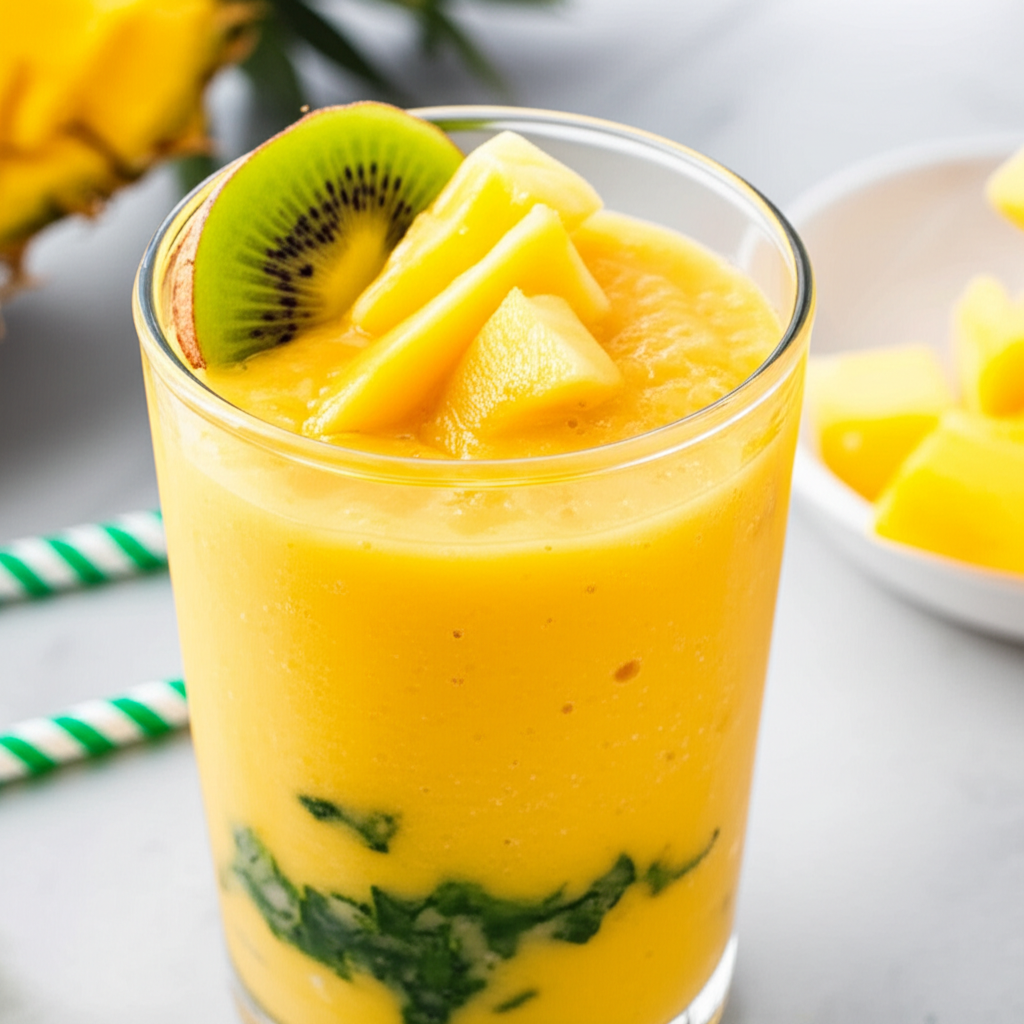
This is often where the “shocking” part of the calorie count comes in. While add-ins can boost nutrition and flavor, they can also be calorie-dense. Be mindful of these common additions:
Common Smoothie Boosters and Their Calorie Load
- Sweeteners: Honey, maple syrup, agave nectar (about 60-80 calories per tablespoon). Often unnecessary if your fruit is ripe and sweet.
- Nut Butters: Peanut butter, almond butter (about 90-100 calories per tablespoon). Great for protein and healthy fats, but very calorie-dense.
- Seeds: Chia seeds, flax seeds, hemp seeds (about 50-70 calories per tablespoon). Excellent sources of fiber, omega-3s, and protein, but still contribute calories.
- Yogurt: Greek yogurt (plain, non-fat) is about 10-15 calories per tablespoon. Flavored or full-fat yogurts can be much higher.
- Avocado: Half an avocado can add 120-160 calories. Provides incredible creaminess and healthy fats.
- Protein Powder: Varies widely, but typically 100-150 calories per scoop. Choose wisely based on your needs.
- Chocolate Syrup/Powder: Can add 50-100+ calories per serving, often with little nutritional benefit.
- Ice Cream/Frozen Yogurt: These are dessert items and will dramatically increase calories, often by 200-400+ calories per serving.
If you’re aiming for a lower-calorie tropical smoothie, be judicious with these boosters. A small amount of seeds or a little Greek yogurt can add value without overwhelming the calorie count.
Calculating Your Tropical Smoothie’s Calorie Count: A Practical Approach
So, how do you put it all together? It’s about mindful ingredient selection and portion control. Let’s create a hypothetical “average” tropical smoothie and then see how we can adjust it.
Example 1: A “Standard” Tropical Smoothie
Let’s assume a common restaurant-style or homemade blend:
- 1 cup frozen mango chunks: ~120 calories
- 1/2 cup frozen pineapple chunks: ~50 calories
- 1/2 banana: ~50 calories
- 1 cup orange juice: ~120 calories
- 1 tablespoon honey: ~60 calories
- Total: Approximately 400 calories
This is a reasonable, but not exceptionally low, calorie count for a substantial smoothie. The orange juice and honey are significant contributors here.
Example 2: A Lighter Tropical Smoothie
Now, let’s make some smart swaps:
- 1 cup frozen mango chunks: ~120 calories
- 1/2 cup frozen pineapple chunks: ~50 calories
- 1/4 cup plain non-fat Greek yogurt: ~30 calories
- 1 cup unsweetened almond milk: ~35 calories
- 1/4 cup water (for consistency): 0 calories
- 1 tablespoon chia seeds: ~60 calories
- Total: Approximately 295 calories
See the difference? By swapping orange juice for almond milk and water, skipping the honey, and adding a touch of Greek yogurt and chia seeds for nutrition, we’ve significantly reduced the calories while adding protein and fiber. This is a much more beginner-friendly and health-conscious approach.
Pro Tip: Portion Control is Key!
Even with healthy ingredients, consuming a smoothie that’s too large can still lead to excess calorie intake. Measure your ingredients, especially calorie-dense ones like nut butters, seeds, and avocado. A standard serving size for a smoothie is typically around 12-16 ounces.
Factors Influencing Tropical Smoothie Calories
Beyond the specific ingredients, a few other factors can sway the calorie count:
Ingredient Freshness and Form
Frozen fruits can sometimes be slightly more calorie-dense per volume than fresh, as water has been removed, concentrating the sugars and calories. However, frozen fruits are often more convenient and create a thicker, colder smoothie without needing as much ice, which can dilute flavor.
Added Sugars and Syrups
This is a massive calorie and sugar culprit. Many pre-made smoothie mixes or restaurant recipes rely heavily on added sugars to enhance flavor. Always check the ingredient list for added sweeteners if you’re buying pre-made or ordering out.
Portion Size
A “small” smoothie might be 12 oz, while a “large” can easily be 24 oz or more. Doubling the volume often doubles the calories. Be mindful of the serving size you’re consuming.
Nutritional Boosters
As discussed, ingredients like nut butters, coconut cream, and even large amounts of seeds can pack a caloric punch. Use them strategically for flavor and nutrition, not as the primary component.
Making Your Tropical Smoothie Healthier: A Step-by-Step Guide
Ready to create your own delicious, calorie-conscious tropical smoothie? Follow these simple steps:
Step 1: Choose Your Base Fruit Wisely
Opt for fruits that are naturally lower in sugar and calories, or use them in moderation. Berries, while not strictly tropical, are excellent low-calorie additions. For tropical flavors, balance mango and pineapple with less calorie-dense options or use smaller portions.
Step 2: Select a Low-Calorie Liquid Base
Reach for water, unsweetened almond milk, or unsweetened coconut water. Avoid fruit juices and sweetened plant milks whenever possible.
Step 3: Add Protein and Healthy Fats Strategically
A tablespoon of chia seeds, a quarter of an avocado, or a small scoop of plain Greek yogurt can add satiety and nutrients without a huge calorie jump. Be precise with measurements.
Step 4: Boost Flavor with Natural Ingredients
Instead of sugar, use spices like cinnamon or ginger, or a squeeze of lime or lemon juice to enhance flavor. Fresh mint can also add a refreshing zing.
Step 5: Avoid Calorie Bombs
Steer clear of added sweeteners, chocolate syrups, and large amounts of nut butters unless you’re intentionally making a higher-calorie meal replacement.
Step 6: Measure and Blend
Use measuring cups and spoons to keep track of your ingredients. Blend until smooth and enjoy immediately!
Nutritional Benefits Beyond Calories
While we’re focusing on calories, it’s important to remember that tropical smoothies, when made with whole fruits and vegetables, are packed with vitamins, minerals, and fiber. For instance, mangoes are rich in Vitamin C and Vitamin A, while pineapple contains bromelain, an enzyme that may aid digestion. Even lower-calorie options provide essential nutrients. The key is balancing taste with nutritional density.
Can You Make a Tropical Smoothie for Under 200 Calories?
Yes, absolutely! It requires careful ingredient selection. Here’s a template:
- 1 cup mixed berries (lower calorie tropical fruits like papaya or guava could substitute some): ~80 calories
- 1/2 cup unsweetened almond milk: ~20 calories
- 1/4 cup water: 0 calories
- 1 tablespoon chia seeds: ~60 calories
- Total: Approximately 160 calories
You can add a few chunks of pineapple or mango, but be mindful of their higher sugar content. The goal is to use water or unsweetened plant milk as your primary liquid and rely on the natural sweetness of the fruits.
What About a Tropical Smoothie as a Meal Replacement?
If you’re aiming for a tropical smoothie to replace a meal, you’ll need to increase the calorie and nutrient density. This means adding more protein, healthy fats, and complex carbohydrates. For a meal replacement smoothie (aiming for 400-600 calories):
- 1 cup mixed fruit (e.g., mango, banana, pineapple): ~150-200 calories
- 1 scoop protein powder: ~120 calories
- 1-2 tablespoons nut butter or 1/4 avocado: ~100-200 calories
- 1 cup unsweetened plant milk or dairy milk: ~40-150 calories
- Handful of spinach or kale (negligible calories, adds nutrients)
- Total: ~410-670 calories
This approach provides a balanced macronutrient profile and sustained energy, making it a viable meal replacement. For a comprehensive guide on building meal replacement smoothies, consider resources from reputable health organizations like the USDA FoodData Central for detailed nutritional information on ingredients.
FAQ: Your Tropical Smoothie Questions Answered
Q1: Are all tropical smoothies unhealthy?
A1: Not at all! While some can be calorie bombs, you can easily create healthy, low-calorie tropical smoothies by choosing your ingredients wisely. Focus on whole fruits, vegetables, and low-calorie liquids.
Q2: How can I make my tropical smoothie creamier without adding calories?
A2: Use frozen fruits, especially bananas. A small amount of plain non-fat Greek yogurt or a tablespoon of soaked chia seeds can also add creaminess and thickness without significantly increasing calories.
Q3: Is it okay to add ice to my tropical smoothie?
A3: Yes, ice is a great way to add volume and achieve a cold, thick consistency without adding any calories. It’s a perfect substitute for some of the liquid base if you want to keep calories down.
Q4: How many calories are in a typical store-bought tropical smoothie?
A4: This varies greatly by brand and size, but many can range from 300 to over 600 calories. They often contain added sugars, syrups, and sometimes even sherbet or ice cream for sweetness and texture.
Q5: Can I use fresh fruit instead of frozen for my tropical smoothie?
A5: Absolutely! If you use fresh fruit, you’ll likely need to add ice to achieve a cold, thick texture. Fresh fruit can sometimes have slightly fewer calories per volume than frozen fruit because it hasn’t been dehydrated.
Q6: What’s the best way to sweeten a tropical smoothie naturally?
A6: Rely on ripe fruits like mangoes and bananas for natural sweetness. If you need a little extra, a date or two (pitted) can add sweetness and fiber, though they do add calories. A tiny splash of stevia extract is a zero-calorie option.
Conclusion: Enjoy Your Tropical Creations Mindfully
The “shocking truth” about how many calories are in a tropical smoothie isn’t about fear, but about empowerment. By understanding the calorie contributions of different fruits, liquids, and add-ins, you can confidently craft delicious tropical blends that align with your health and wellness journey. Whether you’re aiming for a light, refreshing snack or a satisfying meal replacement, you now have the tools to make informed choices. So, grab your blender, pick your favorite tropical fruits, and start creating! Your taste buds and your body will thank you.
smartblander.com is a participant in the Amazon Services LLC Associates Program, an affiliate advertising program. As an Amazon Associate, we earn from qualifying purchases made through our links.
