

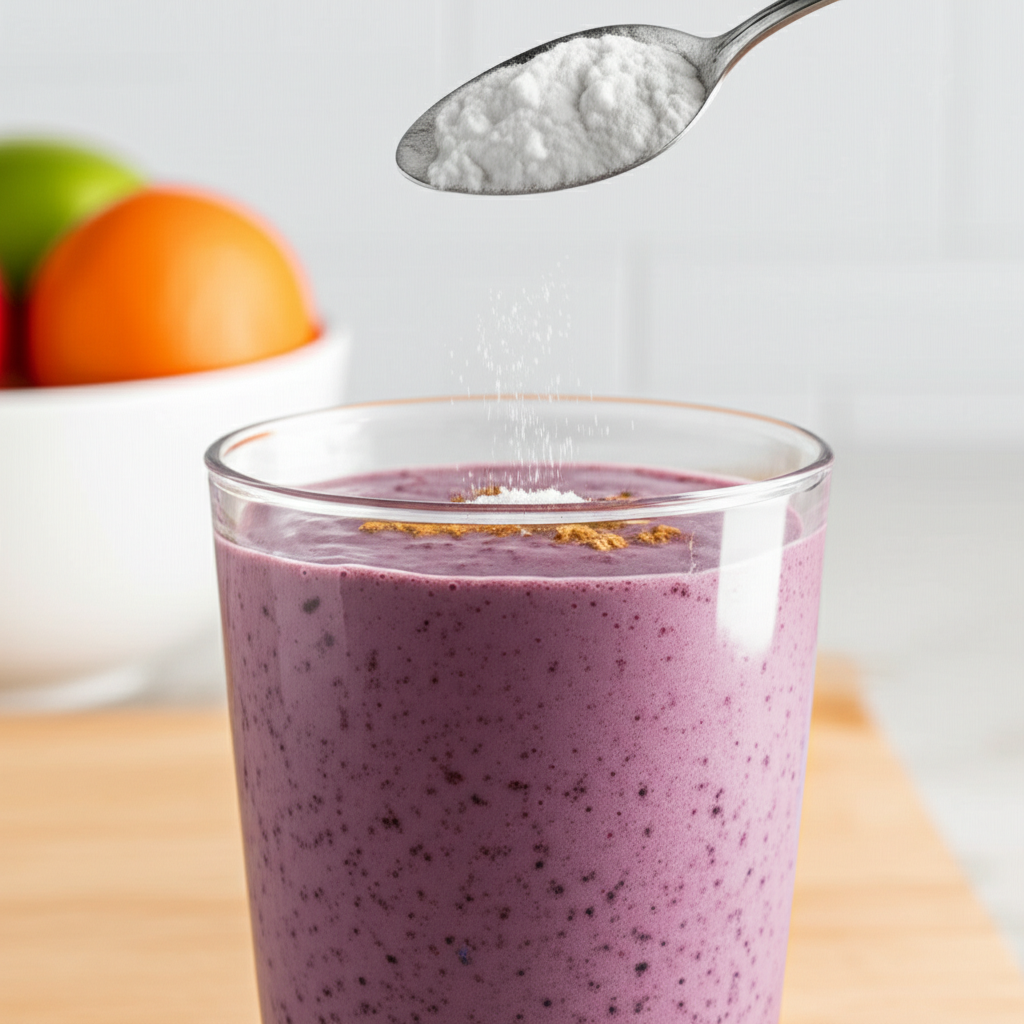
Yes, you can absolutely put creatine in a smoothie! It’s a simple and effective way to boost your smoothie’s nutritional profile, enhancing muscle growth and performance with minimal effort. This guide shows you how to do it right for amazing results.
Key Takeaways
- Mix creatine into your favorite smoothie for enhanced muscle gains.
- Choose a liquid base like water, juice, or milk for easy blending.
- Combine creatine with carbohydrates for optimal absorption.
- Start with a standard dose of 3-5 grams daily.
- Blend thoroughly to ensure no gritty texture remains.
- Enjoy your enhanced, power-packed smoothie!
Can You Put Creatine In A Smoothie? Astonishing Results!
Ever wonder if you can boost your daily smoothie with a little extra power? You’re not alone! Many people are curious about adding supplements to their favorite blended drinks. Specifically, the question “Can you put creatine in a smoothie?” pops up often. It might seem a bit confusing, but it’s actually quite straightforward. Adding creatine to your smoothie can be a fantastic way to support your fitness goals. We’ll walk you through exactly how to do it, making it simple and effective. Get ready to unlock astonishing results with your next blend!
Understanding Creatine: What It Is and Why It Matters
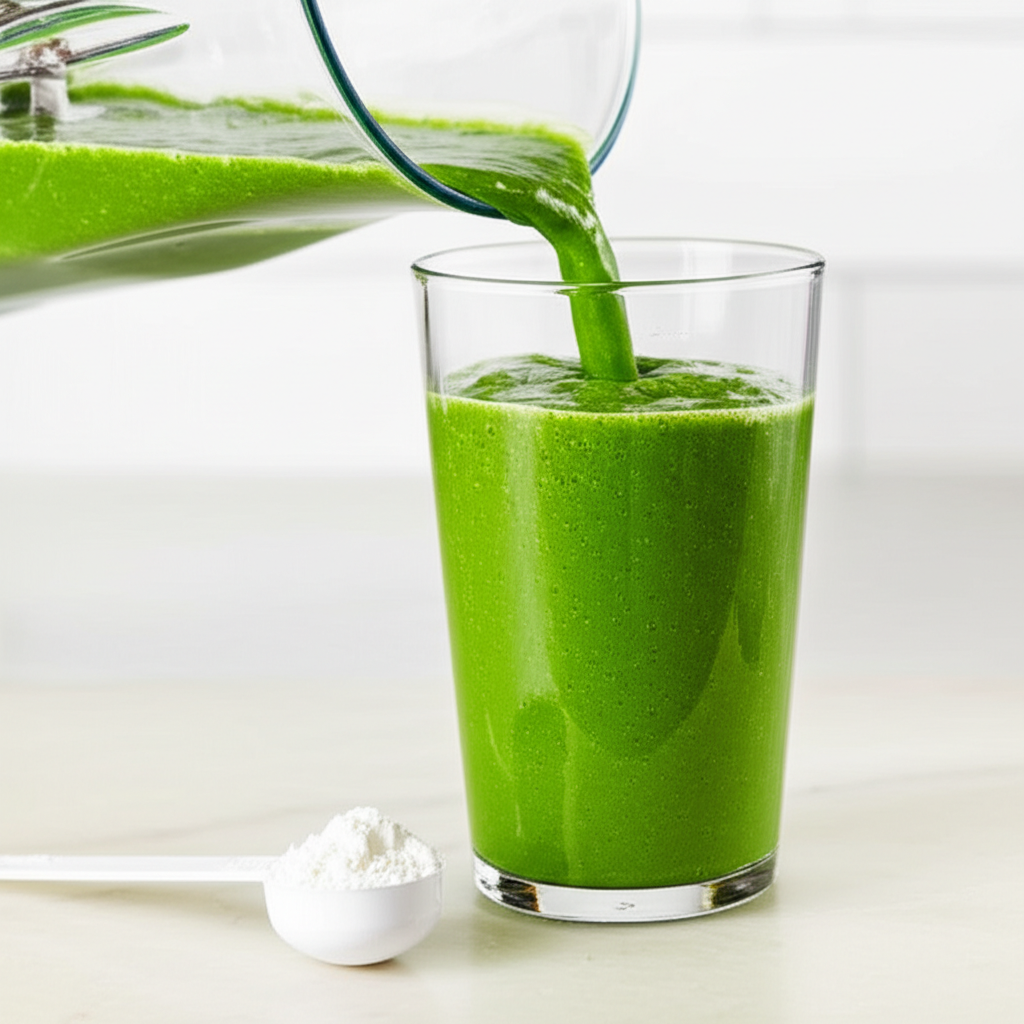
Before we dive into mixing, let’s quickly chat about creatine itself. Creatine is a naturally occurring compound found in our muscle cells. It plays a crucial role in providing energy, especially during short bursts of high-intensity activity like lifting weights or sprinting. When you exercise, your body uses adenosine triphosphate (ATP) for energy. Creatine helps your body produce more ATP, allowing you to perform at a higher intensity for longer. This can lead to increased strength, power, and muscle mass over time.
For many, supplementing with creatine is a popular strategy to maximize these benefits. However, the thought of adding it to a drink can sometimes feel daunting. Will it dissolve? Will it taste weird? Will it even work as well? These are common questions, and we’re here to answer them all. The good news is that incorporating creatine into your smoothie is incredibly easy and can even improve its taste and texture. Let’s explore why this combination is a match made in fitness heaven.
Why Smoothies Are the Perfect Partner for Creatine
Smoothies offer a fantastic vehicle for creatine for several reasons. Their blended nature means that powders can easily integrate without leaving a chalky residue, especially when you use the right ingredients and blending techniques. Plus, smoothies are already a popular way for health-conscious individuals to consume nutrients, making the addition of a supplement feel natural. When you think about it, you’re already blending fruits, vegetables, and liquids – adding a bit of creatine is just one more step towards a more potent nutritional profile.
The key to making creatine work best in a smoothie lies in understanding how it’s absorbed. Creatine is best absorbed when taken with carbohydrates. Since many smoothies are naturally rich in carbs from fruits like bananas, mangoes, or dates, you’re already setting yourself up for success. This synergy means your body can efficiently utilize the creatine you’re consuming, leading to those desired “astonishing results” in your workouts and recovery.
Choosing Your Creatine: What Kind and How Much?
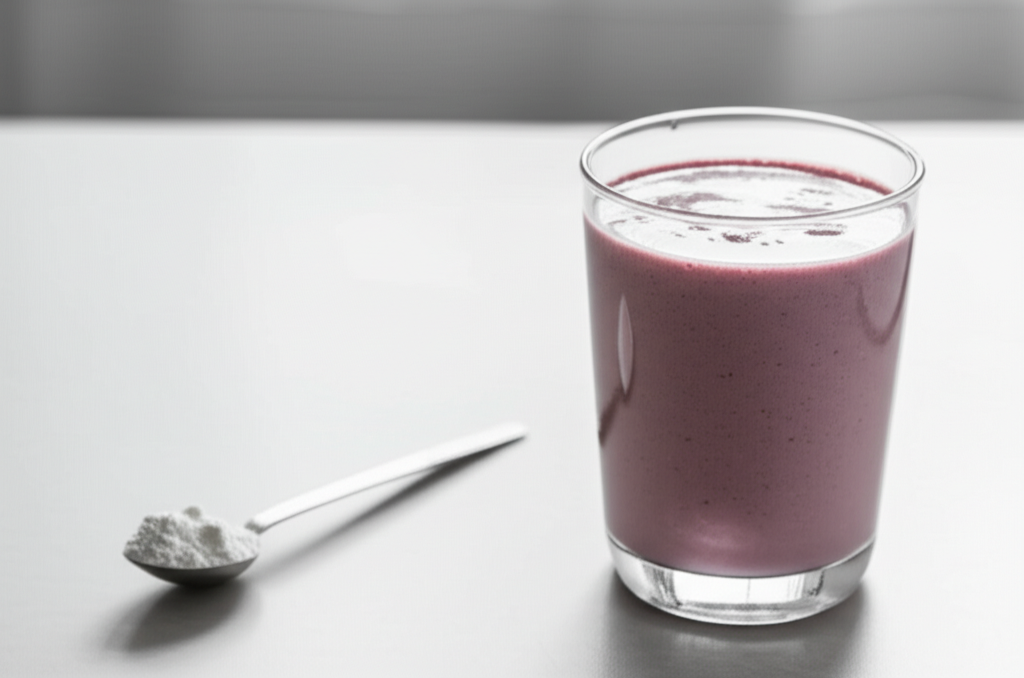
When you’re ready to add creatine to your smoothie, you’ll likely encounter different forms. The most common and well-researched form is Creatine Monohydrate. It’s highly effective, generally affordable, and widely available. Other forms exist, like creatine hydrochloride (HCL) or buffered creatine, which some people claim are better absorbed or cause less stomach upset, but Creatine Monohydrate remains the gold standard for most users. For beginners, starting with Creatine Monohydrate is usually the best approach.
The standard dosage for creatine supplementation is typically 3-5 grams per day. This amount is effective for most individuals looking to increase muscle creatine stores. Some people opt for a “loading phase” where they take a higher dose (around 20 grams per day, split into 4 doses) for the first 5-7 days to saturate their muscles quickly. After the loading phase, they switch to the maintenance dose of 3-5 grams daily. However, research suggests that a loading phase isn’t strictly necessary; consistently taking 3-5 grams per day will eventually lead to the same muscle saturation levels, it just takes a bit longer (about 3-4 weeks).
For the purpose of adding creatine to a smoothie, the 3-5 gram maintenance dose is perfect. You can easily measure this out with a small scoop, which usually comes with the creatine powder, or use a kitchen scale for precision. Always follow the manufacturer’s instructions on the creatine packaging, as dosages can sometimes vary slightly.
The Best Bases for Your Creatine Smoothie
The liquid base of your smoothie is crucial for both flavor and creatine solubility. You want something that mixes well and complements the other ingredients. Here are some excellent options:
- Water: The simplest and most calorie-free option. While creatine dissolves in water, some find it can leave a slightly gritty texture if not blended thoroughly. It’s a neutral base that won’t alter the flavor of your fruit.
- Fruit Juice: Orange juice is a classic for a reason! Its natural sugars (carbohydrates) help with creatine absorption, and its strong flavor can mask any subtle taste from the creatine. Other juices like apple or grape also work well.
- Milk (Dairy or Non-Dairy): Milk adds creaminess and protein. Cow’s milk, almond milk, soy milk, or oat milk can all be great bases. The proteins and fats in milk might slightly slow down absorption compared to water or juice, but it’s still an effective option, especially for post-workout recovery.
- Coconut Water: A refreshing choice that provides electrolytes. It’s lighter than milk and offers a subtle sweetness.
When choosing your base, consider your overall goals. If you’re aiming for maximum carb intake to aid absorption, fruit juice or adding extra fruit to a water base is ideal. If you’re looking for a creamier texture and added protein, milk is a great choice.
Step-by-Step: How to Add Creatine to Your Smoothie
Making a creatine-infused smoothie is as easy as making any other smoothie. Follow these simple steps:
Step 1: Gather Your Ingredients
This includes your chosen liquid base, fruits (fresh or frozen), any vegetables (like spinach), protein powder (optional), and your creatine supplement.
Step 2: Add Liquid First
Pour your liquid base (water, juice, milk, etc.) into the blender. Adding liquid first helps the blades move more freely and prevents ingredients from sticking to the bottom.
Step 3: Add Creatine
Measure out your 3-5 grams of creatine monohydrate. Add it directly into the blender with the liquid. Don’t worry if it looks like it’s settling; the blending process will take care of that.
Step 4: Add Fruits and Other Ingredients
Add your fruits, vegetables, and any other desired ingredients. Frozen fruits are great for creating a thick, cold smoothie. For a vibrant orange-forward option, consider adding peeled oranges (seeds removed!), mango, or peaches.
Step 5: Blend Until Smooth
Secure the lid on your blender and start blending on a low speed, gradually increasing to high. Blend for at least 30-60 seconds, or until all ingredients are thoroughly combined and the texture is smooth and creamy. Ensure there are no gritty bits of creatine left. You might need to scrape down the sides of the blender once or twice.
Step 6: Taste and Adjust
Pour your smoothie into a glass. Give it a taste. If it’s too thick, add a little more liquid and blend briefly. If it’s not sweet enough, you can add a touch of honey, maple syrup, or another piece of fruit.
Step 7: Enjoy Immediately
For the best taste and to ensure the creatine remains potent, drink your smoothie right after blending.
Orange-Forward Creatine Smoothie Recipe Ideas
As your friendly guide to all things delicious and healthy, especially with a citrusy twist, I’m thrilled to share some smoothie recipes that perfectly complement creatine. These are designed to be beginner-friendly and deliver fantastic flavor and benefits.
The Classic Citrus Power-Up
This is a simple yet effective recipe to get you started. The sweetness of the orange and banana masks any hint of creatine, while the carbs provide excellent absorption.
- 1 cup fresh orange juice (or 1 peeled orange + 1/2 cup water)
- 1 ripe banana (frozen for a thicker smoothie)
- 3-5 grams Creatine Monohydrate
- Optional: 1/4 cup Greek yogurt for extra protein and creaminess
Instructions: Add orange juice (or orange and water) to the blender first. Then add the creatine, banana, and yogurt (if using). Blend until smooth.
Tropical Sunrise Energizer
A taste of the tropics with a powerful punch. Mango and pineapple provide a sweet and tangy flavor profile, perfect for masking creatine.
- 1 cup coconut water or mango nectar
- 1/2 cup frozen mango chunks
- 1/2 cup frozen pineapple chunks
- 3-5 grams Creatine Monohydrate
- Optional: A small piece of fresh ginger for a zing
Instructions: Pour coconut water or mango nectar into the blender. Add creatine, mango, pineapple, and ginger (if using). Blend until creamy and smooth.
Orange Cream Dream
For those who love a creamy, dessert-like smoothie that still packs a nutritional punch. This recipe is incredibly satisfying.
- 1 cup unsweetened almond milk or oat milk
- 1 whole peeled orange (seeds removed)
- 1/2 frozen banana
- 3-5 grams Creatine Monohydrate
- 1 tablespoon almond butter (optional, for healthy fats and flavor)
- Sweetener to taste (e.g., a date or a drizzle of honey)
Instructions: Add almond milk to the blender. Then add the creatine, peeled orange, frozen banana, almond butter (if using), and sweetener. Blend until completely smooth and creamy.
Remember, these are just starting points. Feel free to experiment with other fruits like peaches, berries, or even a handful of spinach (you won’t taste it!). The goal is to create a delicious drink that you’ll look forward to having every day.
Pro Tips for Optimal Creatine Smoothie Blending
To ensure you get the best results and the smoothest texture, here are a few pro tips:
- Use a Good Blender: A high-powered blender will make a significant difference in achieving a perfectly smooth consistency, especially when blending fruits, vegetables, and powders.
- Frozen Fruit is Your Friend: Using frozen fruit eliminates the need for ice and creates a thicker, colder, and more enjoyable smoothie texture.
- Don’t Overdo the Creatine: Stick to the recommended 3-5 grams per day. More is not necessarily better and can sometimes lead to digestive discomfort.
- Consistency is Key: For creatine to be most effective, you need to take it consistently every day, whether it’s in a smoothie or another beverage.
- Timing Matters (Slightly): While you can take creatine anytime, consuming it post-workout, especially with a carbohydrate-rich meal or smoothie, might offer slight advantages for muscle recovery and glycogen replenishment.
Creatine and Smoothies: Addressing Common Concerns
It’s natural to have questions when trying something new. Here are some common concerns about putting creatine in smoothies and their answers:
Will Creatine Make My Smoothie Taste Bad?
Creatine monohydrate has a very mild taste that is easily masked by most fruits and liquids. Especially with ingredients like oranges, mangoes, or berries, you’re unlikely to notice any difference in flavor. If you’re sensitive to taste, using a stronger flavored liquid base like orange juice or adding a few drops of stevia can help.
Does Creatine Dissolve Properly in a Smoothie?
Yes, when blended thoroughly, creatine monohydrate dissolves very well in liquids. Using a blender ensures it’s fully incorporated, preventing any grittiness. Adding your liquid base first and then the powder, followed by other ingredients, is the best method.
Can I Make My Creatine Smoothie Ahead of Time?
While you can prepare a smoothie ahead of time, it’s generally best to consume creatine immediately after blending. This is because creatine can begin to degrade in liquid over extended periods. If you must prepare it in advance, store it in an airtight container in the refrigerator and consume it within 24 hours for optimal potency.
Are There Any Interactions Between Creatine and Smoothie Ingredients?
Creatine is generally safe and doesn’t have significant negative interactions with common smoothie ingredients like fruits, vegetables, or protein powders. In fact, the carbohydrates in fruits can enhance its absorption. Always check with a healthcare professional if you have specific dietary restrictions or health conditions.
What Are the Astonishing Results I Can Expect?
The “astonishing results” refer to the well-documented benefits of creatine supplementation when combined with regular training. These include increased muscle strength and power, improved performance in high-intensity exercises, faster muscle recovery, and potentially increased lean muscle mass over time. It’s important to remember that creatine is a supplement to exercise and a healthy diet, not a magic bullet on its own.
How Long Until I See Results from Creatine?
If you do a loading phase, you might notice increased strength and performance within the first week. If you’re taking a maintenance dose of 3-5 grams daily without loading, it typically takes about 3-4 weeks for your muscle creatine stores to become fully saturated and for you to experience the full benefits.
Is Creatine Safe for Beginners?
Yes, creatine monohydrate is considered one of the safest and most effective sports supplements available. When taken at recommended doses, it has an excellent safety profile. For beginners, starting with the standard 3-5 gram daily dose is recommended, and listening to your body is always wise. Staying hydrated is also important when taking creatine.
The Science Behind Creatine Absorption in Smoothies
Understanding the science can demystify the process. Creatine’s absorption into your muscles is enhanced by insulin. Insulin is a hormone that is released in response to carbohydrate intake. Therefore, consuming creatine with a source of carbohydrates, like the fruits in your smoothie, helps to stimulate an insulin response. This insulin then helps to transport the creatine from your bloodstream into your muscle cells more efficiently.
A study published in the Journal of the International Society of Sports Nutrition highlighted that consuming creatine with carbohydrates can indeed increase creatine uptake. This is precisely why fruit-rich smoothies are such an excellent choice for creatine delivery. The natural sugars from fruits like oranges, bananas, and mangoes provide the perfect carbohydrate boost to maximize the benefits of your creatine supplement.
Furthermore, the blended nature of a smoothie means the creatine particles are already broken down and mixed with liquid, potentially leading to quicker digestion and absorption compared to taking a dry powder with just water. This makes your post-workout recovery smoothie an ideal time to consume your daily dose.
Table: Creatine Absorption Factors
Here’s a quick look at factors that influence creatine absorption, with smoothies offering a great way to optimize many of them:
| Factor | How Smoothies Help | Notes |
|---|---|---|
| Carbohydrates | Naturally present in fruits (or added juices) stimulate insulin release. | Higher carb content generally means better absorption. |
| Liquid Base | Water, juice, or milk ensures creatine is in solution for digestion. | Ensures proper mixing and easier breakdown. |
| Temperature | Cold liquids can make the taste more palatable and refreshing. | Avoid hot liquids, as they can degrade creatine. |
| Particle Size | Blending breaks down ingredients, potentially aiding digestion. | Micronized creatine monohydrate also dissolves better. |
| Protein | Can be added via milk or protein powder; may aid recovery. | Some research suggests protein with carbs can enhance insulin response. |
Conclusion
So, can you put creatine in a smoothie? The answer is a resounding yes! It’s a simple, effective, and delicious way to enhance your daily nutrient intake and support your fitness goals. By understanding the basics of creatine and how it pairs with carbohydrate-rich ingredients, you can easily create powerful smoothies that taste amazing and deliver tangible results. Whether you’re a seasoned athlete or just starting your fitness journey, incorporating creatine into your smoothie routine is a straightforward step towards unlocking increased strength, power, and muscle gains. Experiment with the orange-forward recipes and pro tips provided, and enjoy the astonishing benefits!
Frequently Asked Questions (FAQ)
Q1: What is the best time of day to drink a creatine smoothie?
A1: While you can drink your creatine smoothie anytime, post-workout is often considered ideal. The carbohydrates in the smoothie help replenish glycogen stores, and the creatine aids in muscle recovery and repair. However, consistency is more important than timing, so choose a time that works best for your daily routine.
Q2: Can I mix creatine with hot liquids in a smoothie?
A2: It’s best to avoid hot liquids. Creatine monohydrate can degrade when exposed to high temperatures, potentially reducing its effectiveness. Stick to cold or room-temperature liquids for your smoothies.
Q3: How much creatine should I use for a smoothie?
A3: The standard effective dose for most adults is 3-5 grams of creatine monohydrate per day. If you’re performing a loading phase, you’d take a higher dose (around 20 grams per day, split into multiple servings) for the first week, but 3-5 grams is perfect for daily maintenance and easy integration into a single smoothie.
Q4: Will adding creatine make my smoothie gritty?
A4: If you use a good blender and blend thoroughly, you should not experience a gritty texture. Micronized creatine monohydrate dissolves even more easily. Adding your liquid base first also helps ensure everything blends smoothly.
Q5: Can children or teenagers use creatine smoothies?
A5: While creatine is generally considered safe, it’s always best for individuals under 18 to consult with a pediatrician or a registered dietitian before starting any new supplement, including creatine. Their bodies are still developing, and individual needs can vary.
Q6: What are the main benefits of creatine?
A6: The primary benefits of creatine supplementation include increased muscle strength and power, enhanced performance in high-intensity exercise, faster muscle recovery, and potential increases in lean muscle mass over time when combined with resistance training.
Q7: Can I put creatine in a smoothie if I’m not working out?
A7: Yes, you can still benefit from creatine even on rest days. Consistency is key for saturating your muscle stores. While the workout enhances the benefits, daily intake helps maintain elevated creatine levels, supporting overall muscle function and recovery.
smartblander.com is a participant in the Amazon Services LLC Associates Program, an affiliate advertising program. As an Amazon Associate, we earn from qualifying purchases made through our links.
