

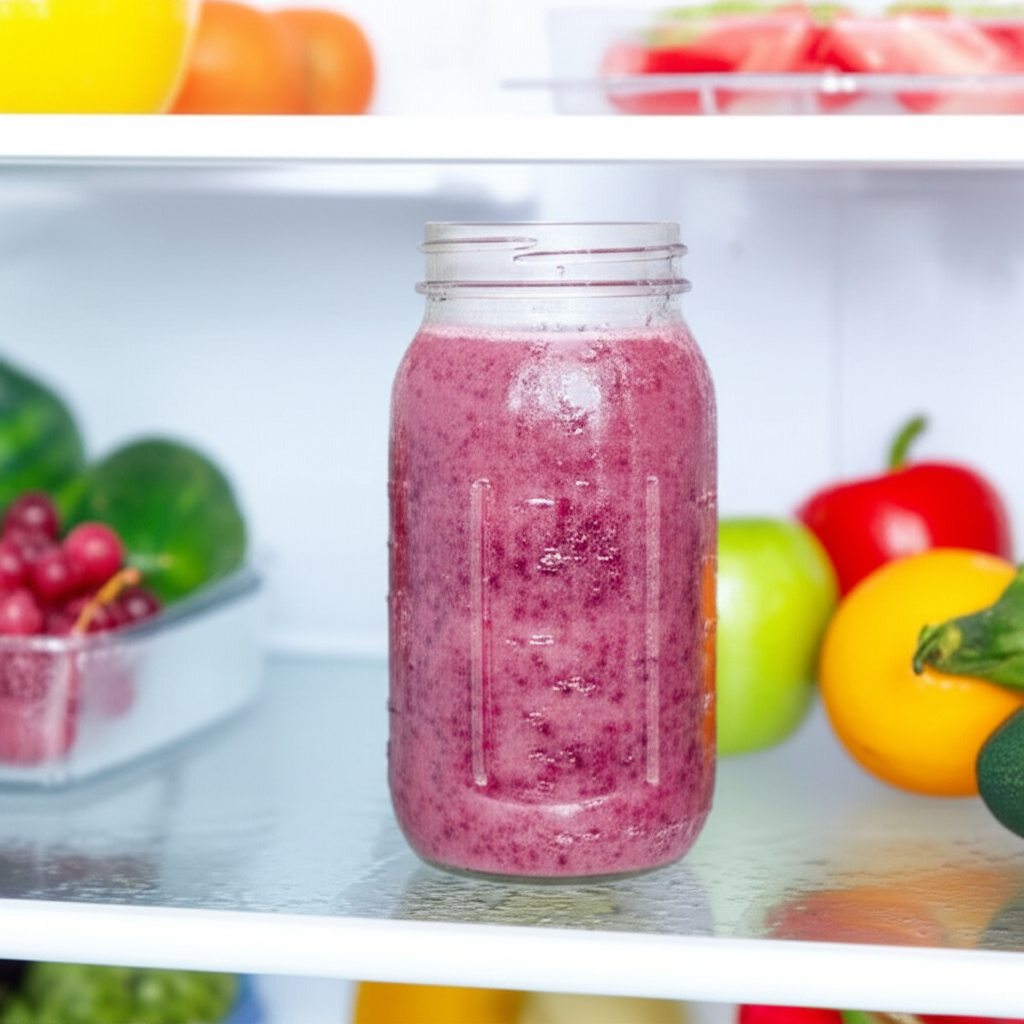
A freshly made smoothie can typically last in the refrigerator for 24 to 48 hours, but its optimal freshness and nutrient content are best enjoyed within the first 12 hours. Storing it correctly in an airtight container is key to avoiding spoilage and preserving quality.
Key Takeaways
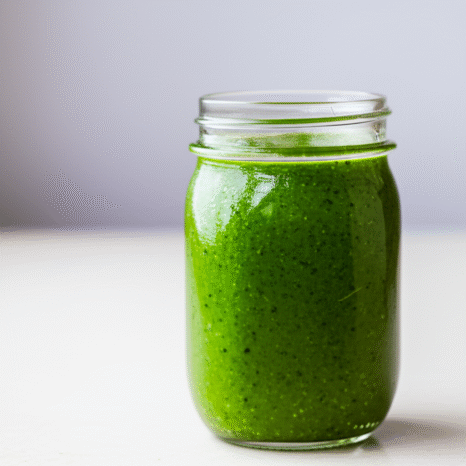
- Refrigerate smoothies immediately in airtight containers.
- Aim to consume smoothies within 24-48 hours.
- Expect texture and nutrient changes over time.
- Freeze for longer storage up to 3 months.
- Recognize signs of smoothie spoilage.
- Citrus and acidic ingredients extend shelf life slightly.
How Long Can A Smoothie Last In The Fridge? Avoid Spoilage!
You’ve just blended up a vibrant, delicious smoothie, packed with your favorite fruits and veggies. It tastes amazing! But then life happens, and you can’t finish it all at once. You wonder, “How long can a smoothie last in the fridge?” This is a common question, and the answer isn’t always straightforward. Smoothies can change quickly, affecting their taste, texture, and nutritional value. But don’t worry! With a little know-how, you can confidently store your smoothies and enjoy them for a few days. We’ll guide you through everything you need to know to keep your blended creations fresh and safe to drink.
Understanding Smoothie Shelf Life: The Basics
So, how long can a smoothie actually last in the fridge? The general consensus among food safety experts and culinary enthusiasts is that most smoothies are best consumed within 24 to 48 hours of being made. However, this is a broad range, and several factors influence this timeline. Think of it like fresh-squeezed orange juice – it’s wonderful right away, but its vibrancy fades over time.
The key to maximizing your smoothie’s lifespan in the refrigerator is understanding the ingredients used and how they react to storage. Some ingredients are more delicate than others, and the blending process itself can introduce air and break down cellular structures, accelerating spoilage. Our goal is to slow down these processes as much as possible.
Factors Affecting Smoothie Freshness
Several elements play a crucial role in determining how long your smoothie will stay good in the fridge:
- Ingredient Type: Fruits and vegetables with higher water content, like berries and leafy greens, tend to break down faster than denser ingredients like bananas or avocado.
- Presence of Air: Oxidation is a smoothie’s enemy. The more air that gets into your smoothie during blending and storage, the faster it will degrade.
- Acidity: Ingredients like citrus (think oranges, lemons, limes) can act as natural preservatives due to their acidity, helping to slow down bacterial growth.
- Dairy or Non-Dairy Base: Smoothies containing dairy (milk, yogurt) or certain non-dairy alternatives might have a slightly shorter shelf life than those made with just water or juice, as these can be more prone to spoilage.
- Add-ins: Protein powders, nut butters, and seeds can affect texture and how well the smoothie holds up.
Understanding these factors will help you make informed decisions about when to drink your smoothie and how to store it for the best results.
The 24-48 Hour Rule: What to Expect
Let’s break down what happens to your smoothie over the first 48 hours in the refrigerator.
Within the First 12 Hours: Peak Freshness
For the first 12 hours, your smoothie is likely at its absolute best. The flavors are bright and distinct, the texture is smooth and creamy, and the nutrient content, especially vitamins like Vitamin C, is at its highest. If you can, enjoy your smoothie within this window. This is especially true for smoothies featuring delicate ingredients like fresh herbs or unpasteurized juices.
12-24 Hours: Still Good, But Changing
By the 24-hour mark, you’ll likely notice subtle changes. The color might have darkened slightly due to oxidation. The texture might have begun to separate, with some liquid pooling at the bottom. The flavors may be a little less vibrant. However, for most smoothies, it will still be perfectly safe and enjoyable to drink. A good shake or stir might be all it needs.
24-48 Hours: The Limit for Refrigeration
Pushing your smoothie to the 48-hour mark is generally the upper limit for refrigeration. By this time, significant separation is likely. The texture might feel gritty or watery, and the taste could be muted or even slightly off. While it might not be harmful to drink if it smells and tastes okay, the nutritional value will have decreased, and the enjoyable sensory experience will be diminished.
Beyond 48 Hours: When to Toss It
If your smoothie has been in the fridge for more than 48 hours, it’s best to err on the side of caution. You’ll likely notice significant changes in smell, taste, and appearance. If you see any mold, detect a sour or “off” smell, or notice a slimy texture, it’s definitely time to discard it. Foodborne illnesses are not worth the risk!
Storing Your Smoothie for Maximum Freshness
Proper storage is paramount to extending the life of your smoothie and maintaining its quality. It’s not just about popping it in the fridge; it’s about how you seal it!
Airtight Containers Are Your Best Friend
The most critical step is to use an airtight container. This minimizes contact with oxygen, which is the primary driver of oxidation and spoilage. Here are some excellent options:
- Glass Jars with Lids: Mason jars or other glass containers with tight-fitting lids are ideal. They don’t retain odors and are easy to clean.
- Reusable Plastic Containers with Secure Seals: Look for BPA-free containers with silicone gaskets or snap-on lids that create a strong seal.
- Specialized Smoothie Bottles: Many brands offer bottles designed for smoothies, often with wider openings and secure caps.
Pro Tip: When filling your container, try to fill it as close to the top as possible. This leaves less room for air to circulate within the container, further reducing oxidation.
The “No Air” Trick: Plastic Wrap Method
If you don’t have a perfectly airtight container, you can use plastic wrap as an extra layer of defense. After pouring your smoothie into a jar or container, press a piece of plastic wrap directly onto the surface of the liquid, ensuring there are no air bubbles trapped between the wrap and the smoothie. Then, secure the lid over the plastic wrap. This creates a barrier against oxidation.
Refrigeration Temperature Matters
Ensure your refrigerator is set to the correct temperature, ideally between 35°F and 40°F (1.7°C and 4.4°C). Colder temperatures slow down bacterial growth more effectively.
Can You Freeze Smoothies? Yes!
If you’ve made too much or want to prepare smoothies in advance, freezing is an excellent option. Frozen smoothies can last much longer than refrigerated ones, preserving their flavor and nutrients for weeks, even months.
How to Freeze Smoothies
- Portion Them Out: Pour your smoothie into individual freezer-safe containers, ice cube trays, or freezer bags. Leaving a little headspace is important, as liquids expand when frozen.
- Use Freezer-Safe Containers: Opt for airtight containers designed for freezing to prevent freezer burn.
- Label and Date: Always label your frozen smoothies with the date they were made.
How Long Do Frozen Smoothies Last?
When properly frozen, most smoothies can last for:
- 2 to 3 months for best quality.
- Up to 6 months, though texture and flavor might degrade over time.
Thawing Frozen Smoothies
To enjoy a frozen smoothie:
- Overnight in the Fridge: The best way is to transfer it from the freezer to the refrigerator the night before.
- At Room Temperature: You can also let it thaw at room temperature for an hour or two.
- Re-blend: Once partially thawed, you might need to give it a quick re-blend to restore its smooth texture.
Freezing is a fantastic way to ensure you always have a healthy, quick smoothie option available. You can even freeze smoothie packs containing pre-portioned fruits, vegetables, and other dry ingredients, ready to be blended with your liquid base.
Signs Your Smoothie Has Gone Bad
Even with the best storage, it’s crucial to be able to identify when a smoothie is no longer safe or pleasant to consume. Trust your senses!
Visual Cues
- Mold: Any fuzzy or colored patches on the surface or edges are a clear sign of spoilage.
- Significant Color Changes: While some darkening is normal, a drastic change to an unappetizing color can indicate spoilage.
- Slimy Texture: If the smoothie has developed a slimy or gelatinous consistency, it’s time to discard it.
Smell Test
Your nose knows! If the smoothie smells sour, fermented, or generally “off” in a way that isn’t pleasant, it’s a strong indicator that it has spoiled. Fresh ingredients should smell fresh, not pungent or vinegary.
Taste Test (with Caution)
If you’re unsure after checking the appearance and smell, take a tiny sip. If it tastes sour, bitter, or just plain wrong, spit it out and discard the rest. Don’t force yourself to drink something that doesn’t taste right.
Tips for Extending Smoothie Life with Ingredients
Certain ingredients can naturally help your smoothie last a bit longer in the fridge. Incorporating these can be a smart move if you know you won’t be drinking it immediately.
The Power of Citrus
As mentioned, citrus fruits like oranges, lemons, and limes are acidic. This acidity creates an environment that is less hospitable to bacteria. Adding a squeeze of lemon or lime juice, or using orange juice as your liquid base, can provide a mild preservative effect. This is one reason why orange-based smoothies are often quite refreshing and hold up well.
Acids from Other Sources
Other acidic ingredients can also help. Think about adding a tablespoon of apple cider vinegar (which has a strong flavor, so use sparingly!) or using berries, which are naturally acidic.
Antioxidant Boost
Ingredients rich in antioxidants, like berries and leafy greens, can help combat some of the oxidative browning. While they won’t stop spoilage, they can help maintain a more appealing color for longer.
High-Fiber Ingredients
Ingredients like chia seeds or flax seeds, when blended in, can help create a thicker, more stable texture that separates less readily. They absorb liquid and form a gel, which can bind the smoothie components together.
What About Smoothies from Restaurants or Stores?
Smoothies purchased from cafes or pre-packaged in stores have different shelf-life considerations. They are often made with pasteurized ingredients and specific preservation techniques. However, the general rule of thumb still applies: the fresher, the better.
If you buy a smoothie, it’s best to consume it as soon as possible. If you must store it, do so in its original container (if airtight) or transfer it to an airtight container and refrigerate immediately. Even then, aim to drink it within 24 hours. The quality and nutrient content will diminish with time, just like homemade smoothies.
Nutritional Considerations: Nutrient Degradation
Beyond taste and texture, it’s important to remember that the nutritional value of your smoothie also declines over time. Vitamins, especially water-soluble ones like Vitamin C and B vitamins, are sensitive to light, air, and heat. Oxidation breaks down these vital nutrients.
For instance, the Vitamin C content in a blended smoothie can decrease significantly after just a few hours. While the smoothie will still offer fiber, minerals, and other beneficial compounds, you won’t be getting the full nutritional punch you would from a freshly made one. This is another excellent reason to drink your smoothies sooner rather than later, or to opt for freezing if you plan to store them long-term.
A Comparison: Smoothie Shelf Life Factors
To help visualize the differences, here’s a quick comparison of how common smoothie ingredients might affect shelf life:
| Ingredient Type | Effect on Shelf Life | Notes |
|---|---|---|
| Citrus Juices (Orange, Lemon) | Slightly Increases | Acidity acts as a mild preservative. |
| Berries (Strawberries, Blueberries) | Decreases (due to delicate structure) | Can oxidize and become mushy faster. |
| Leafy Greens (Spinach, Kale) | Decreases (tend to wilt and oxidize) | Best consumed fresh for vibrant color and nutrients. |
| Bananas | Neutral to Slightly Decreases | Can make texture very thick and sometimes gummy if stored too long. |
| Avocado | Neutral to Slightly Increases | Adds healthy fats and creaminess, can prevent separation slightly. |
| Dairy/Non-Dairy Milk | Decreases (prone to spoilage) | Requires strict refrigeration and shorter storage. |
| Yogurt | Decreases (prone to spoilage) | Similar to dairy milk, needs careful handling. |
| Protein Powder | Neutral | Does not significantly impact spoilage but can affect texture. |
| Seeds (Chia, Flax) | Neutral to Slightly Increases | Help thicken and stabilize texture. |
Frequently Asked Questions About Smoothie Storage
Q1: Can I leave a smoothie on the counter?
No, you should never leave a smoothie on the counter for an extended period. Bacteria can multiply rapidly at room temperature. Smoothies should be refrigerated or frozen immediately after blending if not consumed right away. The FDA recommends refrigerating perishable foods within two hours.
Q2: Will my smoothie separate in the fridge?
Yes, it’s very common for smoothies to separate in the fridge. This is natural as the ingredients settle. A good shake or a quick re-blend will usually bring it back together. Separation doesn’t necessarily mean spoilage, but significant separation can be an indicator of age.
Q3: How do I prevent my smoothie from oxidizing?
To prevent oxidation, minimize air exposure. Use an airtight container, fill it as much as possible, and consider the plastic wrap trick where you press wrap directly onto the surface of the smoothie. Ingredients like citrus juice can also help slow down oxidation.
Q4: Is it safe to drink a smoothie that separated?
Yes, if the smoothie has only separated and shows no other signs of spoilage (bad smell, mold, off-taste), it is generally safe to drink. Just shake or re-blend it. However, the quality and nutrient content will be reduced.
Q5: What’s the best way to store a smoothie if I’m going to drink it tomorrow?
For a smoothie you plan to drink the next day, the best method is to pour it into an airtight container, fill it as close to the top as possible, seal it tightly, and store it in the coldest part of your refrigerator. Aim to consume it within 24 hours for the best taste and nutrient profile.
Q6: Can I add ice to my smoothie to make it last longer in the fridge?
Adding ice can make a smoothie thicker initially, but it doesn’t significantly extend its shelf life in the fridge. In fact, as the ice melts, it can dilute the smoothie and contribute to faster spoilage. It’s better to rely on proper storage in an airtight container.
Q7: My smoothie turned brown. Is it still good?
Some smoothies, especially those with greens or certain fruits like bananas, can naturally turn a darker or browner color due to oxidation. If the color change is the only issue and it smells and tastes fine, it might still be okay. However, if the browning is accompanied by an off smell or taste, it’s best to discard it. A deep brown or black color can also be a sign of spoilage.
Conclusion
Navigating the shelf life of your homemade smoothies doesn’t have to be complicated. By understanding the role of ingredients, the impact of air exposure, and the importance of proper storage, you can confidently enjoy your blended creations for longer. Remember, while most smoothies are safe to consume within 24 to 48 hours when refrigerated correctly, their peak flavor and nutritional value are usually found within the first 12 hours. For longer storage, freezing is your best bet. Always trust your senses – if a smoothie looks, smells, or tastes off, it’s time to say goodbye. With these tips, you can blend with confidence and savor every sip!
smartblander.com is a participant in the Amazon Services LLC Associates Program, an affiliate advertising program. As an Amazon Associate, we earn from qualifying purchases made through our links.
