

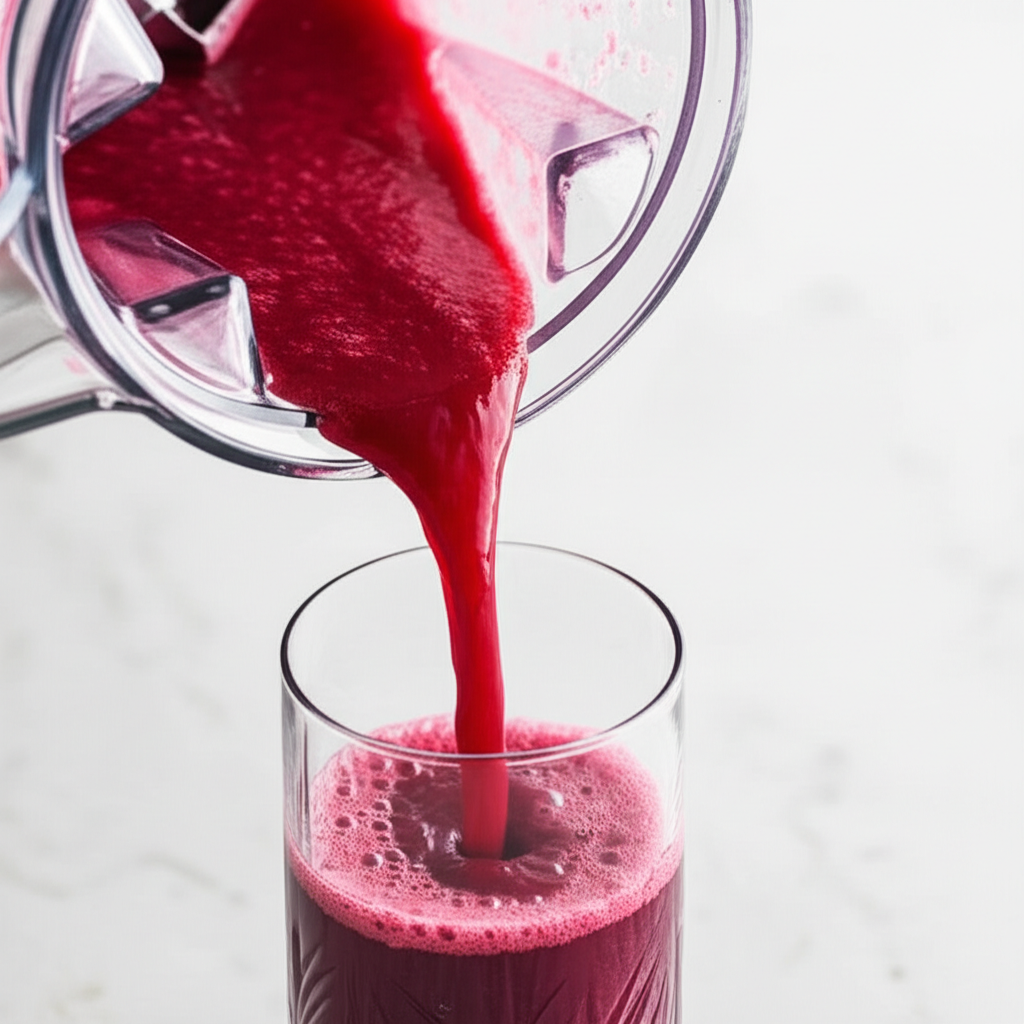
Making beet juice in a blender is surprisingly simple! This guide offers a quick and easy method, perfect for beginners, showing you how to extract vibrant, nutrient-rich beet juice without a juicer, using just your kitchen blender.
Key Takeaways
- Blend fresh beets easily with a blender.
- Extract nutritious beet juice at home.
- Achieve smooth beet juice with simple steps.
- Enjoy healthy beet juice quickly and affordably.
- Learn essential tips for great results.
- Boost your wellness with homemade beet juice.
Have you ever looked at a vibrant beet and wondered if you could turn it into juice? Many people think you need a special, expensive juicer to get that beautiful, earthy goodness. But what if I told you that your trusty blender can do the job? Making beet juice in a blender is a fantastic way to enjoy its health benefits without needing fancy equipment. It’s easier than you might think, and this guide will walk you through every step. Get ready to unlock the power of fresh beet juice right in your own kitchen!
Why Make Beet Juice in a Blender?
Beets are nutritional powerhouses, packed with vitamins, minerals, and antioxidants. They are particularly known for their high nitrate content, which the body converts into nitric oxide. Nitric oxide can help relax blood vessels, potentially leading to improved blood flow and lower blood pressure. Studies have shown that regular consumption of beet juice can support cardiovascular health and improve athletic performance due to these nitric oxide benefits. Beyond nitrates, beets offer vitamin C, potassium, manganese, and fiber, contributing to overall well-being, immune support, and digestive health.
The idea of making juice at home can seem daunting, especially if you’re new to it. You might be thinking about the cost of a juicer or the mess involved. However, using a blender is a game-changer for beginners. It’s a more accessible option because most kitchens already have a blender. Plus, the process is straightforward and requires minimal special ingredients or techniques. You can achieve a delicious and healthy beet juice with just a few simple ingredients and your everyday blender. This method is also incredibly versatile, allowing you to customize your juice with other fruits and vegetables.
Compared to store-bought juices, homemade beet juice offers unparalleled freshness and control over ingredients. You know exactly what’s going into your drink – no added sugars, preservatives, or artificial flavors. This direct control is crucial for anyone focused on clean eating and maximizing nutritional intake. Furthermore, the vibrant color alone is a visual treat, promising a burst of natural goodness. Let’s dive into how you can easily make this amazing juice yourself.
What You’ll Need: Blender Beet Juice Essentials
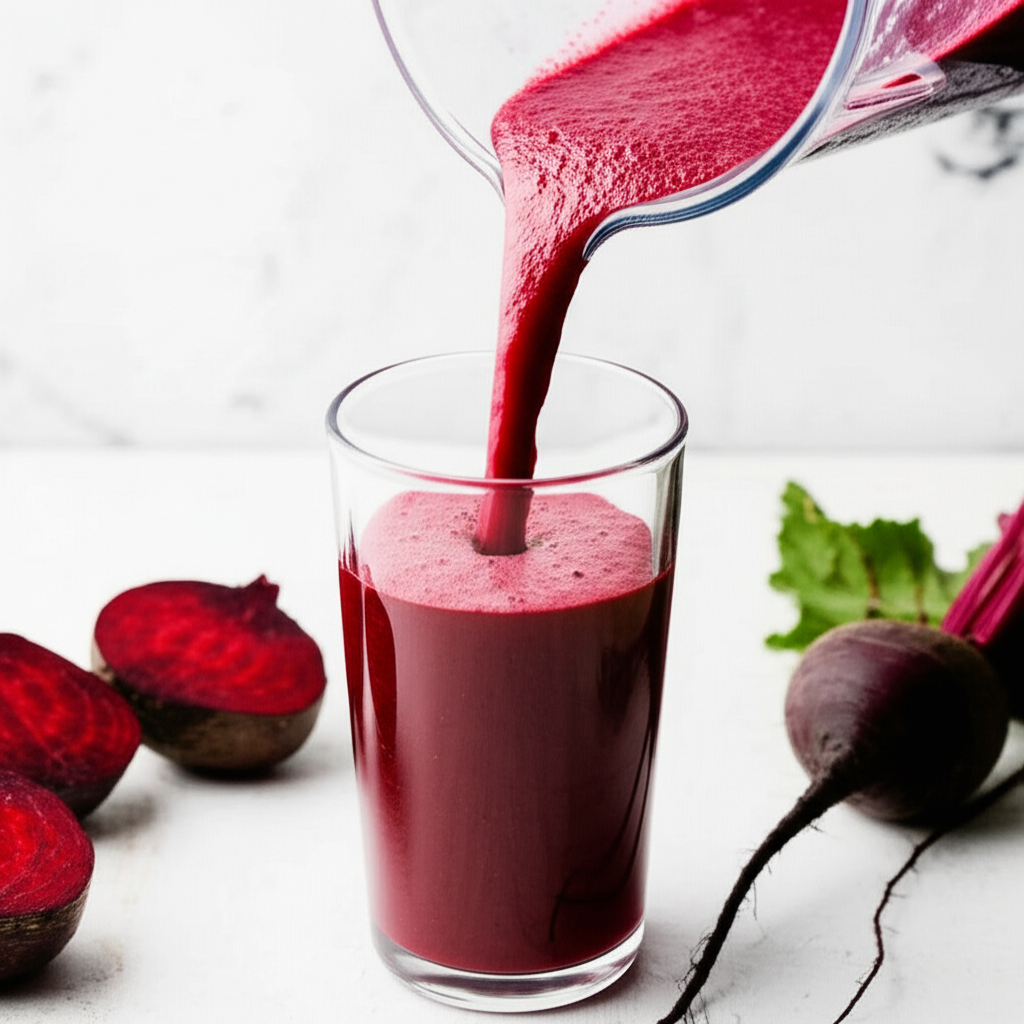
Gathering your supplies is the first step to a successful beet juice adventure. Don’t worry; it’s a short list, and most items are probably already in your kitchen. Having everything ready makes the process smooth and enjoyable.
Equipment for Making Beet Juice
The star of the show is your blender. For the best results, especially when blending raw vegetables, a high-powered blender is ideal. However, a standard blender can also work, though you might need to add a bit more liquid and blend for a longer time. You’ll also need a fine-mesh sieve or a cheesecloth-lined colander to separate the juice from the pulp. A bowl to catch the juice and a knife and cutting board for preparing the beets are also essential.
Here’s a quick rundown of the equipment:
- Blender: High-powered recommended, but standard works.
- Knife: For peeling and chopping beets.
- Cutting Board: A stable surface for chopping.
- Fine-Mesh Sieve or Cheesecloth: For straining the juice.
- Bowl: To collect the strained juice.
- Measuring Cups/Spoons: For any additional liquids or ingredients.
Ingredients for Basic Beet Juice
The beauty of beet juice is its simplicity. You can start with just beets and water. However, adding other ingredients can enhance the flavor, boost the nutritional profile, and make it even more delicious. For a beginner-friendly approach, consider these:
- Fresh Beets: 1-2 medium-sized beets. Choose firm, fresh beets with smooth skin.
- Water: About 1/2 to 1 cup. This helps the blender process the beets and achieve a juice-like consistency.
- Optional Flavor Enhancers:
- Lemon or Lime Juice: Adds brightness and cuts through the earthiness.
- Ginger: A small piece adds a zesty kick and its own health benefits.
- Apple or Carrot: Adds natural sweetness.
The quality of your ingredients matters. Fresh, organic beets will yield the best flavor and nutritional value. If you can, opt for organic to minimize pesticide exposure. Washing them thoroughly is also crucial.
Step-by-Step: How to Make Beet Juice in a Blender
Ready to get started? This process is designed to be as straightforward as possible. Follow these steps, and you’ll be enjoying your homemade beet juice in no time.
Step 1: Prepare Your Beets
Start by thoroughly washing your beets under cold running water. Use a vegetable brush to scrub away any dirt. You can choose to peel the beets or not. Peeling is recommended if the skins are tough or if you’re concerned about pesticides (especially if not organic). If you choose to peel, use a vegetable peeler or a paring knife. Trim off the root end and the leafy green tops (you can save the greens for another recipe!). Chop the beets into small, manageable chunks, about 1-2 inches in size. This helps your blender process them more easily.
Step 2: Blend the Beets
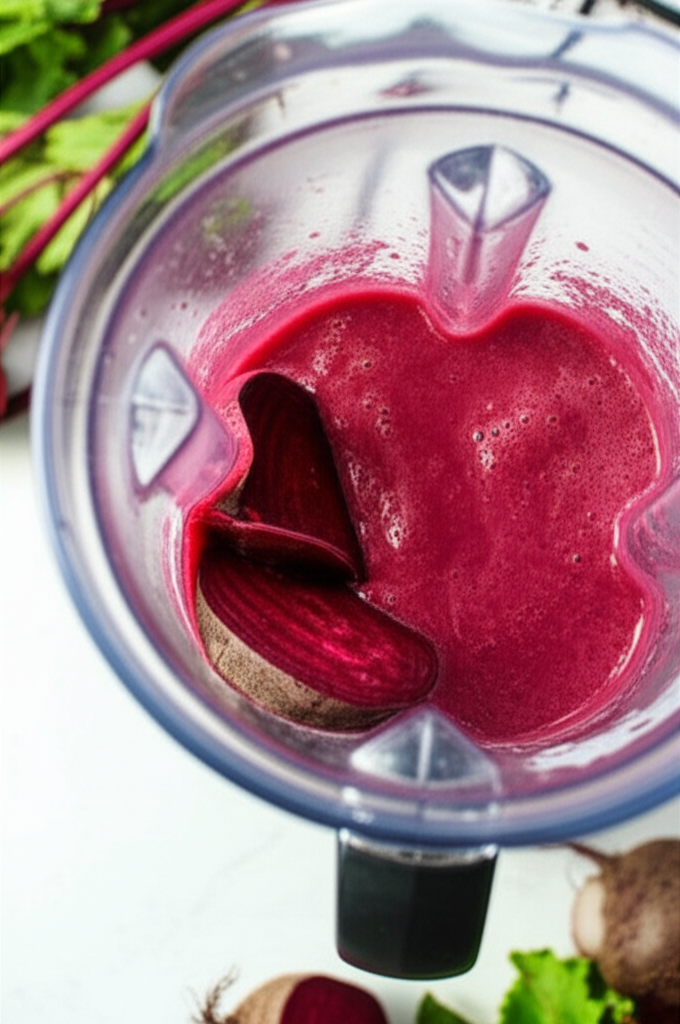
Place the chopped beet pieces into your blender. Add about 1/2 cup of water to start. If you’re adding any other fruits or vegetables like apple, ginger, or lemon, add them now. Secure the lid on your blender. Start blending on a low speed, gradually increasing to high. Blend until the mixture is as smooth as possible. This might take 1-3 minutes, depending on the power of your blender. If the mixture is too thick and the blender is struggling, add a little more water, a tablespoon at a time, until it reaches a smooth, liquid consistency.
Step 3: Strain the Juice
Once blended, the mixture will be thick and pulpy. To get clear juice, you need to strain it. Place your fine-mesh sieve over a clean bowl. If using cheesecloth, line the sieve or a colander with it, ensuring it drapes over the sides. Carefully pour the blended beet mixture into the sieve. You can use a spoon or spatula to press down on the pulp, helping to extract as much liquid as possible. Be patient; this step might take a few minutes. Discard the pulp or save it for other uses, like adding to baked goods or smoothies.
Step 4: Serve and Enjoy!
You now have fresh beet juice! Taste it. If it’s too earthy for your liking, you can add a squeeze of lemon or lime juice, or a touch of honey or maple syrup (though it’s best to keep it natural). Serve immediately for the freshest taste and maximum nutrient benefit. You can drink it as is, or pour it over ice. If you’re not drinking it right away, store it in an airtight container in the refrigerator for up to 2-3 days. Remember that beet juice can stain, so be mindful of your clothing and surfaces!
Customizing Your Beet Juice: Flavor Combinations
While plain beet juice is potent and beneficial, experimenting with different flavor combinations can make it even more enjoyable and expand its nutritional punch. Here are some popular and beginner-friendly ideas:
Sweet & Simple Combinations
If you find the earthy taste of beets a bit strong, adding fruits is a great way to introduce natural sweetness. Apples are a classic pairing, their crisp sweetness balancing beet’s intensity. Carrots also add a subtle sweetness and a wealth of beta-carotene.
- Beet-Apple Juice: Combine 1-2 beets with 1-2 apples (like Gala, Fuji, or Honeycrisp). Add a small piece of ginger for a kick.
- Beet-Carrot Juice: Blend 1-2 beets with 2-3 carrots. A squeeze of orange juice can enhance the sweetness and add vitamin C.
- Beet-Berry Blend: For a vibrant color and antioxidant boost, add a handful of mixed berries (strawberries, blueberries, raspberries) to your beet base. This is a fantastic way to mask the earthy flavor.
Refreshing & Zesty Options
For a revitalizing drink, citrus fruits and ginger are your best friends. They cut through the earthiness and add a refreshing zing.
- Beet-Citrus Zing: Juice 1-2 beets with the juice of half a lemon or lime. You can also add a peeled orange for extra sweetness and vitamin C.
- Beet-Ginger Boost: Combine 1-2 beets with a 1-inch piece of fresh ginger. A quarter of a cucumber can add a cooling element.
Green Powerhouse Juices
Want to sneak in more greens? Beets pair surprisingly well with leafy vegetables. Start with milder greens if you’re new to green juices.
- Beet-Spinach Refresher: Blend 1 beet with a handful of spinach. A green apple can add sweetness and tartness.
- Beet-Cucumber Cooler: Combine 1 beet with half a cucumber and a few mint leaves for a super hydrating and refreshing drink.
When creating your own blends, remember to maintain a good ratio. Generally, no more than 50% of your juice should be beets, especially when starting out. This allows you to gradually get used to the flavor while still reaping the benefits. Always wash your produce thoroughly, especially if not using organic ingredients.
Nutritional Benefits of Beet Juice
Beet juice is celebrated for its impressive nutritional profile. It’s a concentrated source of vitamins, minerals, and beneficial plant compounds that can contribute significantly to your health. Understanding these benefits can further inspire you to incorporate it into your diet.
Key Nutrients and Their Roles
Beets are particularly rich in dietary nitrates. When consumed, these nitrates are converted by your body into nitric oxide. Nitric oxide is a vasodilator, meaning it helps to relax and widen blood vessels. This can lead to:
- Improved Blood Flow: Better circulation throughout the body.
- Lower Blood Pressure: Studies suggest beet juice can help reduce systolic and diastolic blood pressure. A review in the American Journal of Clinical Nutrition highlighted these effects.
- Enhanced Athletic Performance: Increased stamina and endurance due to improved oxygen efficiency. Research from Loughborough University in the UK has explored this extensively.
Beyond nitrates, beets provide:
- Vitamin C: An antioxidant that supports immune function and skin health.
- Potassium: Essential for nerve function, muscle contractions, and maintaining fluid balance.
- Manganese: Involved in bone formation, metabolism, and antioxidant defenses.
- Folate (Vitamin B9): Crucial for cell growth and DNA formation.
- Antioxidants: Including betalains, which give beets their vibrant color and have anti-inflammatory properties.
Beet Juice vs. Whole Beets
While whole beets are incredibly healthy, juicing them concentrates certain nutrients and makes them more readily absorbable. The juicing process removes most of the fiber, allowing your body to access vitamins, minerals, and antioxidants more quickly. However, it’s important to note that fiber is also crucial for digestive health. Therefore, a balanced approach is often best: enjoy beet juice for its concentrated benefits and include whole beets in your diet for their fiber content.
Here’s a table comparing the approximate nutritional content of 1 cup (240ml) of raw beet juice versus 1 cup of chopped raw beets:
| Nutrient | 1 Cup Raw Beets (Chopped) | 1 Cup Beet Juice (Approx.) |
|---|---|---|
| Calories | 58 | 110-130 |
| Carbohydrates (g) | 13 | 25-30 |
| Fiber (g) | 2.8 | ~0.5-1 |
| Sugar (g) | 9.6 | ~20-25 |
| Nitrates (mg) | ~180-200 | ~400-600+ |
| Vitamin C (mg) | 4.9 | ~6-10 |
| Potassium (mg) | 442 | ~400-500 |
As you can see, beet juice is more concentrated in calories, sugars, and nitrates, while significantly lower in fiber. This concentration means you get a powerful dose of certain nutrients, but it’s something to be mindful of, especially regarding sugar intake.
Pro Tips for Perfect Blender Beet Juice
To elevate your beet juice game and ensure the best taste and texture, consider these expert tips:
Pro Tip: Start with small amounts of beet juice. If you’re new to beet juice, begin with a smaller serving size (e.g., 4 oz) or dilute it with water or other juices. This allows your digestive system to adjust to the concentrated nutrients and unique flavor.
Troubleshooting Common Beet Juice Issues
Even with the simplest methods, you might encounter a few snags. Here’s how to handle them:
Issue: Too Earthy or Strong Flavor
Solution: This is the most common complaint! Combat earthiness by adding natural sweeteners and balancing flavors.
- Add sweet fruits like apples, pears, or oranges.
- Incorporate a squeeze of lemon or lime juice.
- A small piece of fresh ginger can mask the earthiness and add a pleasant warmth.
- Consider using golden beets, which are naturally sweeter and less earthy than red beets.
Issue: Juice is Too Thick or Pulp-y
Solution: This usually means it needs more liquid or a better straining process.
- Add more water, coconut water, or fruit juice during blending.
- Blend for longer to break down the beet fibers more thoroughly.
- Ensure you are using a fine-mesh sieve or double-layer cheesecloth for straining. Press down firmly on the pulp to extract maximum liquid.
Issue: Blender Struggling
Solution: A high-powered blender is best for raw vegetables, but if yours is struggling:
- Chop beets into very small pieces.
- Add more liquid than you think you need.
- Blend in batches if your blender is small or less powerful.
- Consider lightly steaming the beets before blending. This softens them, making them easier to process, though it may slightly alter nutrient content.
Issue: Staining
Solution: Beets are notorious stainers!
- Wear an apron and protect your countertops.
- Clean up spills immediately with cold water and a bit of lemon juice or baking soda paste.
- Use a glass or stainless steel container for storage, as plastic can stain permanently.
Frequently Asked Questions About Blender Beet Juice
Here are some common questions beginners have about making beet juice in a blender:
Q1: Can I really make juice in a regular blender, or do I need a high-speed one?
A1: You can absolutely make beet juice in a regular blender! A high-speed blender will yield a smoother consistency and process the beets more easily. However, a standard blender will work, you might just need to add a bit more liquid, blend for longer, and potentially strain a second time to get a smoother juice.
Q2: Do I need to peel the beets before blending?
A2: It’s recommended, especially if the beets are not organic or if the skin is tough. Peeling ensures a smoother texture and removes any potential dirt or pesticides. However, if you have young, organic beets and a powerful blender, you can often get away with not peeling, just be sure to scrub them very well.
Q3: How much water should I add to the blender?
A3: Start with about 1/2 cup of water per 1-2 medium beets. Add more gradually if your blender is struggling or if you prefer a thinner consistency. The goal is to create a blendable mixture, not a watery soup initially.
Q4: How long does blender beet juice last in the refrigerator?
A4: Freshly made beet juice is best consumed immediately for maximum nutrients. However, if stored properly in an airtight container in the refrigerator, it should stay fresh for 2-3 days. Its color and flavor may change slightly over time.
Q5: Can I freeze beet juice?
A5: Yes! You can freeze beet juice in ice cube trays for convenient single-serving portions. Once frozen, transfer the cubes to a freezer bag. You can also freeze larger quantities in airtight containers, leaving a little headspace for expansion. Frozen beet juice cubes can be added to smoothies or thawed and consumed.
Q6: What is the pulp left after straining? Can I use it?
A6: The pulp is the fibrous part of the beet. It’s still nutritious! You can add it to smoothies, pancake batter, muffins, veggie burgers, or compost it. Don’t let it go to waste!
Q7: Is beet juice safe for everyone? Are there any side effects?
A7: For most people, beet juice is safe and beneficial. However, some individuals may experience mild digestive upset. Due to its high oxalate content, people prone to kidney stones should consume it in moderation. Also, beet juice can cause urine and stools to turn reddish-pink (a harmless condition called beeturia). If you have any specific health concerns, it’s always best to consult with a healthcare provider.
Conclusion
Making beet juice in a blender is a wonderfully simple and rewarding process. You’ve learned that you don’t need a specialized juicer to unlock the vibrant flavor and impressive health benefits of beets. From preparing the beets to blending, straining, and enjoying your nutrient-packed beverage, each step is accessible to even the most novice kitchen enthusiast. Experiment with different flavor combinations to find your perfect blend, and remember the amazing nutritional advantages that come with this earthy root vegetable. Embrace this easy method to bring more fresh, wholesome goodness into your daily routine. Happy juicing!
smartblander.com is a participant in the Amazon Services LLC Associates Program, an affiliate advertising program. As an Amazon Associate, we earn from qualifying purchases made through our links.
