

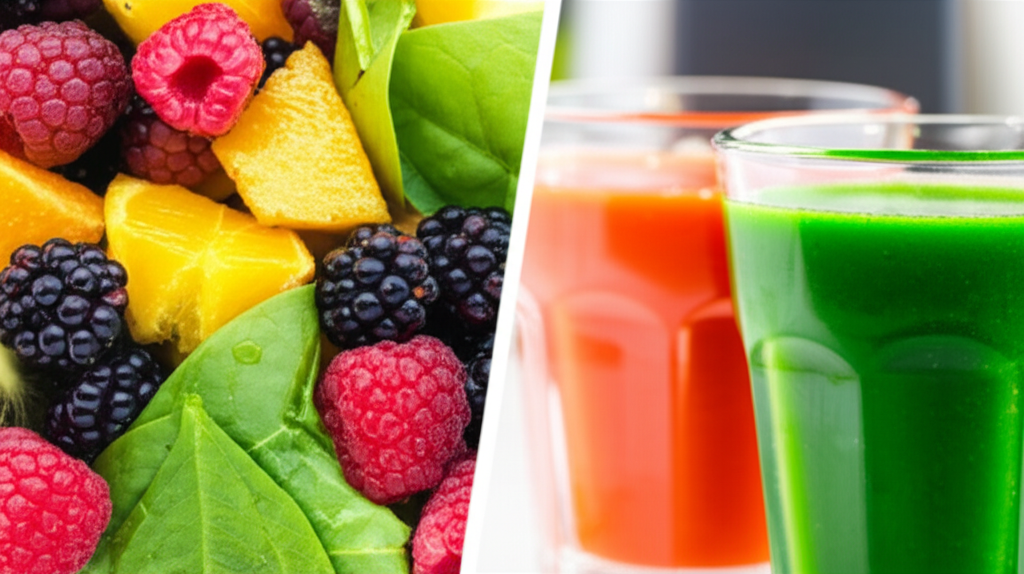
The main difference between a blender and a juicer lies in what they do with the produce: a blender pulverizes the whole fruit or vegetable, creating a thick smoothie, while a juicer extracts the liquid and discards the pulp, yielding pure juice.
Key Takeaways
- Understand blender vs. juicer functions.
- Discover what each appliance keeps or removes.
- Learn about the texture and nutrient profiles.
- Choose the right tool for your health goals.
- Explore versatility for different recipes.
What’s the Difference Between a Blender and a Juicer: Uncovered!
Deciding whether to buy a blender or a juicer can feel a bit confusing when you’re starting your journey with fresh, homemade drinks. Both appliances promise delicious and healthy results, but they work quite differently. You might be wondering, “What’s the difference between a blender and a juicer, and which one is right for me?” It’s a common question, and the answer isn’t as complicated as it seems. We’re here to break it all down, step by step, so you can feel confident about your choice and start creating amazing drinks at home. Let’s dive in and uncover the secrets of these kitchen powerhouses!
Blender vs. Juicer: The Core Distinction
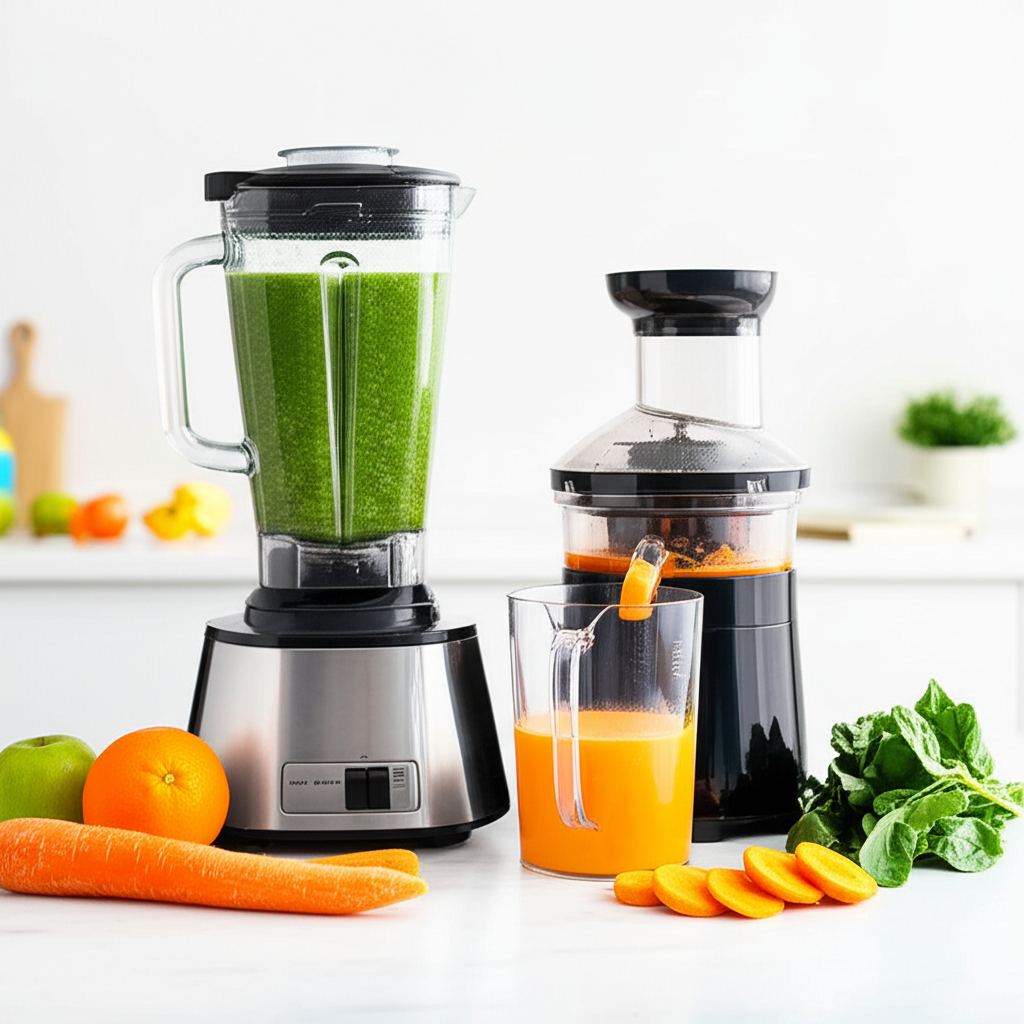
At its heart, the fundamental difference between a blender and a juicer boils down to what happens to the fiber in your fruits and vegetables. Think of it this way: one keeps everything, and the other separates it.
How a Blender Works: The Whole Food Approach
A blender is designed to chop, mix, and liquefy ingredients. It uses fast-spinning blades at the bottom of a container to break down everything you put inside. When you add fruits, vegetables, liquids, and other additions (like nuts, seeds, or ice), the blender pulverizes them into a uniform consistency. This means that the fiber, the pulp, the skin, and all the edible parts of your produce are retained in the final product.
The result is typically a thick, creamy beverage. This is what we commonly call a smoothie. Smoothies are fantastic because they provide a complete package of nutrients, including fiber, which is essential for digestive health and can help you feel fuller for longer. Blenders are also incredibly versatile. Beyond smoothies, you can use them to make soups, sauces, dips, nut butters, and even frozen desserts.
How a Juicer Works: The Liquid Gold Extraction
A juicer, on the other hand, takes a different approach. Its primary function is to extract the liquid from fruits and vegetables while separating out the fibrous pulp and solid waste. There are different types of juicers, but they all aim to get as much juice as possible from your produce.
When you feed produce into a juicer, the machine grinds, shreds, or presses it. The liquid is then strained through a filter, leaving behind the solid, dry pulp. The juice you get from a juicer is a concentrated liquid beverage, often smooth and without any fibrous texture. This means you’re getting a potent dose of vitamins, minerals, and beneficial plant compounds directly into your bloodstream, often with quicker absorption since the fiber is removed.
Understanding the Output: Texture and Nutrient Profile
The differences in how these machines operate directly impact the texture and nutritional makeup of the drinks they produce.
Smoothies: Thick, Filling, and Fiber-Rich
As mentioned, smoothies from a blender are characterized by their thickness and creamy texture. Because they contain the whole fruit or vegetable, they are also rich in dietary fiber. This fiber plays a crucial role in:
- Digestive Health: Fiber aids in regular bowel movements and can help prevent constipation.
- Satiety: It helps you feel fuller for longer, which can be beneficial for weight management.
- Blood Sugar Control: Fiber slows down the absorption of sugar into the bloodstream, preventing sharp spikes and crashes.
The nutrient profile of a smoothie is comprehensive. You get the water-soluble vitamins and minerals, but also the insoluble fiber and other phytonutrients found in the plant’s structure. This makes smoothies a complete meal replacement or a substantial snack.
Juices: Concentrated, Smooth, and Nutrient-Dense
Juices, on the other hand, are smooth, liquid beverages. The absence of fiber means that the nutrients are readily available for absorption. This can be particularly beneficial for individuals who:
- Need a quick energy boost: The rapid absorption of nutrients can provide a fast-acting pick-me-up.
- Have digestive issues: For some people, high-fiber foods can be difficult to digest. Juicing removes this fiber, making nutrients more accessible.
- Want to consume a larger quantity of produce: It’s often easier to drink the juice of several carrots and apples than to eat them whole.
The nutrient density of juice can be very high. A glass of fresh juice can contain the concentrated vitamins, minerals, and antioxidants from several servings of fruits and vegetables. However, it’s important to note that while juices are nutrient-rich, they are also often higher in natural sugars and lack the beneficial fiber found in smoothies. Organizations like the American Heart Association recommend limiting added sugars and focusing on whole foods, which is why it’s important to consume juices mindfully, often balanced with whole fruits and vegetables.
Types of Blenders and Juicers
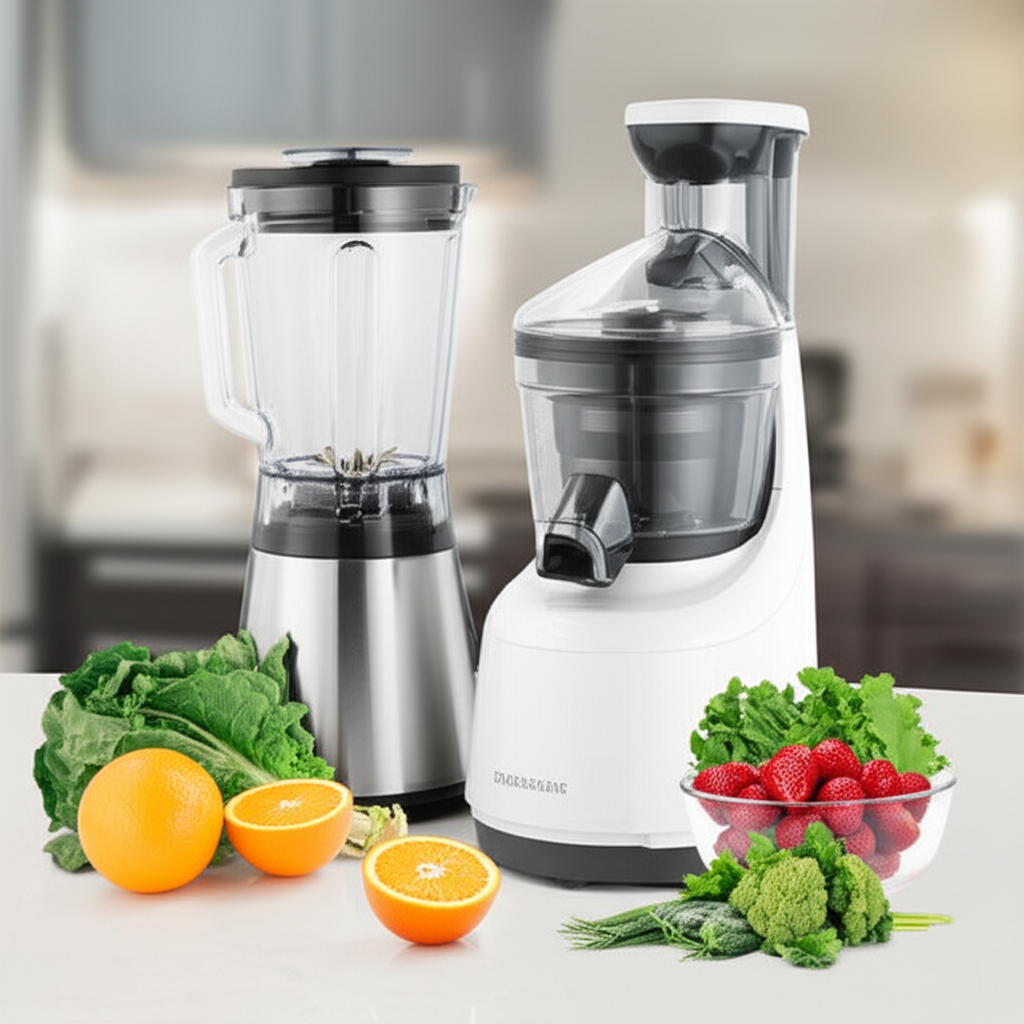
Understanding the different types within each category can further clarify their functionality and suitability for various needs.
Blender Categories:
- Countertop Blenders: These are the most common and versatile. They come with powerful motors and larger jars, suitable for smoothies, soups, and crushing ice. Brands like Vitamix and Blendtec are known for their high-performance countertop models.
- Personal Blenders (or Smoothie Makers): Smaller and more compact, these are perfect for single-serving smoothies. You often blend directly in a portable cup that can be taken on the go. Brands like NutriBullet and Ninja offer popular personal blender options.
- Immersion Blenders (or Hand Blenders): These are handheld devices that you immerse directly into a pot or container. They are excellent for blending soups directly in the pot, making sauces, or small batches of smoothies, but they don’t typically produce the same smooth texture as a countertop blender.
Juicer Categories:
- Centrifugal Juicers: These are the most common and generally the most affordable type. They use a fast-spinning blade to shred produce, which is then flung against a mesh filter by centrifugal force to separate juice from pulp. They are quick but can generate heat and oxidize the juice more rapidly.
- Masticating Juicers (or Slow Juicers): These use a slow-rotating auger (a screw-like mechanism) to crush and press produce. They operate at lower speeds, which generates less heat and oxidation, resulting in higher-quality juice with more nutrients. They are also excellent for leafy greens and can often handle wheatgrass. Brands like Omega and Hurom are well-regarded in this category.
- Twin-Gear Juicers: A type of masticating juicer, these have two rotating gears that interlock and crush produce very efficiently. They are known for their high juice yield and ability to juice a wide variety of ingredients, including very fibrous ones.
- Citrus Juicers: These are specifically designed for citrus fruits like oranges, lemons, and grapefruits. They typically involve a reamer that you press the fruit onto to extract the juice. They are simple, easy to clean, and produce pure citrus juice.
Pros and Cons: Blender vs. Juicer
To help you make an informed decision, here’s a breakdown of the advantages and disadvantages of each appliance.
| Feature | Blender | Juicer |
|---|---|---|
| Output | Smoothies (thick, creamy, includes fiber) | Juice (smooth liquid, pulp removed) |
| Fiber Content | High (retains all fiber) | Low/None (fiber is discarded) |
| Nutrient Absorption | Slower (due to fiber) | Faster (readily available) |
| Versatility | High (smoothies, soups, sauces, dips, nut butters) | Lower (primarily for juice extraction) |
| Ease of Use | Generally very easy | Can vary by type; some require more prep |
| Cleanup | Can be simple (rinse and blend with soap) to more involved | Can be time-consuming, especially with pulp |
| Cost | Wide range, from affordable personal blenders to expensive high-performance models | Wide range, centrifugal are cheaper, masticating are more expensive |
| Waste Product | Minimal (only what you don’t consume) | Significant (pulp from produce) |
Which Appliance is Right for You?
The choice between a blender and a juicer really depends on your personal health goals, dietary preferences, and lifestyle.
Choose a Blender If:
- You want to consume the whole fruit or vegetable, including its fiber.
- You are looking for a filling meal replacement or a substantial snack.
- You want an appliance that can do more than just make drinks (soups, sauces, etc.).
- You prefer a thicker, creamier texture.
- You want to incorporate ingredients like nuts, seeds, yogurt, or protein powder into your drinks.
- You are on a budget and want a versatile kitchen tool.
Choose a Juicer If:
- You want to consume a concentrated dose of vitamins, minerals, and antioxidants without the fiber.
- You are looking for a quick and easy way to boost your nutrient intake, especially if you have digestive sensitivities.
- You want to drink larger quantities of fruits and vegetables than you might typically eat.
- You are interested in specific juice cleanses or detox programs (though consult a health professional for personalized advice).
- You prefer a smooth, liquid beverage.
It’s also worth noting that many health enthusiasts choose to have both! A blender for daily smoothies and a juicer for specific juice recipes or when they want that concentrated nutrient hit.
Getting Started with Your Blender or Juicer
Once you’ve chosen your appliance, the fun truly begins! Here are some tips to get you started.
Tips for Using Your Blender:
- Layer Ingredients Properly: For most blenders, start with liquids (water, milk, yogurt) at the bottom, followed by softer ingredients (fruits, leafy greens), then harder ingredients (ice, frozen fruit, nuts). This helps the blades catch and blend effectively.
- Don’t Overfill: Ensure you don’t fill the blender jar past the maximum fill line, as this can lead to leaks or inefficient blending.
- Start Slow, Then Increase Speed: Begin blending on a low speed to break down larger chunks, then gradually increase to high speed for a smooth consistency.
- Use the Tamper (if applicable): High-powered blenders often come with a tamper to help push ingredients down towards the blades without opening the lid.
- Clean Immediately: The easiest way to clean a blender is to rinse the jar right after use. You can also add a drop of dish soap and some water and blend for a few seconds for a quick clean.
Tips for Using Your Juicer:
- Wash Produce Thoroughly: Even though you’re juicing, it’s important to wash all fruits and vegetables to remove dirt and pesticides.
- Prepare Your Produce: For most juicers, you’ll need to cut produce into pieces that fit the feed chute. Remove large pits or seeds (like peach pits or avocado pits) as they can damage the machine. For centrifugal juicers, you might peel citrus fruits to avoid bitter pith.
- Alternate Ingredients: When juicing both fruits and vegetables, try alternating between them. This helps to push softer ingredients through the juicer more effectively.
- Strain Your Juice (Optional): If you find your juice has too much pulp for your liking, you can strain it further through a fine-mesh sieve or a nut milk bag.
- Drink Fresh: Juices are best consumed immediately after juicing to get the maximum nutritional benefit. If you need to store it, use an airtight container, fill it to the brim to minimize air exposure, and refrigerate. It’s best to consume within 24-48 hours.
Pro Tip: For juicers, save the pulp! It can be used in baking (muffins, bread), added to veggie burgers, composted, or even used in certain skincare masks.
Simple Beginner Recipes
Ready to get blending and juicing? Here are a few easy recipes to get you started.
Easy Beginner Smoothie Recipe: Berry Blast
- 1 cup frozen mixed berries
- 1/2 banana
- 1 cup spinach (you won’t taste it!)
- 1 cup unsweetened almond milk (or your preferred liquid)
- 1 tablespoon chia seeds (optional, for extra fiber and omega-3s)
Instructions: Add all ingredients to your blender. Blend until smooth and creamy. Add more liquid if needed to reach your desired consistency.
Easy Beginner Juice Recipe: Green Refresher
- 2 green apples, cored
- 1 cucumber, chopped
- 1 lemon, peeled
- A few sprigs of mint (optional)
Instructions: Feed the apples, cucumber, and lemon through your juicer. If using mint, you can add it with the other ingredients. Stir the juice and enjoy immediately.
Nutritional Considerations
Both blenders and juicers can be powerful tools for increasing your intake of fruits and vegetables. However, it’s important to be mindful of the nutritional implications.
The Importance of Fiber
As we’ve discussed, fiber is a critical component of a healthy diet, and blenders preserve it. According to the USDA National Agricultural Library, dietary fiber is essential for maintaining the health of the digestive system and has been linked to a reduced risk of chronic diseases such as heart disease and type 2 diabetes. When you juice, you remove this valuable fiber. This is why many nutritionists suggest that juice should not be a complete replacement for whole fruits and vegetables, but rather a supplement.
Sugar Content
Fruits are naturally sweet due to their sugar content. While this sugar comes with vitamins, minerals, and fiber when eaten whole, juicing concentrates the sugars without the fiber to slow their absorption. This can lead to a quicker rise in blood sugar levels. For this reason, it’s often recommended to balance fruit-heavy juices with more vegetables or to consume them in moderation. Juicing mostly vegetables and adding just a small amount of fruit for sweetness is a common strategy.
Maximizing Nutrients
Both appliances help you consume more nutrient-dense foods. Juicers excel at extracting water-soluble vitamins and minerals, making them highly bioavailable. Masticating juicers, in particular, are known for preserving heat-sensitive nutrients. Blenders, by keeping the fiber, also retain fat-soluble vitamins and beneficial phytonutrients that might be lost in the juicing process. The key is to use a variety of produce in both smoothies and juices to get a broad spectrum of nutrients.
Frequently Asked Questions (FAQ)
Q1: Can I make a smoothie in a juicer?
No, you cannot make a smoothie in a juicer. A juicer is designed to extract liquid and discard pulp, so you would only end up with juice and a pile of dry pulp.
Q2: Can I make juice in a blender?
You can make a “juice-like” beverage in a blender by blending fruits and vegetables with a little water and then straining the mixture through a fine-mesh sieve or cheesecloth to remove the pulp. However, this is a labor-intensive process, and the resulting liquid might not be as smooth or yield as much as from a dedicated juicer.
Q3: Which is healthier, juice or a smoothie?
Both have health benefits. Smoothies are healthier for retaining fiber, which aids digestion and satiety. Juices offer concentrated, easily absorbed nutrients. The “healthiest” option depends on your individual goals and how you incorporate them into your diet. It’s often recommended to balance both.
Q4: Which appliance is better for weight loss?
Smoothies made in a blender can be excellent for weight loss because the fiber helps you feel full longer, potentially reducing overall calorie intake. Juices, while nutrient-dense, can be high in sugar and may not provide the same satiety, so they should be consumed mindfully as part of a balanced diet.
Q5: Which is easier to clean: a blender or a juicer?
Generally, blenders are easier to clean. Most can be cleaned by adding water and a drop of soap and blending for a few seconds. Juicers, especially masticating ones, can have many parts and a significant amount of pulp that needs to be scraped and washed, making cleanup more time-consuming.
Q6: Can I juice leafy greens in a blender?
You can blend leafy greens in a blender, but you will get a smoothie with the greens incorporated, not juice. To get juice from leafy greens, you need a juicer, ideally a masticating or twin-gear juicer, which are more effective at extracting liquid from fibrous greens.
Conclusion
So, what’s the difference between a blender and a juicer? Now you know! Blenders create thick, fiber-rich smoothies by pulverizing whole ingredients, making them versatile for meals and snacks. Juicers extract pure liquid from produce, offering concentrated nutrients for quick absorption, but discarding the beneficial fiber. Your choice depends on whether you prioritize fiber and a filling meal (blender) or rapid nutrient intake and a smooth liquid (juicer). Both are fantastic tools for boosting your intake of fresh fruits and vegetables, and with a little practice, you’ll be creating delicious and healthy concoctions in no time. Happy blending and juicing!
smartblander.com is a participant in the Amazon Services LLC Associates Program, an affiliate advertising program. As an Amazon Associate, we earn from qualifying purchases made through our links.
