

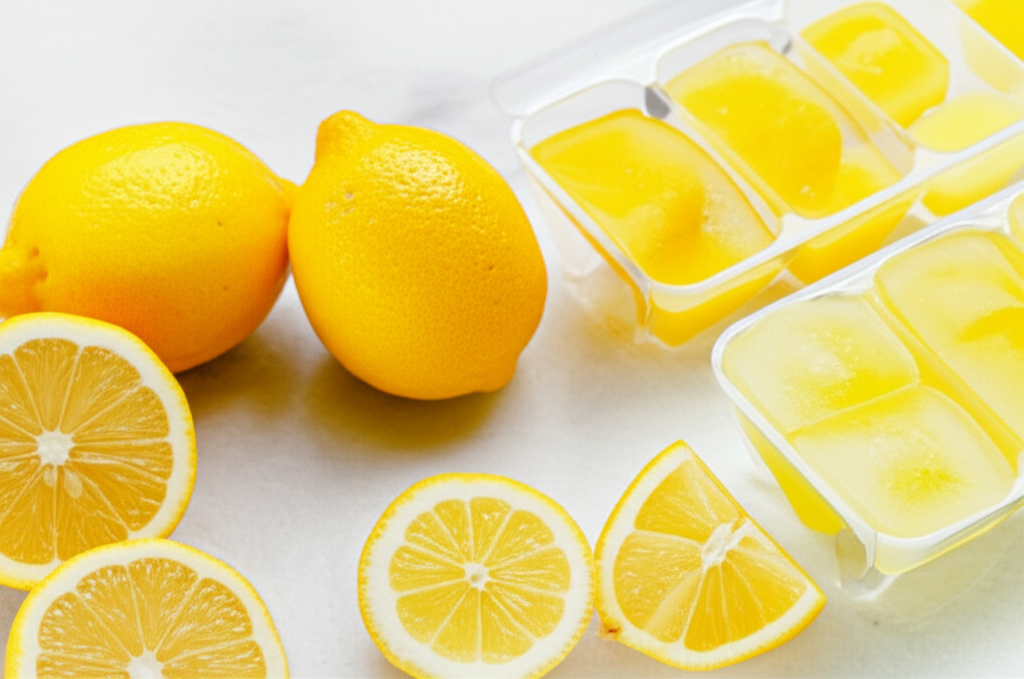
Yes, fresh lemon juice can absolutely be frozen! Freezing lemon juice is a simple, effective way to preserve its vibrant flavor and nutrients, offering a convenient “frozen sunshine” for your culinary creations anytime.
Key Takeaways
Freeze lemon juice in ice cube trays for easy portions.
Store frozen lemon juice in airtight containers for months.
Preserves flavor, aroma, and essential vitamin C.
Thaw gently for best results in recipes.
Frozen juice is perfect for smoothies, dressings, and drinks.
Can Fresh Lemon Juice Be Frozen? Astonishing Results
You love the bright, zesty punch fresh lemon juice adds to your cooking and drinks. But what happens when you have extra lemons or juice you can’t use right away? Many home cooks wonder, “Can fresh lemon juice be frozen?” It’s a common question, and the answer is a resounding yes! Freezing lemon juice is a brilliant way to capture that sunshine flavor and make it last. You might be surprised by just how easy and beneficial it is. Get ready to unlock a world of convenience and flavor with your frozen citrus. Let’s explore how to do it and what amazing results you can expect.
The Magic of Freezing: Preserving Lemon’s Zing
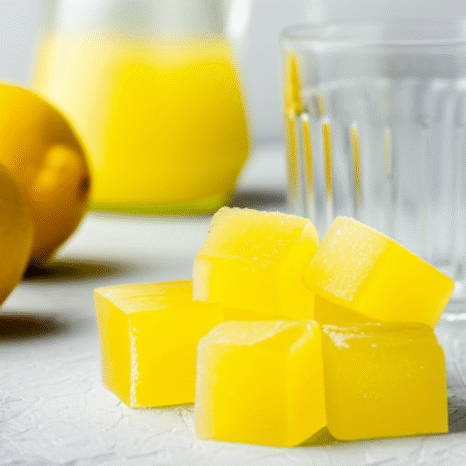
Lemons are nutritional powerhouses, packed with vitamin C, antioxidants, and beneficial plant compounds. When you have a bounty of fresh lemons, freezing their juice is a fantastic way to ensure you don’t waste any of this goodness. Unlike some other fruits, lemon juice freezes exceptionally well, retaining much of its characteristic flavor and nutritional value. This means you can have that burst of citrus ready for whenever inspiration strikes, whether it’s for a refreshing glass of lemonade, a flavorful marinade, or a healthy smoothie boost.
Why Freeze Lemon Juice?
Freezing is one of the oldest and most effective methods of food preservation. For lemon juice, it offers several key advantages:
Extended Shelf Life: Fresh lemon juice typically lasts only a week or two in the refrigerator. Frozen, it can last for several months, significantly reducing waste.
Convenience: Having pre-portioned frozen lemon juice cubes or bags means you can quickly grab what you need without having to juice a fresh lemon every time.
Nutrient Retention: While some minor losses can occur, freezing is very good at preserving the vitamin C content and other beneficial compounds in lemon juice. According to the USDA, proper freezing methods help maintain the nutritional integrity of produce.
Versatility: Frozen lemon juice is incredibly versatile. It’s perfect for adding a tart kick to recipes, making instant lemonades, or even as a base for frozen treats.
How to Freeze Fresh Lemon Juice: A Step-by-Step Guide
Freezing lemon juice is straightforward, requiring minimal tools and effort. The most popular method involves using ice cube trays, which makes portioning incredibly easy.
Method 1: The Ice Cube Tray Method (Beginner Friendly!)
This is the easiest and most recommended way for beginners.
Tools You’ll Need:
Fresh lemons (organic is often preferred for juicing)
Citrus juicer (manual or electric)
Ice cube trays (silicone trays are great for easy removal)
A fine-mesh sieve or cheesecloth (optional, for smoother juice)
Airtight freezer bags or containers
Steps:
1. Wash Your Lemons: Thoroughly wash the lemons under cool running water. You can gently scrub them to remove any dirt or residue.
2. Juice Your Lemons: Cut the lemons in half and juice them. You can use a manual juicer for a few lemons or an electric juicer for larger quantities. Aim to collect the juice in a bowl or measuring cup.
3. Strain (Optional): If you prefer very smooth juice without any pulp or seeds, pour the juice through a fine-mesh sieve or a piece of cheesecloth into another container. For most uses, especially in smoothies or dressings, a little pulp is perfectly fine.
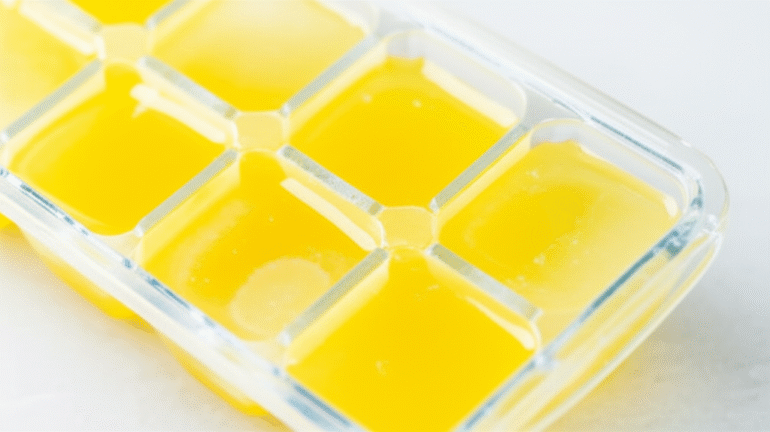
4. Pour into Ice Cube Trays: Carefully pour the fresh lemon juice into your ice cube trays. Fill each compartment about three-quarters full to allow for expansion as it freezes.
5. Freeze Until Solid: Place the filled ice cube trays in your freezer. Let them freeze completely, which usually takes about 4-6 hours, depending on your freezer’s temperature.
6. Transfer to Freezer Bags/Containers: Once the lemon juice cubes are solid, carefully pop them out of the trays. Place the frozen cubes into airtight freezer bags or sturdy freezer-safe containers.
7. Label and Store: Label the bags or containers with the date and contents (e.g., “Frozen Lemon Juice Cubes”). Store them in the freezer.
Method 2: Freezing in Larger Portions
If you need larger amounts of frozen lemon juice for specific recipes, you can freeze it in small containers or even silicone muffin liners.
Steps:
1. Follow steps 1-3 from Method 1.
2. Choose Your Container: Select small, freezer-safe containers (like mini glass jars or plastic containers) or silicone muffin liners.
3. Pour and Freeze: Pour the desired amount of lemon juice into each container or liner. Leave a little headspace for expansion.
4. Freeze Until Solid: Place the containers or liners in the freezer until the juice is completely frozen.
5. Transfer (If Necessary): If using muffin liners, once frozen, you can pop out the frozen lemon juice discs and transfer them to a freezer bag or container. If using small containers, they can be stored as is.
6. Label and Store: Label and store as described in Method 1.
How Long Does Frozen Lemon Juice Last?
Properly frozen lemon juice can maintain its quality for a considerable amount of time.
Quality: For the best flavor and quality, aim to use frozen lemon juice within 6 to 12 months.
Safety: Frozen lemon juice remains safe to consume indefinitely if kept continuously frozen. However, its flavor and aroma may start to diminish after a year.
Thawing and Using Your Frozen Lemon Juice
Using your frozen lemon juice is just as simple as freezing it.
How to Thaw
For Cooking/Dressings: You can often add frozen lemon juice cubes directly to cooked dishes, marinades, or sauces. The heat will thaw them quickly.
For Drinks/Smoothies: Drop a cube or two into your blender for smoothies or cocktails. For a refreshing drink, place a cube in a glass and let it thaw at room temperature or in the refrigerator.
For Precise Measurements: If you need a specific amount of liquid juice, place the desired number of frozen cubes in a small bowl and let them thaw at room temperature for about 30-60 minutes, or in the refrigerator overnight.
Astonishing Uses for Frozen Lemon Juice
The convenience of frozen lemon juice opens up a world of culinary possibilities. Here are some delightful ways to use your frozen sunshine:
Smoothies: Add a lemon cube to your morning smoothie for an extra vitamin C boost and a refreshing zing. It pairs wonderfully with berries, greens, and tropical fruits.
Lemonade & Infused Waters: Drop a cube into a glass of water for an instant, lightly flavored drink. For a more traditional lemonade, thaw a few cubes and mix with water and a sweetener.
Dressings & Marinades: Whisk thawed lemon juice into vinaigrettes, marinades for chicken or fish, or even a quick sauce for vegetables.
Soups & Stews: A splash of lemon juice can brighten the flavors of many soups and stews. Add a cube towards the end of cooking.
Cocktails & Mocktails: Frozen lemon juice cubes are perfect for adding a tart note to mixed drinks like gin and tonics, vodka sodas, or creating refreshing non-alcoholic spritzers.
Baking: While fresh is often preferred for delicate baking, thawed frozen lemon juice can be used in some recipes for cakes, muffins, or cookies where a strong lemon flavor is desired.
Comparing Freezing Methods: A Quick Look
| Method | Ease of Use | Portion Control | Storage Space | Best For |
| :——————– | :———- | :————– | :———— | :————————————- |
| Ice Cube Trays | Very Easy | Excellent | Moderate | Daily use, smoothies, drinks |
| Small Containers | Easy | Good | Moderate | Larger portions for recipes |
| Silicone Muffin Liners | Easy | Good | Moderate | Discs for easy transfer to bags/boxes |
Nutritional Benefits of Lemon Juice
Beyond its fantastic flavor, lemon juice offers significant health benefits. It’s a well-known source of Vitamin C, an essential antioxidant that plays a crucial role in immune function and skin health.
Vitamin C Content
Vitamin C (ascorbic acid) is vital for:
Immune Support: Helps strengthen the body’s natural defenses.
Collagen Production: Essential for healthy skin, bones, and connective tissues.
Antioxidant Protection: Fights free radicals that can damage cells.
According to the National Institutes of Health (NIH), consuming adequate Vitamin C is important for overall health. Freezing lemon juice helps preserve this valuable nutrient, ensuring you can access it even when fresh lemons aren’t readily available.
Other Beneficial Compounds
Lemons also contain:
Flavonoids: These are powerful antioxidants that may have anti-inflammatory properties.
Citric Acid: Contributes to the sour taste and can help with digestion and kidney stone prevention.
While freezing might cause a slight reduction in some heat-sensitive vitamins, the overall nutritional profile of lemon juice remains impressive and beneficial, especially when compared to commercially processed juices.
Pro Tips for Freezing Lemon Juice
Use High-Quality Lemons: Start with fresh, firm, and juicy lemons for the best flavor and yield. Organic lemons are a great choice if available.
Chill Before Freezing: For the absolute best flavor retention, you can chill the juiced lemon in the refrigerator for a couple of hours before pouring it into trays.
Don’t Overfill Trays: Remember that liquids expand when they freeze. Leave a little room in your ice cube tray compartments to prevent spills.
Double Bag: For extra protection against freezer burn and odor absorption, consider placing your sealed freezer bags inside another freezer bag.
* Taste Before Using: After thawing, give your frozen lemon juice a quick taste. While it should be very similar to fresh, subtle differences can occur. Adjust seasoning or recipes as needed.
Common Questions About Freezing Lemon Juice
Here are some frequently asked questions about freezing fresh lemon juice:
Q1: Will freezing affect the taste of my lemon juice?
Freezing is very effective at preserving the flavor of lemon juice. While there might be a very subtle difference to a highly sensitive palate, for most culinary uses, the taste remains remarkably fresh and vibrant. The tartness and characteristic citrus aroma are well-maintained.
Q2: Can I freeze lemon juice with pulp?
Yes, you can freeze lemon juice with pulp. The pulp will also freeze well. If you prefer pulp-free juice for certain recipes, strain it before freezing. For smoothies and many dressings, pulp is perfectly acceptable and adds a bit more texture.
Q3: What’s the best way to thaw frozen lemon juice?
For cooking and dressings, you can often add frozen cubes directly to the dish. For drinks or recipes requiring liquid juice, thaw cubes at room temperature for about 30-60 minutes or in the refrigerator overnight. Avoid microwaving, as it can degrade the flavor and nutrients.
Q4: Can I freeze whole lemons instead of just the juice?
Yes, you can freeze whole lemons! Wash them thoroughly, then freeze them whole. Once frozen, you can grate the entire lemon (peel and all) into recipes for a burst of flavor. Frozen whole lemons are great for zesting. Alternatively, you can juice them while frozen (though this can be a bit harder) or thaw them to juice.
Q5: Is it better to freeze lemon juice or buy frozen concentrate?
Freezing your own fresh lemon juice is generally superior to buying frozen concentrate. Freshly frozen juice retains more natural flavor, aroma, and nutrients without added preservatives or sugars often found in concentrates. Plus, it’s more economical if you have access to fresh lemons.
Q6: Can I freeze lemon juice in plastic bottles?
Yes, you can freeze lemon juice in plastic bottles, but make sure they are freezer-safe and BPA-free. Leave about 1-2 inches of headspace at the top of the bottle to allow for expansion as the liquid freezes, preventing the bottle from cracking or bursting.
Q7: How do I remove the lemon juice from the ice cube tray easily?
Silicone ice cube trays are the easiest to use, as you can simply pop the frozen cubes out. If you’re using a standard plastic tray, you can run the bottom of the tray under warm water for a few seconds to loosen the cubes before attempting to remove them.
Conclusion: Embrace Your Frozen Citrus!
So, can fresh lemon juice be frozen? Absolutely! The results are astonishingly convenient and flavorful. By taking a few simple steps, you can transform your surplus lemons into a readily available source of bright, zesty goodness. Whether you’re whipping up a quick smoothie, a refreshing drink, or adding a touch of brilliance to a savory dish, your frozen lemon juice cubes will be a true kitchen asset. Embrace this simple preservation technique and ensure you always have a taste of sunshine on hand. Happy freezing and happy cooking!
smartblander.com is a participant in the Amazon Services LLC Associates Program, an affiliate advertising program. As an Amazon Associate, we earn from qualifying purchases made through our links.
