


While often praised for its health benefits, drinking lemon juice can indeed be harmful if not consumed mindfully. The shocking truth lies in its acidity, which can affect your teeth, stomach, and more. This guide will explore the potential downsides and how to enjoy lemon water safely.
Key Takeaways
- Protect your tooth enamel from lemon juice’s acidity.
- Dilute lemon juice to minimize digestive discomfort.
- Understand lemon juice’s impact on heartburn sufferers.
- Moderation is crucial for reaping lemon water benefits.
- Listen to your body for personalized reactions.
- Consult a doctor for severe or persistent issues.
Can Drinking Lemon Juice Be Harmful? The Shocking Truth Revealed
You’ve probably heard that drinking lemon juice is good for you. It’s a popular way to start the day, often touted for detoxifying the body and boosting immunity. But what if this seemingly healthy habit could actually cause harm? Many people are curious about the potential negative effects of consuming lemon juice, especially if they drink it daily. It’s a common question that often gets overlooked in the wave of health trends. This article will break down the surprising ways lemon juice can be harmful, so you can make informed choices about your wellness routine. We’ll explore everything from your teeth to your digestive system, offering practical advice on how to enjoy the benefits without the drawbacks.
Understanding the Acidity of Lemon Juice
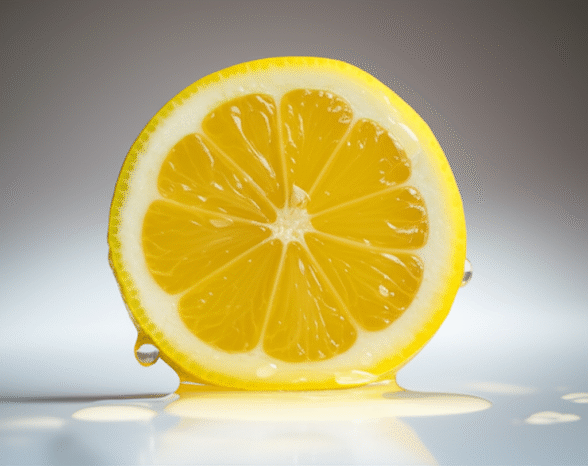
Lemons are citrus fruits, and like all citrus, they are highly acidic. This acidity is what gives them their tart, refreshing flavor, but it’s also the primary reason why drinking lemon juice can be harmful. The pH scale measures acidity, with lower numbers indicating higher acidity. Pure lemon juice has a pH of around 2 to 3, making it significantly more acidic than water (pH 7) and even close to stomach acid (pH 1.5 to 3.5). This high acidity can impact various parts of your body, particularly if consumed in large quantities or undiluted.
The beneficial compounds in lemons, like Vitamin C (ascorbic acid), are also acidic. While Vitamin C is vital for immune function and skin health, its acidic nature means that concentrated intake can still pose risks. It’s a delicate balance between getting enough nutrients and protecting your body from the acidic load.
The Impact of Lemon Juice on Tooth Enamel
One of the most immediate and noticeable ways drinking lemon juice can be harmful is its effect on your tooth enamel. Enamel is the hard, protective outer layer of your teeth. When it’s exposed to acidic substances, it can begin to erode. This process is called demineralization.
Here’s how it happens:
- Surface Erosion: The acid in lemon juice can directly attack and dissolve the minerals in your tooth enamel.
- Weakening Teeth: Over time, this erosion can lead to weakened teeth, making them more susceptible to sensitivity, cavities, and breakage.
- Yellowing: As enamel erodes, the yellowish dentin layer underneath can become more visible, making your teeth appear less white.
This isn’t to say you should never drink lemon juice, but being aware of this risk is crucial. Imagine dipping your teeth into a concentrated acid bath every morning; that’s essentially what happens when you drink undiluted lemon juice. Even diluted lemon water can pose a risk if consumed frequently throughout the day.
How to Protect Your Teeth from Lemon Juice
Fortunately, there are simple strategies to minimize the damage to your enamel:
- Dilute Diligently: Always dilute lemon juice with plenty of water. A good starting point is the juice of half a lemon in a full glass (8-10 ounces) of water.
- Use a Straw: Drinking your lemon water through a straw can help bypass your front teeth, reducing direct contact with the acid.
- Rinse Your Mouth: After drinking lemon water, rinse your mouth with plain water. This helps wash away residual acid.
- Wait to Brush: Avoid brushing your teeth immediately after consuming acidic beverages. Brushing weakened enamel can cause further damage. Wait at least 30 minutes.
- Don’t Swish: Avoid swishing the lemon water around in your mouth.
Digestive System Concerns with Lemon Juice

While many people find lemon water soothing for digestion, for others, it can actually cause digestive upset. The high acidity can trigger or worsen certain gastrointestinal issues. If you experience any of the following, your lemon juice habit might be the culprit:
Heartburn and Acid Reflux
For individuals prone to heartburn or gastroesophageal reflux disease (GERD), drinking lemon juice can be particularly harmful. The acidity can lower the pressure of the lower esophageal sphincter (LES), the muscle that separates your esophagus from your stomach. When this sphincter relaxes too much, stomach acid can back up into the esophagus, causing that familiar burning sensation. Instead of helping, lemon juice can exacerbate these symptoms for some.
Stomach Ulcers and Irritation
If you have a sensitive stomach, a history of ulcers, or conditions like gastritis, the acidity of lemon juice can irritate the stomach lining. This can lead to discomfort, pain, and even worsen existing inflammation. It’s like pouring acid onto an already sensitive area. If you notice increased stomach pain or discomfort after drinking lemon juice, it’s best to cut back or stop.
Increased Urination and Dehydration Risk
Lemons are natural diuretics, meaning they can increase urine production. While this might sound like a benefit for flushing toxins, drinking excessive amounts of lemon juice, especially without adequate hydration from other sources, could potentially lead to dehydration. This is especially true if you’re already at risk due to other factors like hot weather, intense exercise, or certain medications.
Can Lemon Juice Interact with Medications?
This is a less commonly discussed, but potentially significant, area where drinking lemon juice can be harmful. Certain citrus fruits, including lemons, contain compounds that can interfere with how your body metabolizes some medications. This is most famously associated with grapefruit, but lemons can also play a role.
The primary concern is the interaction with enzymes in the liver and intestines, such as the cytochrome P450 enzyme system. These enzymes are responsible for breaking down many common medications. When these enzymes are inhibited or induced by compounds in citrus, it can alter the concentration of the drug in your bloodstream.
This can lead to:
- Increased drug levels: This can heighten the risk of side effects and toxicity.
- Decreased drug levels: This can make the medication less effective.
While the interaction is generally less potent with lemons than with grapefruit, it’s still a possibility, especially with high consumption. Medications that may be affected include certain statins, blood pressure medications, and immunosuppressants. If you are taking any prescription medications, it’s always wise to consult your doctor or pharmacist about potential interactions with citrus juice.
You can find more information on citrus and drug interactions from reputable sources like the Mayo Clinic.
Potential for Skin Sensitivity
If you’re using lemon juice topically for skin care, or if you consume large amounts and get it on your skin, you might experience photosensitivity. This means your skin can become more sensitive to sunlight. When UV rays interact with compounds in lemon juice (specifically, compounds called psoralens), it can lead to phytophotodermatitis. This is essentially a rash or burn that occurs after sun exposure on skin that has come into contact with lemon juice.
Symptoms can include:
- Redness and inflammation
- Blistering
- Hyperpigmentation (darkening of the skin)
This is why many DIY skincare recipes caution against sun exposure after applying lemon juice. While drinking it is less likely to cause this severe reaction, it’s worth noting if you have very sensitive skin or consume extremely large quantities.
The Truth About “Detox” Claims
One of the most pervasive reasons people drink lemon juice is the belief that it “detoxifies” the body. This is largely a myth. Your body, specifically your liver and kidneys, is incredibly efficient at detoxifying itself. While a healthy diet rich in fruits and vegetables supports these organs, lemon juice alone does not possess magical detox powers.
The perceived benefits often come from:
- Increased Hydration: Drinking lemon water encourages you to drink more fluids, which helps your kidneys flush waste products.
- Vitamin C Boost: Lemons are a source of Vitamin C, an antioxidant that supports immune function.
- Placebo Effect: The ritual of drinking something healthy can make you feel better and more mindful of your overall diet.
Focusing on lemon juice as a “detox” can distract from more effective and evidence-based ways to support your body’s natural detoxification processes, such as eating a balanced diet, staying hydrated, exercising, and getting enough sleep. If you’re concerned about toxins, it’s best to consult with a healthcare professional.
How Much Lemon Juice is Too Much?
Determining an exact “too much” is difficult because it depends on individual factors like your digestive sensitivity, dental health, and overall diet. However, general guidelines suggest that moderation is key. Consuming the juice of half a lemon to one whole lemon per day, diluted in water, is generally considered safe for most people.
Here’s a table summarizing potential risks based on consumption levels:
| Consumption Level | Potential Risks | Mitigation Strategies |
|---|---|---|
| Small Amount (e.g., 1/4 lemon diluted) | Minimal, primarily a slight risk to tooth enamel with frequent, prolonged exposure. | Dilute well, use a straw, rinse mouth afterwards. |
| Moderate Amount (e.g., 1/2 to 1 lemon diluted) | Increased risk to tooth enamel, potential for mild digestive upset (heartburn, stomach irritation) in sensitive individuals. | Dilute significantly, use a straw, rinse mouth, avoid if prone to heartburn. |
| Large Amount (e.g., 2+ lemons diluted or undiluted) | Significant risk to tooth enamel, likely digestive upset (heartburn, ulcers), potential for increased urination, possible medication interactions. | Strongly discouraged. Focus on much smaller, diluted amounts or avoid altogether. Consult a doctor. |
If you’re experiencing any negative side effects, it’s a clear sign you should reduce your intake or stop altogether. Listening to your body is the most important step.
Pro Tips for Enjoying Lemon Juice Safely
To maximize the benefits and minimize the harm of drinking lemon juice, try these tips:
- Start Small: If you’re new to lemon water, begin with just a squeeze of lemon in a large glass of water and see how you feel.
- Vary Your Citrus: Don’t rely solely on lemons. Mix in other fruits like oranges or berries for variety and a broader nutrient profile, and potentially less acidity.
- Don’t Make it a Habit for Every Drink: Alternate lemon water with plain water throughout the day.
- Consider Alternatives: If lemon juice consistently causes issues, explore other ways to add flavor and nutrients to your water, such as cucumber slices, mint, or other fruits.
When to Seek Professional Advice
While lemon juice is generally safe for most people in moderation, there are times when you should consult a healthcare professional. If you experience any of the following, it’s important to get expert advice:
- Severe or persistent heartburn or stomach pain.
- Signs of tooth enamel erosion, such as increased sensitivity or visible wear.
- Concerns about interactions with your current medications.
- Any other concerning symptoms that you believe may be related to your lemon juice consumption.
A doctor or registered dietitian can provide personalized guidance based on your health history and needs.
Conclusion
So, can drinking lemon juice be harmful? The answer is yes, it can be, but often only when consumed improperly or by individuals with specific sensitivities. The primary concerns revolve around its high acidity, which can erode tooth enamel, and its potential to trigger or worsen digestive issues like heartburn and stomach irritation. Additionally, there’s a possibility of interaction with certain medications and a slight risk of photosensitivity if the juice contacts the skin and is then exposed to the sun.
However, this doesn’t mean you have to abandon lemon water entirely. By understanding these potential harms and implementing simple preventive measures – like diluting the juice, using a straw, rinsing your mouth, and listening to your body – you can continue to enjoy the refreshing taste and potential benefits of lemon juice safely. Moderation is truly the keyword, allowing you to reap the rewards without the shocking downsides.
Frequently Asked Questions
Is drinking lemon juice first thing in the morning bad for you?
Drinking lemon juice first thing in the morning is not inherently bad for everyone, but it can be harmful if you have a sensitive stomach, ulcers, or are prone to heartburn. The acidity can irritate your stomach lining or trigger reflux. It’s also crucial to dilute it with water and rinse your mouth afterward to protect your tooth enamel. If you experience any discomfort, it’s best to avoid it or consume it later in the day.
Can lemon juice cause stomach ulcers?
Lemon juice itself doesn’t typically cause stomach ulcers. However, for individuals who already have ulcers or are prone to stomach irritation, the high acidity of lemon juice can aggravate the existing ulcers or inflamed lining, leading to pain and discomfort. It’s more about worsening existing conditions than creating new ones.
What are the signs that lemon juice is harming me?
Signs that lemon juice might be harming you include increased tooth sensitivity, visible enamel erosion on your teeth, persistent heartburn, stomach pain or burning after consumption, or any unusual digestive distress. If you notice any of these symptoms, it’s a strong indicator to reduce or stop your intake.
Should I avoid lemon juice if I have acid reflux?
If you suffer from acid reflux or GERD, it is generally recommended to be cautious with lemon juice. Its acidity can relax the lower esophageal sphincter (LES), allowing stomach acid to flow back into the esophagus, thus worsening reflux symptoms. Many individuals find that citrus fruits exacerbate their condition.
Is diluted lemon juice safe for teeth?
Diluted lemon juice is safer for teeth than undiluted juice, but it still carries some risk. The enamel can still be affected by prolonged or frequent exposure. To minimize risk, dilute it significantly (e.g., juice of half a lemon in an 8-10 ounce glass of water), drink it relatively quickly rather than sipping all day, use a straw, and rinse your mouth with plain water afterward. Avoid brushing your teeth immediately after drinking.
How much Vitamin C can I get from lemon juice?
A typical lemon (about 58 grams) contains around 30.7 mg of Vitamin C. The juice from one whole lemon (about 2 tablespoons or 30 ml) provides roughly 18.6 mg of Vitamin C. This is about 20-25% of the recommended daily intake for adults. While a good source, it’s not the highest source of Vitamin C compared to other fruits like oranges or bell peppers.
smartblander.com is a participant in the Amazon Services LLC Associates Program, an affiliate advertising program. As an Amazon Associate, we earn from qualifying purchases made through our links.
