

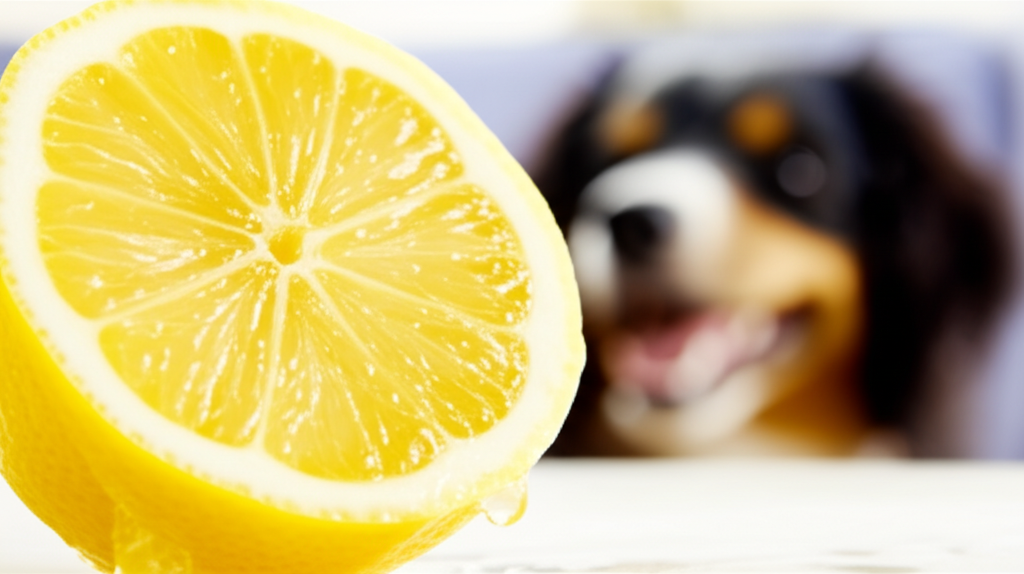
No, dogs should generally not eat lemon juice. While small amounts might not be overtly toxic, lemon juice is highly acidic and can cause digestive upset, vomiting, or diarrhea in dogs. It’s best to avoid giving it to them.
Key Takeaways
- Avoid giving lemon juice to dogs.
- Lemon juice is acidic and can upset stomachs.
- Look for safer, dog-specific treats.
- Consult your vet for dietary advice.
- Prioritize your dog’s digestive health.
- Choose water or approved dog treats.
Can Dogs Eat Lemon Juice? Your Urgent Guide
As a dog owner, you’re always looking for ways to share healthy and delicious things with your furry friend. Sometimes, you might wonder if what’s safe for you is also safe for them. Lemon juice is a common ingredient in many kitchens, used in everything from refreshing drinks to savory recipes. You might be tempted to share a tiny bit with your dog, especially on a warm day. But can dogs eat lemon juice? It’s a question that pops up because we want the best for our pets. This guide will walk you through everything you need to know about lemon juice and your dog, making it clear and simple so you can feel confident in your choices.
Understanding Lemon Juice and Canine Digestion
Lemon juice is known for its bright, tart flavor. It’s packed with citric acid, vitamin C, and essential oils. While these components can offer certain benefits to humans in moderation, they can be quite different for a dog’s digestive system. Dogs have a different pH balance and digestive tract compared to humans. This means that certain foods, even those considered healthy for us, can cause problems for them.
The high acidity of lemon juice is the primary concern. Think about how lemon juice can sting if you have a small cut on your lip; that’s a testament to its acidic nature. For a dog, ingesting this acidity can lead to discomfort and a range of gastrointestinal issues. It’s not just about the sour taste; it’s about the chemical composition and how it interacts with their delicate systems.
Many fruits and vegetables that are safe for humans can be problematic for dogs. This is often due to their unique digestive enzymes, stomach acidity, and overall metabolism. Understanding these differences is key to providing a safe and healthy diet for your canine companion. We’ll explore why lemon juice falls into the “avoid” category and what safe alternatives are available.
The Dangers of Lemon Juice for Dogs
Giving your dog lemon juice, even in small quantities, can lead to several adverse reactions. The citric acid, while an antioxidant for humans, can be too harsh for a dog’s stomach. This can trigger a cascade of digestive problems, making your pet feel unwell.
Digestive Upset: The Most Common Reaction
The most immediate and common issue arising from lemon juice consumption is digestive upset. This can manifest in several ways:
- Vomiting: The acidity can irritate the stomach lining, prompting the dog to vomit to expel the irritant.
- Diarrhea: The digestive tract may react to the acidity by speeding up the passage of food, leading to loose stools.
- Nausea: Your dog might show signs of discomfort, such as lip licking, drooling, or a decreased appetite, indicating they feel queasy.
- Abdominal Pain: Some dogs may exhibit signs of pain, like a hunched posture or reluctance to be touched around the belly.
These symptoms can appear within a few hours of ingestion. If your dog has a sensitive stomach, even a tiny lick of lemon juice could trigger a significant reaction. It’s always better to err on the side of caution when introducing new foods or liquids to your dog’s diet.
Potential for Acid Reflux and Heartburn
Just like in humans, highly acidic foods can trigger acid reflux in dogs. This condition, also known as heartburn, can be very uncomfortable for your pet. The stomach acid flows back up into the esophagus, causing a burning sensation and pain. For dogs, this can be particularly distressing as they cannot communicate their discomfort verbally.
Symptoms of acid reflux in dogs might include:
- Frequent licking of the lips
- Excessive swallowing
- Regurgitation (often confused with vomiting)
- Appearing restless or uncomfortable after eating
- Aversion to food
If your dog shows these signs after potentially ingesting lemon juice, it’s a clear indication that their system is not tolerating it well.
The Role of Essential Oils
Lemons contain essential oils, particularly limonene and linalool, found in the peel and zest. While these oils have various uses in aromatherapy and cleaning for humans, they can be toxic to dogs if ingested in significant amounts. Even the small amounts present in lemon juice can contribute to adverse reactions, especially in sensitive individuals.
These oils can cause:
- Skin irritation (if in contact with skin)
- Gastrointestinal upset
- Lethargy
- Depression
- In very high doses, potential liver damage
While the concentration in diluted lemon juice is low, it adds another layer of risk to consider. It’s important to remember that what might seem harmless in a small dose can accumulate or interact with a dog’s unique physiology.
Dental Health Concerns
The high acidity of lemon juice can also have a detrimental effect on your dog’s dental health over time. Acidic substances can erode tooth enamel, making teeth more susceptible to decay, sensitivity, and other dental problems. While a single accidental lick won’t cause immediate damage, regular or frequent exposure to acidic liquids like lemon juice can contribute to long-term dental issues.
Maintaining good dental hygiene is crucial for dogs, and introducing acidic substances can counteract your efforts. A healthy mouth is linked to overall health, so protecting your dog’s teeth is a vital part of their care. This is another reason to keep lemon juice away from your canine companion.
Are There Any Benefits of Lemon Juice for Dogs?
While the primary focus is on the risks, some people wonder if there are any potential upsides. The most commonly cited potential benefit is the presence of vitamin C. However, dogs produce their own vitamin C internally, unlike humans who need to get it from their diet. Therefore, supplementing with vitamin C from sources like lemon juice is generally unnecessary for healthy dogs.
Some anecdotal evidence suggests that diluted lemon water might help freshen a dog’s breath. However, this is a temporary and superficial fix. The underlying cause of bad breath in dogs often points to dental disease or other health issues that require veterinary attention. Using lemon juice to mask the smell can delay proper diagnosis and treatment.
Furthermore, the potential risks associated with acidity and essential oils far outweigh any perceived benefits. There are much safer and more effective ways to support your dog’s health and well-being. It’s crucial to rely on evidence-based advice and veterinary recommendations rather than unverified claims.
What to Do If Your Dog Drinks Lemon Juice
If your dog accidentally consumes lemon juice, the first step is to remain calm. Observe your dog for any signs of distress or illness. The amount consumed and the concentration of the juice are key factors in determining the severity of a potential reaction.
Immediate Actions
- Prevent further intake: Remove any source of lemon juice from your dog’s reach.
- Offer water: Provide plenty of fresh, clean water. This can help dilute the juice in their stomach and flush their system.
- Monitor for symptoms: Keep a close eye on your dog for the next 24-48 hours. Watch for vomiting, diarrhea, lethargy, abdominal pain, or any other unusual behavior.
When to Contact Your Veterinarian
It’s always a good idea to contact your veterinarian if you are concerned, especially if:
- Your dog ingested a significant amount of lemon juice.
- Your dog is a puppy, an elderly dog, or has pre-existing health conditions (such as kidney or liver issues, or a sensitive stomach).
- Your dog is showing clear signs of distress, such as persistent vomiting, severe diarrhea, extreme lethargy, or signs of pain.
Your vet can provide specific advice based on your dog’s size, breed, and health status. They may recommend bringing your dog in for an examination or suggest home care measures.
Veterinary Consultation is Key
Never hesitate to reach out to your vet. They are the best resource for information regarding your dog’s diet and health. They can confirm whether the amount ingested is likely to cause harm and advise on the best course of action. Providing your vet with details about what your dog consumed (type of product, amount, and when) will help them give you the most accurate guidance.
Safer Alternatives to Lemon Juice for Your Dog
The good news is that there are many safe and healthy ways to treat your dog or add flavor to their diet. If you’re looking for something refreshing or want to offer a healthy treat, consider these options:
Hydration Options
- Plain Water: The best and safest beverage for your dog is always fresh, clean water.
- Broth (Low Sodium): Plain, unsalted chicken or beef broth can be a tasty way to add hydration and flavor. Ensure it contains no onion or garlic, which are toxic to dogs.
- Diluted Fruit Juices (Specific Types): In very small amounts, and only if approved by your vet, a tiny splash of certain diluted, 100% fruit juices like apple or cranberry (no artificial sweeteners like xylitol, which is highly toxic) might be acceptable for some dogs. However, water is always preferred.
Healthy Treat Ideas
Here are some safe and delicious treats you can offer your dog:
| Treat Type | Description | Benefits |
|---|---|---|
| Cooked Lean Meats | Plain, boiled chicken, turkey, or lean beef without seasoning. | Protein source. |
| Plain Yogurt (Unsweetened, No Xylitol) | A small dollop of plain, unsweetened yogurt containing probiotics. | Can aid digestion. Ensure no xylitol! |
| Certain Vegetables | Carrots, green beans, pumpkin (plain, canned), cucumber. | Vitamins, minerals, fiber. |
| Certain Fruits (in moderation) | Apples (no seeds or core), blueberries, watermelon (seedless, rind removed). | Vitamins, antioxidants. |
| Commercial Dog Treats | High-quality treats specifically formulated for dogs. | Balanced nutrition, designed for canine palates. |
Always introduce new foods gradually and in small quantities to monitor for any adverse reactions. When in doubt, consult your veterinarian. For more information on safe foods for dogs, the ASPCA provides extensive lists of toxic and non-toxic foods.
Frequently Asked Questions About Dogs and Lemon Juice
Here are some common questions dog owners have about lemon juice:
Q1: Can my dog drink water with a little bit of lemon juice in it?
A1: It’s generally not recommended. Even diluted lemon juice is acidic and can cause digestive upset. Plain water is always the safest and best option for your dog’s hydration.
Q2: What about lemon-scented dog treats? Are they safe?
A2: This depends entirely on the ingredients. If the “lemon scent” comes from natural, dog-safe flavorings and doesn’t contain actual lemon juice or essential oils in harmful concentrations, it might be fine. Always check the ingredient list and consult your vet if you’re unsure.
Q3: My dog licked a lemon slice. Should I be worried?
A3: If it was just a quick lick and your dog shows no ill effects, they will likely be fine. Monitor them for any signs of digestive upset. If they ate a significant portion or show symptoms, contact your vet.
Q4: Can lemon essential oil hurt my dog?
A4: Yes, lemon essential oil can be toxic to dogs if ingested, inhaled, or applied to the skin. It contains compounds like limonene and linalool that can cause irritation, gastrointestinal distress, and other adverse reactions. Never use essential oils directly on or around your dog without veterinary guidance.
Q5: Are there any breeds that are more sensitive to acidic foods like lemon juice?
A5: While any dog can experience digestive upset from acidic foods, dogs with pre-existing gastrointestinal issues, sensitive stomachs, or certain medical conditions (like kidney or liver disease) may be more prone to adverse reactions. Always consult your vet about dietary choices for dogs with health concerns.
Q6: If lemon juice is bad, what about other citrus fruits like oranges?
A6: Small amounts of the flesh of fruits like oranges, tangerines, and mandarins are generally considered safe for dogs, but the peels and seeds should be avoided. They can be harder to digest and may cause stomach upset. However, it’s still best to offer these in moderation as treats, and plain water remains the primary source of hydration.
Conclusion
As we’ve explored, while the idea of sharing a refreshing splash of lemon juice with your dog might seem harmless, the reality is that it poses potential risks to their health. The high acidity and essential oils in lemon juice can lead to digestive upset, discomfort, and even contribute to long-term dental issues. For your canine companion, plain water and specifically formulated dog treats are the safest and most beneficial options for hydration and enjoyment.
Prioritizing your dog’s well-being means understanding their unique dietary needs. By sticking to safe, vet-approved foods and beverages, you ensure their digestive system remains happy and healthy. If you ever have questions about what your dog can or cannot eat, your veterinarian is always the best resource. With careful consideration and the right choices, you can continue to provide your dog with a nutritious and fulfilling life.
smartblander.com is a participant in the Amazon Services LLC Associates Program, an affiliate advertising program. As an Amazon Associate, we earn from qualifying purchases made through our links.
