

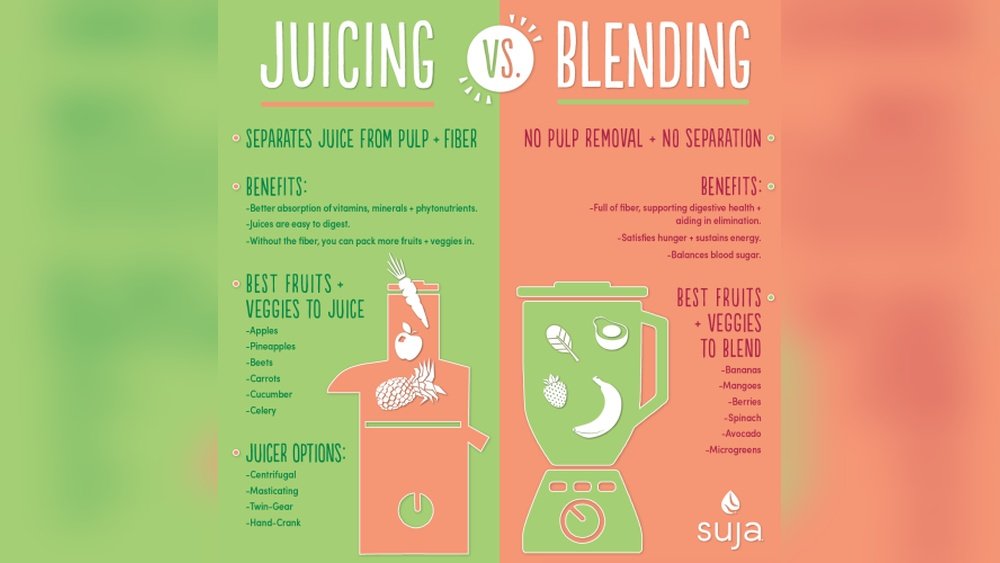
Are you trying to decide whether blending or juicing is better for your health? Both methods promise fresh, nutritious drinks, but they work in very different ways.
Choosing the right one can change how you feel, your energy levels, and even your digestion. You’ll discover the key differences between blending and juicing, so you can pick the option that truly fits your lifestyle and goals. Keep reading to find out which one will give you the best boost every day.
Credit: www.goodnature.com
Blending Basics
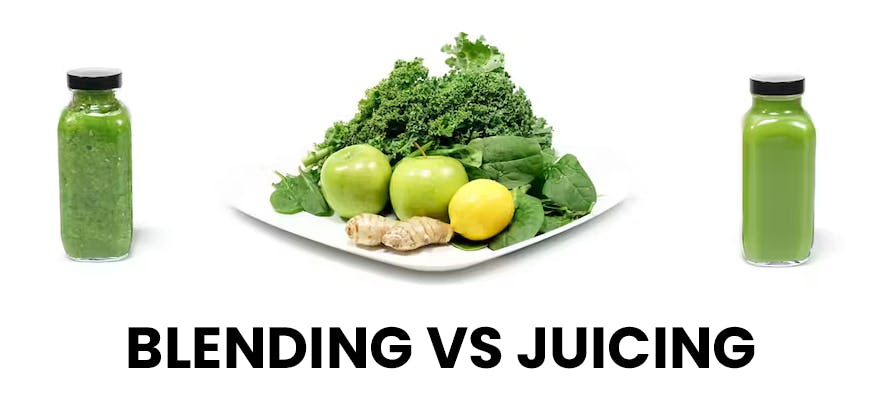
Blending is a popular way to prepare fruits and vegetables for a healthy drink. It mixes whole ingredients, keeping most parts of the food intact. This method helps keep vitamins, minerals, and fiber together in one tasty blend.
Understanding how blending works can help you decide if it fits your lifestyle and health goals.
How Blending Works
A blender uses sharp blades to chop and mix food quickly. It breaks down fruits and vegetables into small pieces. This process creates a thick, smooth drink that contains all the parts of the food.
The blender blends skin, pulp, and seeds, unlike juicers. This means you get the whole fruit or vegetable in your glass.
Nutrient Retention In Blends
Blending keeps most nutrients found in whole foods. Vitamins and minerals stay in the drink because nothing is removed. This helps you get a full range of nutrients in one serving.
Some nutrients may break down slightly due to air exposure. Still, blending is a good way to preserve the food’s natural benefits.
Texture And Fiber Content
Blended drinks have a thick, smooth texture. They keep the fiber from fruits and vegetables. Fiber is good for digestion and helps you feel full longer.
Fiber also helps control blood sugar and supports heart health. Juicing removes fiber, but blending keeps it all in.
Credit: www.drkarenslee.com
Juicing Essentials
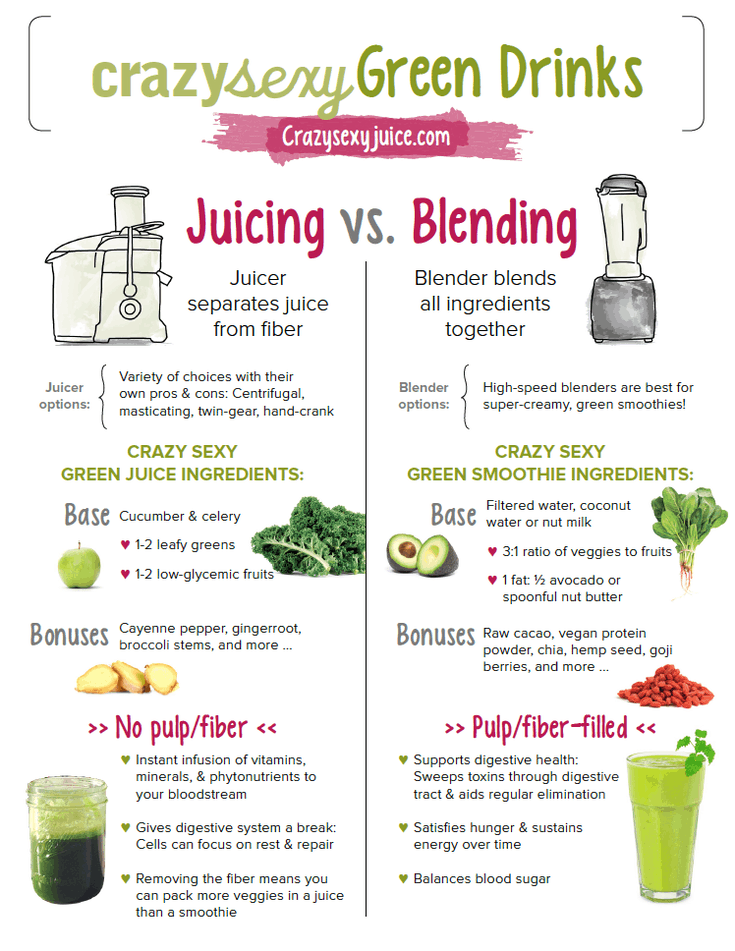
Juicing is a popular way to enjoy fruits and vegetables. It removes the solid parts and leaves behind a liquid. This liquid is packed with flavors and nutrients. Understanding the basics of juicing helps to know its benefits and downsides. Let’s explore how juicing works and what it means for your health.
Juicing Process
Juicing uses a machine to extract liquid from fruits or vegetables. It separates juice from the pulp, which contains fiber. The juice is smooth and easy to drink. This process removes most of the fiber but keeps vitamins and minerals. Juicing is quick and gives a fresh drink every time.
Nutrient Concentration
Juices contain many vitamins and minerals. They are often more concentrated than whole fruits. You get more nutrients in a small glass. This is good for a quick boost of energy. But some nutrients can break down after juicing. Drinking juice soon after making it is best.
Sugar Levels In Juice
Juices can have high sugar content. This happens because natural sugars from fruits become concentrated. Drinking large amounts of juice may raise blood sugar levels. This is a concern for people with diabetes. Choosing vegetables or low-sugar fruits can help keep sugar low.
Health Benefits
Choosing between blending and juicing affects your health in different ways. Both methods bring fruits and vegetables into your diet. Each has unique benefits that impact digestion, fullness, and nutrient intake. Understanding these differences helps you make a better choice for your body.
Impact On Digestion
Blending keeps all the fiber from fruits and vegetables. Fiber helps your digestive system work well. It slows digestion, which can prevent blood sugar spikes. Juicing removes most fiber, making digestion faster. This can be easier for some people but may cause quick sugar absorption.
Effect On Satiety
Blended drinks fill you up more because of the fiber. This reduces hunger and helps control eating. Juiced drinks do not keep you full as long. Without fiber, you may feel hungry soon after drinking juice. Blending supports better appetite control throughout the day.
Vitamin And Mineral Absorption
Juicing extracts vitamins and minerals in a concentrated form. Your body can absorb these nutrients quickly. Blending also provides vitamins and minerals but with fiber. The fiber slows absorption, offering a steady nutrient release. Both methods deliver essential nutrients but affect absorption speed differently.
Practical Considerations
Choosing between blending and juicing involves practical factors beyond taste and nutrition. These factors affect daily use and convenience. Consider time, cost, and how long your drink stays fresh. These points help you decide which method suits your lifestyle.
Time And Effort
Blending takes a few minutes. You wash, chop, and blend fruits or vegetables. No need to remove pulp. Juicing takes more time. You prepare ingredients carefully and clean the juicer parts after use. Blending suits quick preparation. Juicing needs more patience and cleaning.
Cost And Equipment
Blenders are usually less expensive than juicers. They have fewer parts and are easy to maintain. Juicers cost more due to complex designs. Some need extra filters and accessories. Blenders work well for many recipes. Juicers focus on extracting juice only. Think about your budget and space before buying.
Storage And Shelf Life
Blended drinks contain fiber, so they separate faster. Drink them soon after making. Store in the fridge for up to 24 hours. Juiced drinks last longer without fiber. They stay fresh for about 48 hours if refrigerated. Use airtight containers for both. Freshness matters for taste and health benefits.
Taste And Preference
Taste and preference play a big role when choosing between blending and juicing. Everyone’s palate is different. Some enjoy rich, thick drinks. Others prefer light, clear juices. These choices affect which method suits you best. Both blending and juicing offer unique flavors and textures. Understanding these helps you decide what fits your taste buds.
Flavor Profiles
Blended drinks keep the whole fruit or vegetable. This means fiber and pulp stay inside. The flavor feels fuller and thicker. You taste all parts of the ingredient. Juiced drinks remove pulp and fiber. The taste is smoother and lighter. Juicing offers a pure, clean flavor. Blending delivers a more natural, robust taste. Each has a distinct mouthfeel and flavor strength.
Versatility In Recipes
Blending allows mixing many ingredients together. Fruits, vegetables, nuts, seeds, and yogurt blend well. This creates creamy smoothies with rich textures. Juicing works best with watery fruits and vegetables. It is ideal for fresh, crisp juices. Blending adapts to sweet or savory recipes easily. Juicing focuses on extracting fresh, vibrant liquids. Both methods open doors to different recipe styles.

Credit: www.joyoushealth.com
Who Should Choose What
Choosing between blending and juicing depends on your health goals and personal needs. Both methods offer unique benefits. Knowing which suits you best helps you enjoy your fruits and vegetables more. Here is a simple guide to help you decide.
Best For Weight Loss
Juicing removes fiber, making drinks lighter and easier to digest. This helps reduce calorie intake and aids weight loss. Juices provide vitamins and minerals quickly without filling you up. People aiming to lose weight fast may prefer juicing. It keeps you hydrated and nourished with fewer calories.
Best For Digestive Health
Blending keeps all the fiber in fruits and vegetables. Fiber improves digestion and helps you feel full longer. It supports healthy gut bacteria and prevents constipation. Those with digestive issues or who want better gut health should choose blending. Blended drinks act as a natural cleanser for your digestive system.
Best For Energy Boost
Juices offer quick energy as the body absorbs nutrients fast. They are rich in vitamins and antioxidants. Juicing is ideal for a rapid energy lift before workouts or busy days. Blending provides steady energy by releasing nutrients slowly. People needing lasting energy might find blending more helpful.
Frequently Asked Questions
What Are The Main Differences Between Blending And Juicing?
Blending retains all fiber, making drinks thicker and more filling. Juicing removes fiber, providing a smoother, nutrient-dense liquid. Blending supports digestion and fullness, while juicing offers quick nutrient absorption and hydration.
Is Blending Healthier Than Juicing For Weight Loss?
Blending is generally better for weight loss due to fiber content. Fiber helps control hunger and stabilize blood sugar. Juicing can cause rapid sugar spikes, potentially hindering weight loss goals.
Can Juicing Provide More Vitamins Than Blending?
Juicing may concentrate vitamins by removing fiber, but some nutrients can degrade quickly. Blending preserves fiber and antioxidants, offering a balanced nutrient profile. Both methods have unique vitamin benefits depending on fruit and vegetable choices.
Which Method Is Better For Digestive Health: Blending Or Juicing?
Blending supports digestive health by keeping fiber intact, aiding bowel movements. Juicing lacks fiber, which may not sustain long-term digestive benefits. Blending promotes gut health and fullness more effectively than juicing.
Conclusion
Blending and juicing both offer unique health benefits. Blending keeps fiber, which helps digestion and fullness. Juicing provides a quick vitamin boost and easy absorption. Your choice depends on your needs and taste. Try both to see which suits you best.
Enjoy fresh fruits and vegetables every day. Healthy habits start with small, simple steps. Keep your body happy and energized.
smartblander.com is a participant in the Amazon Services LLC Associates Program, an affiliate advertising program. As an Amazon Associate, we earn from qualifying purchases made through our links.
