

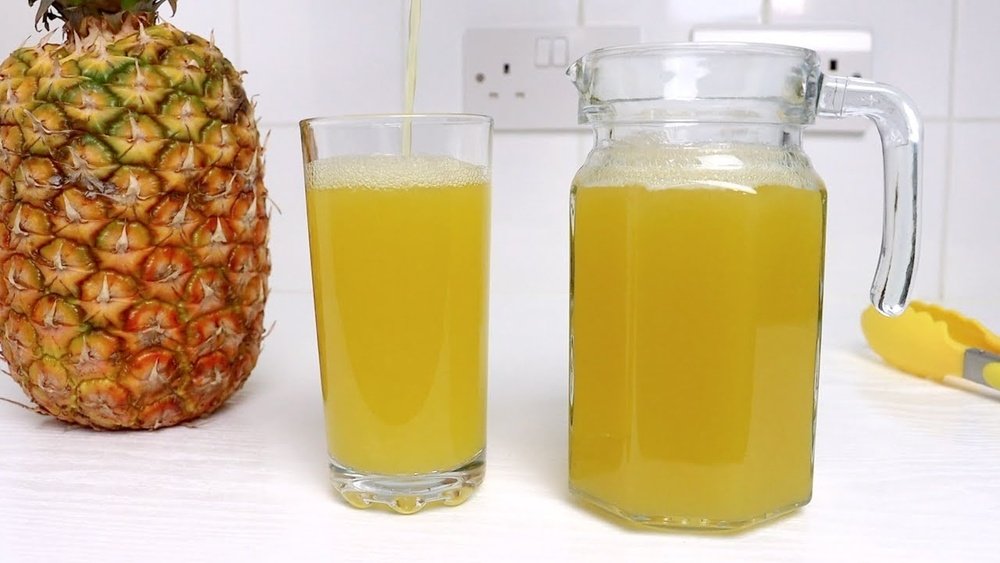
Are you craving a fresh, sweet, and tangy drink that you can make at home in minutes? Making pineapple juice with a blender is easier than you think, and the results are incredibly refreshing.
Imagine sipping on a glass of natural pineapple juice, bursting with flavor and free from added sugars or preservatives. In this guide, you’ll discover simple steps to turn fresh pineapple into delicious juice, plus tips to get the perfect consistency every time.
Ready to enjoy your own homemade pineapple juice? Let’s dive in and make it happen!
Choosing The Right Pineapple
Choosing the right pineapple is the first step to making tasty pineapple juice. A good pineapple gives sweet and fresh juice. Not all pineapples are the same. Some are ripe and juicy, while others are dry or sour. Picking the best one helps you enjoy your drink more.
Selecting Fresh Pineapples
Pick pineapples that feel heavy for their size. This means they have more juice inside. Check the skin color. It should be bright yellow or golden. Avoid pineapples with brown spots or soft areas. The leaves on top should be green and fresh-looking. Dry or brown leaves mean the fruit is old.
Checking Ripeness
Smell the pineapple near the base. It should have a sweet, tropical scent. If there is no smell, the fruit might not be ripe. Press the skin gently. It should be firm but slightly soft. Too hard means it is not ripe. Too soft means it is overripe and may taste sour.
Preparing The Pineapple
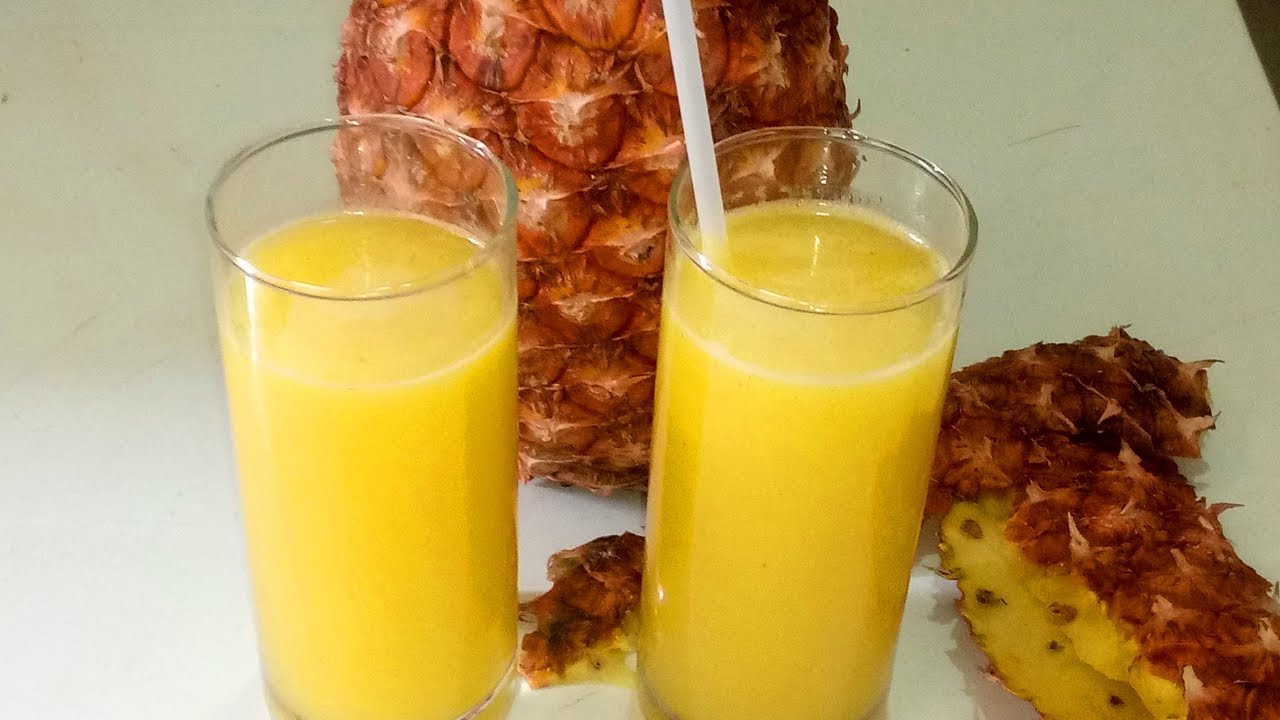
Start by washing the pineapple under cold water. Cut off the top and bottom with a sharp knife. Stand the pineapple upright and slice off the skin from top to bottom. Remove all the eyes or brown spots. Cut the pineapple into chunks. These pieces are ready for blending into juice.
Credit: www.youtube.com
Gathering Ingredients And Tools
Before making fresh pineapple juice, gather all the needed ingredients and tools. This step saves time and keeps your process smooth. Having everything ready helps you focus on blending the juice.
Let’s explore the essential ingredients and the best tools to use for a perfect blend.
Essential Ingredients
Start with a ripe pineapple for the best flavor. Choose one that feels heavy and smells sweet. Fresh pineapple gives sweet and tangy juice.
You may add water or ice cubes to adjust thickness. Sugar or honey is optional if you like it sweeter. Keep all ingredients fresh and clean.
Recommended Blender Types
Use a blender with a strong motor to crush pineapple easily. A blender with at least 500 watts works well. High-speed blenders give smoother juice fast.
Choose a blender with a large jar for more juice at once. Easy-to-clean parts are a plus for quick cleanup. Avoid blenders with weak blades that struggle with fruit.
Additional Equipment
Use a sharp knife to cut pineapple into small pieces. A cutting board makes this safer and easier. Have a strainer or cheesecloth to remove pulp if you want clear juice.
Use a measuring cup to check water or sweetener amounts. Keep a glass or jug ready to pour the juice. Clean towels help wipe spills and keep the area tidy.
Preparing Pineapple For Blending
Preparing pineapple for blending is the first step to fresh juice. Proper preparation makes blending easier and the juice tastier. Follow these simple steps to get your pineapple ready quickly and safely.
Peeling And Coring
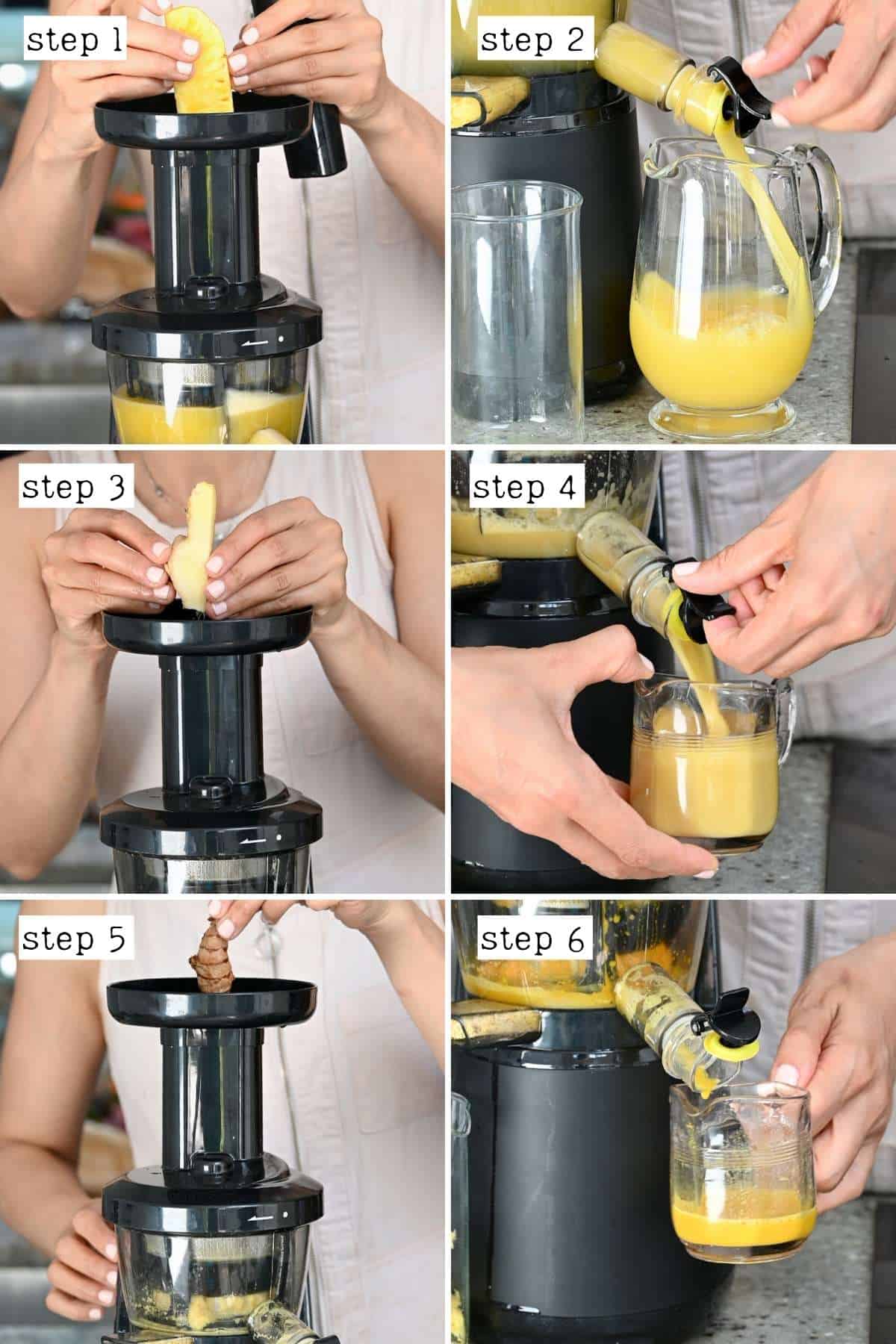
Start by cutting off the top and bottom of the pineapple. Stand it upright on a cutting board. Use a sharp knife to slice off the skin. Remove all the eyes and brown spots. The core is hard and not good for juice. You can remove it now or later, depending on your preference.
Cutting Into Chunks
Cut the peeled pineapple into smaller pieces. Make chunks about 1 to 2 inches wide. Smaller pieces blend faster and smoother. Avoid making pieces too small to save time. This size works well for most blenders.
Removing Core And Skin
The core is tough and less sweet. Remove it by cutting the pineapple into quarters. Slice out the hard center from each piece. Make sure no skin remains on the chunks. Skin can give a bitter taste to the juice.
Credit: www.alphafoodie.com
Blending Process
The blending process is a simple step to make fresh pineapple juice at home. It turns pineapple pieces into smooth, tasty juice quickly. Using a blender lets you control the texture and flavor. Follow easy steps for the best results.
Adding Pineapple Pieces To Blender
Cut fresh pineapple into small pieces. Remove the skin and core before cutting. Place the pieces evenly in the blender jar. Avoid overfilling the blender for smooth blending. Fresh pineapple gives the juice a natural sweetness.
Choosing Liquid Base
Pick a liquid to help blend the pineapple. Water is a great choice for pure juice. Coconut water adds a tropical taste and extra nutrients. For a creamier texture, use milk or yogurt. The liquid amount depends on how thick you want the juice.
Blending Techniques
Start blending on low speed to break up the pineapple. Increase speed gradually for a smooth texture. Blend for about 30 to 60 seconds. Stop and stir if pieces stick to the sides. Pour the juice through a strainer for pulp-free juice, if preferred.
Straining And Serving
After blending fresh pineapple, straining the juice improves its texture and taste. Removing pulp and fibers makes the juice smooth and easy to drink. This step also helps control the juice’s consistency.
Using A Strainer Or Cheesecloth
Pour the blended pineapple through a fine strainer or cheesecloth. Use a spoon to press the pulp gently. This extracts more juice and reduces waste. Cheesecloth works well for a smoother result. Strain until no more juice comes out. Discard the leftover pulp or save it for smoothies.
Adjusting Sweetness
Taste the strained juice before serving. Pineapple can be naturally sweet or tart. Add a little sugar, honey, or agave syrup if needed. Stir well until the sweetener dissolves. You can also mix in a splash of water. This balances the flavor and makes it lighter.
Serving Suggestions
Pour the juice into chilled glasses for best taste. Add ice cubes for a refreshing drink. Garnish with a small pineapple slice or mint leaves. Serve immediately to enjoy fresh flavor and nutrients. Pineapple juice pairs well with breakfast or summer snacks.
Storing And Preserving Juice
Storing and preserving pineapple juice properly keeps its fresh taste longer. Fresh juice can lose flavor and nutrients quickly if not stored well. Knowing the right methods helps you enjoy your juice for days. Below are simple tips to keep your pineapple juice fresh and tasty.
Best Storage Practices
Use a clean glass container with a tight lid to store juice. Avoid plastic containers as they may affect the juice flavor. Keep the juice in the refrigerator to slow down spoilage. Store juice away from light and heat to keep it fresh. Pour a little space at the top of the container to allow for expansion.
Shelf Life Of Fresh Juice
Fresh pineapple juice lasts about 24 to 48 hours in the fridge. The juice starts to lose flavor and nutrients after two days. Always check the smell and appearance before drinking stored juice. If it smells sour or looks cloudy, it is best to discard it.
Freezing Pineapple Juice
Freezing is a good way to keep juice for longer periods. Use freezer-safe containers or ice cube trays for easy portioning. Leave some space in the container as juice expands when frozen. Thaw juice in the fridge before drinking to keep its flavor. Frozen juice may separate slightly but can be mixed again before use.
Tips For Enhancing Flavor
Enhancing the flavor of pineapple juice is easy and fun. Small changes can make your juice taste fresh and exciting. Try different ingredients to find your perfect blend. These tips will help you enjoy every sip.
Adding Herbs And Spices
Fresh herbs add a new twist to pineapple juice. Mint leaves give a cool, refreshing taste. Basil adds a sweet and slightly spicy flavor. A pinch of ginger brings warmth and zest. Cinnamon powder can add a mild, sweet aroma. Use these herbs and spices in small amounts. Blend them well with the pineapple for the best taste.
Mixing With Other Fruits
Mixing pineapple with other fruits changes the flavor and texture. Try adding mango for a creamy, sweet taste. Orange juice adds extra citrus and brightness. Banana makes the juice smooth and thick. Strawberries give a tangy, fresh flavor. Blend fruits in small portions to keep the pineapple flavor strong.
Sweeteners And Enhancers
Natural sweeteners can improve pineapple juice without extra chemicals. Honey adds gentle sweetness and a floral note. Agave syrup is smooth and mild. A little sugar works, but use sparingly. Lemon or lime juice enhances the tartness and freshness. Salt can balance sweetness and bring out flavors. Always taste as you blend to get it right.
Common Mistakes To Avoid
Making pineapple juice with a blender is easy but some mistakes can spoil the taste. Avoiding common errors helps you get fresh, sweet juice every time. Pay attention to the quality of pineapple, blender capacity, and juice texture. These tips improve your juice-making process and flavor.
Using Unripe Pineapple
Unripe pineapples taste sour and hard. They do not blend well and make the juice bitter. Always choose a ripe pineapple with a sweet smell. The skin should be golden yellow, not green. Ripe pineapples give you sweeter, smoother juice.
Overloading The Blender
Putting too many pineapple pieces in the blender can cause problems. The blender may not blend all pieces evenly. This can damage the blender motor or leave chunks unblended. Add pineapple in small amounts to blend smoothly. This keeps the juice smooth and the blender safe.
Skipping The Straining Step
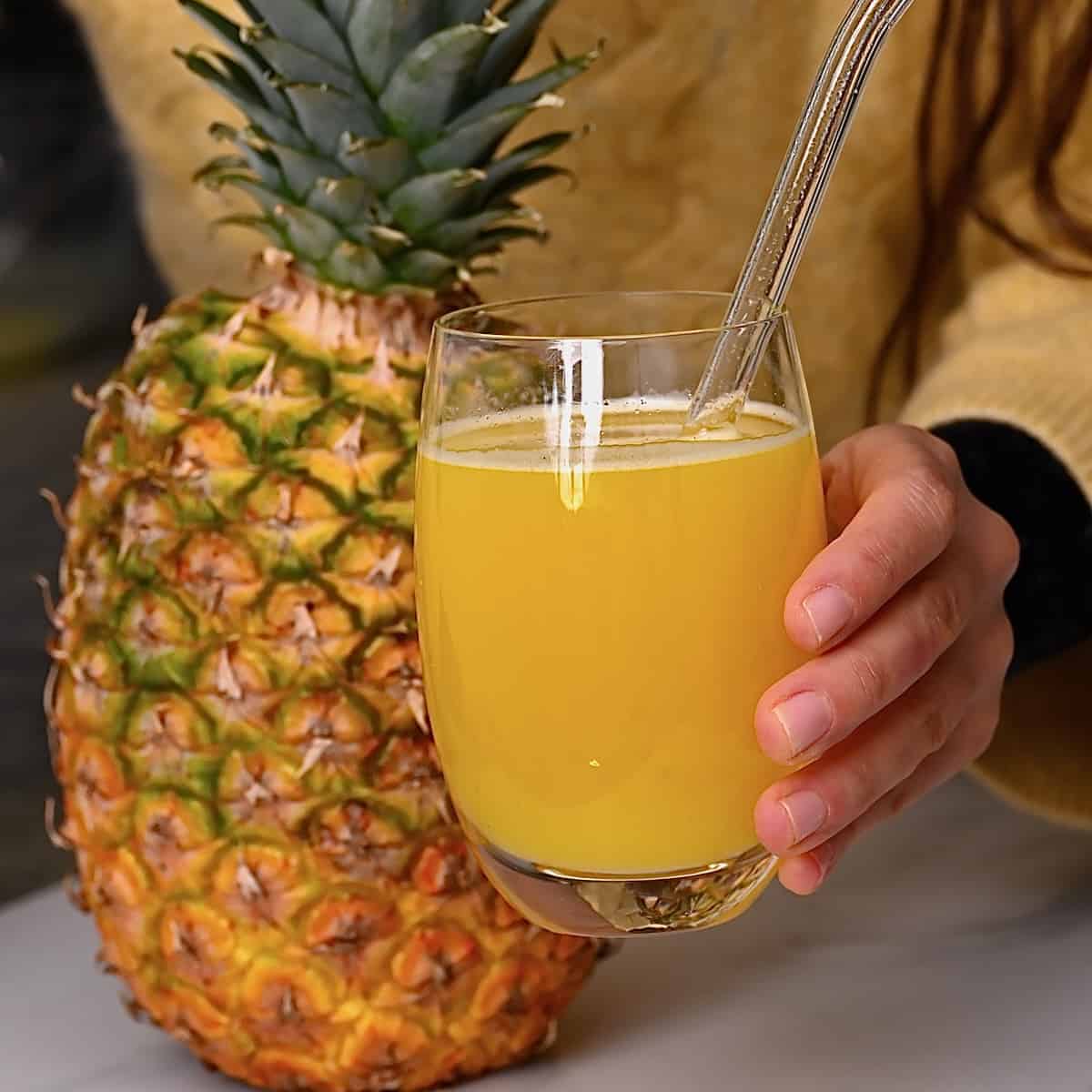
Some people skip straining the juice to save time. This leaves pulp and small pieces in the juice. The texture becomes thick and less pleasant to drink. Using a fine strainer removes pulp and seeds. The result is clear, smooth, and refreshing pineapple juice.
Credit: www.alphafoodie.com
Frequently Asked Questions
How Do I Make Pineapple Juice Using A Blender?
To make pineapple juice, peel and chop fresh pineapple. Blend the pieces with water until smooth. Strain if desired. Serve chilled.
Can I Use Frozen Pineapple For Juice In A Blender?
Yes, frozen pineapple works well. It creates a thicker, colder juice. No need to add ice separately.
Should I Add Water When Blending Pineapple Juice?
Adding water helps blend the pineapple smoothly. It dilutes the juice to your preferred consistency. Use about half a cup per pineapple.
How Long Should I Blend Pineapple Juice In A Blender?
Blend for about 30 to 60 seconds. Stop when the mixture is smooth and consistent. Avoid over-blending to prevent bitterness.
Conclusion
Making pineapple juice with a blender is quick and simple. Fresh pineapple gives the juice a sweet and tangy taste. Just peel, chop, and blend the fruit with some water. You can add sugar or ice to match your taste.
Homemade juice is healthier than store-bought options. It keeps well in the fridge for a day or two. Try this easy method to enjoy fresh pineapple juice anytime. A refreshing drink is just a blender away.
smartblander.com is a participant in the Amazon Services LLC Associates Program, an affiliate advertising program. As an Amazon Associate, we earn from qualifying purchases made through our links.
