

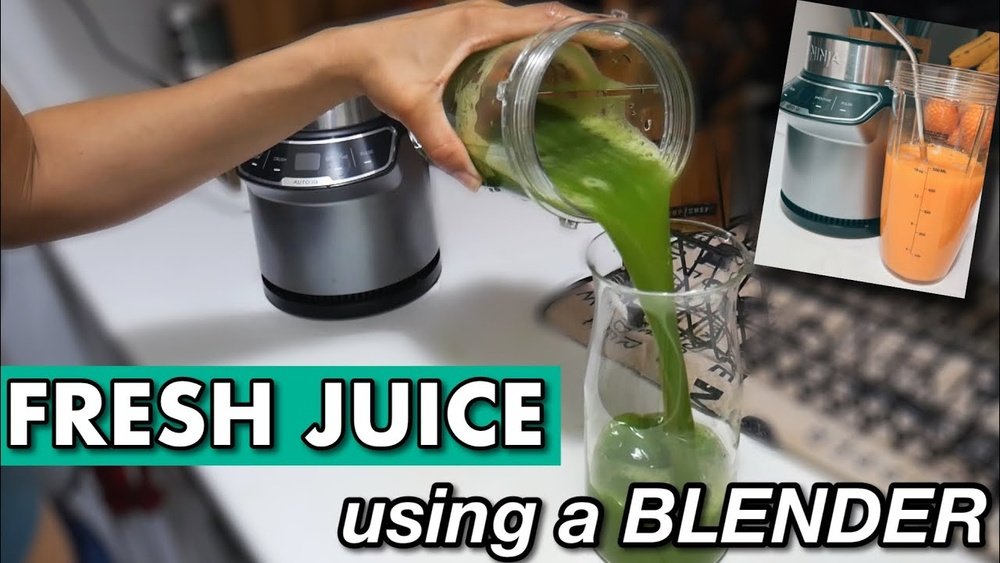
Are you wondering if your blender can do more than just smoothies? What if you could use it to make fresh juice, saving money and time?
You might be surprised by how versatile your blender really is. But before you start blending every fruit and veggie, there are some important things you should know. Keep reading to discover whether a blender can replace your juicer and how to get the best juice from it.
This could change the way you enjoy your favorite drinks forever.

Credit: theconscientiouseater.com
Blender Vs Juicer
Choosing between a blender and a juicer can be tricky. Both appliances help make healthy drinks from fruits and vegetables. Each works differently and offers unique benefits. Understanding these differences helps pick the right tool for your needs.
How Blenders Work
Blenders use fast-spinning blades to chop and mix whole fruits and vegetables. They keep the pulp, fiber, and skin in the drink. This makes smoothies thick and filling. Blenders mix everything into a smooth, drinkable texture.
How Juicers Work
Juicers extract liquid by separating juice from pulp and fiber. They crush or press fruits and vegetables to get fresh juice. The juice is smooth and thin, without solid bits. Juicers often remove fiber, making drinks lighter.
Key Differences
Blenders keep all parts of produce, including fiber. Juicers remove most fiber, leaving clear juice. Blended drinks are thicker and more filling. Juiced drinks are lighter and easier to digest. Blenders are easy to clean but can be noisy. Juicers may take longer to clean and can be messy. Both tools serve different needs for healthy drinks.
Benefits Of Using A Blender
A blender offers a simple way to make fresh juices at home. It breaks down fruits and vegetables quickly. This process keeps many good things inside the juice. It also saves time compared to traditional juicers.
Blenders are easy to clean and use. They do not waste any part of the produce. This helps you get the most from your ingredients. Using a blender can make juicing more affordable and fun.
Nutrient Retention
Blenders keep most nutrients in the juice. They do not remove parts of the fruit or vegetable. This means vitamins and minerals stay in your drink. Some juicers lose nutrients by removing the pulp. Blenders mix everything, so you get a fuller nutrient profile.
Fiber Content
Blenders keep the fiber in fruits and vegetables. Fiber helps digestion and keeps you full longer. Juicers often remove fiber, leaving just the liquid. Using a blender means you get more fiber in your juice. This makes the drink healthier and better for your body.
Versatility
Blenders can make more than just juice. You can create smoothies, soups, and sauces. They work well with many ingredients like nuts and seeds. This makes blenders useful in many kitchen tasks. You can try new recipes and enjoy different textures.
Limitations Of Blenders For Juicing
Blenders can make juice, but they have some limits. These limits affect how good the juice is and how easy it is to make. Understanding these limits helps you decide if a blender fits your juicing needs.
Texture And Consistency
Blenders crush whole fruits and vegetables. This creates a thick, pulpy drink. Unlike juicers, blenders do not separate juice from fiber. The texture is often chunky and less smooth. Some people like it, but others expect clear juice.
Separation Over Time
Blended juice separates after sitting. The pulp sinks, and liquid rises. This separation happens fast without added stabilizers. Shaking or stirring can mix it again. But the drink looks less fresh and less appealing.
Cleaning Challenges
Cleaning blenders after juicing can be tough. The thick pulp sticks to blades and sides. It needs thorough washing to avoid smells and stains. Some blender parts are hard to reach, making cleaning slow. This may discourage frequent use.
Best Practices For Juicing With A Blender
Using a blender for juicing can be simple and effective. It lets you enjoy fresh juice without special tools. Following the best practices helps get smooth, tasty juice every time. These tips cover how to pick ingredients, blend properly, and strain well.
Choosing Ingredients
Pick fresh fruits and vegetables for better taste and nutrition. Use softer items like berries and citrus for easier blending. Harder veggies like carrots or beets need cutting into small pieces. Avoid using too many fibrous parts, like stems or thick skins. Balance sweet and tart flavors for a pleasant juice.
Blending Techniques
Add liquids like water or juice to help blending. Start blending at low speed, then increase for smooth texture. Blend in short bursts to avoid overheating the motor. Stop and stir if ingredients stick to the sides. Blend until no large chunks remain for the best juice.
Straining Methods
Use a fine mesh strainer or cheesecloth to separate pulp from juice. Pour the blended mixture slowly through the strainer. Press pulp gently to extract more juice without bitterness. Straining gives a smoother juice that feels light and fresh. Save the pulp for recipes or compost to reduce waste.
Popular Blender Juice Recipes
Blenders are great for making fresh juice at home. They can blend fruits and vegetables quickly. This makes it easy to enjoy healthy drinks every day. Here are some popular blender juice recipes you can try. Each one is simple and tasty.
Green Detox Juice
This juice is full of vitamins and helps clean your body. Use spinach, cucumber, green apple, and a little lemon. Blend with water until smooth. It tastes fresh and helps you feel energized.
Citrus Blast
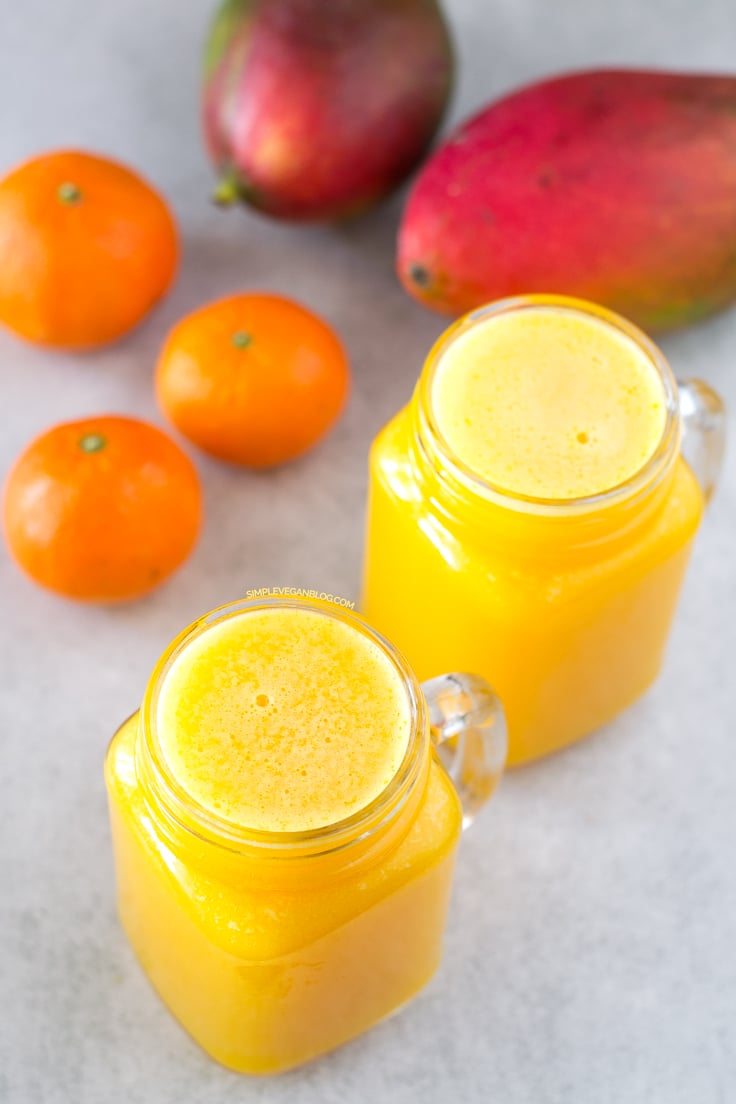
A bright and tangy juice packed with vitamin C. Use oranges, grapefruit, and a small piece of ginger. Blend all ingredients with ice cubes. It refreshes your body and boosts your immune system.
Berry Medley
A sweet and colorful mix of berries. Use strawberries, blueberries, and raspberries. Add a banana for creaminess. Blend with a bit of water or milk. This juice is rich in antioxidants and tastes delicious.
Credit: simplegreensmoothies.com
When To Choose A Juicer Instead
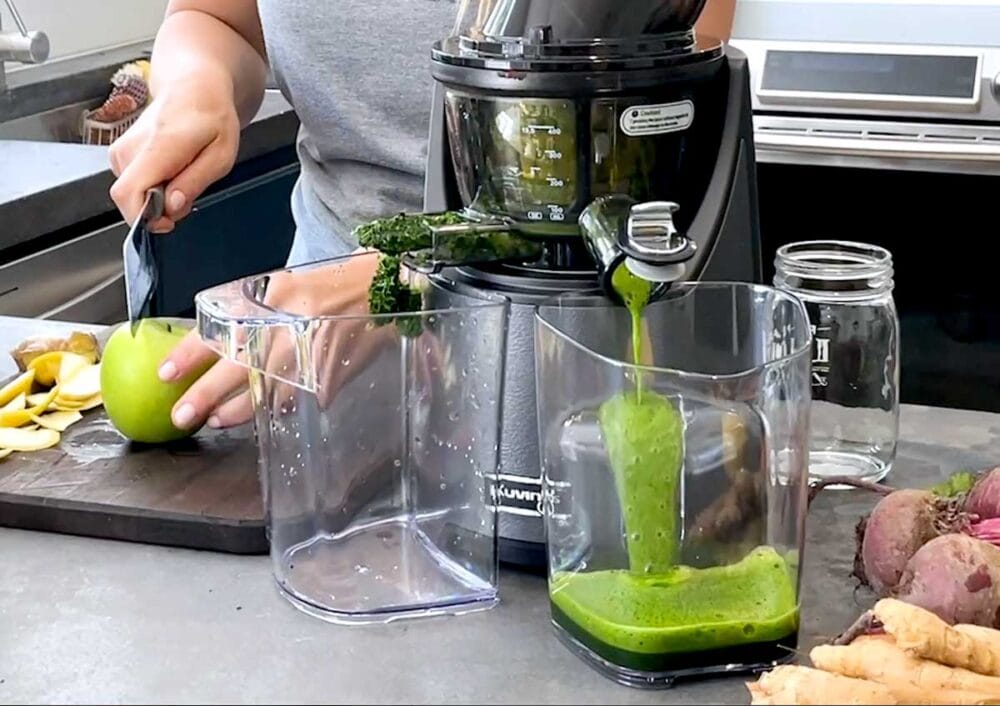
Choosing between a blender and a juicer depends on what you want from your juice. Blenders keep all the pulp and fiber. Juicers separate juice from pulp for a smoother drink. Some situations call for a juicer instead of a blender.
Preference For Clear Juice
Some people want juice without pulp or bits. Juicers remove most of the fiber and solids. The result is a clear, smooth juice. Blenders keep everything, making thicker drinks. Choose a juicer for a cleaner, lighter juice.
Juicing Efficiency
Juicers extract more juice from fruits and vegetables. They press or spin to get maximum liquid. Blenders just chop and blend, leaving some juice in the pulp. For large amounts of juice, juicers save time and waste less.
Specific Dietary Needs
Some diets require pure juice without fiber. People with certain digestive issues need juice that is easy to digest. Juicers provide juice that is lighter on the stomach. Blenders keep fiber, which may not suit all diets.
Credit: simpleveganblog.com
Frequently Asked Questions
Can A Blender Replace A Juicer For Making Juice?
A blender can make juice but doesn’t extract liquid like a juicer. It blends whole fruits and vegetables, keeping the fiber intact. This results in thicker, more filling drinks rather than clear juice. Blenders are versatile but won’t produce the same juice texture as juicers.
Is Using A Blender For Juicing Healthy?
Yes, blending retains all the fiber and nutrients from fruits and vegetables. This helps with digestion and provides sustained energy. Unlike juicing, blending keeps the whole produce, making it a healthier option for those who want full nutritional benefits.
How Do You Make Juice Using A Blender?
To make juice with a blender, blend chopped fruits and vegetables until smooth. Add water to adjust consistency if needed. Then, strain the mixture through a fine sieve or cheesecloth to remove pulp for a juice-like texture.
What Fruits And Vegetables Work Best In A Blender?
Soft fruits like berries, mango, and bananas blend well. Leafy greens, cucumbers, and carrots also work great. Harder produce may need peeling or chopping for smooth blending. Always add a liquid base like water or juice for easier blending.
Conclusion
Blenders can work for juicing, but they differ from juicers. Blenders keep the fiber, making thicker drinks. Juicers separate juice from pulp, giving a thinner texture. Choose based on your taste and health goals. Cleaning blenders is usually easier and faster.
For fresh, quick drinks, blenders are a good choice. Just remember to blend well and strain if needed. This way, you enjoy healthy juice without special tools. Simple, practical, and tasty—blenders can fit juicing needs.
smartblander.com is a participant in the Amazon Services LLC Associates Program, an affiliate advertising program. As an Amazon Associate, we earn from qualifying purchases made through our links.
