

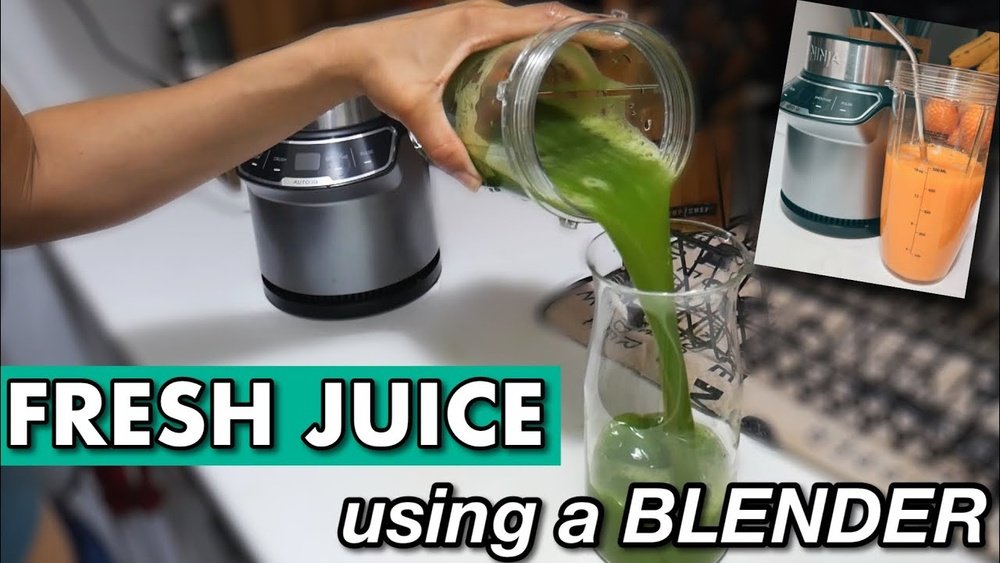
Have you ever wondered if you can use a blender as a juicer? If you’re looking to enjoy fresh juice without buying extra kitchen gadgets, this question probably crosses your mind.
You might already have a powerful blender sitting on your countertop—so why not make the most of it? You’ll discover how a blender works compared to a juicer, what you need to know before trying it, and some easy tips to get the best juice from your blender.
Keep reading, because by the end, you’ll know exactly how to turn your blender into a handy juice-maker without any hassle.

Credit: cleanfooddirtygirl.com
Blender Vs Juicer
Blenders and juicers both help you make fresh fruit and vegetable drinks. They look similar but work in different ways. Knowing how each works helps you decide which one fits your needs best. This section explains their key differences and how each device works.
Key Differences
Blenders keep the whole fruit or vegetable, including pulp and fiber. This makes thicker drinks with more nutrients. Juicers remove the pulp and fiber, giving you clear, smooth juice.
Blenders are easier to clean and usually cost less. Juicers take more time to clean and are often pricier. Juicers extract more liquid and separate juice from solids.
How Each Works
Blenders use fast spinning blades to chop and mix ingredients. They break down food completely, blending everything into one mixture.
Juicers use a spinning or pressing motion to squeeze juice out of produce. They separate juice from the pulp, leaving dry pulp behind.
Blenders create smoothies with thick texture and fiber. Juicers produce thin, clear juice without pulp.
Credit: simpleveganblog.com
Using A Blender For Juice
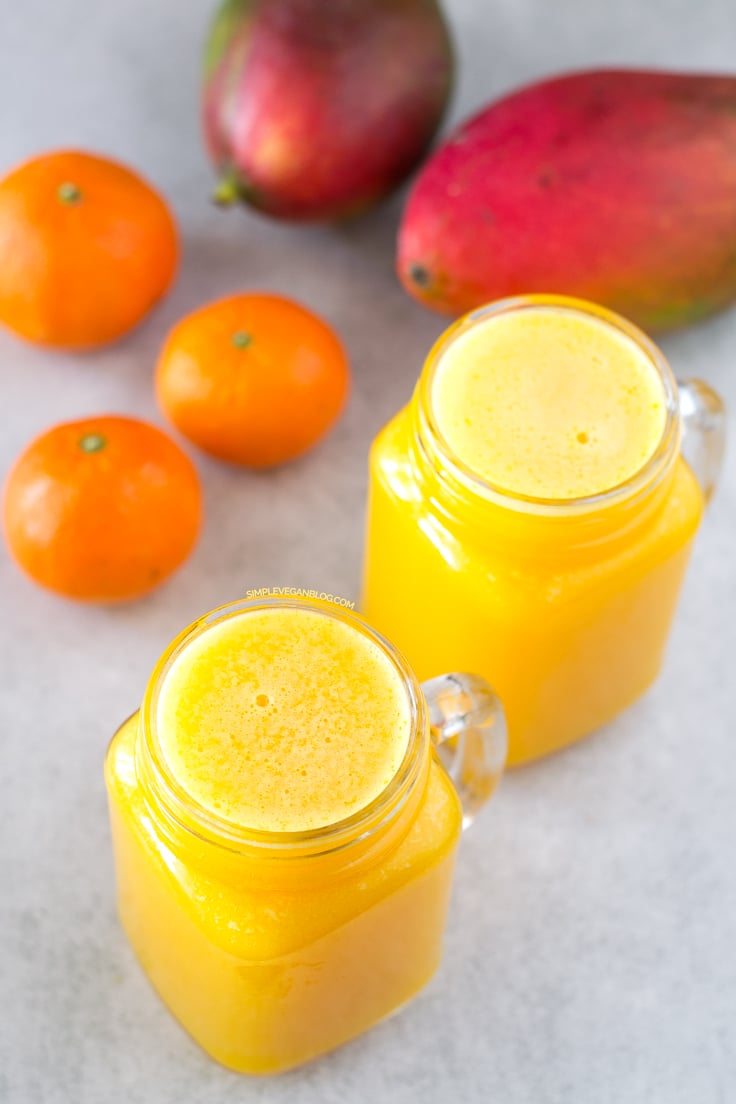
Using a blender for juice is a simple way to enjoy fresh drinks at home. A blender does not separate juice from pulp like a juicer. Instead, it blends everything together. This method keeps all the fiber and nutrients in your drink. It works well for many fruits and vegetables. The taste is different but still refreshing and healthy.
Steps To Make Juice
Start by washing your fruits and vegetables thoroughly. Cut them into small pieces for easy blending. Add the pieces to the blender jar. Pour in some water to help the blending process. Blend on high speed until smooth. Use a fine mesh strainer or cheesecloth to remove the pulp if desired. Pour the juice into a glass and enjoy immediately for the best flavor.
Best Fruits And Vegetables
Soft fruits like oranges, berries, and melons blend easily. Leafy greens such as spinach and kale work well too. Carrots and cucumbers add a nice crunch and sweetness. Avoid very hard vegetables like beets unless chopped finely. For better taste, mix fruits and vegetables together. Adding a little lemon or ginger can brighten the flavor.
Pros Of Using A Blender
Using a blender as a juicer has its clear benefits. Many people choose blenders because they offer simple and effective ways to make fresh juice. Blenders can handle whole fruits and vegetables, turning them into smooth drinks quickly. This section highlights the main advantages of using a blender for juicing.
Cost And Convenience
Blenders usually cost less than juicers. Many kitchens already have a blender, so no extra purchase is needed. Blenders are easy to use and clean. Most parts can be washed quickly with soap and water. You don’t need to peel or chop fruits and vegetables finely. This saves time and effort in the kitchen.
Nutrient Retention
Blenders keep all the fiber from fruits and vegetables. Fiber helps digestion and keeps you full longer. Juicers often remove the fiber during the process. Blended juice contains more vitamins and minerals because the whole food is used. This makes blended drinks healthier and more filling than regular juice.
Cons Of Using A Blender
Using a blender as a juicer has some drawbacks. It may seem like a quick fix, but the results can differ from a real juicer. Understanding these cons helps set the right expectations.
Texture And Pulp Issues
Blenders do not separate juice from pulp well. The juice often stays thick and pulpy. This can make the drink less smooth and harder to enjoy. Some fruits and vegetables leave a gritty texture. The pulp can also clog straws or make the juice messy to drink.
Separation And Storage
Blended juice tends to separate quickly. The pulp sinks to the bottom, and the liquid rises. This makes the juice look less appealing. It also means you must stir or shake before drinking. Storing blended juice can be tricky. It may spoil faster than juice from a juicer. The extra pulp holds moisture and air, reducing freshness.
Tips For Better Juice With A Blender
Making juice with a blender is simple but needs some care. Blenders work differently from juicers. You need to follow some tips to get smooth, tasty juice. These tips help you get the best from your blender. They also reduce pulp and improve flavor. Use these ideas to enjoy fresh juice every day.
Straining Techniques
After blending, the juice may have pulp and bits of skin. Use a fine mesh strainer or cheesecloth to remove these. Pour the juice slowly through the strainer. Press the pulp gently to get more juice out. Straining makes the juice smoother and easier to drink. You can also use a nut milk bag for clear juice.
Blending Time And Speed
Start blending on low speed to break down fruits and vegetables. Then increase to high speed for a few seconds. Do not blend for too long. Over-blending can heat the juice and change its taste. Keep blending time between 30 to 60 seconds. This keeps the juice fresh and full of nutrients.

Credit: theconscientiouseater.com
When To Choose A Juicer
Choosing a juicer over a blender depends on your needs and preferences. Juicers offer specific benefits that blenders do not. Understanding these benefits helps decide when to pick a juicer.
Juice Quality
Juicers extract clear juice without pulp. This makes the juice smoother and easier to drink. They separate the fiber from the liquid. The result is a fresh, vibrant juice with a pure taste. Blenders keep all the pulp, making thicker drinks. For pure juice, a juicer is the better choice.
Ease Of Use And Cleanup
Juicers are designed for simple juicing tasks. Many models have easy-to-use parts. Cleanup can be quick if the juicer has fewer pieces. Some juicers have built-in cleaning functions. Blenders often have fewer parts but can be harder to clean after juicing. Juicers save time if you want quick juice with less mess.
Frequently Asked Questions
Can A Blender Replace A Juicer Effectively?
A blender can replace a juicer but with differences. It blends whole fruits, including fiber, making thicker juice. Juicers extract clear juice, separating pulp. Blenders need straining for smoother juice, but they retain more nutrients.
Is Blended Juice As Healthy As Juiced Juice?
Blended juice keeps all the fiber and nutrients intact. Juiced juice lacks fiber but is easier to digest. Both are healthy, but blended juice offers more fullness and slower sugar absorption.
How To Make Juice From A Blender?
To make juice, blend fruits with some water until smooth. Strain the mixture using a fine mesh or cheesecloth to remove pulp. Serve immediately for best taste and nutrient retention.
Can A Blender Handle Hard Fruits And Vegetables?
Yes, high-powered blenders can crush hard fruits and vegetables. However, they may require more blending time and liquid to smooth the mixture. Juicers handle hard produce more efficiently without extra effort.
Conclusion
A blender can work as a juicer in many cases. It blends fruits and vegetables well but does not remove pulp. You may need to strain the juice for a smoother drink. Blenders are easy to use and clean, making them a good option.
For fresh juice without waste, a juicer is better. Still, a blender gives you healthy drinks quickly. Choose what fits your needs and kitchen space best. Simple tools can make tasty, fresh juice at home.
smartblander.com is a participant in the Amazon Services LLC Associates Program, an affiliate advertising program. As an Amazon Associate, we earn from qualifying purchases made through our links.
