

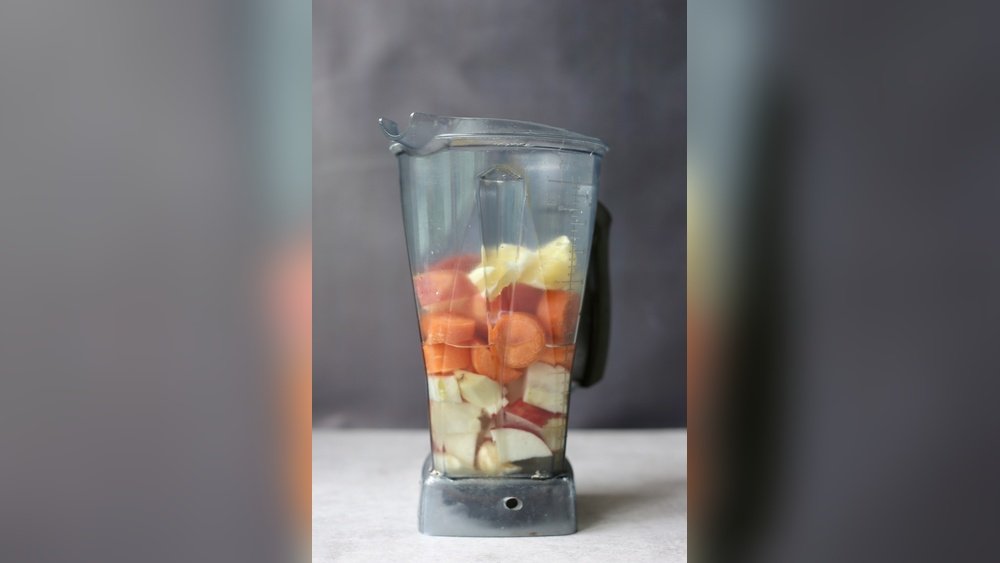
Have you ever wondered if you can make fresh juice right in your blender? If you’re craving a quick, healthy drink but don’t have a juicer at home, this question might be on your mind.
You might think a blender and a juicer do the same job, but there’s more to it than meets the eye. Keep reading to discover how you can turn your blender into a juice-making machine, what to expect, and some simple tips to get the best results.
Your next favorite homemade juice could be just a few blender pulses away!
Credit: www.youtube.com
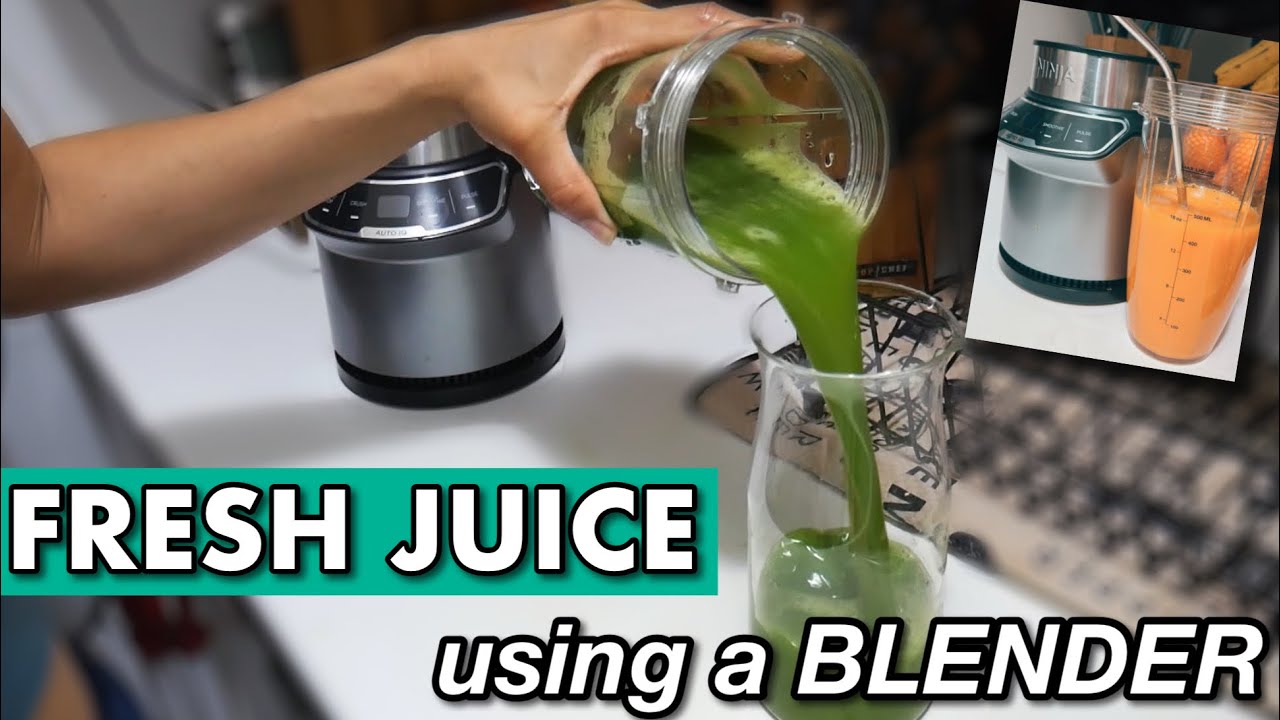
Juicing With A Blender
Juicing with a blender is a popular way to make fresh drinks at home. A blender can break down fruits and vegetables into a smooth, drinkable form. This method keeps all the fiber, which is good for digestion and feeling full.
Blenders are easy to use and clean, making them a convenient choice. You can create many juice combinations by blending different fruits and vegetables together. Understanding how blenders work helps you get the best results.
How Blenders Work
Blenders use fast spinning blades to crush fruits and vegetables. The blades blend all parts of the ingredients, including skin and pulp. This process creates a thick, smooth mixture called a smoothie or juice.
The motor powers the blades at high speeds, breaking down food into small pieces. The blending keeps the fiber in the drink, which is healthy and filling. You can add water or ice to change the texture and taste.
Differences Between Blenders And Juicers
Blenders and juicers both make fruit and vegetable drinks but work differently. Juicers separate juice from the pulp, giving a thin, smooth liquid. Blenders keep all parts of the fruit or vegetable together.
Juicers remove fiber, making the juice lighter and easier to digest quickly. Blenders keep the fiber, so the drink is thicker and more filling. Juicing often takes longer and needs cleaning many parts.
Blenders are simpler and faster to use. They also let you keep all the nutrients in the drink. Both tools have benefits, but blenders are great for easy, fiber-rich juices.
Choosing The Right Ingredients
Choosing the right ingredients is key to making great juice in a blender. The ingredients affect taste, texture, and nutrition. Fresh and ripe ingredients work best. They blend well and give a natural sweetness. Combining fruits, vegetables, and extras creates a balanced juice. Experiment to find your favorite mix.
Best Fruits For Blender Juice
Some fruits blend better than others. Apples add sweetness and a crisp taste. Oranges give a fresh, tangy flavor. Bananas create a creamy texture and natural sweetness. Berries like strawberries and blueberries add color and antioxidants. Pineapple brings a tropical twist and natural juice. Use ripe fruits for the best flavor and smooth blend.
Using Vegetables In Blender Juices
Vegetables add vitamins without too much sugar. Carrots are sweet and mix well. Spinach and kale add nutrients and a green color. Cucumbers give a fresh, watery texture. Celery adds a mild, salty flavor. Chop vegetables into small pieces for easy blending. Balance vegetables with fruits for a tasty blend.
Adding Extras For Flavor And Nutrition
Extras boost flavor and health benefits. Ginger adds a spicy kick and helps digestion. Lemon juice brightens flavor and adds vitamin C. Mint leaves give a fresh taste. Chia seeds add fiber and omega-3 fats. A little honey or maple syrup sweetens naturally. Use extras sparingly to avoid overpowering the juice.
Steps To Make Juice In A Blender
Making juice in a blender is a simple and quick way to enjoy fresh flavors. The process involves a few clear steps. These steps help you get the best taste and texture from your fruits and vegetables. Follow these steps for tasty juice using a blender.
Preparing Fruits And Vegetables
Wash all fruits and vegetables well. Remove any seeds, pits, or tough skins. Cut them into small pieces. This helps the blender work smoothly. Use fresh, ripe produce for better flavor. Soft fruits like bananas or berries blend easily. Hard vegetables like carrots may need chopping into smaller bits.
Blending Techniques
Place the prepared pieces into the blender jar. Add some water or ice for a thinner texture. Start blending at low speed to break down the ingredients. Increase speed gradually to make a smooth mix. Blend for about 30 to 60 seconds. Stop and check the texture. Blend again if needed.
Straining Or Leaving Pulp
Decide if you want pulp in your juice. For a smoother drink, pour the blend through a fine strainer or cheesecloth. Use a spoon to press the juice out. If you like fiber, drink the juice as is. Pulp contains nutrients and adds thickness. Both ways are healthy and tasty.
Tips For Better Blender Juice
Making juice in a blender is simple and quick. Small changes can improve the taste and texture. These tips help you enjoy better blender juice every time.
Adjusting Consistency
Blender juice often feels thick. Add water or ice to thin it out. Blend again for a smoother drink. Use less pulp if you want clearer juice. Strain the juice with a fine mesh sieve for a lighter texture.
Balancing Sweetness And Acidity
Fruits vary in sweetness and sourness. Add a little lemon or lime juice for brightness. Use sweeter fruits like apples or pears to balance sour flavors. A small amount of honey or maple syrup can also help. Taste as you blend and adjust slowly.
Storage And Freshness
Fresh juice tastes best right away. Store leftovers in a sealed glass jar. Keep it in the fridge for up to two days. Shake well before drinking to mix any settled parts. Avoid plastic containers to keep juice fresh longer.
Health Benefits And Considerations
Making juice in a blender offers many health benefits but also some things to consider. Blended juice keeps most of the fruit and vegetable parts. This means you get more nutrients and fiber than regular juice. Understanding these differences helps you choose the best method for your health needs.
Nutritional Differences From Juicers
Blenders mix whole fruits and vegetables. Juicers remove the pulp and fiber. This changes the nutrient makeup. Blended juice has vitamins, minerals, and antioxidants plus fiber. Juiced drinks are usually lower in fiber but have more liquid nutrients. Both have good points for health.
Fiber Content In Blender Juice
Fiber helps digestion and keeps you full. Blender juice keeps most fiber from the produce. This slows sugar absorption and helps control blood sugar. You get a thicker, more filling drink. Juicing removes fiber, making a lighter, faster-absorbing drink.
Potential Drawbacks
Blender juice can be thicker and harder to drink fast. It may spoil faster because of fiber content. Cleaning the blender can take more time. Some people may not like the texture. Juicers create smoother juice but lose fiber benefits.
Credit: simpleveganblog.com
Cleaning And Maintenance
Cleaning and maintenance keep your blender ready for juicing. A clean blender works better and lasts longer. Dirt and juice residue can block blades and damage parts. Proper care helps avoid bad smells and stains. Follow easy steps to clean and maintain your blender.
Cleaning Your Blender After Juicing
Start by rinsing the blender right after use. Fill it halfway with warm water. Add a drop of dish soap. Blend on low speed for 30 seconds. Pour out the soapy water. Rinse with clean water until no soap remains. Wipe the base with a damp cloth. Never immerse the base in water.
Maintaining Blender Performance
Check the blades regularly for dullness or damage. Tighten any loose parts before use. Avoid overfilling the blender to protect the motor. Use the pulse function for tough ingredients. Store the blender with the lid off to prevent odors. Replace worn parts as needed to keep it working well.
Credit: nyssaskitchen.com
Frequently Asked Questions
Can I Make Juice Using A Regular Blender?
Yes, you can make juice in a regular blender by blending fruits and straining the pulp. Use a fine mesh strainer or cheesecloth to separate the juice. This method retains fiber but differs from traditional juicing, which extracts only liquid for a smoother texture.
How To Make Juice Smoother In A Blender?
Blend fruits thoroughly until smooth, then strain the mixture through a fine sieve or nut milk bag. This removes pulp and seeds, resulting in a smoother juice. Adding a bit of water or ice can help achieve a more liquid consistency.
Is Blender Juice As Healthy As Juicer Juice?
Blender juice retains more fiber since it includes the whole fruit, aiding digestion. Juicer juice lacks fiber but has a smoother texture and quicker nutrient absorption. Both methods offer health benefits; choose based on your texture preference and nutritional goals.
What Fruits Work Best For Blender Juice?
Soft fruits like berries, melons, and citrus blend easily and yield good juice. Harder fruits like apples and carrots require chopping and longer blending. Avoid overly fibrous or dry fruits for better juice consistency.
Conclusion
Making juice in a blender is simple and works well. You just need fresh fruits or vegetables and some water. Blenders do not remove pulp like juicers, so juice will be thicker. Strain it if you want a smoother drink.
This method saves money and space in your kitchen. It also keeps all the fiber, which is healthy. Try small batches first to find your favorite mix. Enjoy fresh, homemade juice anytime without extra tools.
smartblander.com is a participant in the Amazon Services LLC Associates Program, an affiliate advertising program. As an Amazon Associate, we earn from qualifying purchases made through our links.
