

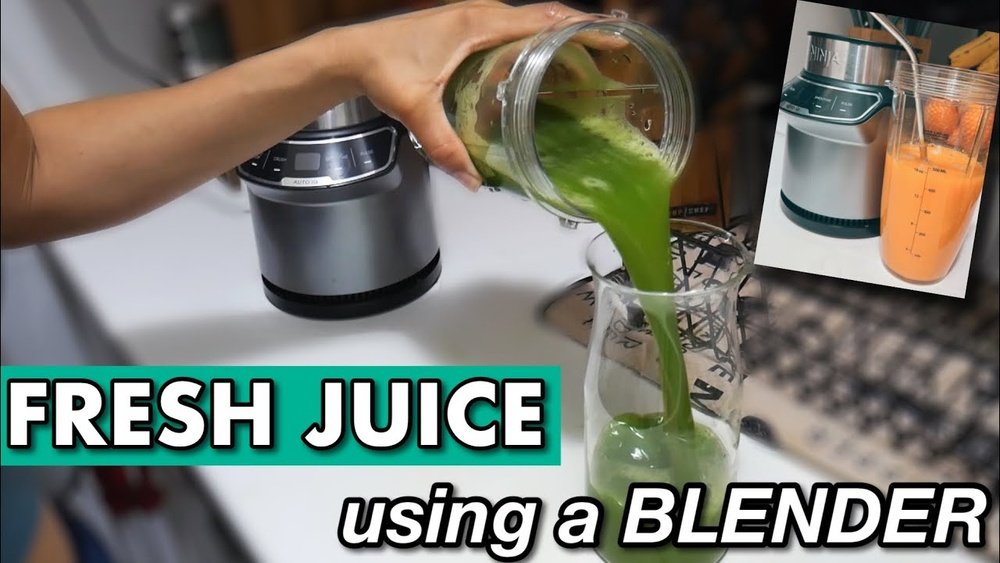
Have you ever wondered if you can juice in a blender instead of using a juicer? If you’re looking to enjoy fresh, healthy juice at home without buying extra gadgets, this question matters to you.
You might be surprised how simple it is to turn your blender into a juice maker. Keep reading, and you’ll discover easy tips to make delicious, nutrient-packed juice right in your blender—saving you time, money, and effort. Your next favorite juice recipe could be just a few steps away!
Blending Vs Juicing
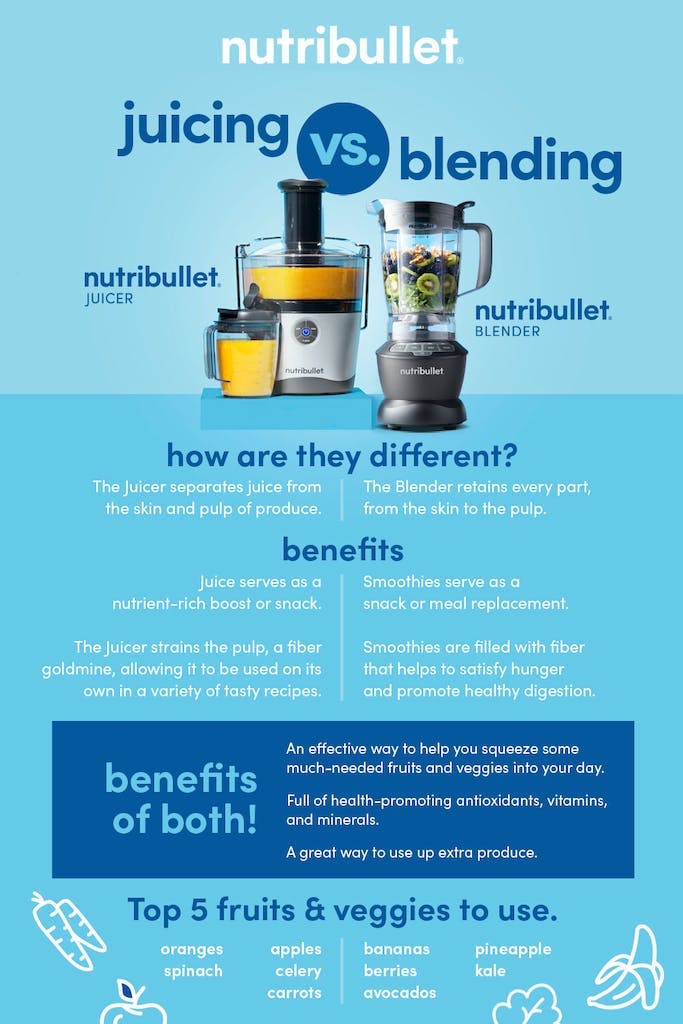
Blending and juicing are two popular ways to prepare fresh fruit and vegetable drinks. Both methods extract nutrients but do so differently. Understanding these differences helps you choose the best method for your health goals and taste preferences.
How Blenders Work
Blenders chop and crush whole fruits and vegetables. They use fast-spinning blades to break down the food into a thick liquid. This process keeps all the fiber from the produce. The result is a smoothie or shake that contains pulp and skin.
How Juicers Work
Juicers separate juice from the pulp. They press or grind fruits and vegetables to extract liquid only. This juice is smooth and thin, without any solid parts. Juicing removes most of the fiber, leaving just the vitamins and minerals in liquid form.
Key Differences
Blending keeps all the fiber, which helps digestion and keeps you full longer. Juicing removes fiber, making it easier to absorb nutrients quickly. Blends are thicker and more filling, while juices are lighter and easier to drink fast. Both methods offer healthy options but serve different needs.
Credit: www.nutribullet.com
Juicing With A Blender
Juicing with a blender is a simple way to make fresh juice at home. It uses whole fruits and vegetables, keeping all the fiber. This method is quick and does not need special machines. You can control the ingredients and make juice just how you like it.
Steps To Blend Juice
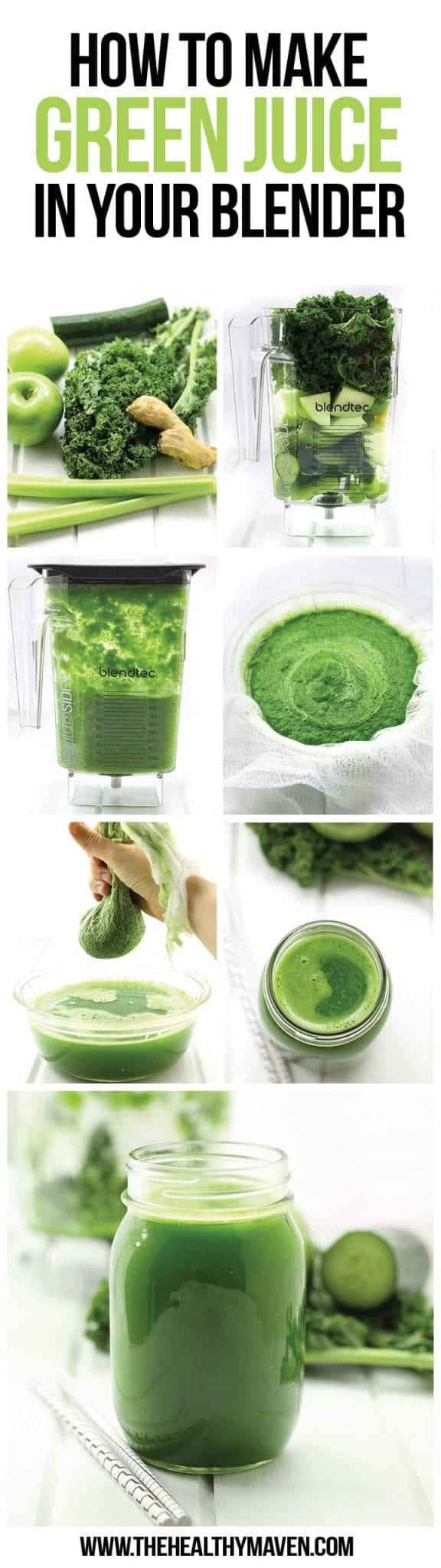
Start by washing your fruits and vegetables well. Cut them into small pieces for easier blending. Add the pieces to the blender jar. Pour in some water to help the blades move. Blend on high speed until smooth. Use a fine strainer or cheesecloth to remove pulp if you want clear juice. Pour the juice into a glass and enjoy fresh drink.
Best Fruits And Vegetables
Choose juicy fruits like oranges, apples, or pineapples. Leafy greens like spinach and kale add nutrients. Carrots, cucumbers, and celery work well too. Avoid very hard or dry items without peeling or softening them. Mix sweet and mild flavors for a tasty drink. Fresh ingredients give the best taste and nutrition.
Tips For Smooth Texture
Add enough water for easy blending and smooth juice. Blend longer for finer texture. Strain the juice to remove leftover bits. Use ripe fruits to get natural sweetness and softness. Chill your juice before drinking for a refreshing taste. Try small batches first to find your favorite mix.
Nutritional Impact
Juicing with a blender affects the nutrients in fruits and vegetables. It changes the way your body receives fiber, vitamins, and minerals. Understanding this helps you choose the best method for your health needs.
Fiber Content
Blending keeps all the fiber from fruits and vegetables. The fiber stays in the drink, making it thick and filling. Fiber helps digestion and keeps your blood sugar steady. Juicing with a blender means you get the full fiber benefits.
Vitamin And Mineral Retention
Blending preserves most vitamins and minerals. The whole fruit or vegetable is used, so nutrients stay intact. Some heat might form during blending, but it usually does not harm vitamins. This method gives you a nutritious drink with little nutrient loss.
Health Benefits
Blended juices help you eat more fruits and vegetables easily. They support digestion due to the fiber content. Vitamins and minerals boost your immune system and energy. Drinking blended juice can improve your overall health and hydration.

Credit: www.thissavoryvegan.com
Straining And Pulp Removal
Straining and pulp removal are key steps after blending fruits or vegetables. These steps help make your juice smoother and more enjoyable. Removing pulp can change the texture and taste of the juice. It also helps the juice last longer. You can use simple tools to separate the juice from pulp easily.
Using Strainers Or Cheesecloth
Strainers and cheesecloth work well to remove pulp from blended juice. Pour the juice slowly through the strainer or cheesecloth. The pulp will stay behind, and the clear juice will flow through. Use a spoon or spatula to press the pulp gently. This helps get more juice out. Clean the strainer or cheesecloth after each use for best results.
Pulp Uses
Don’t throw away the pulp after straining. It can be used in many ways. Add pulp to smoothies for extra fiber. Mix it into soups or sauces for thickness. Pulp also works well in baking recipes like muffins or bread. Using pulp reduces waste and adds nutrition to your meals.
Making Juice Clearer
For clearer juice, strain it more than once. Use a fine mesh strainer or double-layer cheesecloth. Let the juice sit for a few minutes to let tiny particles settle. Carefully pour the clear juice off the top. This method makes juice look better and taste fresher. Clear juice feels lighter and is easier to drink.
Blender Juice Vs Store-bought Juice
Deciding between blender juice and store-bought juice depends on several factors. Both offer unique benefits and drawbacks. Understanding these differences helps you choose the best option for your needs. Here, we explore key points like taste, cost, and freshness.
Taste Differences
Blender juice tastes fresher and more natural. It keeps the pulp and fiber, giving it a thicker texture. Store-bought juice often tastes sweeter and smoother. This is due to added sugars and preservatives. The flavor can also vary by brand and type.
Cost Comparison
Making juice in a blender usually costs less over time. You only pay for the fruits and vegetables. Store-bought juice can be expensive, especially for organic or fresh options. Buying juice daily adds up quickly. Blender juice saves money in the long run.
Freshness And Additives
Blender juice is the freshest because you make it yourself. It contains no preservatives or artificial colors. Store-bought juice often has additives to extend shelf life. These may include sugar, salt, and chemicals. Fresh juice has more nutrients and fewer additives.
Common Mistakes To Avoid
Juicing with a blender is easy but can go wrong without care. Avoiding common mistakes helps you get the best juice every time. Small errors can change the taste and texture of your juice. Here are some common mistakes to watch out for.
Overfilling The Blender
Do not fill the blender beyond its maximum capacity. Overfilling can cause the blender to jam or spill. It also makes blending uneven and less effective. Fill the blender in small batches for smooth results. This keeps the motor safe and juice smooth.
Ignoring Pulp
Many people leave pulp in the juice, making it thick and bitter. Strain the juice with a fine sieve or cheesecloth. Removing pulp gives a cleaner, smoother juice. You can use the pulp in recipes or compost it. Ignoring pulp can also reduce the juice’s freshness.
Not Cleaning Properly
Failing to clean the blender right after use causes bad smells and stains. Residue can harden and become tough to remove. Clean all parts with warm water and soap immediately. This keeps your blender working well and your juice tasting fresh.
Credit: www.thehealthymaven.com
Frequently Asked Questions
Can You Make Juice Using A Blender?
Yes, you can make juice in a blender by blending fruits and vegetables. However, it creates a thicker, smoothie-like texture unless strained.
How To Separate Juice From Pulp In A Blender?
After blending, pour the mixture through a fine mesh strainer or cheesecloth. This separates the juice from the pulp effectively.
Is Blender Juice As Healthy As Juicer Juice?
Blender juice retains more fiber since it uses whole fruits. Both methods provide nutrients, but texture and fiber content differ.
Can A Blender Replace A Juicer Completely?
A blender can replace a juicer for most recipes but requires extra steps to strain juice. It’s more versatile but less efficient.
Conclusion
Blending fruits and vegetables makes fresh juice quickly at home. It keeps the fiber, which is good for digestion and health. You may need to strain the juice for a smoother drink. Blenders work well for most soft produce, like berries and oranges.
Tougher items might need extra blending or chopping first. This method saves money compared to buying juice outside. Enjoy your homemade juice as a healthy, tasty option every day. Try it and see how easy juicing in a blender can be.
smartblander.com is a participant in the Amazon Services LLC Associates Program, an affiliate advertising program. As an Amazon Associate, we earn from qualifying purchases made through our links.
