


Is Cranberry Juice Good For pH Balance? The Amazing Truth Revealed: Yes, but with important distinctions! While often praised for urinary tract health, its direct impact on overall body pH balance is minimal. However, its benefits for urinary health, which is related to pH, are significant and well-supported. Learn how cranberry juice works and what it really does for your body.
Ever heard that cranberry juice is a miracle drink for your health? Many people believe it’s a magic potion that can fix all sorts of issues, especially those related to pH balance. It can be confusing to know what’s true and what’s just hype. Is cranberry juice really the key to keeping your body’s delicate pH levels just right? This article will dive deep into the science behind cranberry juice and its effect on pH, so you can understand exactly what this popular drink can – and cannot – do for you. We’ll break down the facts in a way that’s easy to grasp, helping you make informed choices about your health.
Understanding pH Balance: What It Means for Your Body
pH is a scale that measures how acidic or alkaline something is. It ranges from 0 to 14. A pH of 7 is neutral. Anything below 7 is acidic, and anything above 7 is alkaline. Your body needs to maintain a very specific pH range to function correctly. This is called homeostasis, and it’s crucial for everything from enzyme activity to nutrient absorption.
Think of your body like a finely tuned instrument. If the pH levels go too far in either direction – becoming too acidic or too alkaline – it can disrupt this delicate balance. This disruption can affect how your cells work and can potentially lead to various health problems. Your body has natural systems to keep your pH in check, like your lungs and kidneys, but what you eat and drink can play a role.
It’s important to distinguish between the pH of different bodily fluids. For instance, your stomach is highly acidic (pH 1.5-3.5) to digest food, while your blood is slightly alkaline (pH 7.35-7.45). The urine’s pH can vary more widely depending on diet and hydration, typically falling between 4.5 and 8.0. This variability in urine pH is where cranberry juice often gets its reputation.
Cranberry Juice and Urinary Tract Health: The Real Connection
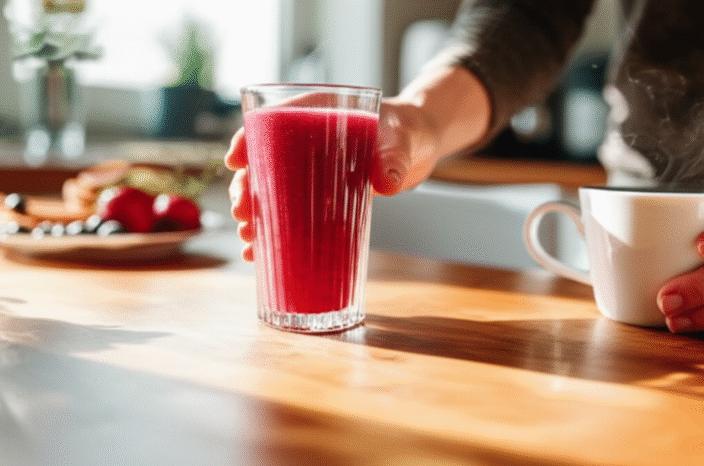
The most well-established benefit of cranberry juice is its positive impact on urinary tract health. This is primarily due to compounds called proanthocyanidins (PACs), especially A-type PACs, found in cranberries. These compounds are powerful antioxidants and have a unique ability to prevent certain bacteria, most notably Escherichia coli (E. coli), from adhering to the walls of the urinary tract.
Imagine bacteria trying to stick to a slippery surface. The PACs in cranberries create this slippery effect, making it much harder for bacteria to gain a foothold and cause an infection. This doesn’t necessarily change the overall pH of your urine in a significant way that affects your entire body’s pH, but it helps create an environment less hospitable to bacterial growth. This is a crucial distinction.
Studies have shown that regular consumption of cranberry products can help reduce the recurrence of urinary tract infections (UTIs) in certain individuals. However, it’s important to note that cranberry juice is not a treatment for an active UTI. If you suspect you have a UTI, you should consult a healthcare professional for proper diagnosis and treatment. Cranberry juice is best viewed as a preventative measure for those prone to UTIs.
The U.S. Food and Drug Administration (FDA) has even allowed qualified health claims for cranberry juice products and reduced the risk of recurrent UTIs. This highlights the scientific backing for this specific benefit. For more information on the FDA’s stance, you can refer to their guidance on qualified health claims.
Does Cranberry Juice Directly Affect Overall Body pH?
This is where the common understanding often gets a bit muddled. While cranberry juice can influence the pH of urine, its effect on the body’s overall systemic pH balance is negligible. Your body has sophisticated buffer systems that work tirelessly to keep your blood pH within a very narrow, life-sustaining range (around 7.35 to 7.45).
Ingesting cranberry juice, which is naturally acidic (its pH is typically between 2.3 and 2.7), will temporarily lower the pH of your stomach contents. However, your digestive system is designed to handle this. The acid is neutralized in the intestines, and the body’s regulatory mechanisms quickly restore balance.
The idea that drinking cranberry juice can make your entire body more alkaline or acidic is largely a myth. The body’s internal pH regulation is far too robust to be significantly swayed by dietary choices like drinking cranberry juice. The focus on “alkalizing” the body through diet is a popular concept, but scientific evidence for its broad health benefits beyond specific medical conditions is limited. For a deeper dive into body pH and diet, resources from reputable health organizations often provide clear explanations.
Cranberry Juice vs. Other Cranberry Products: What’s Best?

When considering cranberry for health benefits, it’s essential to look at the form it comes in. Not all cranberry products are created equal, and some can do more harm than good.
Cranberry Juice Cocktails
These are the most common cranberry products found in supermarkets. However, they often contain very little actual cranberry juice. Instead, they are loaded with added sugars, high-fructose corn syrup, and other fruit juices to make them palatable. The high sugar content can actually be detrimental to health, contributing to inflammation and other issues. The PAC content in these cocktails is often too low to provide significant urinary tract benefits.
100% Pure Cranberry Juice
This is a much better option. It contains a higher concentration of cranberries and typically has no added sugars. However, pure cranberry juice is very tart and can be an acquired taste. It offers more of the beneficial PACs compared to the sweetened cocktails. Be aware that even 100% juice can still have a noticeable impact on tooth enamel due to its acidity, so rinsing your mouth with water after drinking is a good practice.
Cranberry Supplements (Tablets, Capsules, Extracts)
These offer a concentrated dose of cranberry’s beneficial compounds, particularly PACs, without the high sugar content or tart taste of the juice. They are often standardized to contain a specific amount of PACs, making them a reliable way to get the intended benefits. Supplements can be a convenient option for those who want the urinary health benefits without the caloric or taste drawbacks of juice. Always choose reputable brands and follow the dosage instructions.
Dried Cranberries (Craisins)
While delicious in salads and snacks, dried cranberries are usually heavily sweetened to counteract their natural tartness. They also lose some of their beneficial compounds during the drying process. They can be a good source of fiber but are not the best choice for maximizing PAC intake or managing urinary health due to their sugar content.
Here’s a quick comparison:
| Product Type | Pros | Cons | PAC Concentration | Sugar Content |
|---|---|---|---|---|
| Cranberry Juice Cocktail | Widely available, sweet taste | Low PACs, very high added sugar, few health benefits | Low | Very High |
| 100% Pure Cranberry Juice | Higher PACs, no added sugar (usually) | Very tart, can be acidic on teeth, still contains natural sugars | Moderate to High | Moderate (natural sugars) |
| Cranberry Supplements | Concentrated PACs, no sugar, convenient | Can be more expensive, potential for digestive upset in some people | High (standardized) | None |
| Dried Cranberries (Craisins) | Convenient snack, good source of fiber | Heavily sweetened, low PACs, high sugar | Low | Very High |
How Cranberry Juice Can Support a Healthy Lifestyle
While not a magic bullet for overall pH balance, cranberry juice can be a valuable part of a healthy lifestyle, particularly for supporting urinary health. Here’s how you can incorporate it wisely:
- Choose Wisely: Opt for 100% pure cranberry juice or cranberry supplements. If you choose juice, dilute it with water to reduce tartness and acidity if needed.
- Hydration is Key: Cranberry juice should complement, not replace, good hydration. Drinking plenty of water throughout the day is essential for flushing out the urinary system and maintaining overall health.
- Moderation is Important: Even 100% cranberry juice contains natural sugars and is acidic. Excessive consumption could potentially contribute to digestive upset or affect dental enamel. Stick to recommended serving sizes.
- Listen to Your Body: If you have a history of UTIs or are prone to them, incorporating cranberry products may be beneficial. However, it’s not a cure for existing infections.
- Dietary Context: Remember that overall diet plays a much larger role in body pH and health than any single food or drink. Focus on a balanced diet rich in fruits, vegetables, and whole grains.
For instance, incorporating a glass of 100% cranberry juice into your morning routine, alongside a balanced breakfast and plenty of water, can be a positive step. Alternatively, taking a cranberry extract supplement with your meals can provide consistent support for urinary tract health without altering your daily fluid intake significantly.
Potential Downsides and Considerations
While cranberry juice has its benefits, it’s not without potential downsides. Being aware of these can help you use it safely and effectively.
- Acidity and Dental Health: Cranberry juice is acidic. Frequent consumption can erode tooth enamel over time. It’s advisable to drink it with a meal, use a straw to minimize contact with teeth, and rinse your mouth with plain water afterward.
- Sugar Content: Even 100% cranberry juice contains natural sugars. If you are monitoring your sugar intake, be mindful of portion sizes. Cranberry juice cocktails are particularly high in added sugars and should be avoided.
- Digestive Upset: Some individuals may experience digestive issues like stomach upset or diarrhea from drinking cranberry juice, especially in large quantities.
- Kidney Stones: Cranberries contain oxalates. While the amount is generally not a concern for most people, individuals with a history of calcium oxalate kidney stones may want to limit their intake of cranberry products and consult their doctor. According to the National Institute of Diabetes and Digestive and Kidney Diseases (NIDDK), understanding oxalate content is part of kidney stone prevention.
- Interactions with Medications: There is some concern, though not definitively proven for juice alone, that cranberry products might interact with certain medications, particularly blood thinners like warfarin. If you are taking any medications, it’s always best to discuss cranberry consumption with your doctor.
Debunking Myths: Cranberry Juice and Body Alkalinity
The concept of “alkalizing” the body through diet has gained popularity, with many believing that acidic foods and drinks (like cranberry juice) should be avoided to prevent disease. However, this is a significant oversimplification and often a misunderstanding of how the body’s pH system works.
As mentioned earlier, your body maintains a tightly controlled pH balance for your blood. Your organs, like your kidneys and lungs, are highly effective at regulating this balance, regardless of your diet. While your diet can influence the pH of your urine, this is a reflection of your body’s excretory processes, not a sign that your overall body pH has changed.
For example, when you eat acidic foods, your body works to excrete the excess acids. This might lead to more acidic urine, but your blood pH remains stable. Conversely, if you eat alkaline-forming foods, your body will adjust to maintain its internal pH balance. The idea that you can significantly alter your body’s blood pH by simply consuming more alkaline foods or less acidic foods is not supported by robust scientific evidence. For a comprehensive overview of pH and diet, you can explore resources from institutions like the Harvard Health Publishing.
Cranberry juice’s acidity is a characteristic of the fruit itself. Its benefits, particularly for urinary tract health, are not related to making your body more alkaline. They stem from the specific compounds within the cranberries that affect bacterial adhesion.
Frequently Asked Questions About Cranberry Juice and pH Balance
Q1: Can drinking cranberry juice help balance my body’s overall pH?
A1: No, cranberry juice does not significantly affect your body’s overall pH balance. Your body has very effective systems to maintain a stable blood pH. While it can affect urine pH, this is a normal bodily function and doesn’t indicate an overall pH imbalance.
Q2: Is cranberry juice good for preventing UTIs?
A2: Yes, cranberry juice, particularly 100% pure juice or supplements with proanthocyanidins (PACs), can help prevent urinary tract infections (UTIs) by making it harder for bacteria to stick to the urinary tract walls. It is best used as a preventative measure.
Q3: Should I drink cranberry juice if I have a UTI?
A3: Cranberry juice is not a treatment for an active UTI. If you suspect you have a UTI, it’s crucial to see a doctor for diagnosis and appropriate medical treatment. Cranberry juice may help prevent future infections once the current one is cleared.
Q4: What is the difference between cranberry juice and cranberry juice cocktail?
A4: Cranberry juice cocktail usually contains a small amount of actual cranberry juice mixed with water, sweeteners (like sugar or high-fructose corn syrup), and other juices. 100% pure cranberry juice contains only cranberries and water, offering more of the beneficial compounds but is much tarter.
Q5: How much cranberry juice should I drink for health benefits?
A5: For urinary health benefits, studies often use amounts equivalent to about 8-16 ounces of 100% cranberry juice per day, or standardized cranberry extract supplements. However, moderation is key due to sugar and acidity. Always consult a healthcare provider for personalized advice.
Q6: Can cranberry juice make my urine more acidic?
A6: Yes, cranberry juice can make your urine more acidic due to its natural acidity. This is a temporary effect and a normal physiological response. It does not mean your overall body pH is becoming too acidic.
Q7: Are there any side effects to drinking cranberry juice?
A7: Potential side effects include digestive upset (like diarrhea), potential interaction with blood-thinning medications (consult your doctor), and erosion of tooth enamel due to acidity. Choosing 100% juice and rinsing your mouth afterward can help mitigate dental concerns.
Conclusion: Cranberry Juice – A Targeted Health Supporter, Not a pH Panacea
So, is cranberry juice good for pH balance? The amazing truth is that while it can influence the pH of your urine, it doesn’t significantly alter your body’s crucial overall pH balance. Its real power lies in its ability to support urinary tract health, thanks to its unique proanthocyanidins, which help prevent bacteria from adhering to the bladder walls. This is a specific and well-researched benefit.
When incorporating cranberry into your diet, remember to choose wisely. Opt for 100% pure cranberry juice or cranberry supplements to maximize benefits and minimize added sugars. Be mindful of its acidity, especially for dental health, and always prioritize adequate hydration with water. While cranberry juice can be a valuable addition to a healthy lifestyle, it’s not a cure-all for pH imbalances or a substitute for medical treatment for active infections.
By understanding what cranberry juice truly offers, you can harness its benefits effectively and make informed choices that support your well-being. Focus on a balanced diet, good hydration, and consult with healthcare professionals when needed. Your body’s intricate systems are designed to maintain balance, and with the right knowledge, you can support them wonderfully.
smartblander.com is a participant in the Amazon Services LLC Associates Program, an affiliate advertising program. As an Amazon Associate, we earn from qualifying purchases made through our links.
