


For individuals experiencing GERD, cranberry juice is generally not recommended. Its acidic nature can worsen symptoms like heartburn and acid reflux, making it a potential trigger rather than a relief.
Heartburn. The burning sensation in your chest that just won’t quit. If you’re one of the millions dealing with GERD (Gastroesophageal Reflux Disease), you know how frustrating it can be. You’re constantly searching for relief, trying different foods, drinks, and remedies. One drink that often comes up is cranberry juice. But is it actually helpful, or could it be making things worse? Let’s dive in and uncover the truth about cranberry juice and GERD, so you can make the best choices for your comfort and well-being.
The Truth About Cranberry Juice and GERD
When you’re struggling with the discomfort of GERD, every sip counts. You want to know what’s going to soothe your stomach, not send it into a fiery frenzy. Cranberry juice, with its bright, tart flavor, seems like a healthy choice, and it’s often lauded for its potential benefits, especially for urinary tract health. However, when it comes to GERD, the story is a bit more complicated, and frankly, a little surprising for many.
Understanding GERD: The Basics
Before we get to the juice, let’s quickly recap what GERD is. Gastroesophageal Reflux Disease happens when stomach acid frequently flows back into the tube connecting your mouth and stomach (esophagus). This backwash irritates the lining of your esophagus, causing symptoms like heartburn, regurgitation, and sometimes even chest pain. Several factors can trigger or worsen GERD, and what you drink is a big one.
Why Cranberry Juice Might Seem Like a Good Idea
It’s easy to see why people might think cranberry juice could help with GERD. Cranberries are packed with antioxidants and have been linked to benefits for urinary tract infections (UTIs). Many associate “healthy” foods and drinks with being good for all sorts of ailments. The idea is that if it’s good for one part of your body, it might be good for another, right? Plus, some believe that a natural remedy is always better than a medication.
The Shocking Reality: Acidity is Key
Here’s where the surprising truth comes in: cranberry juice is highly acidic. The pH level of cranberry juice typically ranges from 2.3 to 2.7. To put that into perspective, stomach acid itself is very acidic, with a pH between 1.5 and 3.5. When you introduce another acidic substance into your digestive system, especially one that can relax the lower esophageal sphincter (LES) – the muscle that keeps stomach acid down – you’re essentially adding fuel to the fire.
The lower esophageal sphincter (LES) is a muscular ring at the bottom of the esophagus. It normally stays closed to prevent stomach contents from flowing back up. Certain foods and drinks can cause this muscle to relax, allowing acid to escape into the esophagus.
For GERD sufferers, consuming highly acidic beverages like cranberry juice can:
Directly irritate the esophageal lining: The acid in the juice can burn and inflame the sensitive tissues of the esophagus, already compromised by acid reflux.
Weaken the LES: Some studies and anecdotal evidence suggest that acidic drinks can contribute to the relaxation of the LES, making reflux more likely.
Increase stomach acid production: While not a direct effect, the body might respond to the acidity by producing more digestive acid, further exacerbating the problem.
This is why many health professionals and GERD support groups advise against cranberry juice for those with acid reflux.
What About Unsweetened Cranberry Juice?
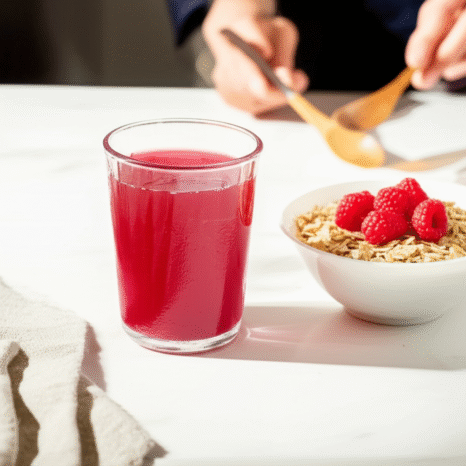
You might be thinking, “What if I drink the unsweetened, pure cranberry juice, not the sugary cocktail versions?” While unsweetened cranberry juice does contain less sugar, which is beneficial in itself (as sugar can be a trigger for some), its fundamental acidity remains the primary concern for GERD.
Even pure cranberry juice is still highly acidic. The sugar content in cranberry juice cocktails can also be problematic. High sugar intake can sometimes contribute to digestive issues, and in some individuals, it can trigger acid reflux by affecting stomach emptying or by promoting the growth of certain bacteria in the gut that might lead to digestive upset. However, for GERD, the acidity of the juice itself is usually the main culprit, regardless of whether it’s sweetened or not.
Alternatives to Cranberry Juice for GERD Relief
If you’re looking for a hydrating and potentially soothing drink that won’t aggravate your GERD, there are much better options available. Focusing on alkaline or neutral pH beverages is key.
Here are some excellent alternatives:
Water: The ultimate neutral beverage. Staying well-hydrated with plain water is crucial for overall digestive health and can help dilute stomach acid.
Herbal Teas:
Ginger Tea: Known for its anti-inflammatory properties and ability to calm the stomach. Brew fresh ginger in hot water for a soothing effect.
Chamomile Tea: Has calming and anti-inflammatory properties that can help reduce stress and soothe the digestive tract.
Licorice Root Tea (DGL form): Deglycyrrhizinated licorice (DGL) is a form of licorice that has had the glycyrrhizin removed, which can cause side effects. DGL is often used to help coat and protect the esophageal lining.
Fennel Tea: Can help with digestion and reduce bloating.
Alkaline Water: Water with a higher pH level can potentially help neutralize stomach acid. While research is ongoing, many people with GERD find it beneficial.
Non-Citrus Juices (in moderation):
Aloe Vera Juice: Known for its soothing properties, it can help calm inflammation in the digestive tract. Ensure you buy a food-grade, purified version.
Vegetable Juices: Low-acid vegetable juices, like carrot or cucumber juice, can be a good option.
It’s important to remember that everyone’s GERD triggers are different. What bothers one person might not bother another. However, due to its inherent acidity, cranberry juice is a common culprit that should be approached with extreme caution, if not avoided altogether, by those with GERD.
Understanding Food Triggers and GERD Management
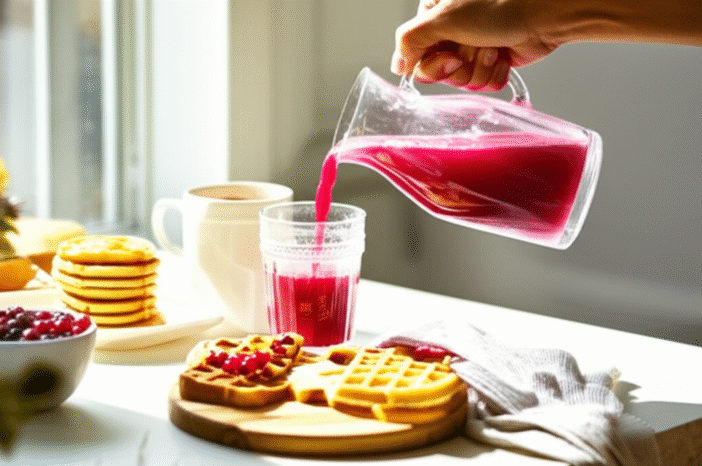
Managing GERD is a multifaceted approach, and diet plays a starring role. Beyond just what you drink, the foods you eat can significantly impact your symptoms. Identifying your personal food triggers is one of the most powerful tools in your GERD management arsenal.
Common GERD Triggers Include:
Fatty Foods: Fried foods, high-fat dairy, greasy meats.
Spicy Foods: Chili peppers, hot sauces, curries.
Acidic Foods: Tomatoes and tomato-based products, citrus fruits (oranges, lemons, grapefruits).
Chocolate: Contains methylxanthine, which can relax the LES.
Peppermint and Spearmint: Can also relax the LES.
Onions and Garlic: Especially raw.
Carbonated Beverages: The bubbles can increase stomach pressure.
Alcohol: Relaxes the LES and can irritate the esophagus.
Caffeine: Coffee, tea, and soda.
Creating a GERD-Friendly Diet Plan
A GERD-friendly diet focuses on foods that are less likely to trigger reflux. This generally means:
Lean Proteins: Baked or grilled chicken, fish, turkey.
Non-Citrus Fruits: Bananas, melons, apples.
Vegetables: Broccoli, green beans, asparagus, leafy greens.
Whole Grains: Oatmeal, brown rice, whole-wheat bread.
Healthy Fats (in moderation): Avocado, nuts, olive oil.
Keeping a food diary can be incredibly helpful. Note down what you eat, when you eat it, and any symptoms you experience. This will help you pinpoint your specific triggers.
The Role of Lifestyle Changes in GERD Management
Diet is critical, but it’s not the only piece of the puzzle when it comes to managing GERD. Several lifestyle adjustments can make a significant difference in reducing the frequency and severity of your symptoms.
Key Lifestyle Changes for GERD:
Maintain a Healthy Weight: Excess weight, especially around the abdomen, can put pressure on the stomach and push acid upward. Losing even a small amount of weight can provide relief.
Elevate the Head of Your Bed: If you suffer from nighttime reflux, raising the head of your bed by 6-8 inches can help gravity keep stomach acid down. Use blocks under the bedposts or a wedge pillow.
Avoid Lying Down After Eating: Wait at least 2-3 hours after eating before lying down or going to bed.
Wear Loose-Fitting Clothing: Tight clothing, especially around the waist, can constrict your stomach and worsen reflux.
Quit Smoking: Smoking weakens the LES and increases stomach acid production.
Manage Stress: Stress can exacerbate GERD symptoms. Techniques like meditation, deep breathing exercises, or yoga can be beneficial.
Eat Smaller, More Frequent Meals: Large meals distend the stomach, increasing the likelihood of reflux.
Chew Food Thoroughly: This aids digestion and can reduce the amount of air swallowed.
For more detailed information on managing GERD, resources like the National Institute of Diabetes and Digestive and Kidney Diseases (NIDDK) offer comprehensive guidance.
When to See a Doctor
While dietary and lifestyle changes can significantly help manage GERD, it’s essential to consult a healthcare professional. They can provide an accurate diagnosis, rule out other conditions, and recommend appropriate treatment.
You should see a doctor if you experience:
Frequent or severe heartburn (more than twice a week).
Difficulty swallowing.
Unexplained weight loss.
Chest pain that might be mistaken for a heart attack.
Symptoms that don’t improve with lifestyle changes or over-the-counter medications.
* Nausea or vomiting.
A doctor can discuss prescription medications, such as proton pump inhibitors (PPIs) or H2 blockers, and advise on whether further testing is needed.
Frequently Asked Questions About Cranberry Juice and GERD
Q1: Is all cranberry juice bad for GERD?
A1: Generally, yes. The high acidity of cranberry juice, whether sweetened or unsweetened, is problematic for most people with GERD. It can irritate the esophagus and potentially relax the lower esophageal sphincter (LES), leading to more reflux.
Q2: Can I drink cranberry juice if I have mild GERD?
A2: It’s best to avoid it. While your symptoms might be milder, the acidic nature of cranberry juice still poses a risk of irritation and symptom flare-ups. It’s safer to opt for less acidic beverages.
Q3: What are the symptoms of GERD that cranberry juice could worsen?
A3: Cranberry juice can worsen common GERD symptoms like heartburn, regurgitation (bringing food back up), chest pain, and a sour taste in the mouth.
Q4: Are there any potential benefits of cranberry for GERD that are often overlooked?
A4: While cranberries have health benefits for other conditions (like UTIs), these benefits do not typically extend to GERD. The acidity outweighs any potential positive effects for acid reflux sufferers.
Q5: What kind of juice is good for GERD?
A5: Low-acid juices are generally better. Options include aloe vera juice (food-grade, purified), non-citrus vegetable juices like carrot or cucumber, and sometimes diluted pear or apple juice, though individual tolerance varies.
Q6: Can cranberry juice cause other digestive problems besides GERD?
A6: For some individuals, the acidity and certain compounds in cranberries can cause stomach upset or diarrhea, especially when consumed in large quantities. For GERD patients, the primary concern is the exacerbation of reflux symptoms.
Q7: How quickly will I feel better if I stop drinking cranberry juice and switch to alternatives?
A7: Symptom relief varies from person to person. Some may notice an improvement within a few days, while others might take a couple of weeks. Consistency with dietary and lifestyle changes is key.
Conclusion
Navigating the world of GERD can feel like a minefield, especially when it comes to what you can safely drink. The allure of cranberry juice, with its reputation for health benefits, often leads people to believe it might be a good option for their acid reflux. However, the reality is quite the opposite. Its high acidity makes it a common trigger, likely to worsen heartburn and other GERD symptoms.
Instead of reaching for that tart glass, consider the array of soothing alternatives. Plain water, calming herbal teas like ginger or chamomile, and low-acid vegetable juices are far more likely to support your digestive health and provide relief. Remember, managing GERD is a journey that involves understanding your body, identifying your triggers, and making informed choices about your diet and lifestyle. By opting for GERD-friendly beverages and adopting healthy habits, you can take significant steps toward a more comfortable and symptom-free life. Always consult with a healthcare professional for personalized advice and treatment plans.
smartblander.com is a participant in the Amazon Services LLC Associates Program, an affiliate advertising program. As an Amazon Associate, we earn from qualifying purchases made through our links.
