

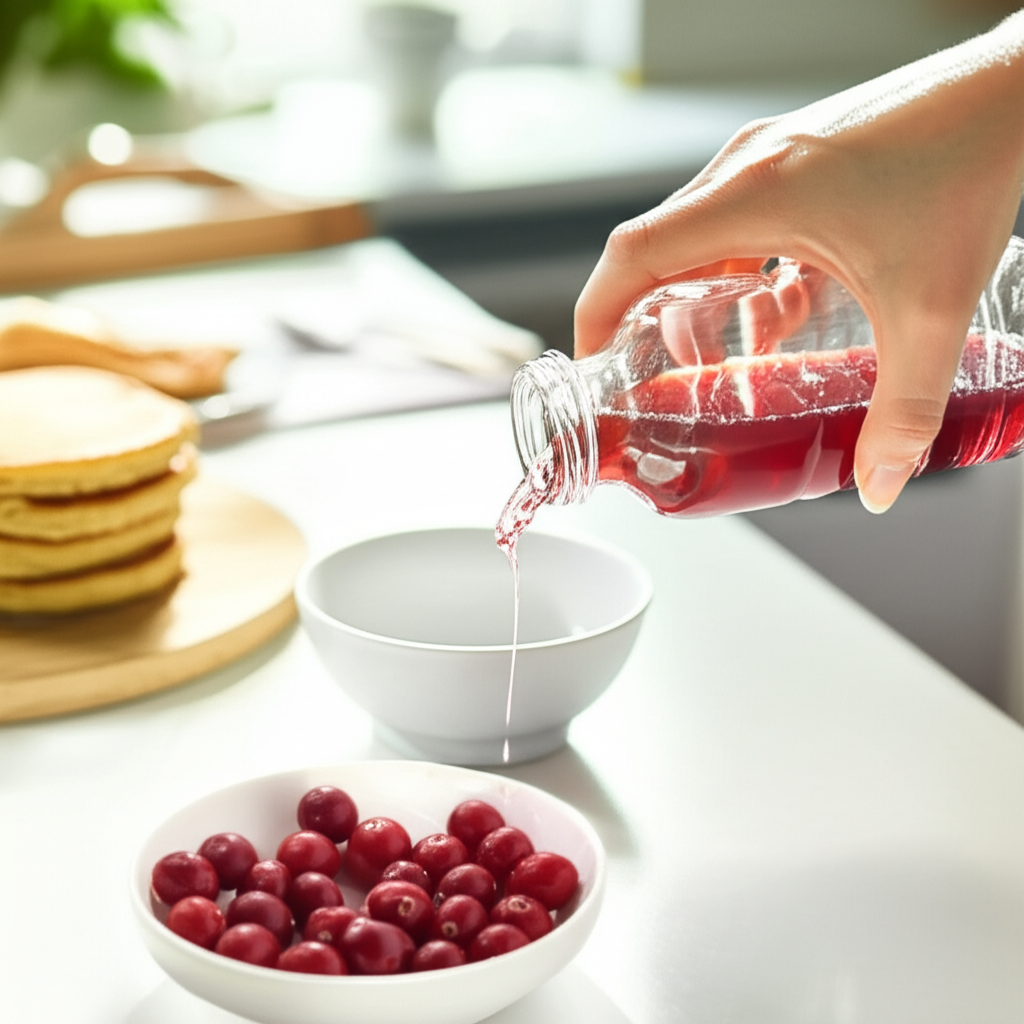
Yes, unsweetened cranberry juice can offer several health benefits for dogs, particularly for urinary tract health. However, it’s crucial to use 100% pure, unsweetened cranberry juice in moderation and consult your veterinarian before adding it to your dog’s diet.
Many dog owners wonder if common human foods can be shared with their furry companions. One such food that often sparks curiosity is cranberry juice. You might have heard that it’s good for preventing urinary tract infections (UTIs) in humans, but does this apply to our dogs too? It can be confusing to know what’s safe and beneficial for your pet. This article will break down whether cranberry juice is a good addition to your dog’s diet, exploring its potential benefits and how to use it safely. We’ll cover everything you need to know to make an informed decision for your dog’s well-being.
Understanding Cranberries and Dog Health
Cranberries are small, tart berries packed with nutrients. For dogs, the primary interest in cranberries, and their juice, lies in their potential to support urinary tract health. This is largely due to compounds called proanthocyanidins (PACs), which are found in cranberries.
The Power of Proanthocyanidins (PACs)
Proanthocyanidins are a type of flavonoid, which are natural compounds found in plants. In cranberries, specific PACs, particularly A-type PACs, are thought to have a unique effect. These PACs can prevent certain bacteria, like E. coli, from adhering to the walls of the urinary tract. E. coli is a common culprit behind UTIs in both humans and dogs. By making it harder for these bacteria to stick, PACs can help flush them out of the system before they cause an infection.
It’s important to note that the concentration and effectiveness of PACs can vary depending on the type of cranberry product and how it’s processed. This is why choosing the right form of cranberry for your dog is so important.
What About Other Nutrients?
Besides PACs, cranberries also contain vitamins and antioxidants, such as Vitamin C and Vitamin E, as well as other beneficial plant compounds. While dogs can produce their own Vitamin C, supplemental sources can sometimes be beneficial, especially for older dogs or those with certain health conditions. Antioxidants help combat free radicals in the body, which can contribute to aging and disease.
Amazing Benefits of Cranberry Juice for Dogs

When used correctly, cranberry juice can offer several advantages for your canine companion. These benefits are mostly linked to its urinary tract support, but there are other potential positives too.
1. Urinary Tract Health Support
This is the most well-known benefit. As mentioned, the PACs in cranberries can help prevent bacteria from clinging to the urinary tract lining. This can be particularly helpful for dogs prone to recurrent UTIs. By making the urinary tract less hospitable to these bacteria, it can reduce the risk of infection.
A study published in the Journal of the American Veterinary Medical Association (JAVMA) explored the use of cranberry extract in cats to prevent bacterial cystitis, suggesting a scientific basis for this type of support. While this study focused on cats, the underlying mechanism of PACs is relevant to dogs as well.
2. Potential Kidney Support
Some research suggests that the antioxidants in cranberries may offer protective effects for the kidneys. By fighting oxidative stress, cranberries could potentially help maintain kidney function over time. This is an area that requires more research, but it’s a promising potential benefit, especially for senior dogs or those with existing kidney concerns.
3. Dental Health Aid
The same anti-adhesion properties that help with UTIs might also benefit dental health. Bacteria are a major cause of plaque and tartar buildup, leading to gum disease. By preventing certain bacteria from sticking to teeth and gums, cranberry extract (often found in dental chews or supplements) may help reduce plaque formation and promote healthier gums. This is often seen in specialized dental products rather than just juice.
4. Antioxidant Boost
Cranberries are rich in antioxidants, which are crucial for fighting free radicals. Free radicals are unstable molecules that can damage cells and contribute to chronic diseases and aging. A diet rich in antioxidants can help support your dog’s overall health and immune system.
How to Safely Give Cranberry Juice to Your Dog
Giving your dog cranberry juice requires careful consideration. It’s not as simple as pouring a glass of your favorite brand. Here’s how to do it right:
Choose the Right Type of Juice
This is the most critical step. You must choose 100% pure, unsweetened cranberry juice. Avoid cranberry juice cocktail or any juice that contains added sugars, artificial sweeteners (especially xylitol, which is toxic to dogs), or other flavorings. These additives can be harmful to your dog and negate any potential benefits. Look for labels that clearly state “100% Cranberry Juice” and have no added ingredients other than perhaps water.
Moderation is Key
Cranberry juice is acidic and contains natural sugars. Too much can lead to digestive upset, such as vomiting or diarrhea, and contribute to weight gain. Start with very small amounts and observe your dog’s reaction.
Recommended Dosage (General Guidelines)
Dosages can vary based on your dog’s size and health. Always consult your veterinarian for a precise recommendation. However, as a general starting point:
- Small Dogs (under 20 lbs): 1 teaspoon per day
- Medium Dogs (20-50 lbs): 1-2 teaspoons per day
- Large Dogs (over 50 lbs): 1 tablespoon per day
It’s often best to dilute the juice with water (e.g., a 1:1 ratio) to reduce its acidity and sugar content, and to make it more palatable. You can also mix it into your dog’s wet food.
Consider Cranberry Supplements
For a more concentrated and consistent dose of the beneficial compounds, especially PACs, cranberry supplements designed for dogs might be a better option than juice. These often come in tablet, capsule, or chewable form and are formulated to deliver the right amount of active ingredients without the excess sugar or acidity of juice. Always choose supplements specifically made for canines and follow the product’s dosage instructions or your vet’s advice.
When to Avoid Cranberry Juice
While generally safe in moderation for most dogs, there are situations where cranberry juice might not be the best choice:
- Diabetic Dogs: The natural sugars in cranberry juice can affect blood sugar levels.
- Dogs with Kidney Stones: Cranberries contain oxalates, which can contribute to certain types of kidney stones (calcium oxalate stones). If your dog has a history of these, consult your vet.
- Dogs with Sensitive Stomachs: The acidity can sometimes cause upset.
- Dogs on Certain Medications: Although rare, there’s a theoretical possibility of interactions.
Always discuss any new dietary additions with your veterinarian, especially if your dog has pre-existing health conditions.
Cranberry Juice vs. Other Cranberry Products for Dogs

Cranberry juice is just one way to give your dog the benefits of cranberries. Other forms offer different advantages and considerations.
Cranberry Extract Supplements
As mentioned, these are often preferred because they provide a standardized dose of PACs without the sugar, calories, or acidity of juice. They are formulated specifically for canine health and are easy to administer. Many veterinary nutritionists recommend cranberry extract supplements over juice for consistent therapeutic benefits.
Cranberry Whole Berries (Fresh or Dried)
Feeding whole cranberries is an option, but they are very tart and can be a choking hazard for smaller dogs. Dried cranberries often have added sugar, so pure, unsweetened dried cranberries are hard to find and still pose a choking risk. If you choose to offer a few whole berries, ensure they are plain and that your dog can chew them safely.
Cranberry-Flavored Dog Treats
Many dog treats are flavored with cranberry. While these can offer a small amount of the benefit and are a tasty way to supplement, they are often not potent enough to provide significant therapeutic effects, especially for urinary tract issues. Always check the ingredients for added sugars or artificial ingredients.
Comparison Table: Cranberry Products for Dogs
| Product Type | Pros | Cons | Best For |
|---|---|---|---|
| 100% Unsweetened Cranberry Juice | Readily available, can be diluted. | High acidity, natural sugars, potential for digestive upset, difficult to dose accurately for PACs. | Occasional, small supplement for general health, especially if diluted and well-tolerated. |
| Cranberry Extract Supplements (Chews, Capsules) | Standardized, concentrated PACs; no added sugar or acidity; easy to dose; specifically formulated for dogs. | Can be more expensive, requires vet recommendation for specific products. | Consistent urinary tract support, dental health, general wellness. Often the preferred method. |
| Whole Cranberries (Fresh/Dried) | Natural, whole food source. | Very tart, potential choking hazard, dried versions often contain added sugar. | Very occasional small treat for dogs that can safely chew them, if unsweetened. |
| Cranberry-Flavored Treats | Palatable, easy to give. | Low concentration of active ingredients, often contain sugar and other additives. | Occasional treat, unlikely to provide significant health benefits on its own. |
How to Introduce Cranberry Juice into Your Dog’s Diet
Adding cranberry juice to your dog’s routine should be a gradual process. Here’s a step-by-step approach:
- Consult Your Veterinarian: Before you start, discuss your dog’s health, diet, and any potential concerns with your vet. They can advise if cranberry juice or supplements are appropriate and suggest a safe dosage.
- Purchase the Right Juice: Buy 100% pure, unsweetened cranberry juice. Check the ingredients list carefully.
- Dilute the Juice: Mix the cranberry juice with an equal amount of plain water. This reduces acidity and sugar concentration.
- Start with a Small Amount: For the first few days, offer only a very small portion of the diluted juice (e.g., a teaspoon for a small dog).
- Observe Your Dog: Watch for any signs of digestive upset (vomiting, diarrhea, gas) or changes in behavior.
- Gradually Increase Dosage (if tolerated): If your dog tolerates the small amount well, you can slowly increase the dosage over a week or two, up to the recommended guideline for their size, always keeping it diluted.
- Mix with Food: To make it more appealing and ensure consumption, you can mix the diluted juice into your dog’s wet food or a small amount of plain, unsalted broth.
- Monitor Long-Term: Continue to monitor your dog’s health, especially their urinary habits and digestion. If you notice any issues, discontinue use and consult your vet.
What to Look for in Cranberry Products
When selecting any cranberry product for your dog, whether it’s juice or a supplement, keep these key factors in mind:
- Purity: Ensure the product is 100% pure cranberry or contains a high concentration of cranberry extract with minimal fillers.
- No Added Sugars: This is non-negotiable. Sugars can be detrimental to your dog’s health.
- No Artificial Sweeteners: Xylitol is extremely toxic to dogs. Even other artificial sweeteners are best avoided.
- No Artificial Colors or Flavors: Stick to natural ingredients.
- Vet Recommended: For supplements, look for brands that are recommended by veterinarians or have undergone third-party testing for quality and efficacy. Reputable sources like the FDA’s information on pet food labeling can help you understand what to look for on packaging.
Frequently Asked Questions About Cranberry Juice for Dogs
Q1: Can I give my dog cranberry juice cocktail?
No, it is strongly advised not to give your dog cranberry juice cocktail. These are typically loaded with added sugars, corn syrup, and artificial flavors, which can be harmful to dogs and lead to digestive upset, obesity, and other health problems. Always opt for 100% pure, unsweetened cranberry juice.
Q2: How much cranberry juice is too much for my dog?
Too much cranberry juice can cause digestive issues like diarrhea and vomiting due to its acidity and sugar content. It can also contribute to weight gain. Stick to the recommended small, diluted amounts (e.g., 1 teaspoon to 1 tablespoon daily, depending on size) and monitor your dog for any adverse reactions. Always consult your vet for personalized dosage advice.
Q3: Can cranberry juice cure a UTI in my dog?
Cranberry juice is not a cure for urinary tract infections. While it can help prevent bacteria from adhering to the urinary tract, it does not kill existing infections. If you suspect your dog has a UTI, it is crucial to see your veterinarian immediately for proper diagnosis and antibiotic treatment. Cranberry juice can be used as a supportive measure, but never as a replacement for veterinary care.
Q4: Are there any side effects of giving cranberry juice to dogs?
The most common side effects are digestive issues, such as upset stomach, diarrhea, or vomiting, primarily due to the acidity and sugar content. In rare cases, if a dog is prone to calcium oxalate kidney stones, excessive cranberry consumption could theoretically contribute. Always introduce it slowly and in moderation.
Q5: Can I give cranberry juice to my puppy?
It is generally best to wait until puppies are older and have a more developed digestive system before introducing cranberry juice. Puppies are also more sensitive to dietary changes. Discuss with your veterinarian if and when it might be appropriate to start giving cranberry juice or supplements to your puppy, and at what dosage.
Q6: What is the difference between cranberry juice and cranberry supplements for dogs?
Cranberry juice contains the beneficial compounds but also includes water, natural sugars, and acidity. Cranberry supplements (like chews or capsules) are concentrated extracts, providing a standardized amount of key compounds like proanthocyanidins (PACs) without the sugar, calories, or acidity. For consistent therapeutic benefits, especially for urinary tract health, supplements are often preferred by veterinarians.
Conclusion
So, is cranberry juice good for dogs? The answer is a qualified yes. When it’s 100% pure, unsweetened, and given in moderation, cranberry juice can offer beneficial support, particularly for your dog’s urinary tract health, thanks to its unique proanthocyanidins. It may also contribute to dental health and provide a boost of antioxidants. However, it’s not a magic bullet and should never replace professional veterinary care, especially for active infections.
The key to safely incorporating cranberry juice into your dog’s diet is diligence: choose the right product, dilute it, start small, and always monitor your dog for any adverse reactions. For many owners, cranberry extract supplements designed specifically for dogs offer a more consistent and targeted way to harness the benefits without the drawbacks of juice. As always, your veterinarian is your best resource for personalized advice on your dog’s diet and health. By understanding the benefits and using it wisely, you can make an informed decision about whether cranberry juice is a good addition to your beloved pet’s wellness routine.
smartblander.com is a participant in the Amazon Services LLC Associates Program, an affiliate advertising program. As an Amazon Associate, we earn from qualifying purchases made through our links.
