


Is cranberry juice good for acid reflux? For many, the answer is surprisingly no. While often touted as a natural remedy, cranberry juice can actually worsen symptoms for some individuals due to its acidity. This guide explores the science behind it and offers clearer, safer alternatives for managing acid reflux.
Acid reflux, that burning sensation in your chest, can be a real nuisance. Many of us look for quick, natural fixes to find relief. Cranberry juice often pops up in these discussions, promising a soothing effect. But what if this popular drink actually makes things worse? It’s a common question, and the truth might surprise you.
Dealing with acid reflux means being careful about what you consume. You want solutions that work, not remedies that add to your discomfort. This article will break down the facts about cranberry juice and acid reflux, helping you make informed choices for a calmer digestive system.
The Common Belief vs. The Scientific Reality
Many people reach for cranberry juice because they believe it’s a healthy, natural way to manage various ailments. It’s packed with antioxidants and is often associated with urinary tract health. This positive reputation leads many to assume it’s a safe bet for digestive issues like acid reflux.
However, the acidic nature of cranberries is the key factor here. When you have acid reflux, your stomach acid is already working its way up into your esophagus, causing irritation. Introducing more acid, even from a natural source, can sometimes exacerbate this problem.
Let’s dive deeper into why this happens.
Understanding Acid Reflux
Acid reflux, also known as gastroesophageal reflux (GER), occurs when stomach acid flows back up into the esophagus. The esophagus is the tube that connects your throat to your stomach. This backward flow can irritate the lining of your esophagus, leading to symptoms like heartburn, regurgitation, and chest pain.
Several factors can contribute to acid reflux:
- Weakened Lower Esophageal Sphincter (LES): The LES is a muscular ring that acts like a valve between the esophagus and the stomach. If it relaxes at the wrong times, stomach contents can escape.
- Hiatal Hernia: A condition where part of the stomach pushes up through the diaphragm.
- Dietary Triggers: Certain foods and drinks can relax the LES or increase stomach acid production.
- Lifestyle Factors: Obesity, smoking, and stress can also play a role.
The goal of managing acid reflux is to reduce the frequency and severity of these reflux episodes and to heal any irritation in the esophagus.
Cranberry Juice: What’s Inside?
Cranberries are fruits known for their tartness and vibrant red color. They contain beneficial compounds like Vitamin C, fiber, and antioxidants, particularly proanthocyanidins (PACs). These PACs are often linked to preventing bacteria from sticking to the urinary tract walls, which is why cranberry juice is so well-known for UTI prevention.
However, cranberries are also naturally acidic. Their pH level is typically between 2.3 and 3.5. For comparison, stomach acid has a pH between 1.5 and 3.5. This means that drinking cranberry juice can introduce a significant amount of acid into your digestive system.
Many commercial cranberry juices also contain added sugars or high-fructose corn syrup, which can further contribute to digestive discomfort for some individuals. Even 100% pure cranberry juice, while free from added sugars, is still quite acidic.
Why Cranberry Juice Might Worsen Acid Reflux
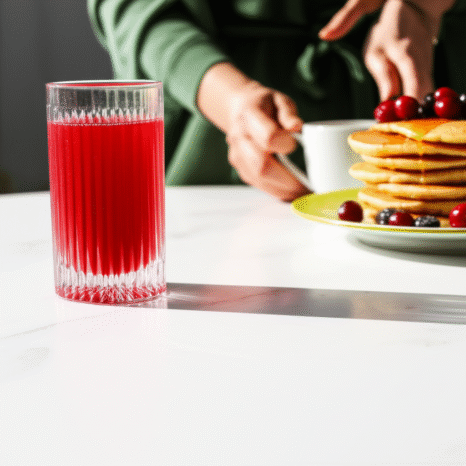
The primary reason cranberry juice can be problematic for acid reflux sufferers is its high acidity. When you drink something acidic, it can:
- Directly Irritate the Esophagus: If your esophagus is already inflamed from stomach acid, introducing more acid can cause immediate burning and discomfort.
- Potentially Relax the LES: While not as common a trigger as some other foods, the acidic nature of cranberry juice might, for some people, contribute to the relaxation of the lower esophageal sphincter, allowing more stomach acid to back up.
- Increase Stomach Acid Production: In some individuals, the body might respond to the intake of acidic substances by producing even more stomach acid in an attempt to neutralize it, ironically leading to more reflux.
It’s important to note that individual reactions can vary greatly. Some people with mild reflux might tolerate cranberry juice without issue, especially if it’s diluted or consumed in small amounts. However, for those with moderate to severe acid reflux or sensitive esophagi, it’s often a trigger to avoid.
The Role of Sugar and Additives
Beyond the natural acidity, many cranberry juice products are sweetened. High sugar content can contribute to acid reflux symptoms in several ways:
- Increased Stomach Acid: Sugary drinks can stimulate the stomach to produce more acid.
- Delayed Stomach Emptying: High sugar loads can slow down how quickly food leaves your stomach, meaning you feel fuller for longer, which can put pressure on the LES.
- Gas Production: Fermentation of sugars in the gut can produce gas, increasing abdominal pressure and potentially pushing acid into the esophagus.
Therefore, if you are considering cranberry juice, opt for 100% pure, unsweetened varieties and even then, proceed with caution.
When Cranberry Juice Might Be Okay (With Caveats)
While the general advice for acid reflux is to be wary of cranberry juice, there are nuanced situations:
- Urinary Tract Infections (UTIs): The scientific evidence supporting cranberry juice for UTI prevention is mixed, with some studies showing a modest benefit and others finding no significant effect. However, the mechanism for UTI prevention (preventing bacterial adhesion) is different from managing acid reflux. If you have a UTI and acid reflux, you might need to consult your doctor about the best course of action, as the benefits for the UTI might be weighed against the risks for reflux. The National Center for Complementary and Integrative Health (NCCIH) provides a good overview of research on cranberries and urinary health.
- Diluted Juice: Drinking cranberry juice that has been heavily diluted with water might reduce its acidity enough for some individuals to tolerate it without triggering reflux.
- Small Quantities: Consuming a very small amount of cranberry juice might not be enough to provoke symptoms in some people.
- Individual Tolerance: As mentioned, everyone is different. Some individuals might simply not be sensitive to the acidity of cranberry juice.
However, the “shocking truth” is that for the majority of people experiencing bothersome acid reflux, cranberry juice is more likely to be a trigger than a remedy. It’s crucial to listen to your body.
Safer Alternatives for Acid Reflux Relief

If cranberry juice isn’t the answer, what is? Fortunately, there are many effective, well-researched strategies and natural remedies that are generally much safer for managing acid reflux. These focus on reducing acidity, protecting the esophageal lining, and addressing lifestyle factors.
Dietary Adjustments
Making smart food choices is fundamental to managing acid reflux. Here are some categories of foods and drinks that are generally considered safe or even beneficial:
- Alkaline Foods: These can help neutralize stomach acid. Examples include bananas, melons, cauliflower, and nuts.
- Water: Staying hydrated is essential. Plain water can help dilute stomach acid and flush it down the esophagus.
- Herbal Teas: Many herbal teas are soothing and can help with digestion. Good choices include ginger, chamomile, licorice root, and fennel tea.
- Lean Proteins: Baked or grilled fish, chicken, and turkey are good options.
- Fiber-Rich Foods: Whole grains, vegetables, and fruits (non-citrus) can aid digestion.
Lifestyle Changes
Beyond diet, several lifestyle adjustments can significantly reduce acid reflux symptoms:
- Maintain a Healthy Weight: Excess abdominal fat can put pressure on your stomach.
- Avoid Tight Clothing: Especially around your waist.
- Elevate Your Head While Sleeping: Use blocks under your bedposts or a wedge pillow.
- Don’t Lie Down After Eating: Wait at least 2-3 hours after a meal before lying down.
- Quit Smoking: Smoking weakens the LES.
- Manage Stress: Practice relaxation techniques like deep breathing, meditation, or yoga.
Natural Remedies to Consider
Here are some natural remedies that are often recommended and generally well-tolerated by individuals with acid reflux:
1. Ginger
Ginger is a natural anti-inflammatory and can help calm the stomach. It’s often used to soothe indigestion and nausea. You can consume it in various forms:
- Ginger Tea: Steep fresh ginger slices in hot water.
- Ginger Chews: Look for options with minimal added sugar.
- Fresh Ginger: Add it to meals.
The University of Rochester Medical Center lists ginger as one of the foods that can help soothe heartburn.
2. Chamomile Tea
Chamomile is known for its calming and anti-inflammatory properties. Drinking a warm cup of chamomile tea can help reduce stress and relax the digestive system, potentially alleviating reflux symptoms.
3. Licorice Root (DGL Form)
Deglycyrrhizinated licorice (DGL) is a form of licorice that has had most of the glycyrrhizin removed. This compound can have side effects, but DGL is often used to help coat the esophagus and promote healing. It’s typically taken in chewable tablet form before meals.
4. Aloe Vera Juice
Aloe vera juice can have a soothing effect on the digestive tract. Look for products specifically formulated for internal use and ensure they are purified to remove any laxative compounds. Start with small amounts to see how you react.
5. Baking Soda (Sodium Bicarbonate)
A small amount of baking soda mixed with water can neutralize stomach acid quickly, providing temporary relief. However, this is a short-term fix and should not be used regularly, as it can have side effects like gas and bloating, and can disrupt the body’s pH balance. The Mayo Clinic advises caution with its use.
Over-the-Counter (OTC) Options
For more persistent symptoms, OTC medications can be very effective:
- Antacids: Such as Tums, Rolaids, or Mylanta. They neutralize stomach acid and provide quick relief.
- H2 Blockers: Like Pepcid AC (famotidine) or Tagamet HB (cimetidine). They reduce the amount of acid your stomach produces.
- Proton Pump Inhibitors (PPIs): Such as Prilosec OTC (omeprazole) or Nexium 24HR (esomeprazole). They block acid production more powerfully and are for more frequent heartburn.
Always follow the instructions on the packaging or consult a pharmacist or doctor.
Comparing Cranberry Juice to Other Potential Triggers
To better understand why cranberry juice is often a problematic choice, let’s compare it to other common acid reflux triggers. This comparison highlights the acidity factor.
| Food/Drink | Typical pH Range | Potential Impact on Acid Reflux | Notes |
|---|---|---|---|
| Cranberry Juice (Pure) | 2.3 – 3.5 | Can directly irritate, potentially increase acid production, may relax LES. | Highly acidic. Commercial versions often contain added sugar. |
| Lemon/Lime Juice | 2.0 – 2.4 | Very acidic, strong trigger for many. | Even small amounts can cause significant discomfort. |
| Tomato Juice | 4.1 – 4.4 | Acidic, can trigger reflux in sensitive individuals. | Less acidic than cranberry or citrus but still a common trigger. |
| Coffee/Tea (Caffeinated) | 4.8 – 5.5 (coffee) | Can relax LES, stimulate acid production. | Caffeine is a key culprit. Decaf may be better but still can be a trigger. |
| Carbonated Beverages | ~2.5 – 4.0 (colas, sodas) | Acidity and carbonation can increase stomach pressure and lead to reflux. | Diet versions are also problematic due to artificial sweeteners and acidity. |
| Milk | ~6.7 – 6.9 | Can provide temporary relief by coating stomach, but fat and protein can stimulate acid production later. | Effect varies greatly; some find it helpful, others find it worsens symptoms. |
| Water | ~7.0 | Neutral, helps dilute acid, washes food down. | Generally safe and recommended for hydration. |
| Alkaline Water | ~8.0+ | Neutralizing effect, may help balance stomach pH. | Some studies suggest benefits, but more research is needed. |
As you can see from the table, cranberry juice falls into the highly acidic category, similar to lemon juice and many sodas. This reinforces why it’s often not a good choice for managing acid reflux.
The Importance of Individual Testing
While this guide provides general recommendations, the most critical step in managing acid reflux is understanding your own body’s triggers. What affects one person may not affect another.
A simple way to test for triggers is through an elimination diet. This involves:
- Eliminating Suspect Foods: Remove common triggers (like cranberry juice, citrus, tomatoes, spicy foods, caffeine, alcohol, fatty foods) from your diet for 2-3 weeks.
- Observing Symptom Changes: Note if your reflux symptoms improve during this period.
- Reintroducing Foods One by One: Slowly reintroduce one suspect food at a time. Wait 2-3 days after reintroducing each food before introducing another.
- Monitoring Reactions: Pay close attention to whether the reintroduction of a specific food causes your symptoms to return.
This systematic approach can help you pinpoint exactly which foods and drinks are problematic for you, allowing you to create a personalized, effective diet plan.
When to Seek Professional Help
While this article offers helpful information, it’s not a substitute for professional medical advice. If you experience frequent or severe acid reflux, or if your symptoms interfere with your daily life, it’s important to consult a doctor or a gastroenterologist.
They can help diagnose the underlying cause of your reflux, rule out more serious conditions like GERD (Gastroesophageal Reflux Disease), and recommend the most appropriate treatment plan for you. This might include prescription medications, further dietary guidance, or other medical interventions.
Frequently Asked Questions About Cranberry Juice and Acid Reflux
Q1: Can cranberry juice help with acid reflux?
Generally, no. Cranberry juice is acidic and can often worsen acid reflux symptoms by directly irritating the esophagus or potentially increasing stomach acid. While some people might tolerate it in small, diluted amounts, it’s not considered a reliable remedy.
Q2: What kind of cranberry juice is least likely to cause reflux?
If you choose to try cranberry juice, opt for 100% pure, unsweetened varieties and dilute it heavily with water. Even then, be cautious, as the natural acidity remains the primary concern.
Q3: What are good drinks for acid reflux?
Safe and often beneficial drinks include plain water, herbal teas like ginger or chamomile, and sometimes milk (though its effect varies). Alkaline water may also be helpful for some.
Q4: Are there any benefits to cranberry juice for people with acid reflux?
The primary benefits of cranberry juice, such as its antioxidant properties and potential role in UTI prevention, are unrelated to acid reflux management. For acid reflux, the risks associated with its acidity usually outweigh any potential benefits.
Q5: What foods should I definitely avoid if I have acid reflux?
Common triggers include citrus fruits and juices, tomatoes and tomato-based products, spicy foods, fatty and fried foods, chocolate, mint, garlic, onions, and caffeine.
Q6: How quickly does cranberry juice affect acid reflux symptoms?
For sensitive individuals, the effects can be almost immediate, causing burning or discomfort within minutes of consumption. For others, the symptoms might develop over a longer period.
Q7: Is it safe to drink cranberry juice if I have a UTI and acid reflux?
This requires careful consideration and medical advice. While cranberry juice is sometimes recommended for UTIs, its acidity can aggravate acid reflux. Discuss with your doctor the best approach to manage both conditions simultaneously, considering alternative UTI treatments if necessary.
Conclusion: Make Informed Choices for Digestive Comfort
The “shocking truth” about cranberry juice and acid reflux is that this popular drink is often more of a trigger than a remedy. Its high acidity can directly irritate the esophagus and potentially worsen reflux symptoms for many individuals. While it offers benefits for other health concerns, its suitability for acid reflux sufferers is questionable and often negative.
Instead of relying on potentially aggravating remedies, focus on proven, gentler strategies. Embrace a diet rich in alkaline foods, stay hydrated with water and soothing herbal teas, and implement positive lifestyle changes like weight management and stress reduction. If needed, explore safe and effective natural remedies like ginger or chamomile, or consider over-the-counter medications as advised by a healthcare professional.
By understanding the science behind acid reflux and carefully choosing what you consume, you can take confident steps toward finding lasting relief and enjoying a more comfortable digestive life. Listen to your body, experiment wisely, and don’t hesitate to seek professional guidance when needed. Your journey to a calmer digestive system starts with making informed choices.
smartblander.com is a participant in the Amazon Services LLC Associates Program, an affiliate advertising program. As an Amazon Associate, we earn from qualifying purchases made through our links.
