

Bolded Quick Summary
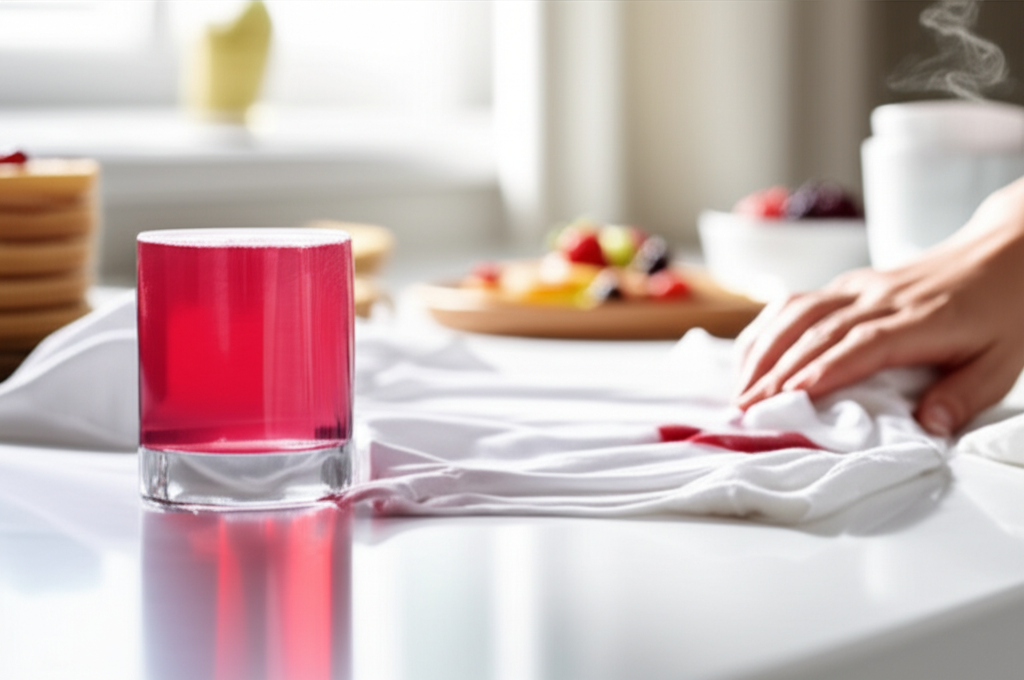
Don’t let cranberry juice stains ruin your favorite clothes! This guide provides easy, step-by-step methods to effectively remove cranberry juice stains from fabric, using common household items. You can restore your garments quickly and easily.
How To Get Cranberry Juice Out Of Clothes: Amazing Stain Removal
That vibrant splash of cranberry juice can be delightful in a glass, but on your favorite shirt? It’s a different story. Cranberry juice stains are notorious for their stubborn nature, often leaving behind a pink or reddish mark that can feel impossible to tackle. But don’t despair! With the right approach and a few common household items, you can banish these tricky stains and save your clothes from a colorful fate.
This guide is designed to be your go-to resource for cranberry juice stain removal. We’ll walk you through simple, effective methods that work on various fabrics, from delicate blouses to sturdy jeans. You’ll learn what to do immediately after a spill and how to tackle even older, set-in stains. Get ready to say goodbye to cranberry juice stains for good!
Why Are Cranberry Juice Stains So Tricky?
Cranberry juice’s staining power comes from its natural pigments, primarily anthocyanins, which are also responsible for the deep red and purple colors in many fruits and vegetables. These pigments are water-soluble but can bind tightly to fabric fibers, making them resistant to simple washing. The acidity of the juice can also sometimes help set the stain if not treated promptly.
The Golden Rule: Act Fast!
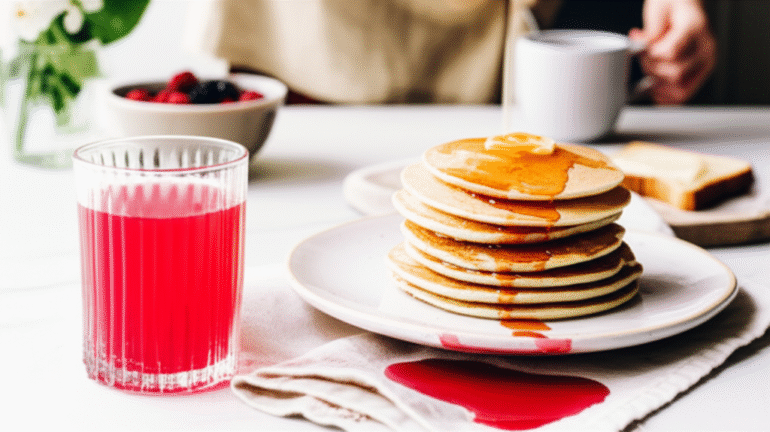
The most crucial factor in successful cranberry juice stain removal is speed. The sooner you can treat the stain, the easier it will be to remove. Fresh stains haven’t had time to penetrate deep into the fabric fibers or set.
Essential Supplies for Cranberry Juice Stain Removal
Before you start, gather these common household items. Having them ready will make the process smoother:
- Clean white cloths or paper towels
- Cold water
- Liquid laundry detergent
- White vinegar
- Baking soda
- Hydrogen peroxide (3%)
- Dish soap (mild, clear formula)
- Lemon juice (fresh or bottled)
- Enzyme-based stain remover (optional, but very effective)
- Rubbing alcohol (isopropyl alcohol)
Step-by-Step Guide to Removing Fresh Cranberry Juice Stains
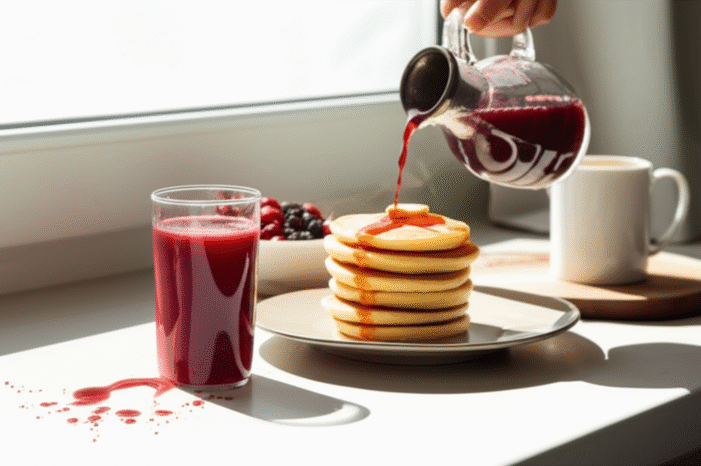
Here’s how to tackle a cranberry juice stain that just happened:
Step 1: Blot, Don’t Rub
Immediately grab a clean white cloth or paper towel and gently blot the stained area. The goal is to absorb as much of the excess liquid as possible without spreading the stain further into the fabric. Avoid rubbing, as this can push the juice deeper into the fibers.
Step 2: Rinse with Cold Water
Turn the garment inside out and run cold water through the back of the stain. This helps to flush out the juice from the fibers. Hot water can set protein-based stains and some dyes, so always start with cold.
Step 3: Apply Liquid Laundry Detergent
Gently rub a small amount of liquid laundry detergent directly into the stained area. Let it sit for about 5-10 minutes to allow the detergent to break down the stain. You can also use a mild dish soap if laundry detergent isn’t immediately available.
Step 4: Rinse Again
Rinse the area thoroughly with more cold water.
Step 5: Check the Stain
Before proceeding to washing, inspect the stain. If it’s still visible, repeat steps 3 and 4, or move on to one of the stronger stain removal methods below. If the stain appears gone, you can proceed to wash the garment as usual.
Step 6: Wash as Usual
Wash the garment in the washing machine using your regular detergent and the warmest water setting recommended for the fabric. Always check the care label on your clothing.
Step 7: Air Dry and Inspect
Crucially, do NOT put the garment in the dryer until you are absolutely sure the stain is gone. Heat from the dryer will permanently set any remaining stain. Air dry the item and inspect it in good light. If the stain persists, repeat the treatment process or try a different method.
Tackling Set-In or Stubborn Cranberry Juice Stains
If the stain is older or hasn’t come out with the initial treatment, you’ll need to try a more potent method. Here are a few effective options:
Method 1: White Vinegar Power
White vinegar is a mild acid that can help break down many types of stains, including fruit juices. Its mild bleaching properties can also help lift color.
- Mix equal parts white vinegar and cold water.
- Soak the stained area in this solution for about 30 minutes.
- Gently rub the fabric together or use a soft brush to work the solution into the stain.
- Rinse thoroughly with cold water.
- If the stain is lighter but still present, you can try a paste of baking soda and vinegar. Apply the paste, let it fizz for a few minutes, then rinse.
- Wash as usual, air dry, and inspect.
Method 2: Hydrogen Peroxide (for White or Colorfast Fabrics)
Hydrogen peroxide is a mild bleach that can be very effective on organic stains. Always test hydrogen peroxide on an inconspicuous area of the fabric first to ensure it doesn’t cause color loss. It is generally safe for whites and colorfast items.
- Apply 3% hydrogen peroxide directly to the stain.
- Let it sit for 5-10 minutes. You may see the stain start to lift.
- Rinse thoroughly with cold water.
- If the stain is still visible, you can create a paste using hydrogen peroxide and baking soda. Apply the paste, let it sit for 15-30 minutes, then gently brush it off and rinse.
- Wash as usual, air dry, and inspect.
Method 3: Lemon Juice and Sunlight
Lemon juice is another natural bleaching agent. When combined with sunlight, its effect is amplified.
- Squeeze fresh lemon juice directly onto the cranberry stain.
- Lay the garment flat in direct sunlight.
- Let it sit for several hours, reapplying lemon juice if the area starts to dry out.
- Rinse thoroughly with cold water.
- Wash as usual, air dry, and inspect.
Caution: While effective, lemon juice and sunlight can lighten darker fabrics. Use this method with care on colored items and always test first.
Method 4: Dish Soap and Rubbing Alcohol
A combination of dish soap and rubbing alcohol can be powerful against tough stains. Dish soap helps break down grease and organic matter, while rubbing alcohol is a solvent.
- Dab rubbing alcohol onto the stain with a clean cloth. Blot to lift as much as possible.
- Rinse with cold water.
- Apply a mild, clear dish soap to the remaining stain and gently work it in.
- Let it sit for 10-15 minutes.
- Rinse thoroughly with cold water.
- Wash as usual, air dry, and inspect.
Method 5: Enzyme-Based Stain Remover
Enzyme cleaners are formulated to break down specific types of stains, including those from fruits and pigments. These are often found in commercial laundry pre-treatments.
- Follow the product instructions carefully. Typically, you’ll apply the remover directly to the stain.
- Let it sit for the recommended time (often 5-30 minutes, or sometimes longer for tough stains).
- Gently work the cleaner into the fabric.
- Rinse thoroughly with cold water.
- Wash as usual, air dry, and inspect.
For more information on stain removal, the U.S. Environmental Protection Agency (EPA) provides resources on environmentally friendly cleaning practices, which often align with effective stain removal techniques.
Treating Cranberry Juice Stains on Different Fabrics
The method you choose might depend on the type of fabric. Always check the garment’s care label before attempting any stain removal.
Cotton and Linen
These natural fibers are generally quite durable. Most of the methods described above, including detergent, vinegar, hydrogen peroxide, and lemon juice, are safe for cotton and linen. Be cautious with hydrogen peroxide and lemon juice on colored cotton or linen to avoid fading.
Synthetics (Polyester, Nylon, Acrylic)
Synthetics can be sensitive to heat and some chemicals. Cold water is always best. Mild detergents, dish soap, and vinegar are usually safe. Test hydrogen peroxide and rubbing alcohol on an inconspicuous area first, as some synthetics can be damaged or discolored.
Delicates (Silk, Wool, Rayon)
These fabrics require a gentler approach.
- For Silk: Blot immediately. Use a mild detergent specifically for delicates or a very mild dish soap. Rinse with cool water. Avoid harsh chemicals like bleach or strong acids. If the stain persists, consider professional cleaning.
- For Wool: Blot and rinse with cool water. Use a wool-safe detergent. For tougher stains, a solution of one tablespoon of white vinegar to two cups of cool water can be carefully applied and blotted. Avoid rubbing wool vigorously.
- For Rayon: Rayon can be delicate, especially when wet. Blot and rinse with cool water. Use a mild detergent. Avoid wringing or twisting. Hydrogen peroxide can be used cautiously on white rayon, but test first on colored rayon.
What NOT to Do When Treating Cranberry Juice Stains
To ensure you don’t make the stain worse, avoid these common mistakes:
- Don’t use hot water: As mentioned, hot water can set the stain, making it much harder to remove. Always start with cold water.
- Don’t rub aggressively: Rubbing can spread the stain and damage the fabric fibers. Gentle blotting and dabbing are key.
- Don’t put stained items in the dryer: Heat is the enemy of a lingering stain. Always air dry until you’re certain the stain is completely gone.
- Don’t use colored towels or cloths: The dye from colored cloths can transfer to your garment, creating a new stain. Always use white cloths or paper towels.
- Don’t mix cleaning agents: Unless specifically instructed (like with baking soda and vinegar), avoid mixing different cleaning solutions, as this can create harmful fumes or damage fabrics.
Can Cranberry Juice Stains Be Removed from Upholstery and Carpets?
Yes, the principles are similar, but you need to be more careful to avoid oversaturating the material. Always test any cleaning solution in an inconspicuous spot first.
For upholstery and carpets:
- Blot up excess liquid immediately.
- Mix a solution of mild dish soap and cold water.
- Dampen a clean white cloth with the solution and gently blot the stain, working from the outside in.
- Rinse the area by blotting with a cloth dampened with plain cold water.
- Blot dry with a clean, dry towel.
- For stubborn stains, you can try a solution of 1 part white vinegar to 2 parts water, blotting and rinsing as above.
- Ensure the area dries completely to prevent mildew.
For more detailed advice on cleaning different types of upholstery, resources from organizations like the U.S. Environmental Protection Agency (EPA) on preventing mold and mildew can be helpful after cleaning.
Table: Cranberry Juice Stain Removal Methods at a Glance
Here’s a quick comparison of the most effective methods:
| Method | Best For | Pros | Cons | Fabric Suitability |
|---|---|---|---|---|
| Liquid Detergent | Fresh Stains | Gentle, readily available | May not be enough for set-in stains | All fabrics |
| White Vinegar | Fresh to Moderately Set-In Stains | Natural acid helps break down pigments, mild bleaching | Can have a strong odor (washes out), test on colors | Most fabrics, test on delicates and colors |
| Hydrogen Peroxide (3%) | Set-In Stains on Whites/Colorfast | Effective mild bleach for organic stains | Can bleach colors, requires patch test | Whites, colorfast fabrics; test on others |
| Lemon Juice + Sunlight | Set-In Stains (especially on whites) | Natural bleaching agent, readily available | Can lighten colors, takes time | Whites; use cautiously on colors |
| Dish Soap + Rubbing Alcohol | Tough, Stubborn Stains | Solvent action of alcohol combined with detergent | Alcohol can affect some synthetics, test first | Most fabrics, test on synthetics and delicates |
| Enzyme Stain Remover | All Types of Stains | Specifically formulated to break down organic matter | Requires purchase, follow product instructions | Most fabrics (check product label) |
Frequently Asked Questions (FAQ)
Q1: How quickly should I treat a cranberry juice stain?
The sooner, the better! Ideally, treat it within minutes of the spill. Fresh stains are always easier to remove than dried-on ones.
Q2: Can I use bleach on cranberry juice stains?
Chlorine bleach can be used on white, bleach-safe fabrics as a last resort. However, it can damage some fibers and should be diluted. For colored fabrics, chlorine bleach will likely cause permanent color loss. Hydrogen peroxide is a safer alternative for mild bleaching.
Q3: What if the stain is old and has gone through the dryer?
An old stain that has been set by dryer heat is very difficult to remove. You can try the most potent methods like enzyme cleaners or hydrogen peroxide, but success is not guaranteed. You may need to consult a professional cleaner.
Q4: Are there any natural remedies that are guaranteed to work?
While natural remedies like vinegar, lemon juice, and baking soda are effective for many stains, no single method is guaranteed to work on every fabric and every stain type. Persistence and trying different methods are often key.
Q5: Can I get cranberry juice out of a dry-clean-only garment?
For dry-clean-only items, it’s best to take them to a professional dry cleaner as soon as possible. Point out the stain and mention it’s cranberry juice. Do not attempt home remedies, as they can damage the fabric or set the stain permanently.
Q6: How do I prevent cranberry juice stains in the future?
Be mindful when consuming cranberry juice, especially near light-colored clothing. Consider wearing an apron or a bib when drinking or cooking with cranberry products. For entertaining, offering drinks in spill-resistant containers or using coasters can also help.
Conclusion
Cranberry juice stains, while formidable, are not the end of your favorite clothing items. By understanding the nature of these pigment-rich stains and employing prompt, effective treatment methods, you can successfully restore your garments. Remember the golden rule: act fast! Blotting, cold water rinsing, and applying the right cleaning agent are your best allies. Whether you’re dealing with a fresh spill or an old, stubborn mark, the techniques outlined in this guide offer a clear path to stain-free success.
Don’t let the fear of stains hold you back from enjoying your favorite beverages or vibrant foods. With this knowledge, you’re well-equipped to handle cranberry juice mishaps. So, take a deep breath, gather your supplies, and get ready to say goodbye to those unwelcome red marks. Your clothes will thank you!
smartblander.com is a participant in the Amazon Services LLC Associates Program, an affiliate advertising program. As an Amazon Associate, we earn from qualifying purchases made through our links.
